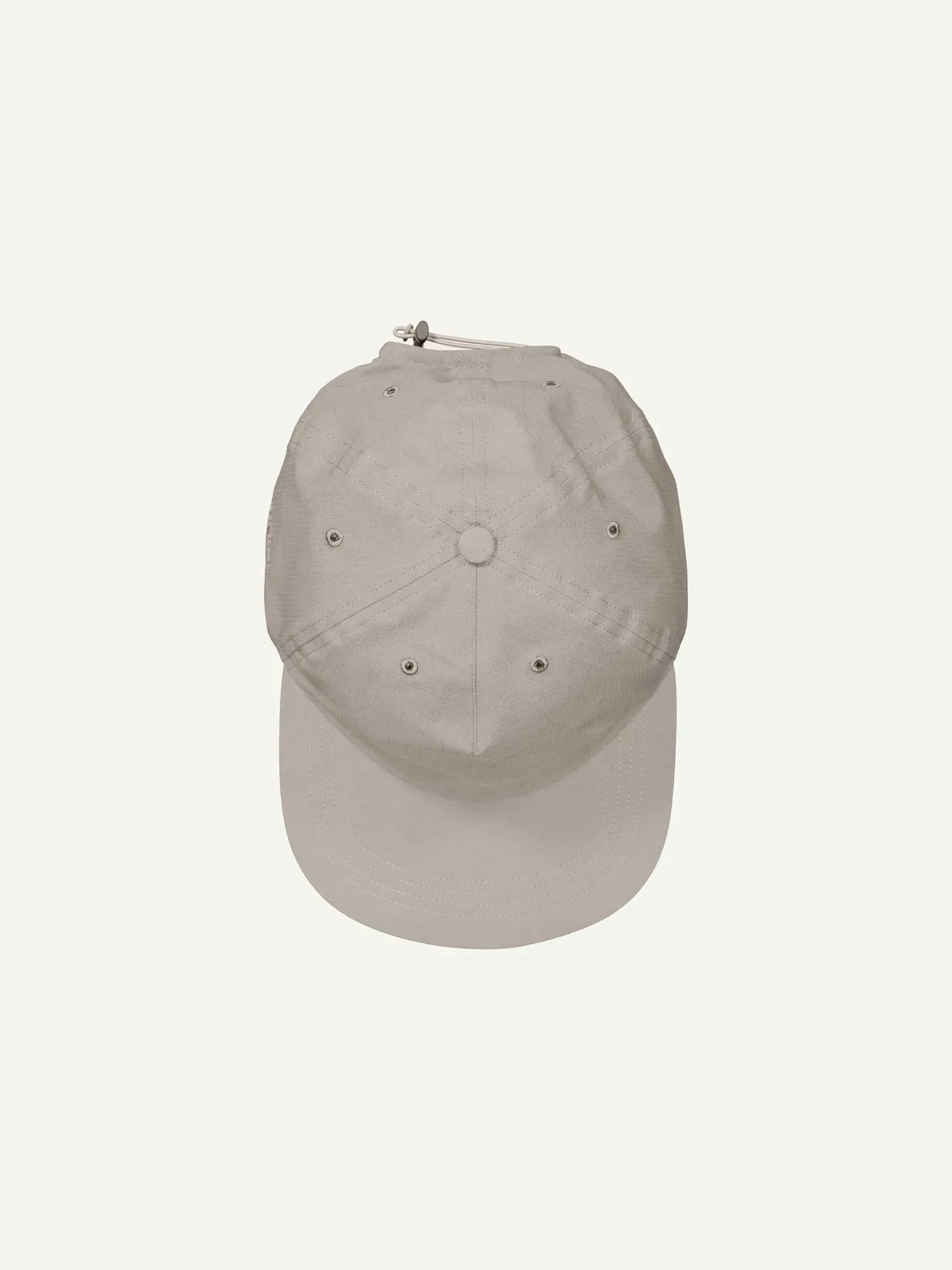
Quick answer
Choose a cap for sun protection and sports by prioritizing a close, stable fit, a brim that shades your face without blocking your view, and a fabric that breathes and dries fast. For running, hiking, and other high-output days, a lightweight, breathable cap beats a wide-brim sun hat because it stays put and vents heat. If you need full neck and ear coverage, a cap alone will not do it.
A cap is one of the few pieces of gear you can wear for a run, a hike, and a coffee afterward without looking out of place. The catch is that caps are not interchangeable: a fashion cap that looks right in town can turn into a sweaty, sliding problem on a climb, and a technical cap can feel like overkill on a short walk.
This guide gives you decision rules instead of a list of features. You will learn how to read brim shape, fabric behavior, and fit so you can choose a cap that actually shades your face, manages sweat, and stays on your head when you move. The same logic applies whether you are shopping for a breathable cap for summer or a sports cap for hiking in mixed weather.
Start with the brim, not the logo
The brim does most of the sun-protection work, so choose its shape before anything else. A curved, medium-length brim shades your eyes and upper face while keeping your peripheral vision clear, which is why it suits running, hiking, and team sports. A flat brim offers a similar footprint but can catch wind more and may sit higher on your forehead, so it is a better match for casual wear than for exposed ridgelines.
Brim stiffness matters too. A soft, packable brim folds into a pocket and springs back, which is useful for travel and variable weather. A firmer brim holds its shape and gives more consistent shade but is less convenient to stash. If you mostly move fast and want minimal fuss, prioritize a brim that holds its curve without being rigid.
- If you need shade for the back of your neck, a cap is the wrong tool. Choose a hat with a full brim or add a neck gaiter.
- Check that the brim does not dip into your line of sight when you look up, especially on climbs.
Match fabric to your sweat level and weather
Fabric decides whether a cap feels cool or clammy. For high-output summer use, look for lightweight woven or ripstop fabrics that breathe and dry quickly. A stretchy, durable polyester ripstop with a water-repellent finish handles both sweaty efforts and sudden showers, and it resists the sag that softer cotton caps develop when wet. If the cap is treated, prefer a PFAS-free water-repellent finish when the brand states it.
Wool is the other useful direction. A dense wool fabric gives natural water and wind resistance without added coatings, which suits cool-weather hiking and everyday wear. The trade-off is weight and drying time: wool is not the fastest-drying option for hot, humid running. Choose based on the conditions you actually face, not the ones you wish you faced.
- Hot and humid: prioritize ventilation and quick drying over insulation.
- Cool and damp: a tighter weave with natural water resistance can replace a synthetic shell for short efforts.
- If a fabric claim is not listed, treat it as unknown rather than assuming performance.
Fit rules that keep a cap in place
A cap that fits well needs no constant adjustment. Measure your head circumference just above your ears and across your forehead, then compare it with the brand's size range. If the cap uses an adjustable strap, set it so you can fit one finger under the band. Too loose and the cap lifts in wind or on descents; too tight and it leaves marks and can cause headaches on long days.
Depth matters as much as circumference. A shallow crown sits high and exposes your forehead to sun, while a deep crown can press on your ears or push the brim down. Try the cap on, look down, and shake your head gently. If it shifts more than a centimeter, size down or choose a different model. For running, a snug fit with a soft, quick-drying sweatband is the priority.
- Adjustable caps suit shared use and changing hair volume; fixed sizes give a more consistent fit.
- If you wear a cap under a helmet, choose a low-profile model without a hard button on top.
- Wash according to care instructions to keep the band from stretching out.
Sun hat vs cap: choose by coverage and activity
A sun hat with a full brim protects your ears, neck, and cheeks better than any cap, and it is the better choice for long, slow exposure such as gardening, beach days, or flat-water paddling. A cap wins when you need stability, peripheral vision, and airflow during movement. It also layers more easily under a hood or helmet.
The practical answer is often both. Many outdoor users keep a cap for moving fast and a wide-brim hat for camp and rest stops. If you can only own one and your priority is sports performance, a cap is the more versatile choice. If your priority is maximum skin coverage with minimal effort, choose the hat.
- Cap: better for running, cycling, climbing, and any activity with a helmet.
- Sun hat: better for high UV, low intensity, and long stationary periods.
- Neither replaces sunscreen on ears, neck, and nose.
Materials and care that extend cap life
Sweat, salt, and sunscreen break down fabrics and bands faster than rain does. Rinse your cap in cool water after heavy use, hand wash when possible, and air dry it shaped rather than crumpled. Avoid hot dryers, which can shrink bands and distort brims. If the cap has a water-repellent finish, follow the brand's care advice so the finish keeps working.
Durability also depends on construction. Reinforced seams, a soft inner band, and a brim that holds its shape after packing are signs of a cap built for repeated use. Recycled and recyclable materials are a bonus when the brand documents them, but they do not replace fit and breathability as your first filters.
- Rinse after sweaty sessions to prevent salt stains and odor.
- Air dry away from direct heat to protect the brim and band.
- Store flat or loosely packed so the crown does not crease permanently.
Decision rules for choosing your cap
- Rule 1: Match the brim to your activity: Choose a curved, medium brim for running, hiking, and sports so you get shade without losing peripheral vision. Choose a wider or flatter brim only for casual, low-intensity use. If you cannot see your feet or the trail ahead, the brim is wrong.
- Rule 2: Choose fabric by sweat and weather, not by style: For hot, sweaty efforts, pick lightweight, breathable, quick-drying fabric such as polyester ripstop. For cool, damp conditions, wool's natural water and wind resistance can replace a synthetic shell. One cap will not excel in both extremes; decide which conditions you face most.
- Rule 3: Fit beats features: Measure your head, set adjustable straps with one finger of slack, and test by looking down and shaking your head. A cap that shifts more than a centimeter will annoy you on every outing. If it does not stay put in the shop, it will not stay put on the trail.
- Rule 4: Know when a cap is not enough: A cap leaves your ears, neck, and cheeks exposed. For high UV or long stationary exposure, add a hat with a full brim or pair the cap with a neck gaiter and sunscreen. Coverage gaps are a sun-protection problem, not a style problem.
- Rule 5: Treat care as part of performance: Rinse after sweaty use, hand wash when possible, air dry shaped, and avoid hot dryers. This keeps the band, brim, and any water-repellent finish working longer. A cap that is cared for keeps its fit and shade for years.
Product facts that show how these choices play out
- Daybreak Cap: Made in stretchy, durable polyester ripstop with a PFAS-free water-repellent treatment, combining ventilation and wind resistance, and produced with 50% recycled fibers and fully recyclable. This is a strong match for high-output days when you want a breathable cap for summer that also shrugs off light rain and wind. The recycled content and recyclability are practical bonuses for buyers who care about end-of-life.
- W's Puremerino Half Zip: Part of the Puremerino series, made from 100% superfine merino wool (18.4 micron) in the Puremerino 200 fabric, chosen after field testing for quality, function, and durability. If you hike or run in cool, damp conditions, a merino layer under your cap manages moisture and temperature without feeling clammy. It shows the same natural-fiber logic you can apply when choosing a wool cap.
- M's Lana Anorak: A shell jacket in 100% merino wool with a dense weave and natural lanolin providing water and wind resistance without added chemicals, blends, or synthetic treatments. This illustrates the trade-off between natural performance and weight. If you value quiet, chemical-free weather resistance for cool-weather hiking, wool is worth considering; if you need fast drying in hot conditions, synthetics are usually the better call.
Who this cap advice is for
Best for
- Runners and hikers who need a stable, breathable cap for sun and sweat
- Travelers and commuters who want one cap that works for sport and everyday wear
- Anyone choosing between a cap and a sun hat for outdoor activities
Not for
- People who need full neck, ear, and cheek coverage in high UV; choose a wide-brim sun hat instead
- Cold-weather users who need insulation; a cap alone will not keep your ears warm
- Cyclists who require a certified helmet; a cap is a supplement, not a substitute
Choose your cap by brim shape, fabric behavior, and fit, then confirm it matches the conditions you actually face. A breathable, well-fitting cap handles most sports and summer sun, while a wide-brim hat covers the gaps a cap cannot. Get the fit right first, and the rest of the decision gets much easier.