Quick answer
For most cats, a ceramic bowl with a wide, shallow shape and a non-toxic glaze is the safest, most hygienic choice. It resists scratches, cleans easily, and avoids the plastic-related chin acne or metal taste issues.
Why ceramic stands out among pet dish materials
Ceramic is naturally non-porous when glazed, which means it won't harbour bacteria or absorb odours like plastic or unsealed wood can. It is also heavy enough to stay put during meals, reducing spills and mess. Unlike stainless steel, ceramic does not impart a metallic taste, and it can be decorated with food-safe glazes that are free from harmful chemicals.
The trade-off: ceramic can chip or break
Ceramic bowls are heavier and more fragile than plastic or metal options. If dropped on a hard floor, they may chip or crack, creating sharp edges that could harm your cat. Always inspect a new bowl for any chips or cracks before use, and replace it immediately if damage appears.
Decision rules for choosing a ceramic cat bowl
- Check the glaze is food-safe and non-toxic: Look for bowls labelled as food-safe, lead-free, and cadmium-free. A high-quality ceramic bowl will have a smooth, even glaze that seals the clay completely. Avoid bowls with painted decorations on the inside where food touches. If the product does not state food-safe, ask the manufacturer or choose a known brand that guarantees it.
- Choose a wide, shallow shape for whisker comfort: Cats dislike their whiskers touching the sides of a deep, narrow bowl. A wide bowl with gently sloping sides (like the Itsumo pet Yunoki ware) lets your cat eat without whisker stress. Measure the bowl diameter: at least 15 cm (6 inches) is a good starting point for most adult cats.
- Prioritise easy cleaning and hygiene: A glazed ceramic bowl should be dishwasher-safe for thorough sanitising. Hand wash with mild soap and warm water between uses. Avoid abrasive scrubbers that can scratch the glaze, as scratches create hiding spots for bacteria. Replace the bowl if you see any cracks, chips, or a rough glaze surface.
- Consider weight and stability: A heavier ceramic bowl is less likely to slide across the floor while your cat eats. Look for a bowl with a wide, flat base or a non-slip bottom ring. If your cat is a messy eater, a weighted bowl can reduce spills significantly.
Product spotlight
-
Itsumo pet Yunoki ware: Designed for cat well-being, this bowl features a wide shape with lowered edges to prevent the whiskers from touching the sides of a bowl that are too high or sloped, causing discomfort during meals. A wide, shallow bowl reduces whisker fatigue, making mealtime more comfortable for your cat and encouraging them to eat without stress.
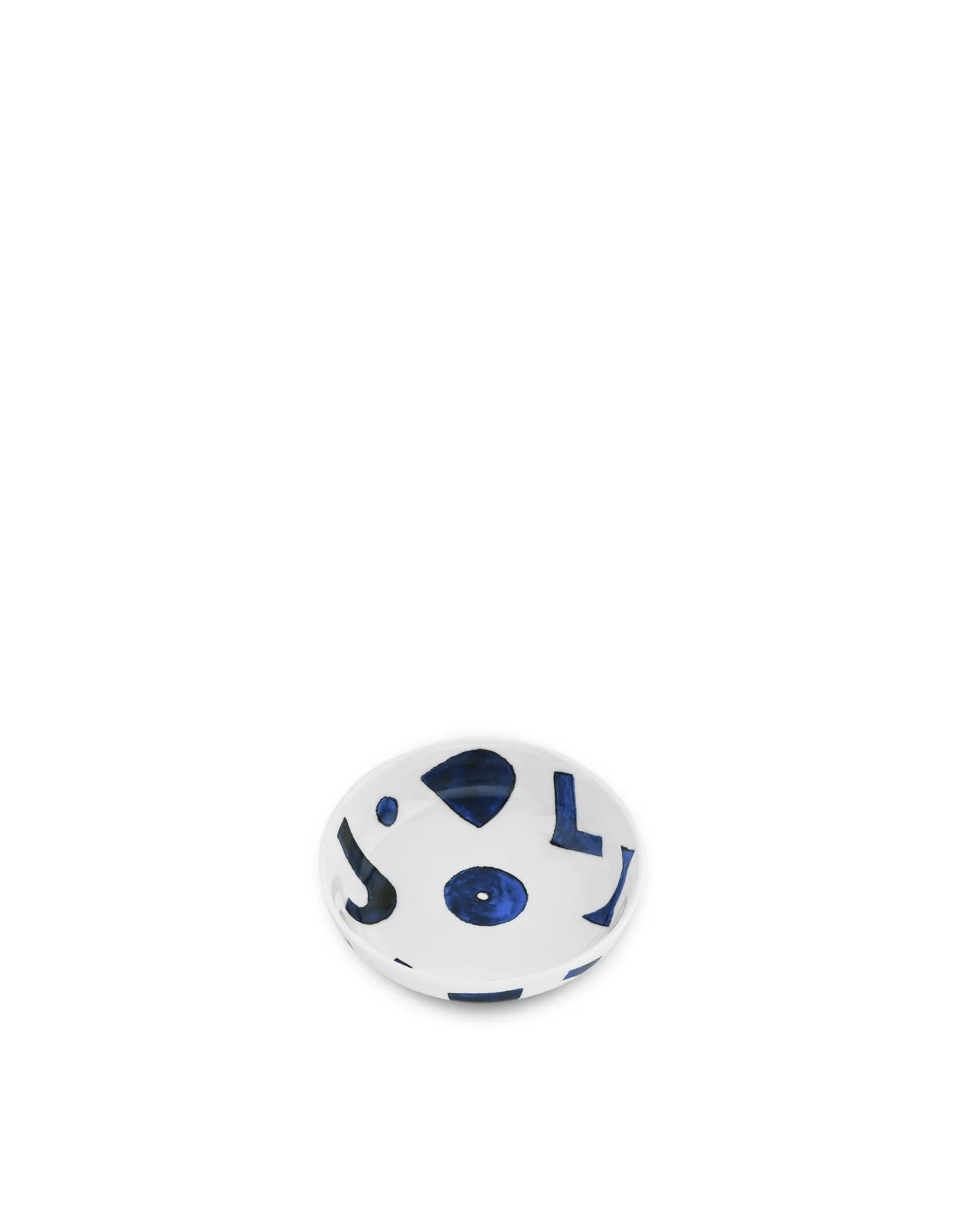
Itsumo pet Yunoki ware
Who should choose a ceramic cat bowl?
Best for
- Cat owners who want a non-toxic, hygienic feeding dish that is easy to clean
- Cats that are sensitive to plastic (chin acne) or dislike the taste of metal bowls
- Owners who prefer a bowl that stays put and does not slide around
Not ideal for
- Very clumsy cats or homes with hard tile floors where breakage is a concern
- Owners who need a lightweight bowl for travel or frequent moving