Quick answer
Choose a stocking made from a durable, washable material with reinforced seams, then size it to the gifts it will actually hold. If you want it to last, buy a stocking that can be personalised and cared for rather than one that only looks good for a single season.
A Christmas stocking is one of the few holiday items you use every single year, so it pays to choose one that will not fray, fade or fall apart after a few Decembers. The right choice comes down to material, size, construction and how you plan to personalise it.
This guide gives you concrete decision rules and trade-offs so you can buy once and keep using the same stocking for years, without guessing at what will actually hold up.
Start with material: what lasts and what does not
Material is the single biggest predictor of how long a stocking will last. Natural fibres such as linen and cotton soften with age and can be washed, while synthetic felt and thin novelty fabrics tend to pill, stretch or tear at the seams. If you want a stocking that still looks good in five years, prioritise a woven fabric with a tight weave and a lining or backing that hides the reverse of any embroidery.
Weight matters as much as fibre. A heavier fabric holds its shape when filled and resists the sagging that makes a stocking look tired. Lightweight fabrics are cheaper and fine for a single season, but they rarely survive repeated filling and emptying.
- Choose washable natural fibres such as linen or cotton for longevity.
- Avoid thin synthetic felt if the stocking will be filled and emptied every year.
- Check the inside: a lined stocking hides stitching and adds structure.
Get the size right for what you actually fill it with
Christmas stocking sizes vary widely, and the right size depends on what you plan to put inside. A small stocking suits small flat gifts such as gift cards, jewellery, stickers or a folded card. A medium stocking handles a mix of small boxed items and soft gifts. A large stocking is best when you want to include bulky items such as clothing, books or a boxed gift set.
Measure the largest gift you expect to place inside, then add a few centimetres of allowance so the stocking is not stretched tight. A stocking that is too small forces you to leave gifts out, while one that is far too large can look empty and lose its shape when only lightly filled.
- Small: gift cards, jewellery, stickers, folded cards.
- Medium: mixed small gifts and soft items.
- Large: clothing, books, boxed gift sets.
- Add a few centimetres of allowance beyond your largest gift.
Check construction details that decide lifespan
Look at how the stocking is put together. Reinforced seams, a secure hanging loop and a folded or bound cuff all add years of use. A hanging loop that is stitched into the seam rather than glued on will survive repeated hanging on a mantel or hook. A cuff that is folded and stitched will not curl or fray the way a raw edge can.
If the stocking has decorative elements such as ribbon, appliqué or a hanging ornament, check that they are securely attached. Loose trims are the first thing to fall off, and once they go the stocking often looks unfinished.
- Look for reinforced seams and a stitched-in hanging loop.
- Prefer a folded or bound cuff over a raw edge.
- Check that trims and ornaments are firmly attached.
Personalisation: make it last by making it yours
A personalised Christmas stocking is more likely to be kept and reused because it belongs to one person. Personalisation can be as simple as a name tag, an embroidered initial or an engraved ornament attached to the stocking. If you want the option to add a name later, choose a stocking with a plain cuff or a removable tag rather than one with a permanent printed name.
For a stocking you intend to keep for years, avoid personalisation methods that cannot be updated. A removable tag or an engraved ornament can be changed or moved, while a printed or glued-on name is permanent and limits the stocking to one person.
- Choose a removable tag or engraved ornament if you may want to change the name.
- Avoid permanent printed names if the stocking might be passed on.
- A plain cuff gives you room to add personalisation later.
Care and storage: the habits that add years
Even a well-made stocking will not last if it is stored badly. Clean it according to the material, then store it flat or loosely rolled rather than crammed into a box with heavy items. Moisture and crushing are the two most common causes of musty smells and creased, misshapen stockings.
If your stocking has a hanging ornament or trim, store it so the decoration is not pressed against anything hard. A breathable cotton bag or a tissue-lined box keeps dust off and lets the fabric breathe.
- Clean according to the material before storing.
- Store flat or loosely rolled, not crushed.
- Use a breathable bag or tissue-lined box.
- Keep heavy items away from delicate trims.
Decision rules for buying a stocking that lasts
- Rule 1: Material first: Choose a washable natural fibre such as linen or cotton with a tight weave. Avoid thin synthetic felt if the stocking will be filled and emptied every year. If the label does not tell you the fibre, treat it as a single-season purchase.
- Rule 2: Size to the largest gift: Measure the biggest gift you expect to place inside and add a few centimetres of allowance. Small suits gift cards and jewellery; medium suits mixed small gifts; large suits clothing, books and boxed sets. If you are between sizes, size up rather than risk leaving gifts out.
- Rule 3: Construction over decoration: Prioritise reinforced seams, a stitched-in hanging loop and a folded or bound cuff. Check that trims and ornaments are firmly attached. A plain stocking built well will outlast a heavily decorated one built cheaply.
- Rule 4: Personalise in a way you can change: Use a removable tag or an engravable ornament rather than a permanent printed name if the stocking may be passed on or reused for someone else. Removable personalisation keeps the stocking flexible for years.
- Rule 5: Store it like you want to keep it: Clean according to the material, then store flat or loosely rolled in a breathable bag or tissue-lined box, away from heavy items. Good storage is the cheapest way to add years to a stocking.
Product facts that help you decide
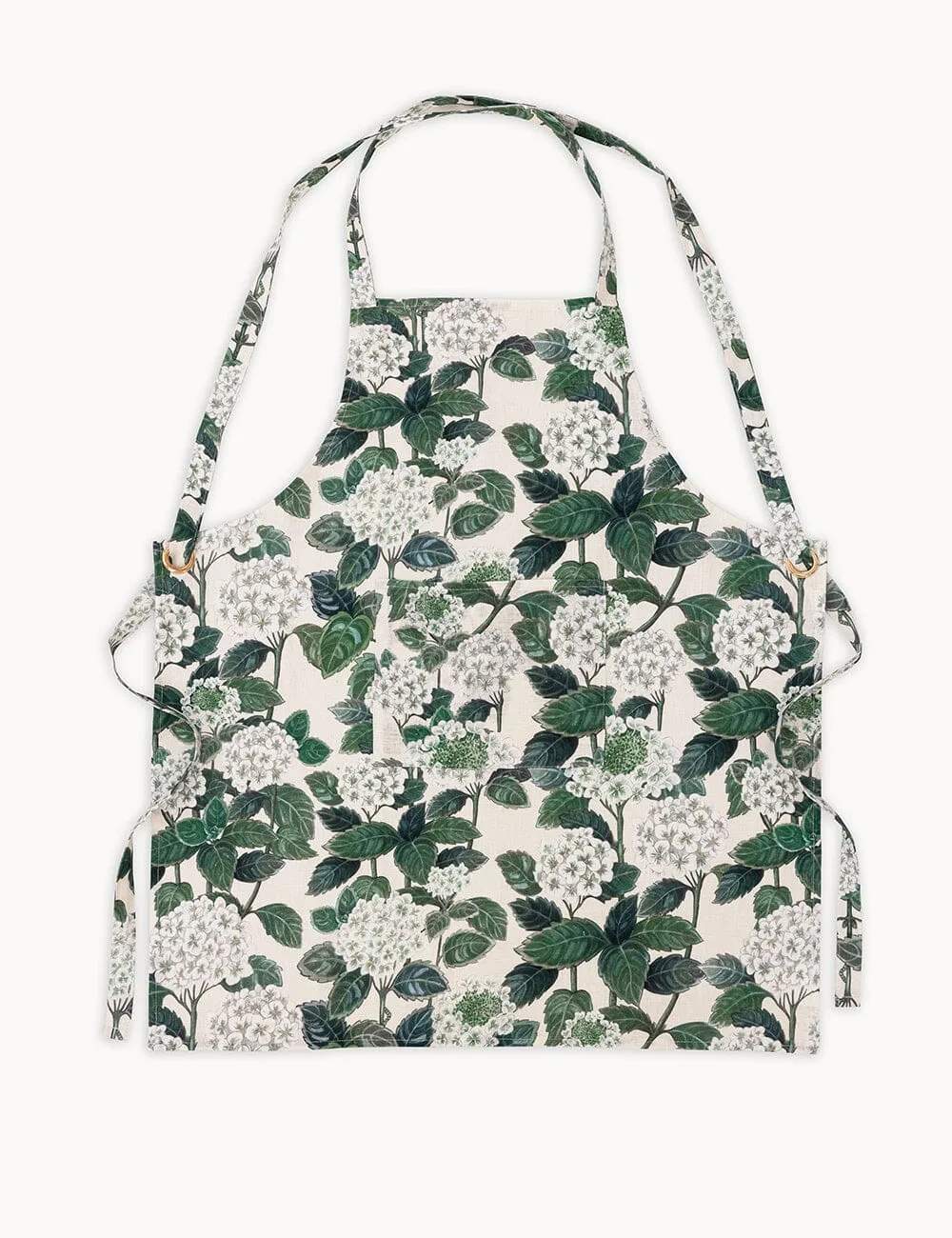
- Hydrangea 100% Linen Apron: Crafted from 100% heirloom quality linen, with gilded gold eyelets, a front pocket and classic cross-back tie straps, supplied folded. It shows the kind of durable natural-fibre construction and metal hardware that lasts, which is the same quality signal to look for in a stocking.
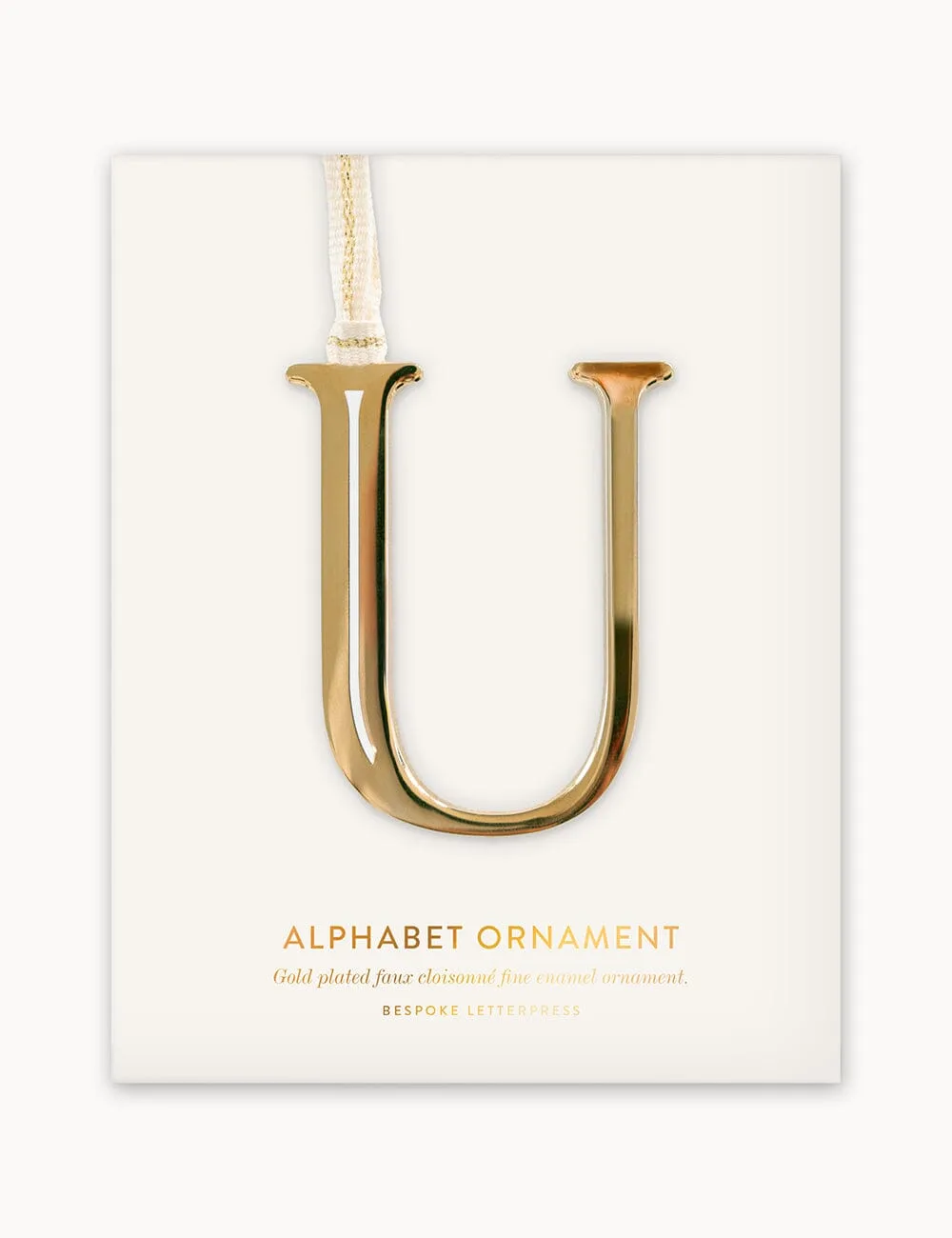
- U - Fine Enamel Alphabet Ornament: A fine enamel alphabet ornament with a fine gold line ribbon, suitable as a decorative gift on a present, on a bag, on a Santa Sack or on a Christmas tree, and the rear can be engraved with your own message via the Laser Engraving Service. It gives you a removable, engravable personalisation option that can be moved or updated, rather than a permanent name printed on the stocking.
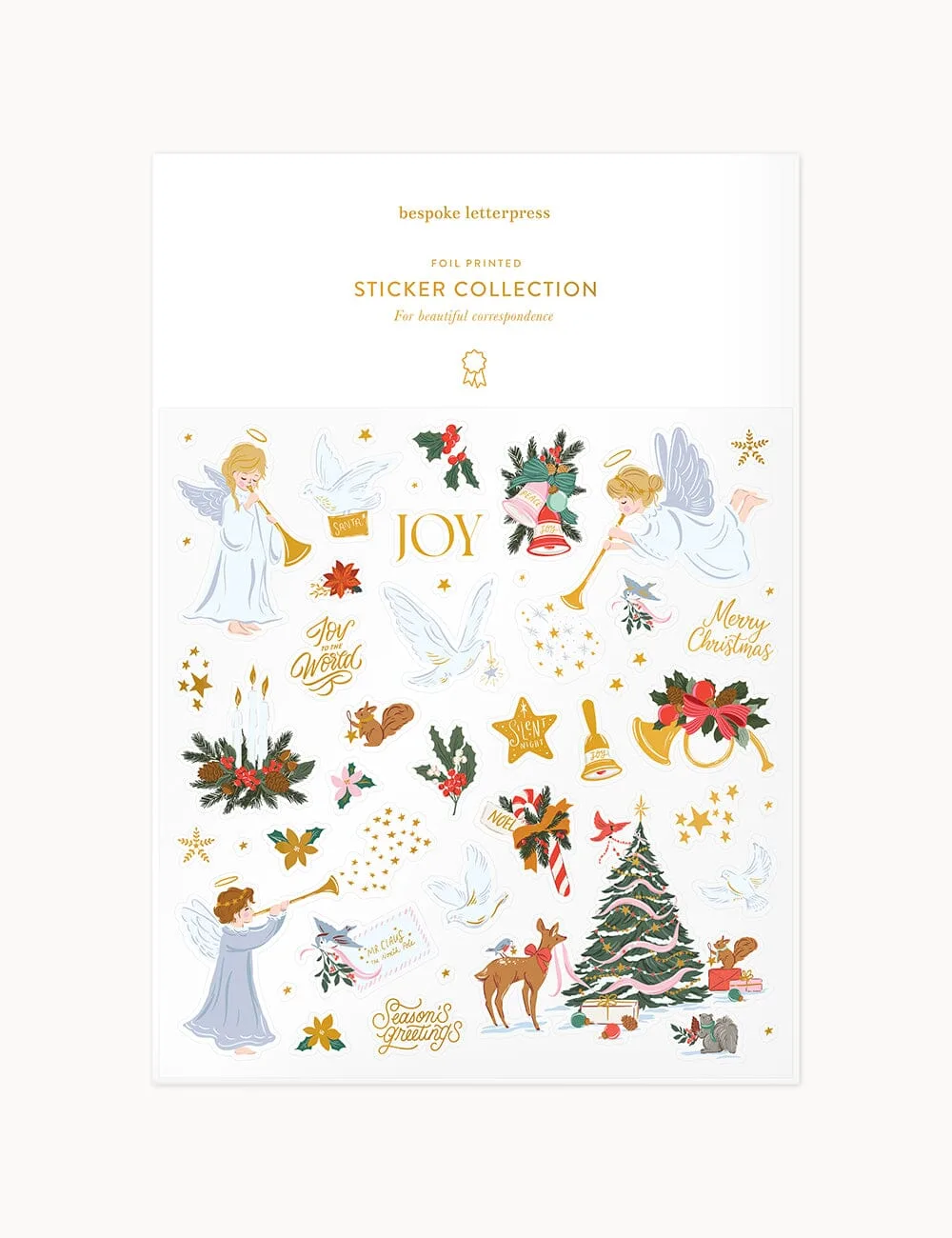
- Christmas Angels Sticker Sheet: One page of foil-printed stickers on clear heavyweight adhesive stock, with an opaque base behind the colours, suitable for decorating gift wrap, cards, planners and journals. Useful for labelling or decorating a stocking tag or gift wrap without altering the stocking itself.
Who this guide is for
Best for
- Buyers who want one stocking they can reuse every Christmas.
- Families who fill stockings with a mix of small gifts and want a size that fits.
- Anyone planning a personalised stocking they may pass on later.
Not for
- Buyers who only need a cheap disposable stocking for a single event.
- Shoppers looking for a specific licensed character design not covered here.
- Anyone who prefers a permanent printed name and never intends to change it.
Choose a washable natural-fibre stocking with reinforced seams, size it to the largest gift you expect to place inside, and personalise it in a way you can change. Do that and you will not need to replace it next December.