Quick Answer
When choosing a collagen supplement, focus on the type (I, II, or III) that matches your goal—skin, joints, or overall—and the source (bovine, marine, or chicken) that fits your dietary preferences. Look for hydrolyzed collagen peptides for better absorption, and check for added ingredients that support your specific needs. Start with a reputable brand that provides transparent sourcing and third-party testing.
Collagen is the most abundant protein in your body, providing structure to your skin, bones, muscles, tendons, and ligaments. As you age, your natural collagen production declines, leading to wrinkles, joint discomfort, and weaker hair and nails. Supplementing with collagen can help counteract these effects, but with so many options on the market, it's easy to feel overwhelmed.
This guide breaks down the key differences between collagen types and sources, explains what to look for on the label, and offers practical decision rules to help you choose the best collagen supplement for your unique needs. Whether you're targeting skin elasticity, joint support, or overall wellness, you'll leave with a clear action plan.
Understanding Collagen Types: Which One Do You Need?
Collagen is not a single protein; it's a family of at least 28 types, but types I, II, and III are the most common in supplements. Type I is the most abundant in your body, found in skin, bones, tendons, and ligaments. It's the go-to for improving skin elasticity, reducing wrinkles, and supporting hair and nail strength. If you're looking for beauty benefits, a Type I collagen supplement is your best bet.
Type II collagen is primarily found in cartilage and is the main type in joint health supplements. It helps support joint comfort and mobility, making it ideal for athletes or those with active lifestyles. Type III collagen often pairs with Type I in skin and blood vessel health. Many supplements combine Types I and III for a comprehensive beauty and wellness formula, while others focus on Type II for joint-specific support.
- Type I: Best for skin, hair, nails, and bones.
- Type II: Best for joint health and mobility.
- Type III: Often combined with Type I for skin and vascular support.
Marine vs. Bovine vs. Other Sources: What's the Difference?
The source of collagen determines its amino acid profile and bioavailability. Marine collagen, derived from fish skin and scales, is rich in Type I collagen and has smaller peptides, which are more easily absorbed. It's a popular choice for skin health and is often considered more sustainable. However, it may have a fishy taste and is not suitable for those with fish allergies.
Bovine collagen, sourced from cows, typically contains Types I and III and is excellent for skin, bones, and tendons. It's generally well-tolerated and affordable, but it's not suitable for vegetarians or those with beef allergies. Chicken collagen is rich in Type II, making it ideal for joint support. Other sources like eggshell membrane collagen are also available but less common. Your choice should align with your dietary preferences and specific health goals.
- Marine: High absorption, ideal for skin, but beware of fish allergies.
- Bovine: Great for skin and bones, often more budget-friendly.
- Chicken: Rich in Type II, perfect for joint health.
Key Factors to Consider When Choosing a Collagen Supplement
Beyond type and source, several other factors can influence the effectiveness of a collagen supplement. Hydrolyzed collagen peptides are broken down into smaller amino acid chains, making them easier for your body to absorb. Look for 'hydrolyzed' or 'collagen peptides' on the label. Additionally, consider the dosage—most studies use 2.5-15 grams per day, so choose a product that provides an effective amount per serving.
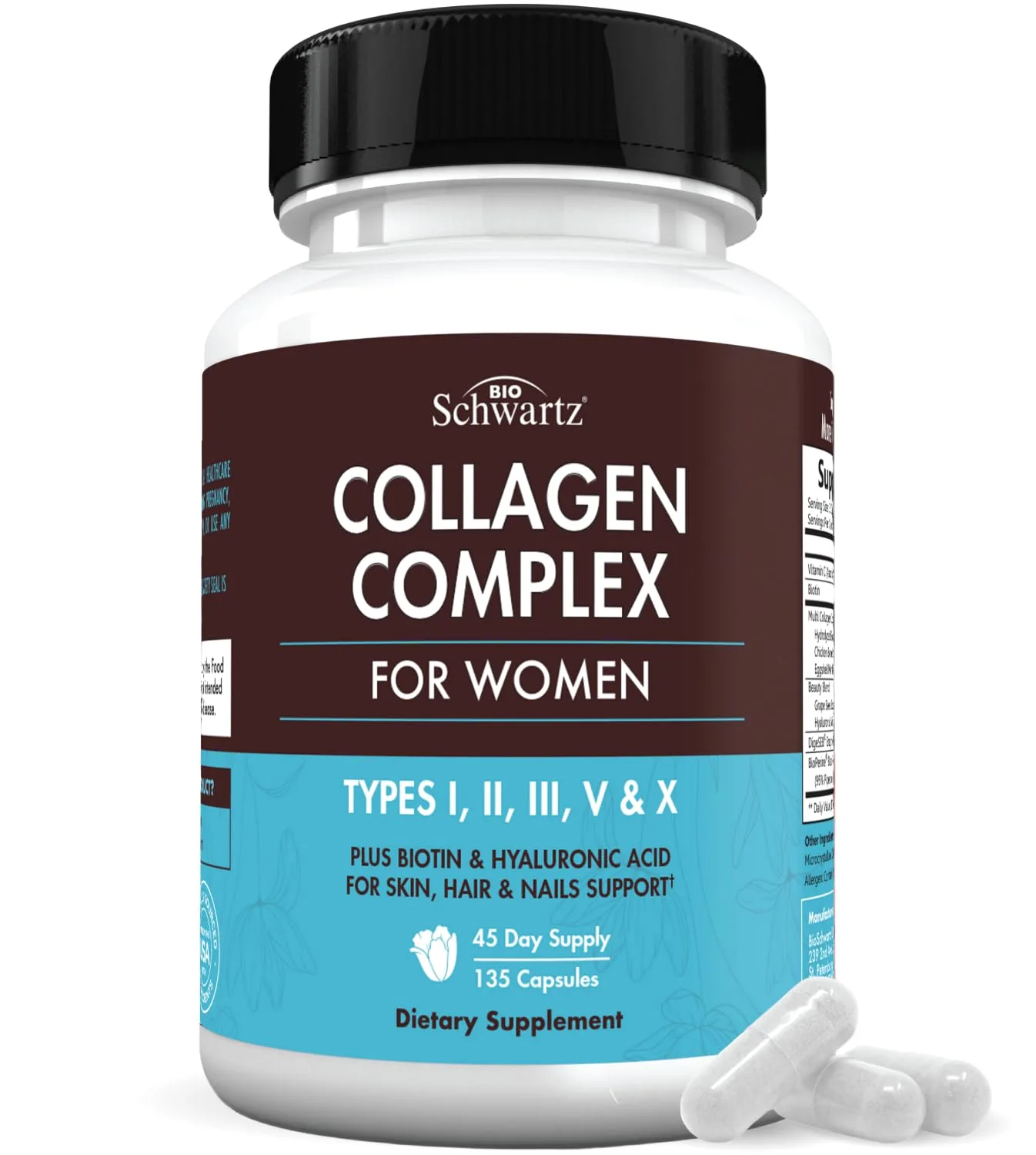
Check for added ingredients like vitamin C, which is essential for collagen synthesis, or hyaluronic acid and biotin for extra skin benefits. Also, consider the form: powder, capsules, or liquids. Powders are versatile and can be added to drinks, while capsules are convenient for on-the-go use. Finally, always choose a brand that uses third-party testing to ensure purity and potency.
- Hydrolyzed collagen peptides absorb better.
- Dosage: 2.5-15 grams per day is typical.
- Look for vitamin C, hyaluronic acid, or biotin for enhanced benefits.
- Choose a form that fits your lifestyle: powder, capsules, or liquid.
Decision Rules for Choosing Your Collagen
- Goal: Skin, Hair, and Nails: Choose a Type I collagen supplement, preferably marine or bovine, with added vitamin C for synthesis. Look for 'Type I' or 'Types I & III' on the label.
- Goal: Joint Health: Opt for Type II collagen, often sourced from chicken, to support cartilage and mobility. If you have joint discomfort, prioritize Type II.
- Dietary Preference: If you're pescatarian, choose marine collagen; if you avoid fish, choose bovine or chicken. Always check the source to match your dietary needs.
Collagen Supplements at BioSchwartz
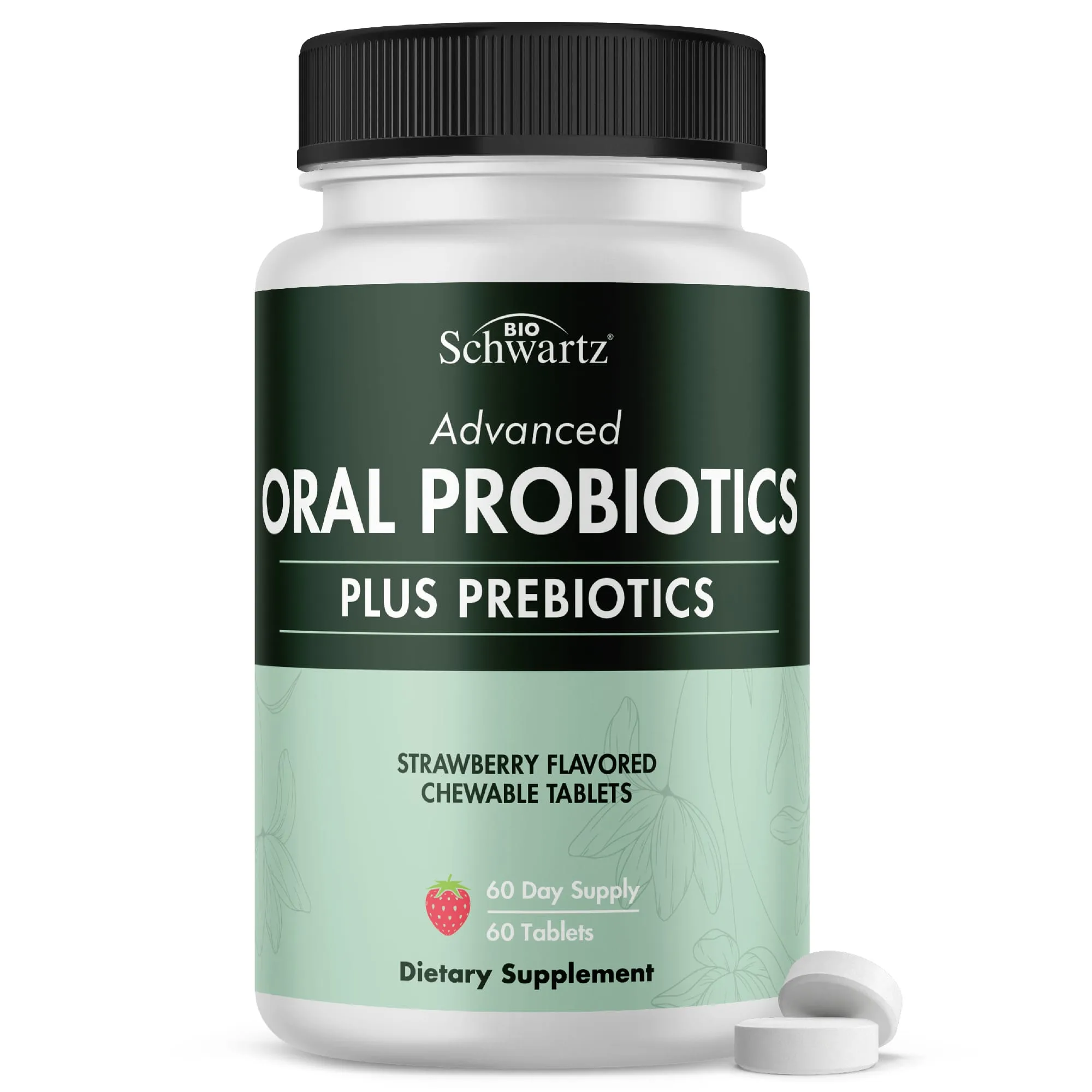
- Oral Probiotic, Strawberry: Our oral probiotics feature triple the probiotic strains plus prebiotics (inulin), helping to keep your teeth and gums healthy while fighting bad breath. While not a collagen supplement, a healthy oral microbiome supports nutrient absorption and overall wellness, complementing your collagen routine.
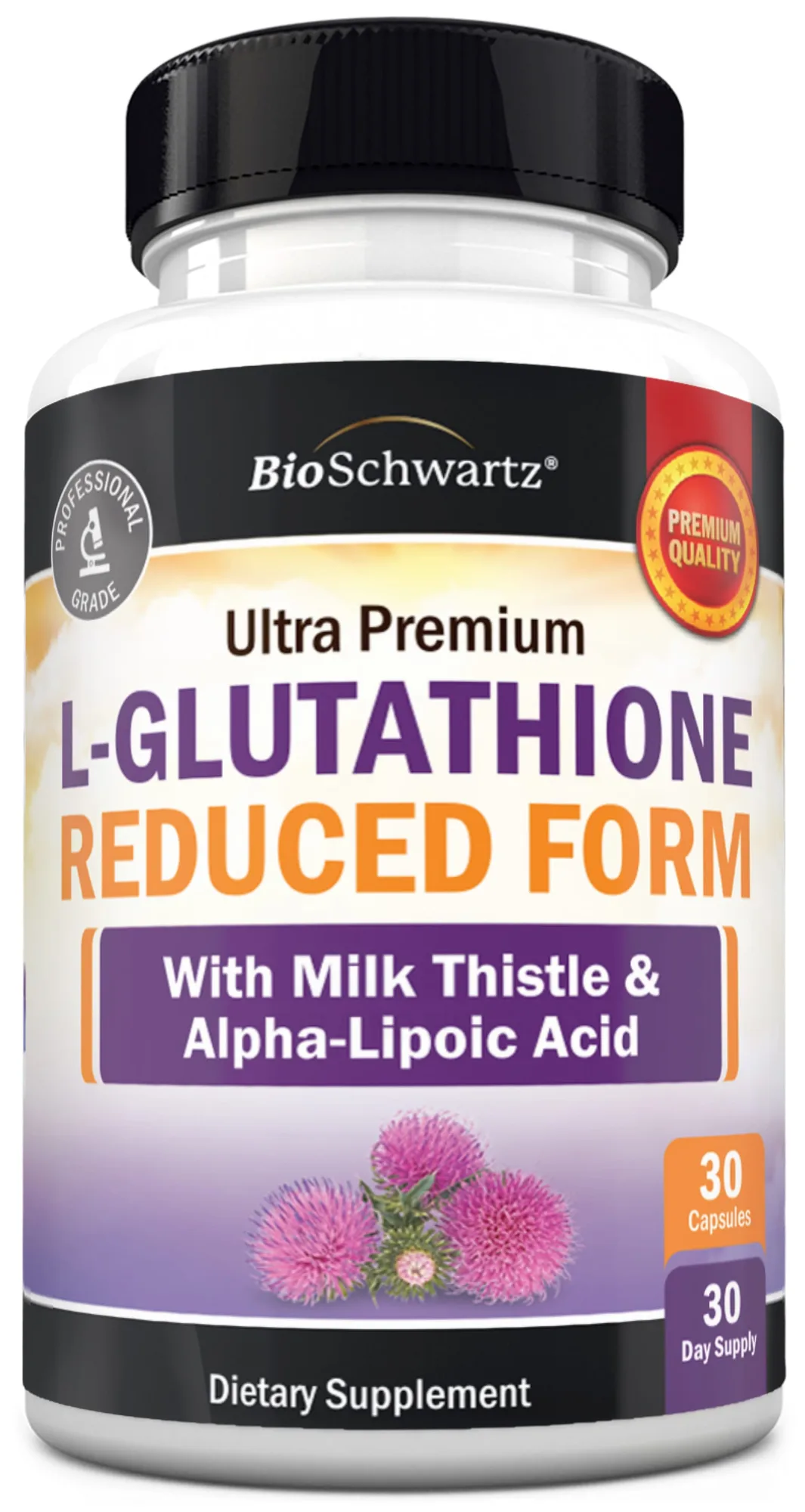
- L-Glutathione Capsules: Elevate your body's natural defense mechanism with our premium reduced glutathione supplement, providing 500mg of potent glutathione, 100mg milk thistle extract and 50mg alpha lipoic acid per capsule. Glutathione is a master antioxidant that can protect collagen from oxidative damage, making it a smart addition to your collagen regimen.
Who Should Choose What
Best For
- Individuals focused on skin elasticity and anti-aging: choose Type I marine or bovine collagen.
- Active individuals or those with joint discomfort: choose Type II collagen from chicken or a blend.
Not For
- Strict vegetarians or vegans: collagen is animal-derived, so consider plant-based alternatives.
- Those with allergies to specific sources: check for fish or beef allergies before purchasing.
Choosing the right collagen supplement doesn't have to be complicated. By understanding the different types and sources, and considering your specific goals, you can make an informed decision that supports your health. Remember to look for hydrolyzed peptides, check for added beneficial ingredients, and choose a reputable brand. For a boost to your overall wellness, consider adding an antioxidant like L-Glutathione to your routine to protect your collagen investment.