Start with How You Navigate
A compass is a simple tool, but the right one depends on the terrain you cover and how you plan to use it. Hikers on well-marked trails may only need a basic baseplate compass, while off-trail navigators or professionals benefit from features like a mirror sight and adjustable declination.
The two compasses we cover here represent opposite ends of that spectrum: the Silva Starter 1-2-3 is built for beginners and casual day hikes, while the Silva Ranger 2.0 is designed for experienced users who need precision in demanding terrain.
Starter 1-2-3 vs Ranger 2.0: Key Differences
These two compasses serve different users. Here is how they compare on the features that matter most for navigation.
- Ease of use: The Starter 1-2-3 uses the Silva 1-2-3 System, a simple three-step method for setting a bearing and following it. The Ranger 2.0 is an advanced mirror sighting compass that requires more skill to use effectively.
- Declination adjustment: The Starter 1-2-3 has a declination scale inside the capsule but no adjustable declination. You must add or subtract declination manually. The Ranger 2.0 likely includes adjustable declination (a key feature for serious navigation), but this is not confirmed in the supplied information.
- Sighting accuracy: The Ranger 2.0 includes a mirror for precise sighting of landmarks, which greatly improves bearing accuracy. The Starter 1-2-3 is a baseplate compass without a mirror, making it less precise for long-distance navigation.
- Durability and conditions: The Starter 1-2-3 is waterproof and suitable for rain or shine. The Ranger 2.0 is described as durable and built for high demands, but specific weather ratings are not supplied.
Two Compasses at a Glance
-
Starter 1-2-3 Compass: Simple baseplate compass for novice adventurers. Waterproof construction. Includes detachable lanyard and map scales in mm and inches. Dimensions: 2.9 x 3.5in, weight: 1oz. 5-year warranty. This is a lightweight, affordable option for beginners or day hikers who want a reliable compass without extra features.
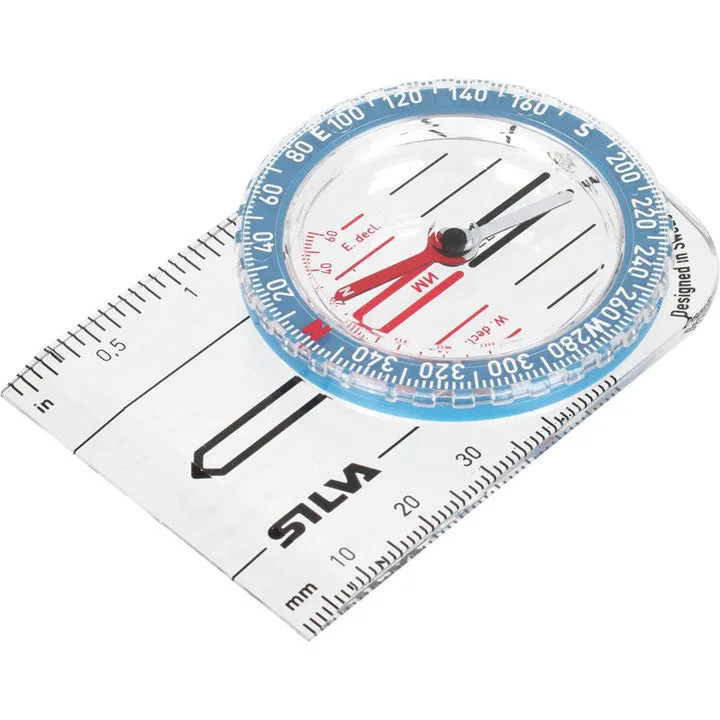
Starter 1-2-3 Compass
-
Ranger 2.0 Compass: Advanced mirror sighting compass for experienced users and professionals with high demands on accuracy, precision and durability. The mirror sighting capability makes this compass suitable for precise navigation in challenging terrain where accurate bearings are critical.
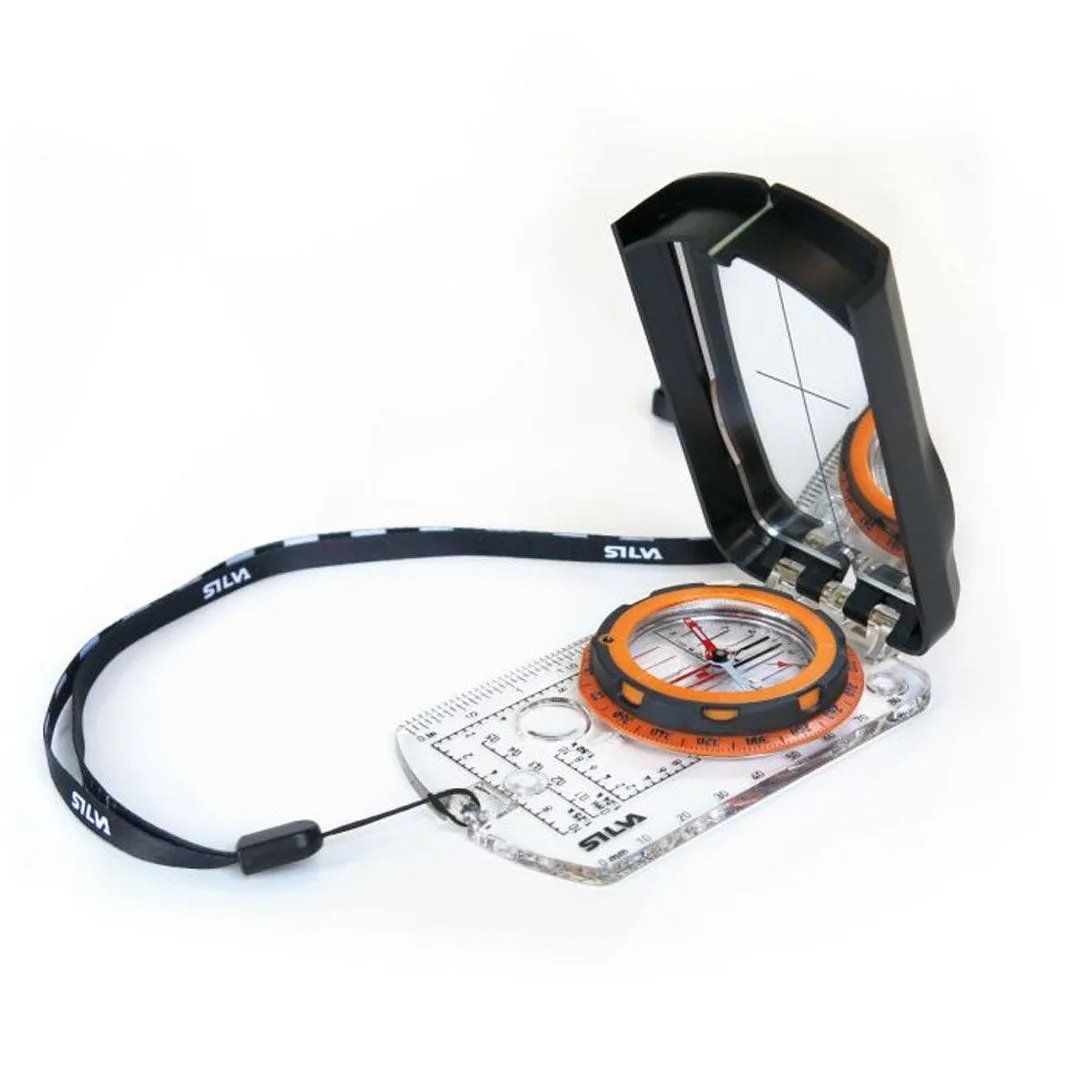
Ranger 2.0 Compass
When to Choose the Starter 1-2-3
The Starter 1-2-3 is a good choice if you are new to map and compass navigation, or if your hikes follow well-marked trails where you only need a basic bearing. Its simple three-step system reduces the learning curve, and the waterproof build means you do not have to baby it in wet conditions. At $12.00, it is also easy on the wallet. The trade-off is that you cannot adjust for declination directly, so you will need to calculate magnetic declination manually—a manageable task for most recreational hiking.
When the Ranger 2.0 Makes Sense
If you navigate in remote or off-trail terrain, or if you use a compass for professional work, the Ranger 2.0 is built for that. The mirror sighting allows you to take accurate bearings on distant landmarks, which is essential when trails are absent or visibility is low. The supplied information does not confirm adjustable declination, but mirror sighting compasses in this class typically include it. At $37.49, it costs more than three times the Starter, but the added precision and durability justify the price for demanding users.
What to Look for in Any Compass
Beyond these two models, here are the features to consider when choosing any hiking compass:
A clear, rotating bezel with degree markings. A liquid-filled capsule that dampens needle movement for quick readings. Map scales (both mm and inches) on the baseplate for measuring distances. A lanyard or attachment point so you do not lose it. For serious navigation, adjustable declination and a sighting mirror are valuable additions.
The best compass is the one you carry and know how to use. A simple model that you practice with is better than an advanced one left at home.