What Makes a Hairball Soft Chew Effective?
When your dog is dealing with hairballs, a soft chew can be a convenient and palatable option. The key is to look for ingredients that help move hair through the digestive tract and reduce the formation of hairballs. Mineral oil is a common active ingredient that acts as a lubricant, helping hair pass more easily. Some chews also include Black Pepper Extract (BioPerine®), which may support the absorption of other nutrients.
Not all hairball chews are the same. The best choice for your pet depends on their size, chewing habits, and any dietary restrictions. Always check the ingredient list and any manufacturer instructions for proper use.
Product Facts: Hairball Soft Chews
-
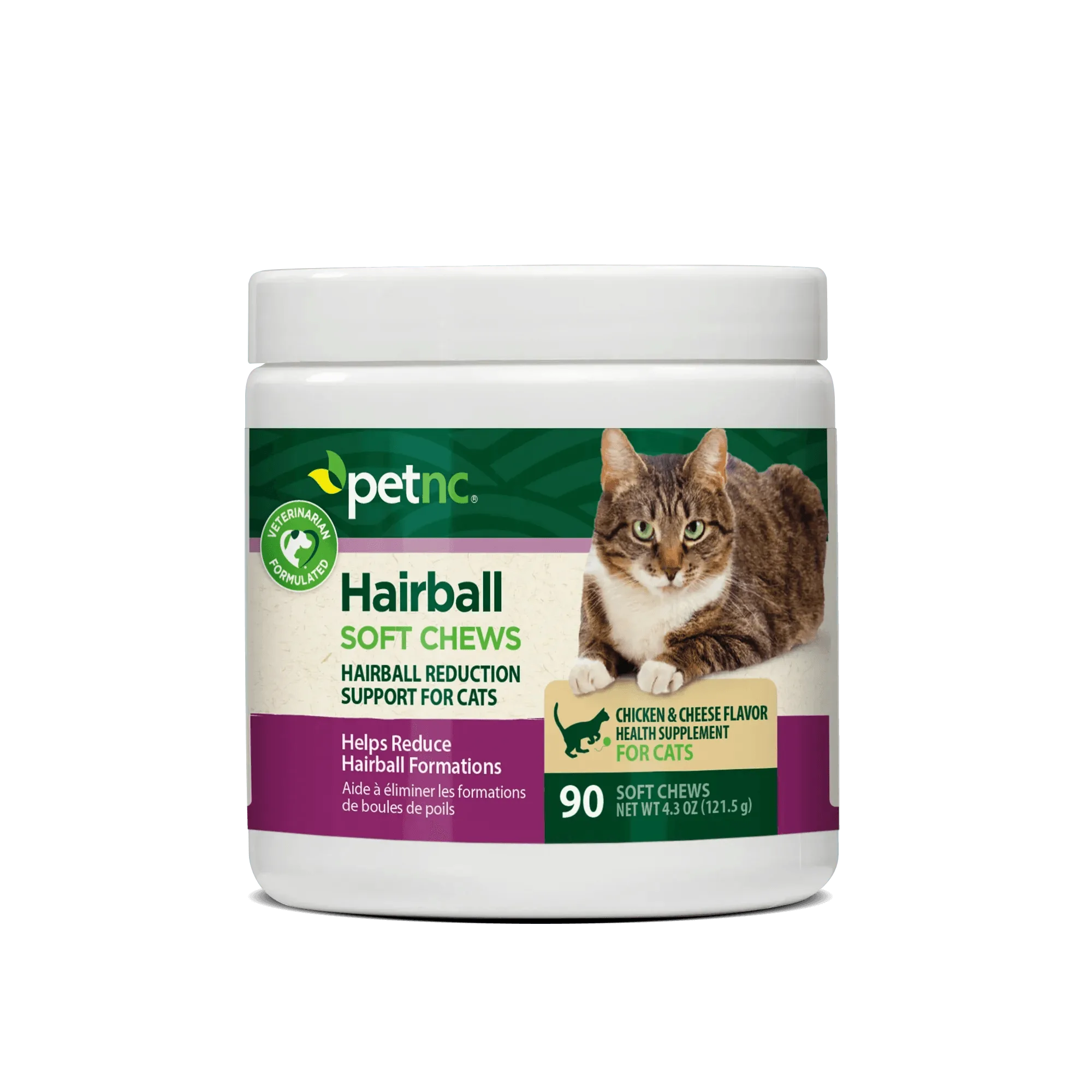
Hairball Soft Chews: Petnc Hairball Soft Chews are made with active ingredients like Mineral Oil and Black Pepper Extract (BioPerine®) that are meant to help reduce your cat's hairballs. These ingredients target the root cause of hairballs by lubricating the digestive tract and potentially improving nutrient absorption.
Hairball Soft Chews
-
Hairball Soft Chews: Chicken and cheese flavor also makes these a delicious treat for your feline to enjoy. A palatable flavor increases the likelihood that your pet will accept the chew without a struggle, making administration easier.
Key Ingredients to Look For
When comparing hairball soft chews, focus on the active ingredients. Mineral oil is a well-known lubricant that helps hair pass through the system. BioPerine (black pepper extract) is sometimes added to enhance the absorption of other ingredients. Some chews also include fiber sources like psyllium or pumpkin to help move hair along.
Avoid products with artificial colors or excessive fillers that may not contribute to hairball relief. The ingredient list should be straightforward and targeted.
How to Choose the Right Hairball Soft Chew
Follow these steps to select a chew that matches your pet's needs.
- Check the active ingredients: Look for mineral oil or other lubricants that help hair pass through the digestive tract. BioPerine is a plus for potential absorption support.
- Consider flavor and texture: Soft chews come in various flavors. Chicken and cheese are popular and often well-accepted by pets. A tasty chew reduces resistance at feeding time.
- Verify quality and testing: Choose products that are veterinary formulated and laboratory tested, as indicated on the label. This provides assurance of consistency and safety.
- Read the feeding instructions: Always follow the recommended dosage on the package. Some chews are meant to be given daily, while others may be used as needed. The supplied information for this product does not specify exact dosage, so consult the package or your veterinarian.
What the Supplied Information Does Not Tell You
The available product details do not include a specific dosage schedule, age recommendations, or warnings for dogs. While the product is marketed for cats, similar principles apply when choosing a hairball chew for dogs. Always consult your veterinarian before starting any new supplement, especially if your pet has underlying health conditions or is on medication.
If you are unsure about the right product for your dog, consider starting with a small quantity to see how they respond. Monitor for any adverse reactions and discontinue use if problems arise.