Quick answer
For concealed carry, choose a belt with a rigid, non-rolling strap and micro-adjustable fit—like a ratchet belt—to keep your holster stable and comfortable all day.
Stiffness matters more than you think
A gun belt needs to hold the weight of your firearm and holster without sagging or rolling over. If the belt twists, your holster moves, which can compromise your draw and comfort. Look for a belt with a stiff, supportive strap—often reinforced with nylon or a rigid core—that resists bending under load.
Not all stiff belts are equal. Some are too rigid for all-day wear, while others lose stiffness after months of use. A good gun belt should feel firm but not dig into your waist. If you carry appendix, you may prefer a slightly more flexible belt that contours to your body, while strong-side carriers often want maximum rigidity.
Micro-adjustment beats fixed holes
Traditional belts with holes force you to choose between too tight and too loose. That quarter-inch difference can make or break concealed carry comfort, especially when you sit, bend, or drive. A ratchet belt lets you dial in a precise fit, so the belt stays snug without cutting off circulation.
This adjustability also helps when your carry position shifts—say, when you move from standing to sitting. With a ratchet belt, you can fine-tune the tension in seconds without unbuckling.
Style and concealment go hand in hand
Your belt should not scream 'I'm carrying.' A tactical-looking belt can print or attract attention. Many EDC ratchet belts are designed to look like ordinary dress or casual belts, so you can carry discreetly in professional or social settings. Consider the finish, buckle size, and leather color to match your wardrobe.
Buckle design also affects comfort. A bulky buckle can dig into your abdomen when carrying appendix. Look for a low-profile buckle that sits flat and can be positioned off-center if needed.
Decision rules for choosing your concealed carry belt
- Assess your carry position: Appendix carriers: choose a belt with a compact buckle and some flexibility for comfort. Strong-side carriers: prioritize maximum stiffness to keep the holster stable. Know your carry position before you shop.
- Check stiffness and support: Look for a belt that doesn't roll or bend under the weight of your firearm. Avoid flimsy belts that sag or twist. Test stiffness by holding the belt horizontally—it should stay straight.
- Prioritize micro-adjustment: Choose a ratchet belt for fine-tuned fit. Fixed-hole belts often leave you between sizes, which hurts comfort and concealment. Micro-adjustment is a must for all-day carry.
- Match your wardrobe: Select a belt that looks like a normal belt—avoid tactical buckles or shiny hardware that prints. Choose leather or nylon based on your daily attire. Concealment is not just about the firearm; the belt must not draw attention.
Gun belts worth considering
-
XL Supreme Black EDC Ratchet Belt 1.5" [38mm]: The Supreme Appendix belt features the most compact buckle design and an incredibly adjustable latch system, designed specifically for appendix carry. If you carry appendix, this belt's low-profile buckle and micro-adjustment help keep your firearm and magazines comfortable and secure up front.
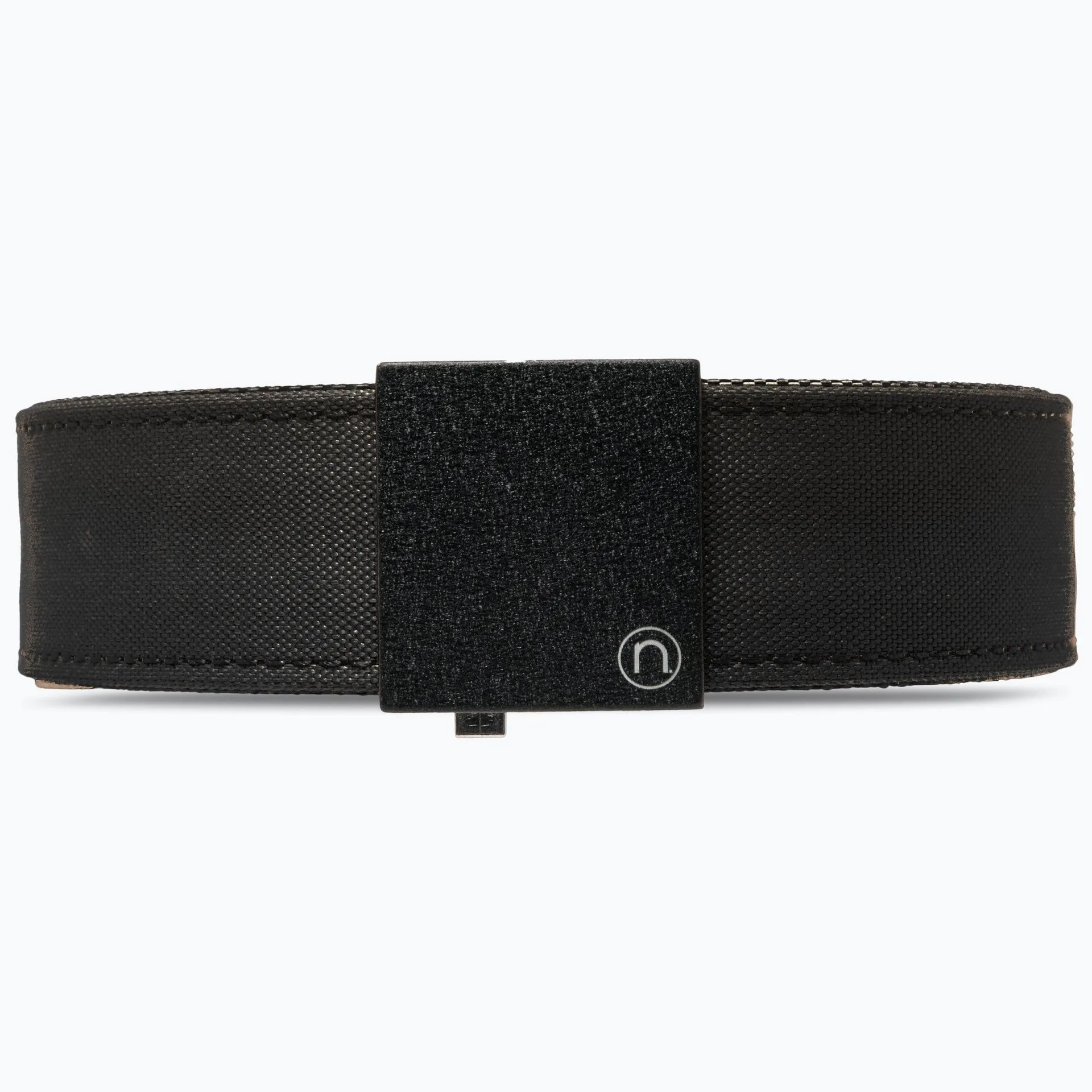
XL Supreme Black EDC Ratchet Belt 1.5" [38mm]
-
Rogue Espresso EDC Ratchet Belt 1.5" [38mm]: The EDC Rogue uses stainless steel fasteners instead of pins and is designed to blend in, so it doesn't reveal that you're carrying. For discreet everyday carry, this belt looks like a regular belt while providing the stiffness and durability you need.
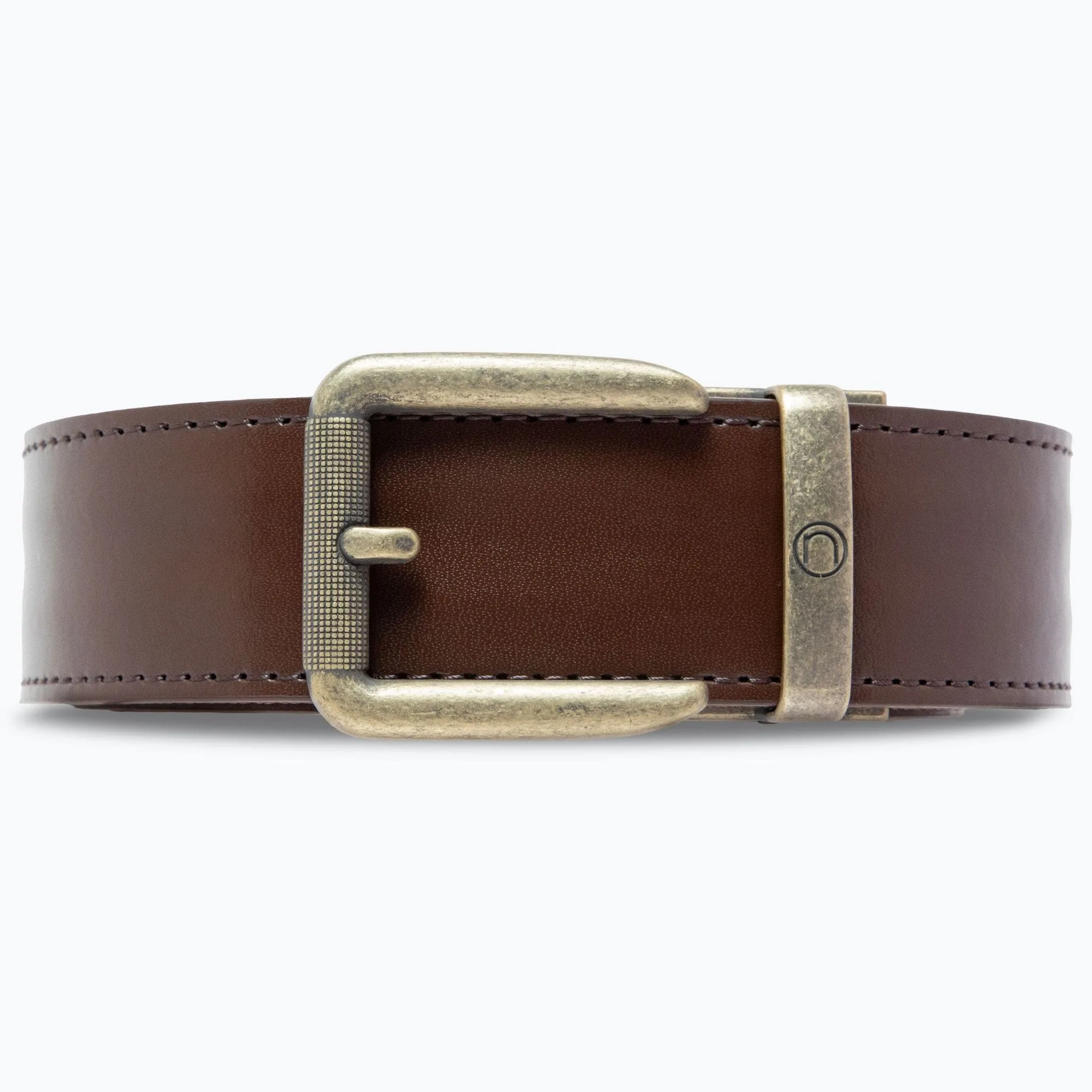
Rogue Espresso EDC Ratchet Belt 1.5" [38mm]
Who should choose what
Best for
- Appendix carriers who want a compact, low-profile buckle and micro-adjustment for comfort
- Professionals who need a dress belt that conceals a firearm without looking tactical
Not for
- Those who prefer a traditional leather belt with a standard buckle and don't need micro-adjustment
- Heavy-duty duty carriers who require a rigid, load-bearing belt with a Cobra-style buckle