Quick answer
For most businesses, choose a hand sanitiser with at least 70% alcohol and a format that encourages regular use—gel for cost-efficiency, foam for skin comfort and higher compliance.
Why alcohol concentration matters
The alcohol content is the single most important factor in a hand sanitiser's effectiveness. A 70% alcohol formulation meets hospital specification and is widely recognised as a reliable standard for killing germs while remaining skin-friendly. Lower concentrations may not provide the same level of disinfection, so check the label before buying.
For workplaces where hand hygiene is critical—such as healthcare, food handling, or childcare—a sanitiser with 70% alcohol gives you confidence that the product meets a recognised benchmark.
Gel versus foam: what changes in practice
Gel sanitisers are the classic choice: they are straightforward to apply, cost-effective in bulk, and work well in wall-mounted dispensers. Foam sanitisers, on the other hand, are dispensed as a foam that spreads quickly and dries faster, which can encourage staff and visitors to use it more consistently.
The trade-off is cost. Foam sanitisers are often more expensive per litre than gels, but they can improve compliance because they feel less sticky and are easier to rub in. If your priority is keeping costs down, a gel may be the better fit; if you want to boost usage, foam is worth the extra spend.
Decision rules for choosing your sanitiser
- Check the alcohol content: Look for a sanitiser with at least 70% alcohol. This is the benchmark for effectiveness in commercial settings, especially where hygiene standards are high. If the label doesn't state the alcohol percentage, treat it as a red flag and choose a product that does.
- Match the format to your usage: Use a gel for cost-efficient bulk dispensing in high-traffic areas. Use a foam for settings where you want to encourage frequent use and reduce skin irritation. If your team complains about sticky hands, switching to foam may improve compliance.
- Consider the container size and refill needs: Choose a pack size that fits your dispensers and your expected usage. Larger refill bottles (like 500ml or 1L) reduce the frequency of reordering and lower cost per use. Calculate your weekly usage to estimate how often you'll need to reorder.
- Prioritise skin-friendliness for regular use: If staff or visitors use the sanitiser many times a day, choose a formula that is kind to skin. Foam sanitisers are often formulated to be skin-friendly, which can reduce irritation and encourage consistent use. If dry skin is a complaint, test a foam formula before committing to a large order.
Products to consider
-
Hand sanitiser – 70% Alcohol – 6x500ml: A 70% alcohol hospital specification clear hand sanitizing gel. This gel is a cost-effective choice for businesses that need a recognised 70% alcohol formula in larger volumes.
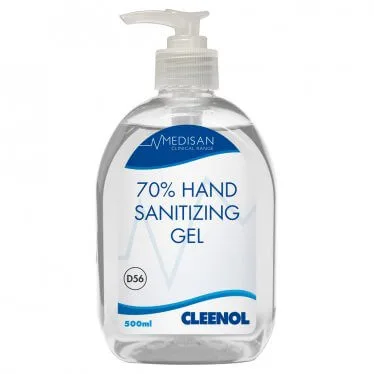
Hand sanitiser – 70% Alcohol – 6x500ml
-
Deb Instantfoam Complete Hand Sanitiser 6x1Ltrs: An alcohol-based hand sanitiser dispensed as a foam, ideal for healthcare environments where high levels of hand hygiene are vital; kills 99.999% of many common germs while being skin friendly. The foam format is designed to encourage frequent use and is suited to workplaces where hand hygiene compliance is a top priority.
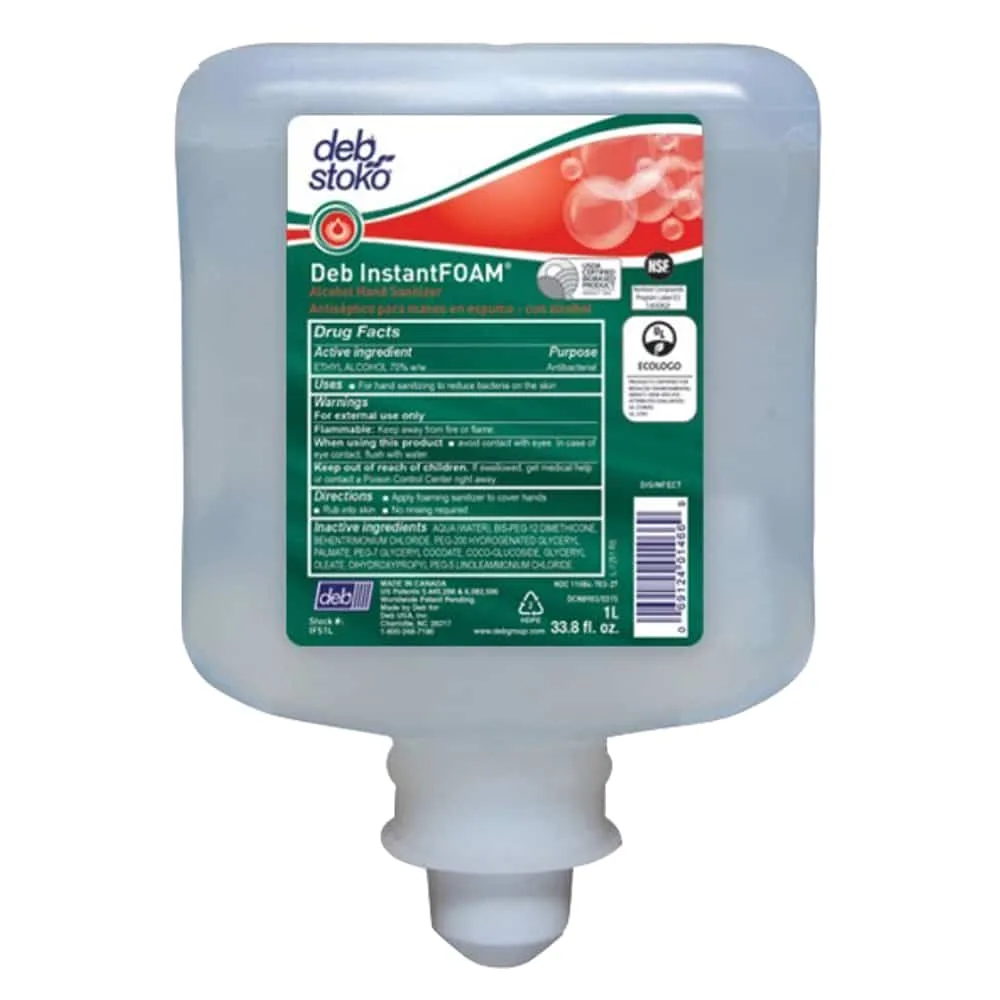
Deb Instantfoam Complete Hand Sanitiser 6x1Ltrs
Which type fits your business?
Best for
- Businesses on a budget that need a reliable 70% alcohol gel in bulk
- Healthcare, food service, or childcare settings where high hygiene standards are mandatory
Not for
- Workplaces where staff use sanitiser very frequently and need a gentler, quicker-drying option—consider a foam instead