What You Need from a Cockpit Cover
A kayak cockpit cover keeps weather, debris, and critters out of your boat when it's not on the water. But not all covers do the same job. Some are built for long-term outdoor storage, others for protecting your kayak during transport on a car roof rack. Your choice depends on where and how you use your kayak between paddles.
The main trade-off is between stretchy neoprene covers that fit many cockpit shapes and nylon covers with straps that secure tightly for travel. Below we break down three options so you can match a cover to your actual needs.
Three Cockpit Covers at a Glance
-
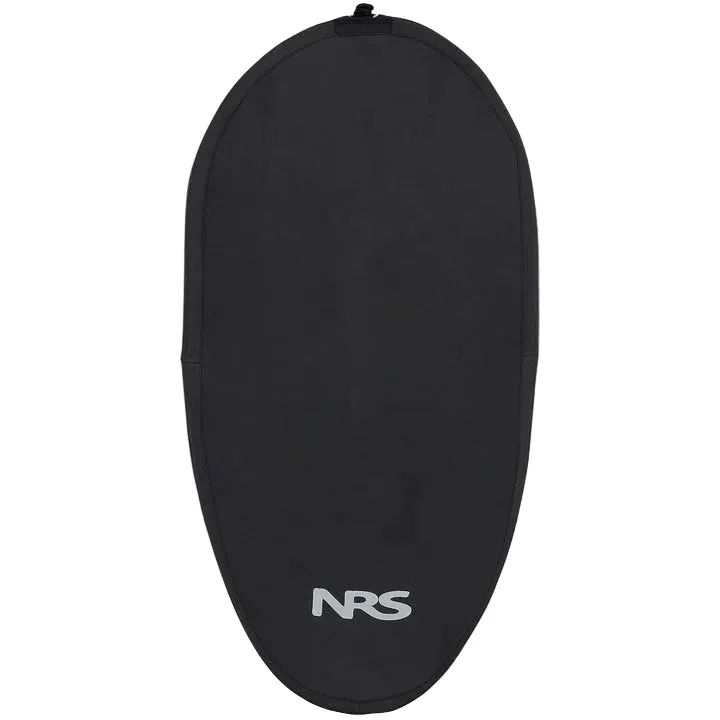
Super Stretch Neoprene Kayak Cockpit Cover: The NRS Super Stretch Neoprene Cockpit Cover is made from 1.5-mm smooth-skin neoprene and stretches over any kayak cockpit. It uses an adjustable shock cord to snugly fit the cockpit combing. Available in two sizes: Universal (28"–40" cockpit length) and Large Universal Plus (40"–57" length, width up to about 24"). Neoprene stretches to fit a wide range of cockpit shapes, making it a great choice if you have an odd-sized cockpit or want a cover that seals tightly against weather and pests.
Super Stretch Neoprene Kayak Cockpit Cover
-
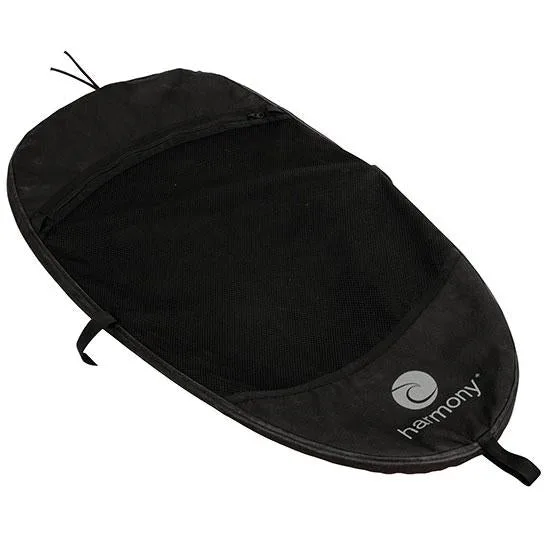
Portage Kayak Cockpit Cover: The Harmony Portage Cover includes built-in 1" cam straps that secure the cover even while driving. It is designed for worry-free transportation and outdoor storage. The built-in straps make this cover ideal if you regularly transport your kayak on a roof rack and want a cover that won't blow off at highway speeds.
Portage Kayak Cockpit Cover
-
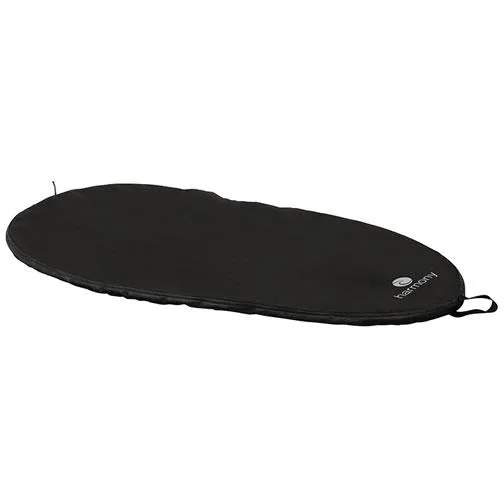
Kayak Cockpit Cover: The Harmony Cockpit Cover is made of durable 410-denier nylon with double-stitched and sealed seams. It is water-resistant yet breathable, with an adjustable shock cord rim. This product is discontinued and has limited availability. A solid basic cover for outdoor storage at a lower price point, but not recommended for car-top transport and may be harder to find due to discontinuation.
Storage vs. Transport: Which Cover Fits Your Use?
If you store your kayak outdoors, a cover that seals out rain, snow, leaves, and bugs is key. The neoprene cover (NRS Super Stretch) excels here because its smooth-skin material sheds water and resists abrasion, and the shock cord adjusts for a snug fit. The basic nylon cover (Harmony Cockpit Cover) is also a good storage option—it's water-resistant and breathable, which helps prevent moisture buildup inside the cockpit.
If you transport your kayak on a car roof rack, you need a cover that stays put at speed. The Harmony Portage Cover is the only one of these three with built-in cam straps, designed to secure the cover even while driving. The neoprene cover can be used for transport in a pinch, but it relies on a shock cord and stretching, not straps. The basic nylon cover is explicitly not recommended for car-top transport.
There is no do-it-all cover. For most paddlers who store outdoors and occasionally transport, the neoprene cover offers the best all-around protection. If you drive to the put-in every time, the portage cover's straps are worth the extra cost.
- Best for outdoor storage: NRS Super Stretch Neoprene (seals tightly, sheds water) or Harmony Cockpit Cover (water-resistant, breathable)
- Best for car-top transport: Harmony Portage Cover (built-in cam straps secure it while driving)
- Not recommended for transport: Harmony Cockpit Cover (explicitly not recommended for car-top transport)
Getting the Right Fit
Fit is the most important factor in a cockpit cover. A loose cover can flap in the wind or let in rain, while a cover that's too small may not stay on at all.
For the neoprene cover, you only need to measure the length of your cockpit. The NRS Super Stretch comes in two sizes: Universal fits cockpits 28" to 40" long, and Large Universal Plus fits 40" to 57" long (width up to about 24"). The manufacturer notes that at the upper end of each size range, the cover can be a tight fit. If you're near the top of a range, expect some initial stretching—leave the cover on for at least 24 hours to let it conform.
The portage and basic nylon covers require measuring from the outside of the cockpit rim. Sizes for these covers are given as two numbers (e.g., 32/18 for the Portage Cover). Check your cockpit length and width against the available sizes. The basic nylon cover also comes in various sizes for solo and tandem kayaks.
If your cockpit is an unusual shape or size, the neoprene cover's stretch makes it the most forgiving option.
Material and Durability Considerations
Neoprene (1.5-mm smooth-skin) is flexible, abrasion-resistant, and sheds water well. It's the best choice if you want a cover that lasts through seasons of outdoor storage and occasional transport. The trade-off is a higher price.
The basic nylon cover (410-denier nylon with double-stitched and sealed seams) is lighter and more affordable, but less durable against sharp objects or prolonged UV exposure. It's a good budget option for covered storage or garage use.
The portage cover's material is not specified in the available information, but its built-in straps and cam-buckle system add durability where it matters most: during transport.
What the Records Don't Tell You
The available information does not include exact weight, foldability, or UV resistance ratings for any of these covers. If you plan to store your kayak in direct sunlight for months at a time, consider that neoprene may degrade faster than nylon. For occasional use, any of these covers should perform well.
The basic nylon cover is discontinued, so availability is limited. If you find one in your size, it's a good value, but you may not be able to buy a replacement later.