Quick answer
The best money bank for your child matches their age and how they interact with money. For young children, pick a soft, safe, and easy-to-open bank that makes dropping coins a fun game.
Material matters for safety and durability
Plastic money banks are lightweight and shatter-resistant, great for toddlers who might drop them. Ceramic or metal banks feel more like a traditional piggy bank but can break or dent if knocked over. Silicone banks offer a happy middle: soft, durable, and often dishwasher-safe.
Check that any bank you choose has no small parts that could become choking hazards. A bank without a hard edge or sharp corners is ideal for a younger child.
Size and capacity: how much money will it hold?
A tiny bank fills quickly and can feel discouraging when it's already full. A very large bank might sit around half-empty for a long time, which makes it less rewarding for a young saver. Think about whether the child will be saving coins only, or also paper bills. Some banks accept both, others only coins.
If you want the bank to grow with your child, choose one that holds at least a few years of pocket change—but isn't so big that it feels overwhelming.
Decision rules for choosing a kids savings bank
- Age of the child: For toddlers (1–3 years), pick a soft, silicone bank that won't break and has no sharp corners. For preschoolers (3–5 years), a plastic or silicone bank with a simple design that clearly shows money going in. For school-age kids (6+), consider a see-through bank that sparks curiosity and conversations about savings goals.
- How money enters the bank: Look for a slit on top for coins or small bills. A bank with a larger slot or a removable top is easier for a child to use independently. Avoid banks where money has to be forced through a tight slot, as that leads to frustration.
- How to get the money out: Choose a bank with a bottom plug, screw-off cap, or removable lid. Avoid banks that must be broken or destroyed to retrieve money, as that teaches a child that savings are a one-time event rather than a goal met. A bank that opens easily encourages ongoing use and lets the child count their savings regularly.
- Does the bank reinforce the lesson?: A bank that's see-through lets the child see the coins pile up. A bank with a fun design or character can make saving more appealing. Avoid a bank that feels too adult or too babyish—it should match the child's interests so they want to use it. The best bank feels like a toy the child owns, not a chore.
Product facts
-
Palma Money Bank - Panda creme de la creme: The Palma Money Bank - Panda creme de la creme is made of playful silicone, shaped like an animal, with a small slit at the back for coins and a plug at the bottom to empty savings. The soft silicone is safe for little hands, and the easy-to-remove plug means even a young child can help empty the bank and count their savings.
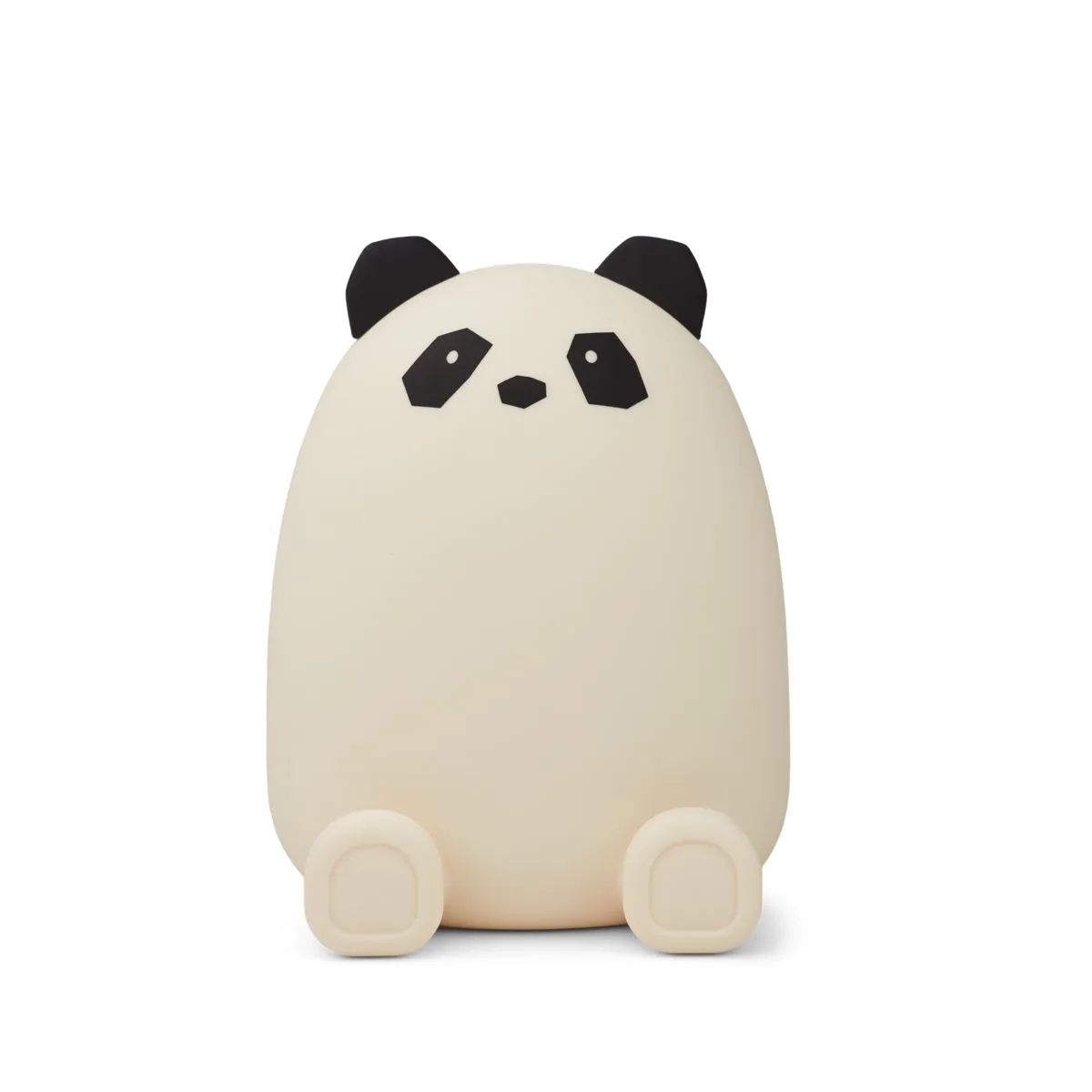
Palma Money Bank - Panda creme de la creme
Which bank fits your child?
Best fits
- A child aged 2–5: a lightweight, soft silicone bank like the Palma Panda that's safe, fun, and easy to empty
- A child who saves small amounts of coins: a bank with a wide slit and clear bottom plug
Not ideal for
- A child who saves paper money regularly: look for a bank that accepts bills, or a jar-style bank with a wide opening
- A family that wants a breakable ceramic bank for a younger toddler: stick with soft materials until the child is older