Quick answer
To choose a multivitamin, start with a reputable brand that uses third-party testing, then match the formula to your age, gender, and specific health needs. Look for bioavailable forms of nutrients, appropriate dosages, and avoid unnecessary additives. For most adults, a high-quality multivitamin fills nutritional gaps without replacing a balanced diet.
Multivitamins are one of the most popular dietary supplements, but with countless options on the market, choosing the right one can feel overwhelming. This guide breaks down the key factors to consider, from ingredient quality to absorption, so you can make an informed decision that supports your health goals.
Whether you're looking for a daily foundation, targeting specific concerns like energy or bone health, or comparing multivitamins for men and women, understanding what to look for will help you select a product that actually delivers benefits.
Key Ingredients to Look For
A good multivitamin should provide a broad spectrum of essential vitamins and minerals, but not all forms are created equal. Look for nutrients in bioavailable forms, such as methylated B vitamins (like methylfolate and methylcobalamin) and chelated minerals (like magnesium glycinate). These are more easily absorbed and utilized by the body.
Also, check for adequate dosages. For example, vitamin D3 is often preferred over D2, and magnesium in forms like glycinate or citrate is better absorbed than oxide. Avoid formulas with excessive amounts of nutrients that exceed safe upper limits, unless directed by a healthcare professional.
- Check for third-party testing or certifications like USP or NSF to ensure quality.
- Avoid artificial colors, flavors, and unnecessary fillers.
- Consider if you need extra nutrients like iron (for menstruating women) or calcium (for older adults).
Multivitamin for Men vs. Women
Men and women have different nutritional needs, so multivitamins are often formulated accordingly. Women’s formulas typically include more iron, calcium, and folic acid, while men’s formulas may contain more zinc and selenium to support prostate health. Some women’s multivitamins also include botanical extracts for hormone balance.
For example, a women’s menopause-specific formula might include probiotics and herbs like chasteberry or black cohosh to support hormonal balance and digestive health. When choosing, consider your life stage and any specific health concerns.
- Women of childbearing age often need extra iron and folate.
- Men over 50 may benefit from lower iron and higher vitamin D and B12.
- Always check the label to ensure the formula matches your needs.
Quality and Absorption
The quality of a multivitamin is determined by the source of ingredients, manufacturing practices, and absorption enhancers. Look for brands that use high-quality raw materials and follow Good Manufacturing Practices (GMP). Some products include BioPerine (black pepper extract) to enhance absorption of certain nutrients.
Consider the form of the supplement: capsules, tablets, or powders. Some people prefer capsules for easier swallowing, while others may prefer powders that can be mixed into drinks. Choose a form that you will consistently take, as consistency is key to seeing benefits.
- Look for brands that disclose their sourcing and testing practices.
- Consider if you have any allergies or dietary restrictions (e.g., gluten-free, vegan).
- Check for expiration dates and proper storage instructions.
Decision Rules for Choosing a Multivitamin
- Rule 1: Check for third-party testing: Look for seals from USP, NSF, or ConsumerLab to ensure the product contains what it claims and is free from contaminants. Choose a brand that invests in independent verification.
- Rule 2: Match the formula to your demographics: Select a multivitamin designed for your age, gender, and life stage. For example, women's formulas often include iron and folic acid, while men's may have more zinc. Avoid one-size-fits-all formulas if you have specific needs.
- Rule 3: Prioritize bioavailable ingredients: Opt for methylated B vitamins, chelated minerals, and natural forms like vitamin E as tocopherols. Avoid cheap forms like magnesium oxide. Better absorption means better results.
Products to Consider
- Women's Menopause Probiotic Capsules: This product combines 14 diverse probiotic strains with organic prebiotic fiber and a natural herbal blend including chasteberry, dong quai, turmeric, black cohosh, and more, designed for all stages of menopause. If you're a woman experiencing menopause symptoms, this multivitamin-like supplement supports both hormonal balance and digestive health, addressing multiple concerns in one product.
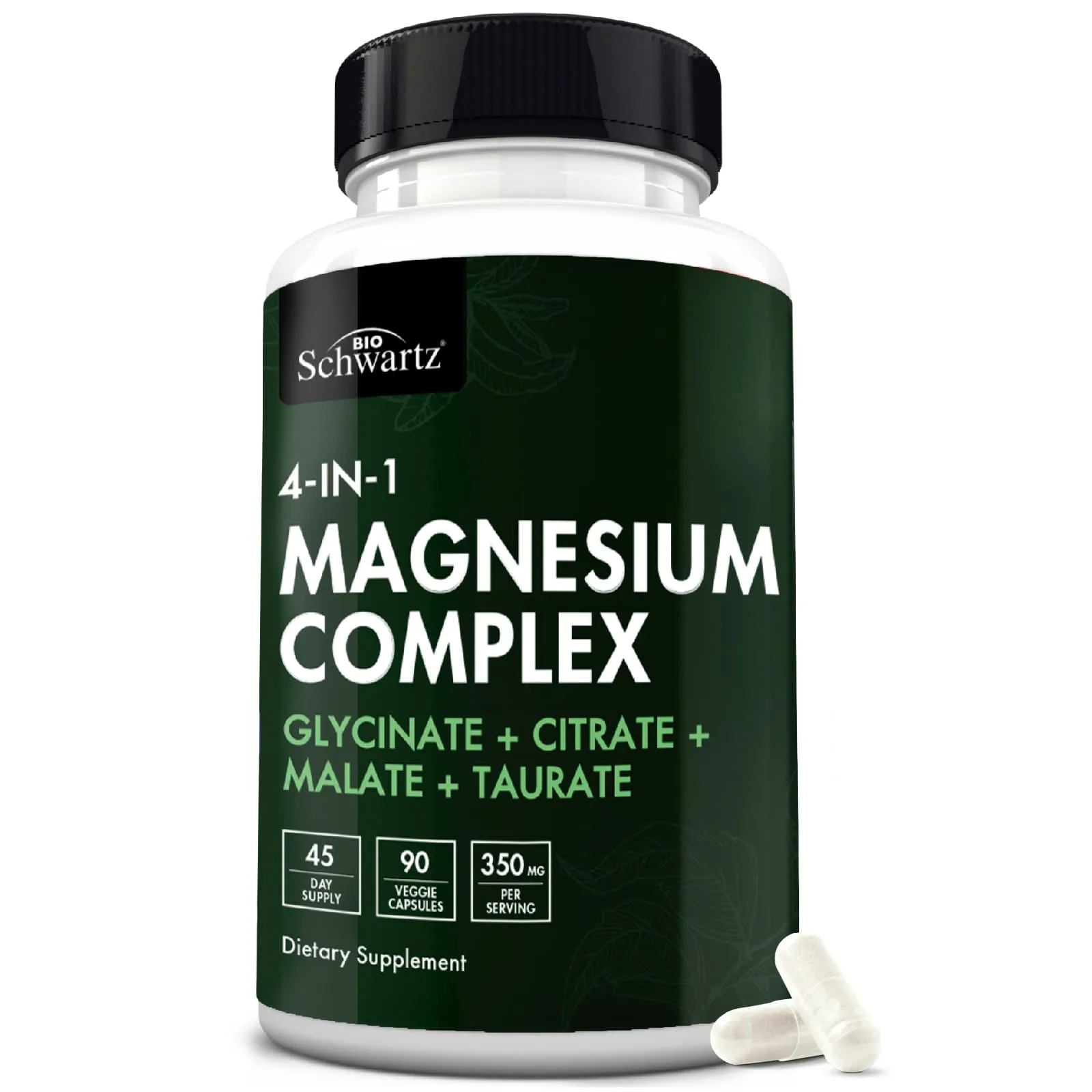
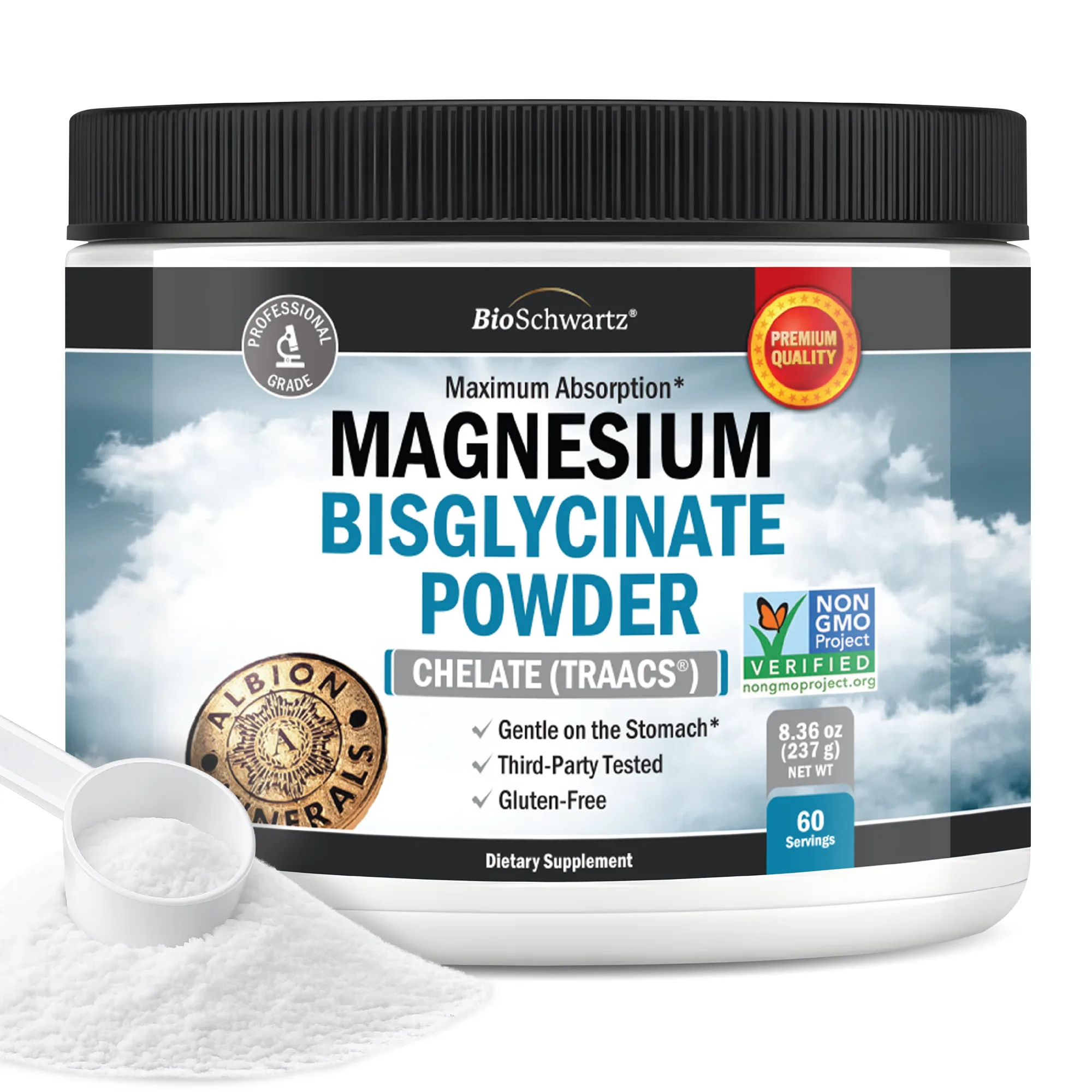
- Magnesium Complex: This supplement provides a high-absorption 350mg blend of magnesium glycinate, citrate, taurate, and malate, promoting nerve health and muscle relaxation. Many multivitamins contain magnesium in less absorbable forms; choosing a complex with multiple bioavailable forms ensures better absorption and effectiveness.
Who Should Choose What
Best for
- Women in perimenopause or menopause who want hormonal and digestive support: Women's Menopause Probiotic Capsules.
- Individuals looking to improve magnesium status for nerve and muscle health: Magnesium Complex.
Not for
- Men seeking a general multivitamin (they may prefer a men's formula with less iron).
- People who prefer a single daily pill over multiple supplements or who have difficulty swallowing capsules.
Choosing the right multivitamin involves understanding your unique needs and the quality of the product. By focusing on bioavailable ingredients, appropriate formulations, and trusted brands, you can find a supplement that supports your health effectively. For those with specific needs, consider products like Women's Menopause Probiotic Capsules or Magnesium Complex to address particular concerns.