Quick Answer
For most breastfeeding moms, the best setup is two bras: a supportive clip-down bra for daytime and a soft, stretchy bra for sleep. If you want one bra that does both, choose a seamless wire-free style with easy one-hand clips and adjustable straps, like the https://coobiejh.com/products/nursing-bra-pack-c7f7be4476a98e8db2c73db8-1343224Coobie Nursing Maternity Bra 9121 (3 Pack). Buy two sizes if you are still adjusting to changing breast size.
Your nursing bra has to work harder than almost any other piece in your wardrobe. It needs to open one-handed at 3 a.m., support changing breast size, and feel comfortable enough that you forget you are wearing it. That is a lot to ask from one bra, which is why most moms end up with a small rotation rather than a single perfect pick.
This guide walks through the real decisions: day versus night needs, clip versus pull-aside access, wire-free versus structured support, and how to check fit without guessing. You will also see how a few specific Coobie styles fit into a practical rotation, so you can build a setup that works for your body and your schedule.
Start With How You Will Use It
Before you compare styles, separate your day and night needs. Daytime bras need to hold up under clothes, support movement, and open quickly for feeding or pumping. Nighttime bras need to be soft enough to sleep in, breathable, and forgiving when your size shifts overnight. Trying to force one bra to do both usually means it does neither well.
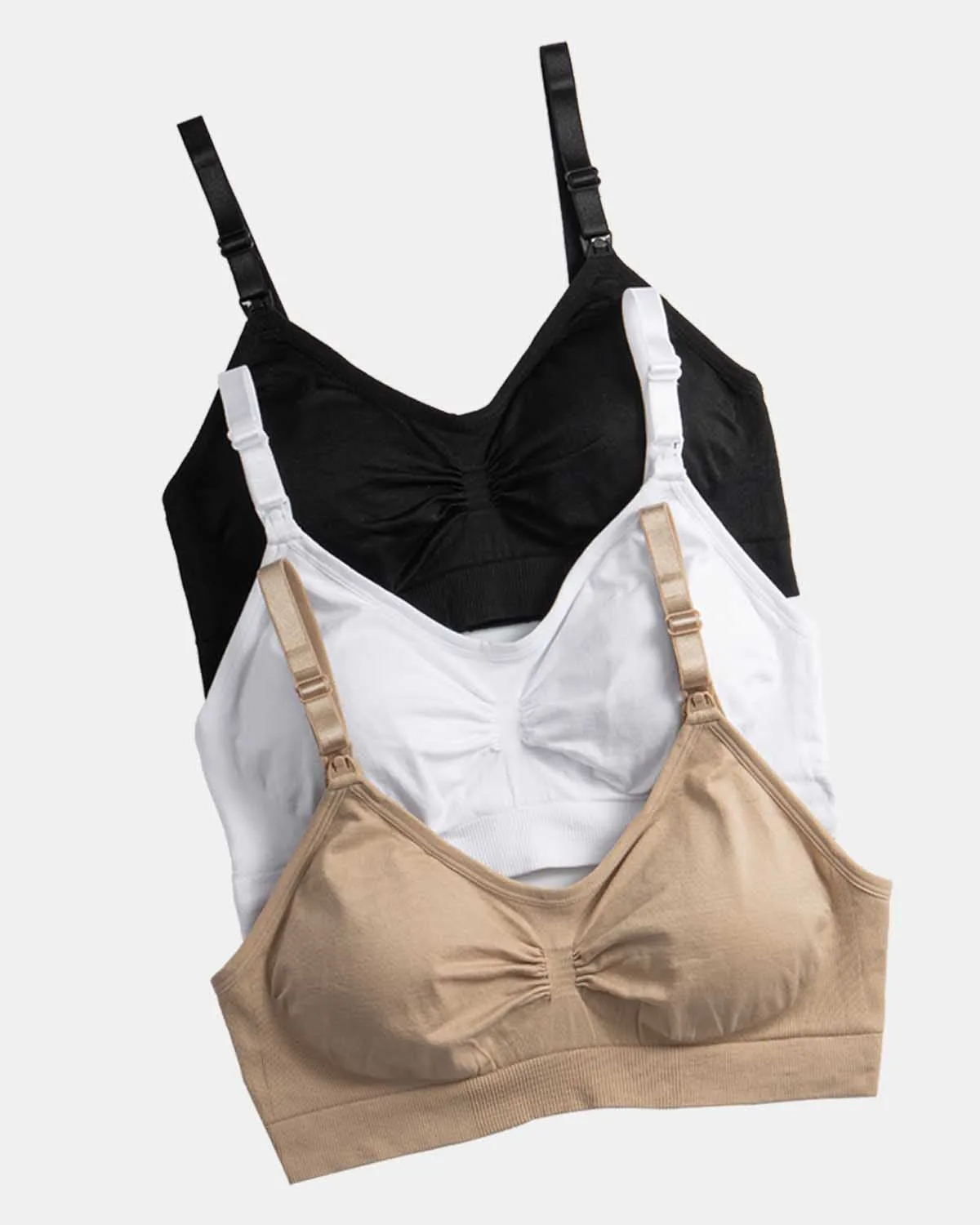
A practical approach is a 2-3 bra rotation: one or two supportive day bras and one sleep bra. If you are early in breastfeeding and your size is still changing, buy fewer bras now and add more once your supply and size settle. A 3-pack like the Coobie Nursing Maternity Bra 9121 gives you room to rotate without a huge upfront commitment.
- Count how many feeds happen at night. If you are up twice or more, a dedicated sleep bra is worth it.
- If you pump during the day, look for cups that stay open or move out of the way easily.
- Buy for your current size, not your pre-pregnancy size. Ribcage and cup size both change.
Clip-Down vs. Pull-Aside: Which Access Style Fits Your Life
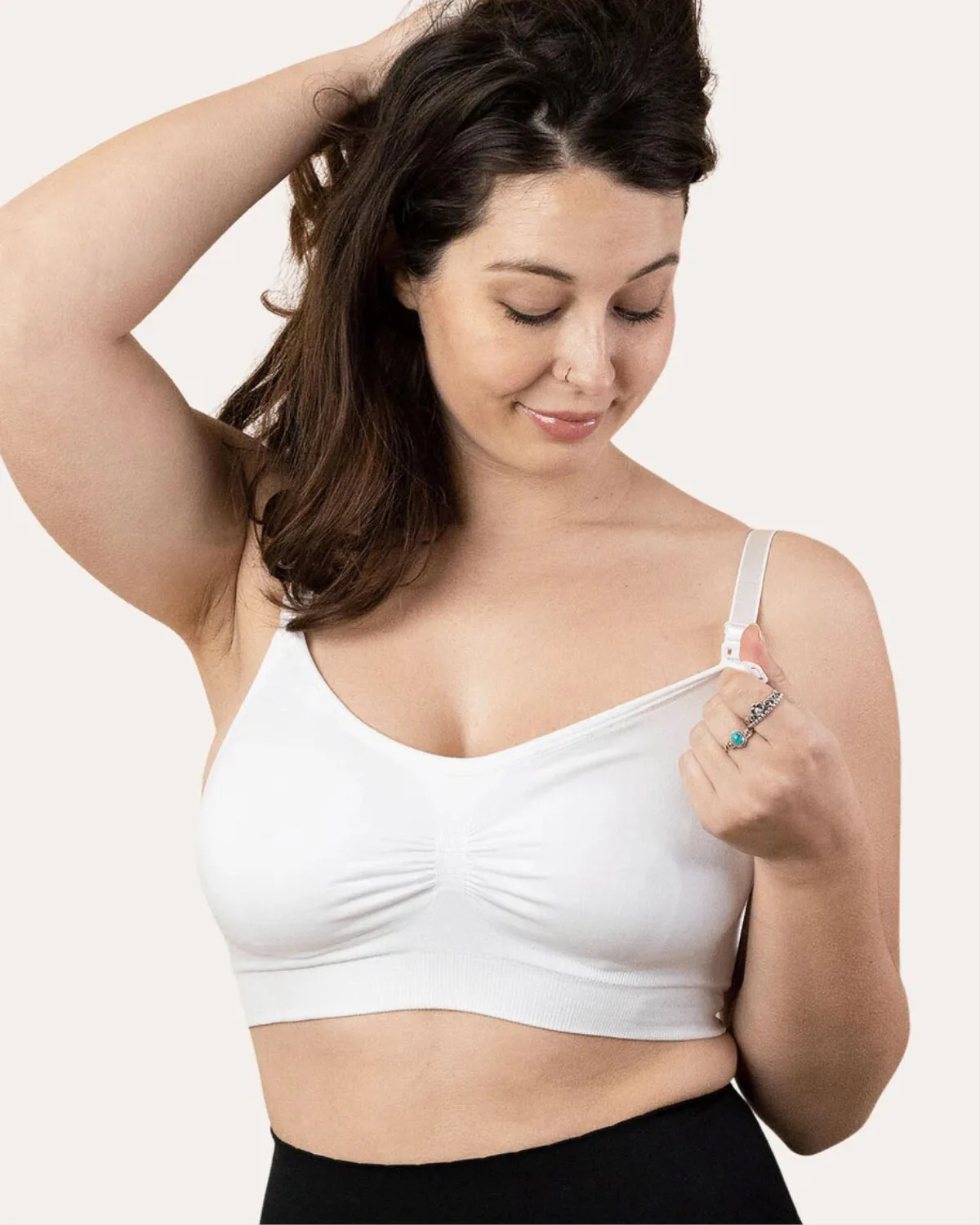
Clip-down cups are the most common nursing bra design because they let you open the cup with one hand and keep the bra in place. That matters when you are holding a baby with the other arm. The Coobie Nursing Maternity Bra 9121 uses easy clip-down cups that adjust with one hand, which is the feature most moms notice first in the middle of the night.
Pull-aside and stretchy crossover styles skip the hardware entirely. They are quieter and simpler for sleep, but they offer less structure and can stretch out faster with heavy daily use. If you want one bra for both day and night, clip-down is usually the more versatile choice because you can tighten the straps for daytime support and loosen them for lounging.
- Test the clip with one hand before you commit. If it takes two hands in the store, it will be harder at 3 a.m.
- Clip-down styles tend to hold their shape longer than pull-aside styles under daily wear.
- For sleep-only bras, a soft pull-aside style is often more comfortable than hardware.
Wire-Free vs. Underwire: Comfort and Support Trade-Offs
Wire-free bras reduce pressure on breast tissue and are generally more comfortable during engorgement and cluster feeding. The trade-off is less lift and separation under fitted clothing. If you want a smoother line under a t-shirt, a wire-free style with removable pads and a seamless construction can give you light shaping without a wire.
Underwire bras can work if they fit perfectly, but a wire that sits on breast tissue instead of the ribcage can contribute to clogged ducts. Many moms keep one structured underwire bra for events and rely on wire-free styles for everyday and night. The Coobie Lace Coverage Cami Bra 9050 is a wire-free option with adjustable straps and removable pads, so you can customize coverage without a wire.
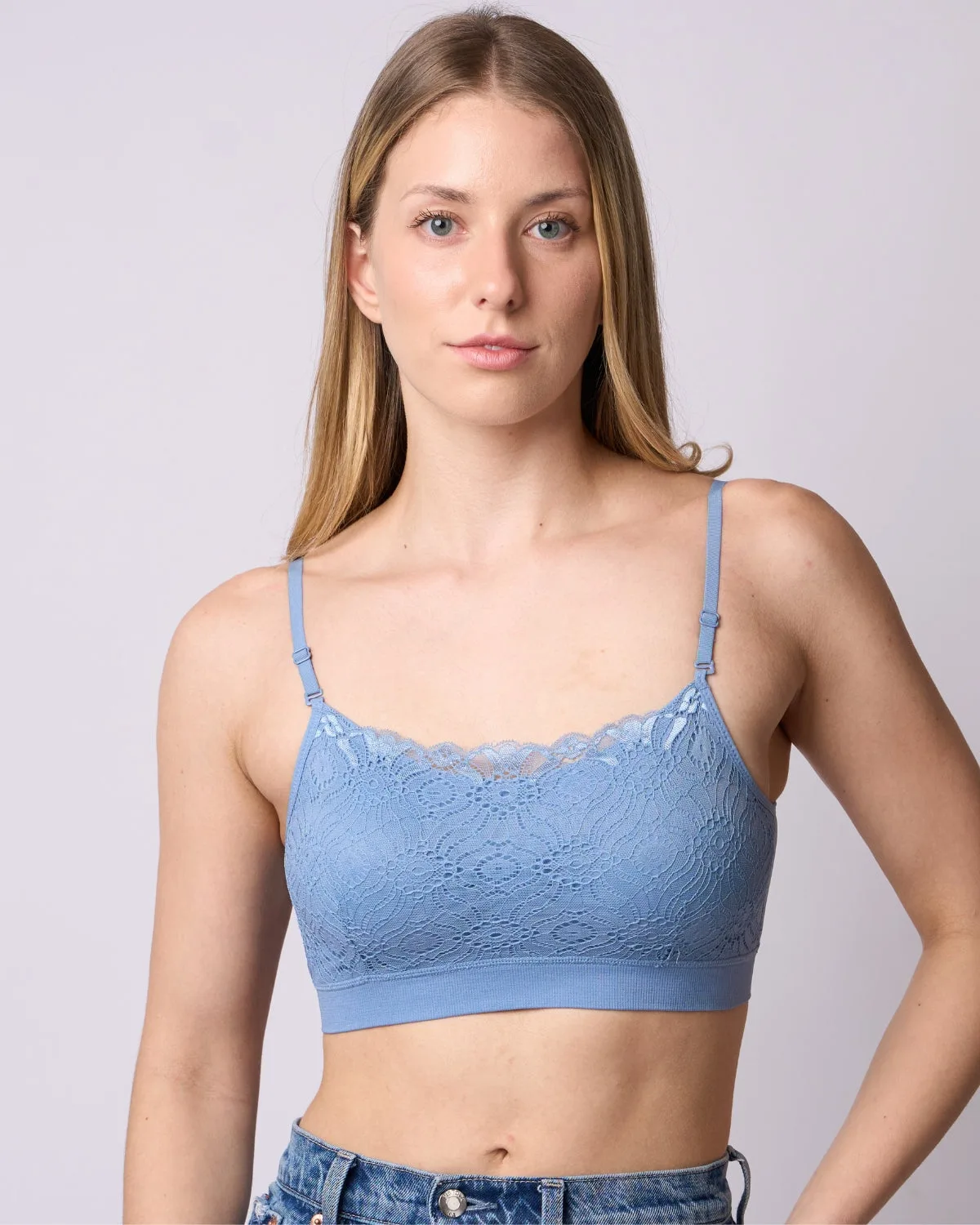
Coobie Lace Coverage Cami Bra 9050
- If you feel the wire at all when you breathe deeply, the band or cup is the wrong size.
- Removable pads let you adjust modesty and shape without changing bras.
- Rotate wire-free and structured bras to reduce pressure points.
Fit Tips That Actually Predict Comfort
A nursing bra should fit on the loosest hook when new, because ribcage size often decreases after delivery and you will tighten the band over time. The band should stay level in back and snug enough that you can fit two fingers under it, not a fist. Cups should lie flat without gaping or digging, and the center gore should sit against your chest in a structured bra.
Adjustable straps and a U-shaped back help keep the fit stable as your size changes. The Coobie Nursing Maternity Bra 9121 is designed with adjustable straps and a U-shaped back to help maintain fit through different stages of breastfeeding. Check the fit after a feed, not before, since breast size changes noticeably between feeds.
- Measure your underbust and fullest bust point, then recheck every few weeks early on.
- If the band rides up in back, go down a band size or tighten the straps slightly.
- If cups overflow after a feed, size up in the cup rather than the band.
How Many Bras Do You Actually Need
Three to four bras is a realistic minimum for most breastfeeding moms: two for daytime rotation, one for sleep, and one in the wash. Milk leakage, spit-up, and night sweats mean you will change bras more often than usual. A 3-pack is a practical way to cover that rotation without buying each bra separately.
If you are pumping and nursing, add one more bra that works with your pump setup. If you are mostly nursing at home, you can get by with fewer structured bras and more soft, stretchy ones. Buy the minimum now, then add once your size stabilizes around 6-8 weeks.
- Wash bras every 1-2 wears during early breastfeeding.
- Keep one bra slightly looser for engorged days and overnight.
- A 3-pack covers a full rotation and reduces laundry pressure.
Decision Rules for Buying a Nursing Bra
- If you need one bra for day and night: Choose a seamless, wire-free clip-down style with adjustable straps, like the Coobie Nursing Maternity Bra 9121. Loosen the straps for sleep and tighten them for daytime support. One bra can work if it is adjustable and wire-free.
- If you are still adjusting to changing size: Buy a 3-pack in your current size and plan to re-check fit every few weeks. Do not stock up on a single size before your supply settles. Buy fewer bras now, add more later.
- If you want light shaping without a wire: Look for a wire-free style with removable pads, such as the Coobie Lace Coverage Cami Bra 9050, and use the pads for coverage when you want it. Removable pads give you flexibility without changing bras.
- If you sleep in a bra every night: Prioritize soft, breathable fabric and skip hardware where possible. A dedicated sleep bra prevents your daytime bras from stretching out. A separate sleep bra extends the life of your day bras.
Product Facts That Matter for Nursing
- Coobie Nursing Maternity Bra 9121 (3 Pack): Seamless maternity bra with easy clip-down cups that can be adjusted with one hand, plus adjustable straps and a U-shaped back. One-hand clips are the difference between a calm feed and a fumbling one, and the adjustable straps and U-shaped back help the bra keep fitting as your size changes.
- Coobie Lace Coverage Cami Bra 9050: Seamless, wire-free design with adjustable straps and removable pads, plus a floral lace front. A wire-free option with removable pads gives you light shaping and coverage without underwire pressure, which is useful during engorgement or for lounging.
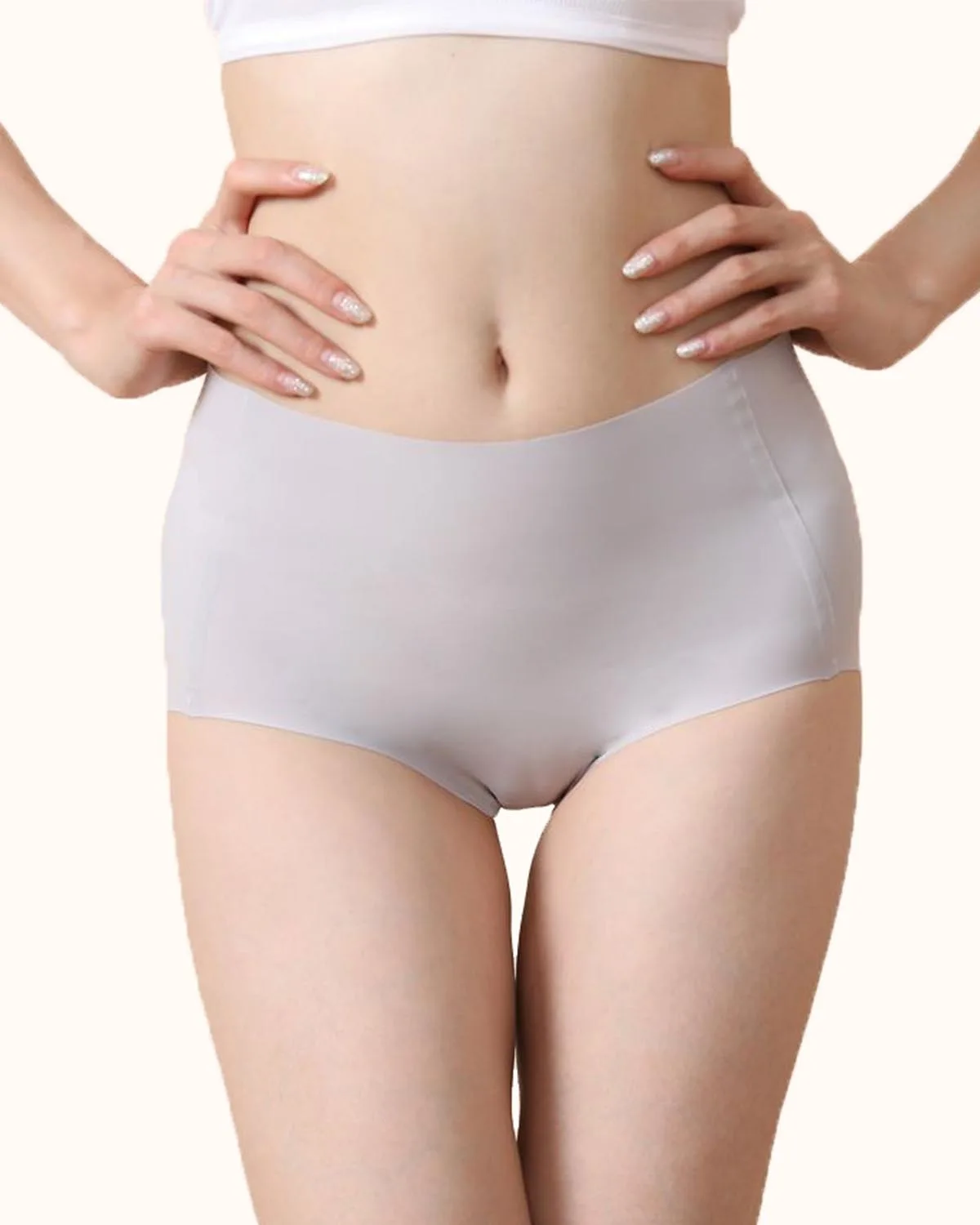
- Coobie Invisible High Rise Briefs 1865 (3 Pairs): Seamless high-waisted panties with no-show construction, gentle tummy support, and moisture-wicking fabric. Postpartum comfort often depends on what you wear below the bra too; a no-show, moisture-wicking brief reduces friction and stays smooth under clothes.
Who This Nursing Bra Approach Is For
Best for
- Breastfeeding moms who want one adjustable bra that works for both day and night
- Moms in early postpartum whose size is still changing and who need a flexible rotation
- Anyone who wants wire-free comfort with easy one-hand clip access
Not for
- Moms who need maximum lift and separation under structured clothing and prefer a well-fitted underwire bra
- Anyone who has already settled on a single bra style and does not want a rotation
- People looking for a pumping-specific bra with flanges and dual-function hardware
Choose a nursing bra by matching access style and support to how you actually feed, then buy a small rotation instead of one perfect bra. Start with a seamless, wire-free clip-down style like the Coobie Nursing Maternity Bra 9121 for day and night, add a soft sleep bra, and re-check your fit every few weeks as your size settles.