Quick answer
Choose a patch when the hobby shows up on fabric you already wear or carry, and choose a pin when you want a small, swappable signal on a jacket, bag, or lanyard. For a gardener gift, a nature-themed pin or patch works because it reads as a hobby marker without needing a specific tool or plant. For a book lover, a patch on a tote or a pin on a reading jacket does the same job with different commitment.
Start with the wear point, not the hobby
The fastest way to choose is to name where the item will live. A patch needs a fabric surface that can take heat or stitching, so it suits denim jackets, canvas totes, backpacks, and blanket-style throws. A pin needs a small puncture-friendly surface, so it suits jacket lapels, bag straps, lanyards, and cork boards. If the person you're buying for does not wear fabric often, a pin is the lower-risk choice because it can move between bags and hats without permanent application.
Hobby is the theme, but wear point is the format decision. Once you know the surface, the rest of the choice is about size, backing, and how permanent you want the result to be.
Match hobby to motif and message
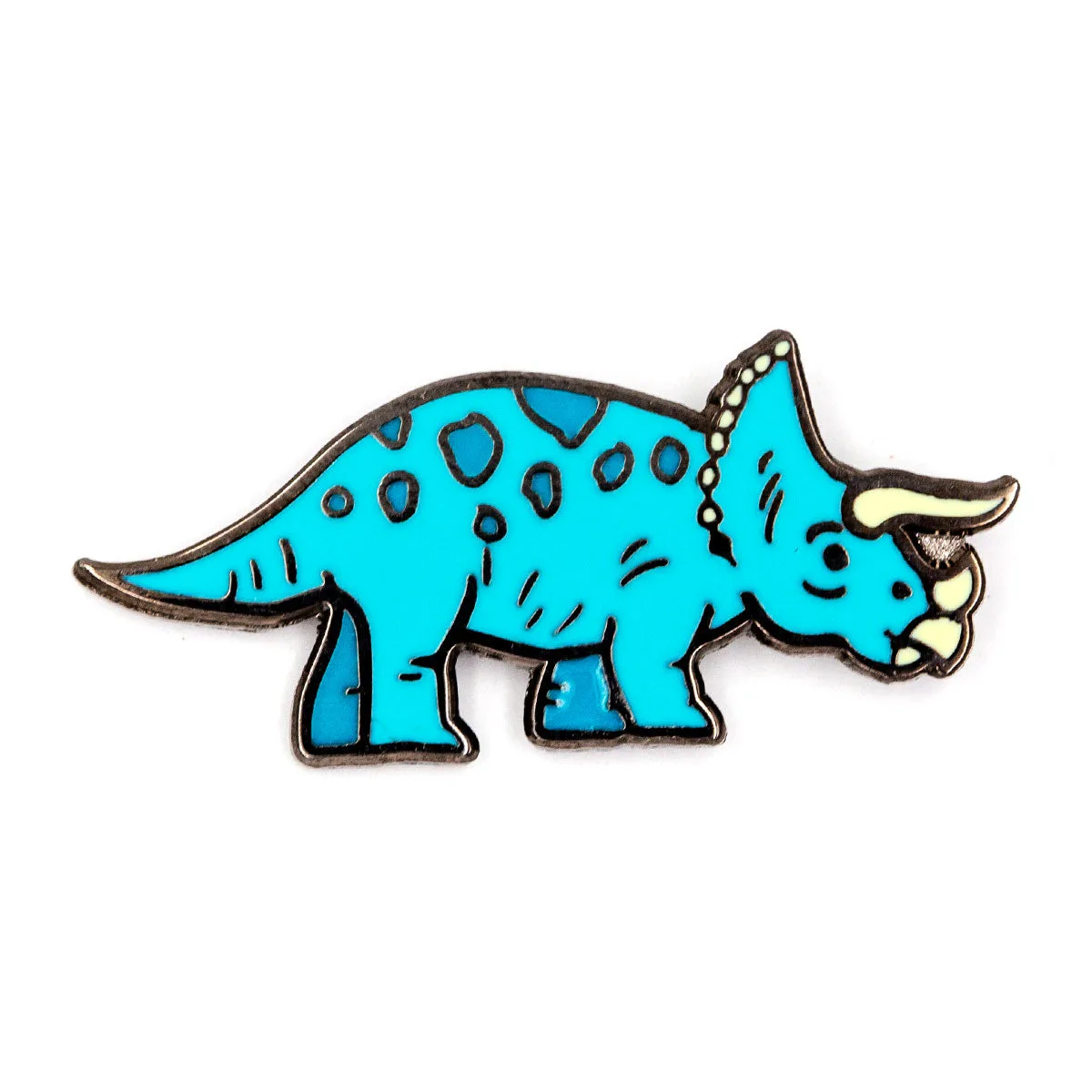
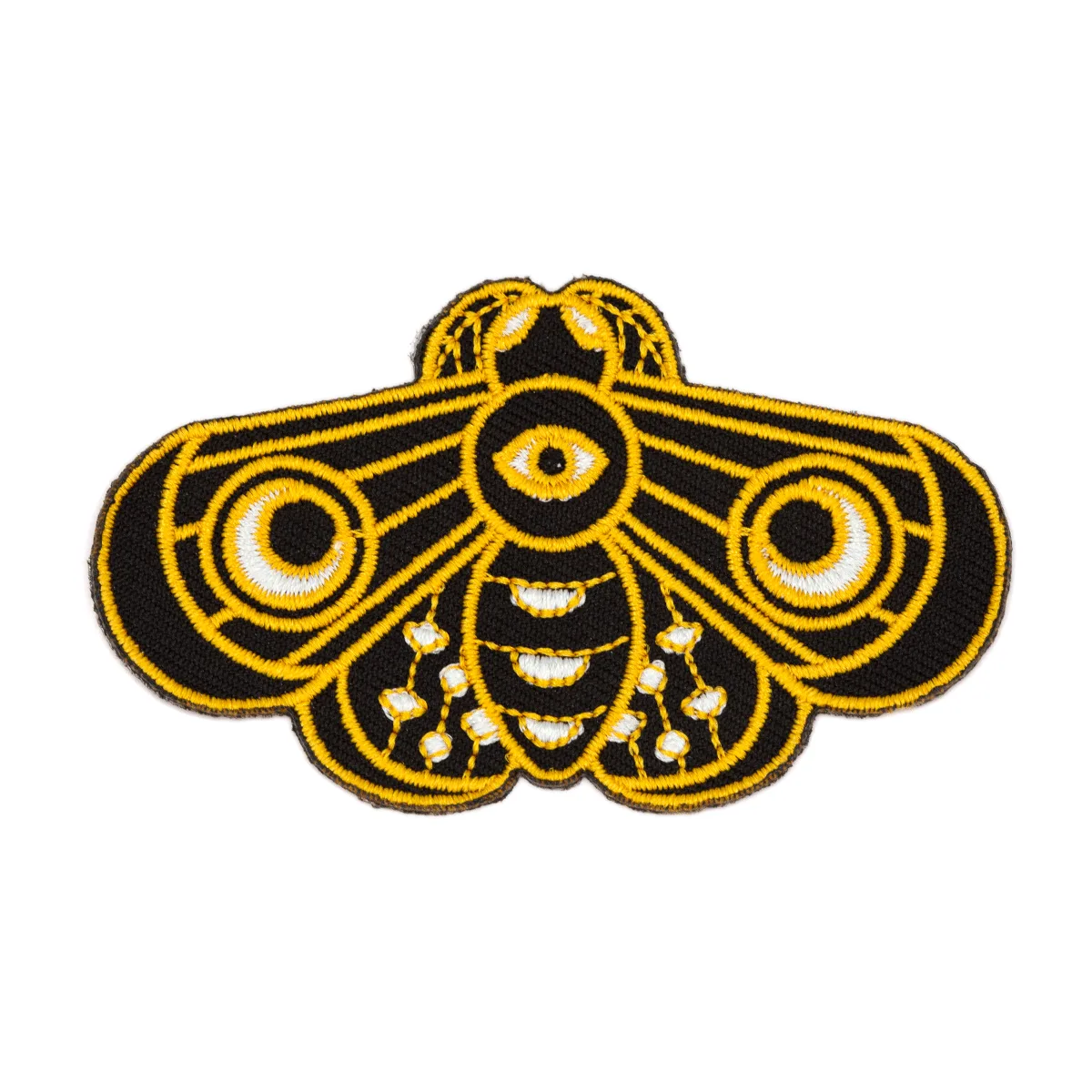
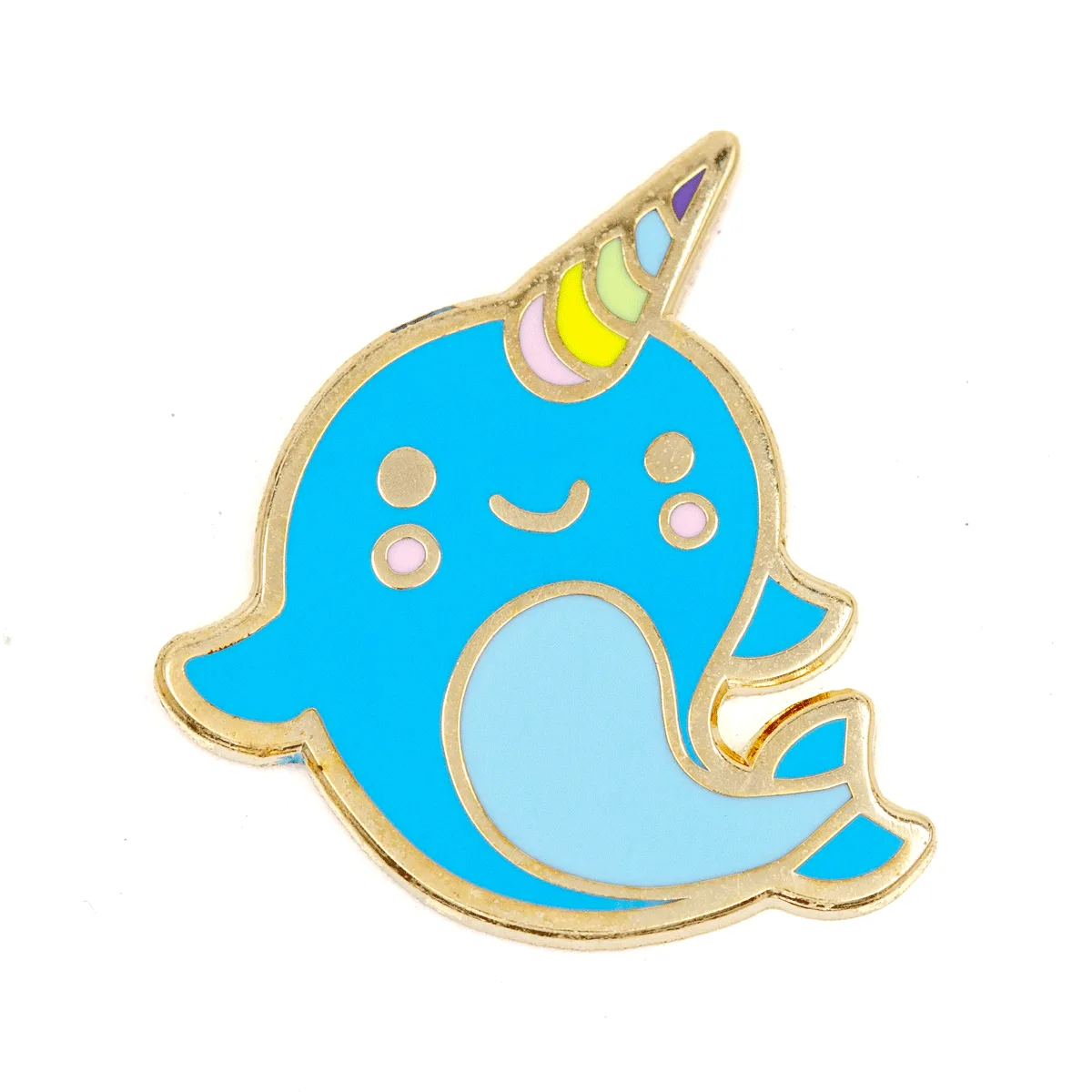
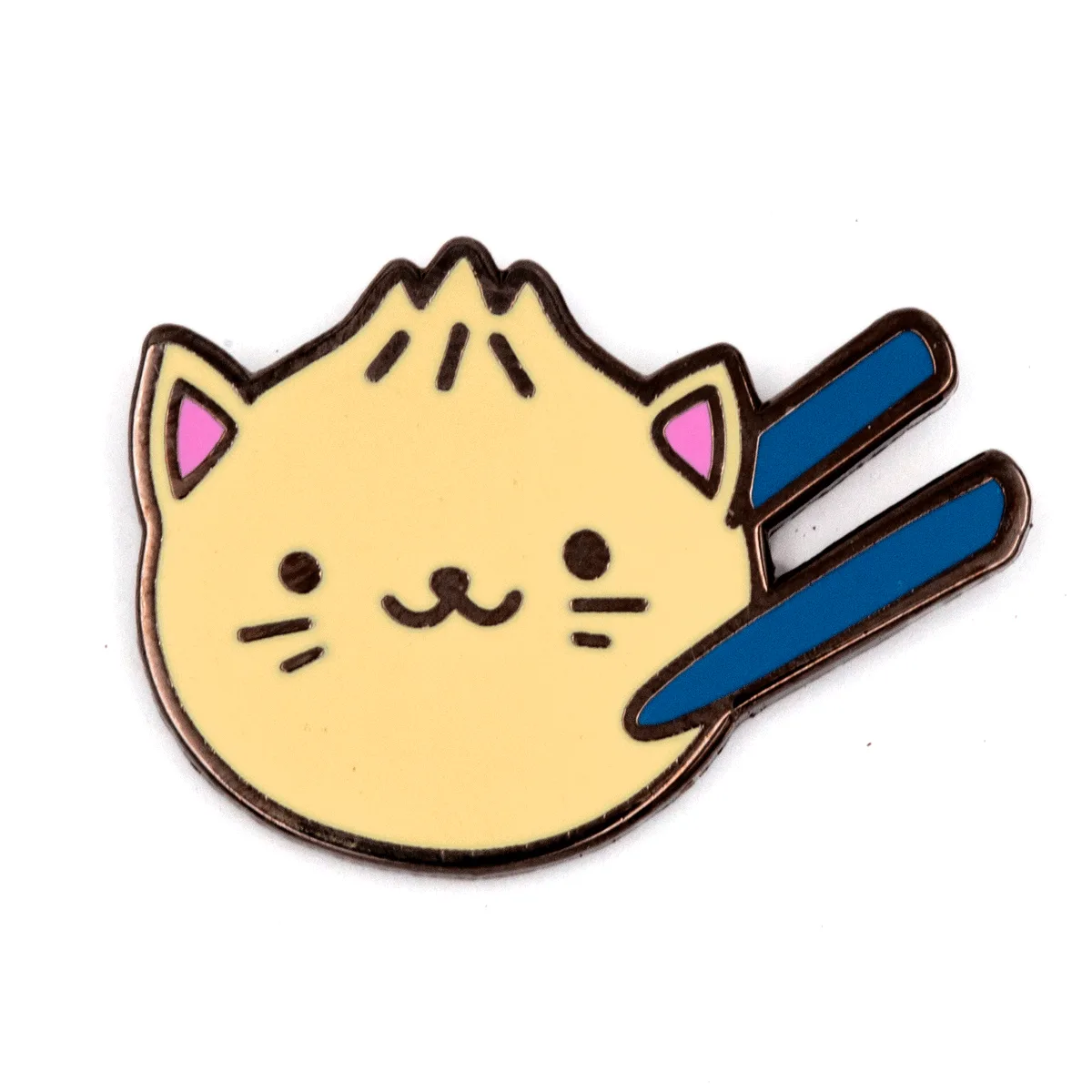
A hobby-themed patch or pin works best when the motif is specific enough to feel chosen. A moth or insect design reads as nature, gardening, and outdoor study. A dumpling-shaped cat reads as food, cooking, and pet culture. A narwhal or triceratops reads as marine life or natural history. The more specific the motif, the more it feels like a gift rather than a generic accessory.
For a pin for gardener gift, lean toward nature and insect motifs rather than tools, because a motif travels better across seasons and outfits. For a patch for book lover, a tote or jacket patch works because it lives on the bag that carries the books. The motif does the talking; the format does the practical work.
Decide how permanent you want it to be
Iron-on adhesive is the quickest route, but it is not the same as sewing. An iron-on patch can be attached securely to fabric with heat, and it can also be reinforced with stitches if the garment gets heavy use. If the person changes bags or jackets often, a pin with a rubber backing is easier to move and swap. If they want a fixed look on one favorite piece, a patch is the better commitment.
There is a real trade-off: patches are more permanent and cover more surface, while pins are more flexible and easier to rearrange. Neither is better in the abstract; the right one depends on whether the hobby item is a daily uniform or a rotating accessory.
Size and scale matter more than you think
On a jacket back or a large tote, a roughly 3-inch patch holds its own without dominating. On a lapel, a bag strap, or a lanyard, a 1-inch pin is the right scale because it reads as a detail rather than a billboard. If you are buying for someone who layers accessories, smaller pins let them combine several hobbies on one bag. If you are buying for someone who wears one statement piece, a larger patch gives the hobby more presence.
Check the dimensions before you buy. A pin listed at 1 inch will look smaller in person than most people expect, and a 3-inch patch is larger than a coin but smaller than a palm. Knowing that prevents the most common gift mismatch.
Gift rules for hobby pins and patches
For a hobby enamel pin gift, buy one pin that matches the hobby and one that matches the person's style. If you are unsure about style, choose a neutral metal tone and a motif that is clearly about the interest. For an iron on patch by interest, buy the patch and include a note that it can be sewn for extra hold, because that shows you thought about how it will be used.
If the hobby is very specific and you cannot find an exact motif, choose the closest broad theme instead of forcing a literal match. A nature motif works for a gardener, and an animal motif works for a reader who loves animal stories. The goal is recognition, not a perfect category label.
Decision rules for hobby patches and pins
- If the hobby lives on a bag or jacket: Choose a patch when the surface is fabric and the person wants a fixed look, or a pin when they swap bags often. Pick the format by how often the item moves, not by the hobby alone.
- If the gift is for a gardener: Choose a nature or insect motif in either format. A pin works on a garden apron or tote strap; a patch works on a canvas bag or work jacket. Nature motifs read as gardening without needing a tool or plant design.
- If the gift is for a book lover: Choose a patch for the tote that carries the books, or a small pin for the jacket worn while reading. Match the item to the reading routine, not just the theme.
- If you are unsure about style: Choose a 1-inch pin with a neutral metal tone and a clear motif. It is easier to place and less committed than a patch. Small and specific beats large and generic when you are guessing.
- If the person wants to show several hobbies at once: Choose pins, because multiple 1-inch pins can share one bag or jacket without crowding. Pins scale in numbers; patches scale in size.
Product facts that affect the choice
- Lunar Moth Patch: Embroidered moth design with iron-on adhesive backing, approximately 3 inches wide. The 3-inch scale suits jacket backs, totes, and bags, and the iron-on backing makes it a fast fabric project.
- Cat Dumpling Pin: Dumpling-shaped kitty enamel pin made with black nickel and colored enamel, with a rubber backing, measuring 1 inch. The 1-inch size and rubber backing make it easy to move between lapels, straps, and lanyards, which suits food and pet hobbies.
- Narwhal Pin: Gold-tone narwhal pin with colored enamel and a rubber backing, measuring 1 inch. The gold tone and marine motif fit nature and ocean interests, and the small size keeps it wearable on a single strap or lapel.
- Triceratops Pin: Triceratops enamel pin offered as a single standard pin under the code PN0195. A single standard pin is a simple gift for dinosaur and natural history interests without needing to choose options.
Best for and not for
Best for
- Gift buyers matching a hobby to a wearable format
- People who want a small, swappable hobby signal on a bag or jacket
- People who want a fixed fabric project on a tote, jacket, or apron
Not for
- Buyers who need a custom or personalized motif that is not in the catalog
- People who want a large back-of-jacket centerpiece without checking dimensions
- Anyone expecting an iron-on patch to be permanent without stitching on high-wear garments