Quick answer
Choosing a protein supplement starts with your dietary preferences, fitness goals, and any digestive sensitivities. For most people, a high-quality whey protein offers fast absorption and a complete amino acid profile, while plant-based options like pea or rice protein work well for vegans or those avoiding dairy. Always check the protein content per serving, the amino acid profile, and third-party testing to ensure purity and effectiveness.
Protein supplements are a convenient way to meet your daily protein needs, support muscle recovery, and manage weight. With so many options on the market, it can be overwhelming to decide which one is right for you. This guide breaks down the main types of protein supplements, their benefits, and key factors to consider so you can make an informed choice.
Whether you're an athlete, a busy professional, or someone simply looking to improve your overall health, understanding the differences between protein powders is essential. We'll cover whey, casein, plant-based proteins, and more, and provide practical decision rules to help you pick the best supplement for your lifestyle.
Types of Protein Supplements
Protein supplements come in various forms, each with unique characteristics. The most common types include whey, casein, soy, pea, and rice protein. Whey protein, derived from milk, is a complete protein containing all nine essential amino acids. It is quickly absorbed, making it ideal for post-workout recovery. Casein, also from milk, digests slowly, providing a steady release of amino acids, which is beneficial for overnight recovery.
Plant-based proteins, such as pea, rice, and soy, are excellent alternatives for those following a vegan or vegetarian diet. Pea protein is rich in branched-chain amino acids (BCAAs) and easily digestible, while rice protein is hypoallergenic. Soy protein is a complete plant protein but may not be suitable for those with soy allergies. Blends of plant proteins can offer a more complete amino acid profile.
- Consider your dietary restrictions: if you're lactose intolerant, opt for plant-based or lactose-free whey isolate.
- Think about your goal: for muscle building, whey is a top choice; for weight management, a higher protein-to-calorie ratio is key.
Key Considerations When Choosing a Protein Supplement
When selecting a protein supplement, several factors come into play. First, check the protein content per serving. Aim for at least 20 grams of protein per scoop to effectively support muscle synthesis. Also, look at the amino acid profile, particularly the levels of leucine, which is crucial for muscle protein synthesis. Third-party testing ensures the product is free from contaminants and accurately labeled.
Consider the calorie and carbohydrate content, especially if you're watching your weight. Some protein powders contain added sugars and fillers that can undermine your goals. Look for products with minimal ingredients and no artificial additives. Also, think about the taste and mixability; a protein that doesn't mix well or tastes bad will be hard to stick with.
- Check for added sugars: opt for protein powders with less than 5 grams of sugar per serving.
- Look for third-party certifications like NSF or Informed Choice to ensure quality and purity.
Protein for Weight Management
Protein is a key nutrient for weight management because it increases satiety, helping you feel full longer and reducing overall calorie intake. When choosing a protein supplement for weight loss, opt for a product that is low in calories and carbohydrates but high in protein. Whey protein isolate or plant-based proteins like pea protein are excellent choices as they provide high protein without excess calories.
For those looking to manage their weight, incorporating a protein supplement as a meal replacement or snack can be effective. However, it's important to remember that supplements should complement a balanced diet and regular exercise, not replace whole foods entirely. Protein shakes can be a convenient way to control portion sizes and ensure adequate protein intake on busy days.
- Use a protein shake as a meal replacement for breakfast or lunch to help control calories.
- Choose a protein powder with no added sugars to keep your calorie count in check.
Protein for Muscle Recovery
After a workout, your muscles need protein to repair and grow. Consuming a fast-absorbing protein like whey within 30 minutes to an hour post-exercise can maximize muscle protein synthesis. Whey protein's high leucine content and rapid digestion make it a top choice for recovery. For those who prefer plant-based options, pea protein is also effective, though it may be slightly lower in certain amino acids.
If you're training intensely, you might also consider a protein blend that includes both fast and slow-digesting proteins. This provides an immediate and sustained release of amino acids, supporting recovery over a longer period. Casein, for example, is often used before bed to supply muscles with protein throughout the night.
- Consume a protein shake within an hour after your workout for optimal recovery.
- Consider a casein protein shake before bed to support overnight muscle repair.
Decision Rules for Choosing a Protein Supplement
- Rule 1: Determine your dietary preference: If you are vegan or lactose intolerant, choose plant-based proteins like pea or rice. If you consume dairy and want fast absorption, whey protein is a solid choice. Your dietary restrictions narrow down your options immediately.
- Rule 2: Assess your fitness goals: For muscle building and recovery, prioritize a protein with high leucine content and fast absorption, such as whey isolate. For weight management, choose a low-calorie, low-carb protein that keeps you full. Match the protein type to your primary goal.
- Rule 3: Check the ingredient list: Look for products with minimal ingredients, no added sugars, and third-party testing. Avoid artificial sweeteners and fillers that add unnecessary calories. Quality matters for both health and results.
- Rule 4: Consider your digestive comfort: If you experience bloating with whey, try a whey isolate or switch to a plant-based protein like pea protein, which is often easier to digest. Listen to your body and adjust accordingly.
Supplement Insights from BioSchwartz
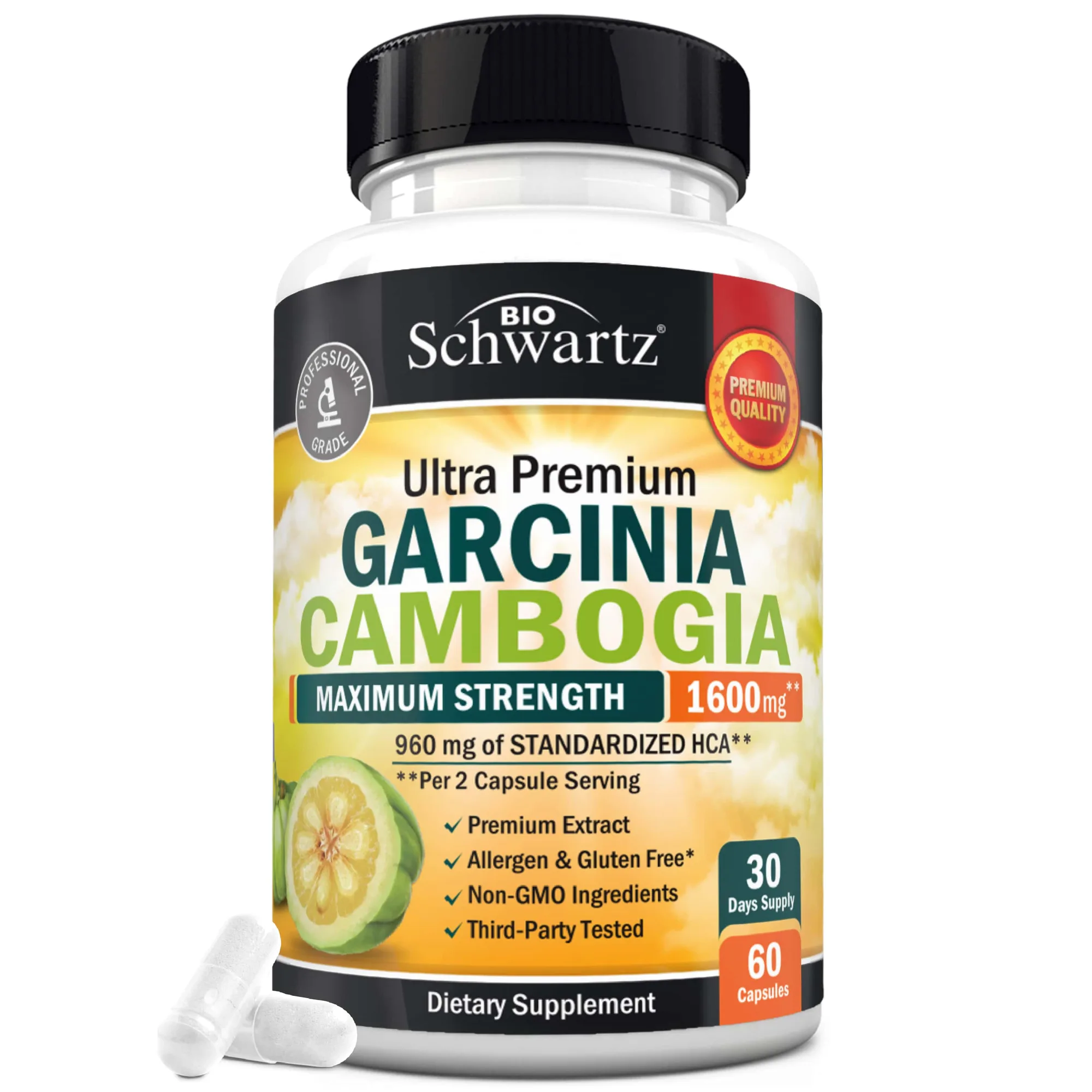
- Garcinia Cambogia 1600MG Capsules: BioSchwartz maximum strength garcinia cambogia is a premium quality garcinia cambogia supplement formulated to help support weight management as part of a healthy lifestyle. If your protein supplement is part of a weight management plan, this product can complement your efforts by supporting your overall weight management goals.
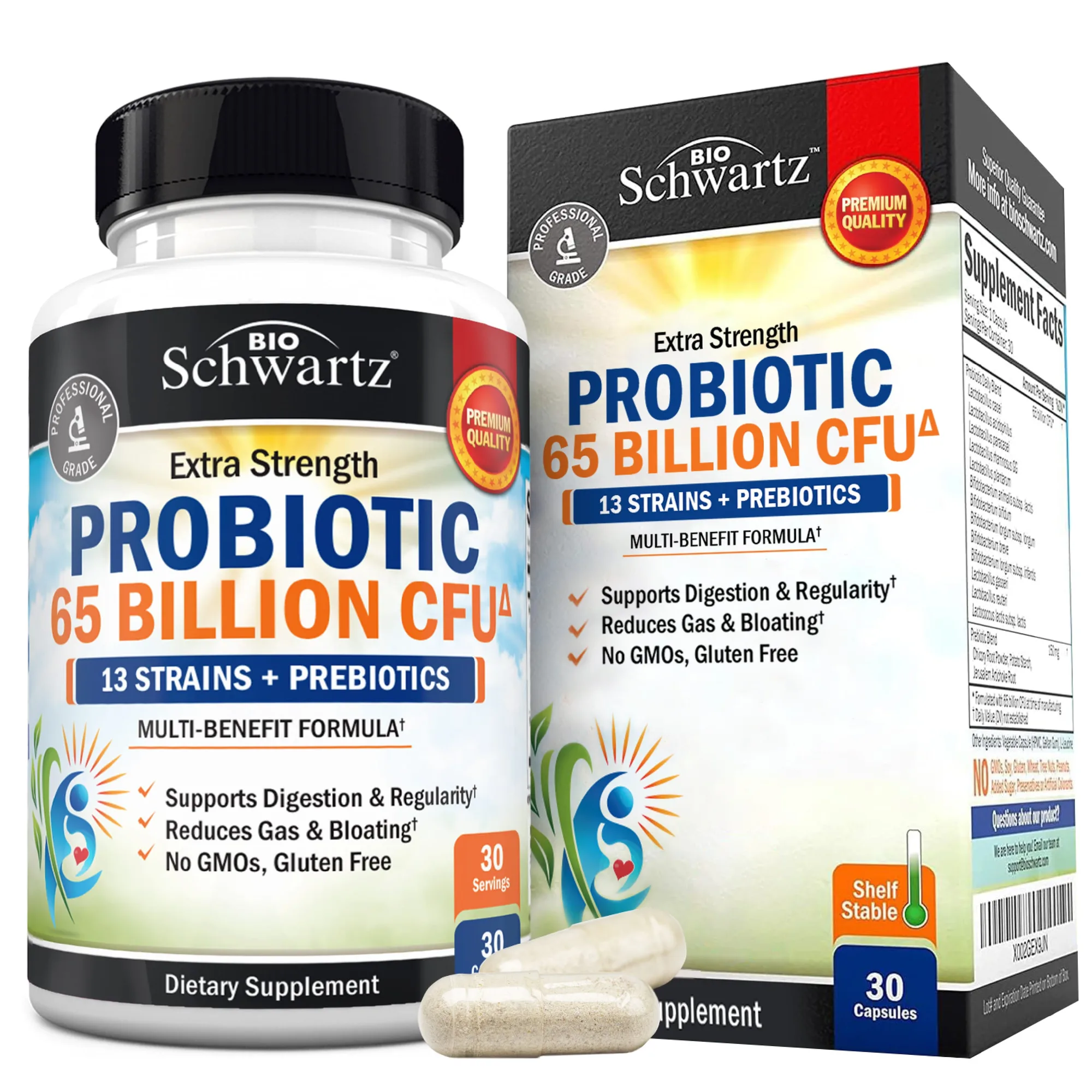
- Probiotics 65 Billion CFU Capsules: BioSchwartz extra strength probiotic is formulated with 65 billion CFUs and 13 powerful probiotic strains to deliver comprehensive digestive support. A healthy gut is essential for nutrient absorption, so pairing your protein supplement with a probiotic can help ensure your body utilizes the protein you consume effectively.
Who Should Choose What
Best for
- Whey protein is best for athletes and fitness enthusiasts looking for fast absorption and a complete amino acid profile.
- Plant-based proteins are best for vegans, vegetarians, or those with dairy sensitivities who still want a high-quality protein supplement.
Not for
- Whey protein is not for those with lactose intolerance or dairy allergies, unless they opt for a lactose-free isolate.
- Plant-based proteins may not provide as high a leucine content as whey, so they may be less ideal for maximizing muscle protein synthesis in serious bodybuilders.
Choosing the right protein supplement doesn't have to be complicated. By considering your dietary needs, fitness goals, and the quality of the product, you can find a supplement that supports your health and performance. Remember to pair your protein intake with a balanced diet and regular exercise for the best results. For additional support in your wellness journey, explore our range of supplements, such as the Probiotics 65 Billion CFU Capsules, to enhance your digestive health and nutrient absorption.