Quick answer
For most quilters, a 45mm rotary cutter with a retractable guard is the best all-around choice for everyday piecing and trimming. If you regularly cut through multiple layers or thick batting, add a 60mm. A 28mm is best for curves and small templates. Prioritize a safety shield and a comfortable grip over extra features.
A rotary cutter is one of the most-used tools in a quilt studio, and the wrong one can make cutting feel like a chore or, worse, a hazard. The good news: you don't need a drawer full of them. Most quilters can do nearly everything with one well-chosen size plus a second blade type for specialty tasks.
This guide gives you concrete decision rules for size, blade, and safety so you can buy once and cut confidently. We'll also cover ergonomics, blade care, and when a different tool is the smarter choice.
Start with size: 45mm vs 60mm vs 28mm
The 45mm rotary cutter is the standard for a reason. It handles the majority of quilting tasks: cutting strips, squares, and trimming half-square triangles. It's light enough for long cutting sessions and works with most acrylic rulers. If you only buy one, make it a 45mm with a safety guard.
A 60mm cutter shines when you need to cut through several layers of fabric, thick batting, or multiple strips at once. The larger blade covers more distance per stroke, which reduces hand fatigue on big projects. The trade-off is less control on tight curves and small pieces, and the blades cost more. A 28mm cutter is the specialist for curves, small templates, and appliqué. It turns tightly, but it won't cut through many layers and it's easy to lose track of the blade edge if you're used to a larger cutter.
- Rule of thumb: 45mm for everyday piecing, 60mm for bulk cutting, 28mm for curves and detail work.
- If you have hand or wrist pain, try a larger handle or an ergonomic model before assuming a smaller cutter will help.
Blade types and when they matter
Most rotary cutters use a circular blade with a sharp edge. Standard blades are fine for fabric, but specialty blades exist for paper, batting, and even fabric with adhesive. For quilting, a standard 45mm blade is the workhorse. If you cut a lot of batting, a wavy or pinking blade can reduce lint and fraying, but it leaves a scalloped edge that may not be ideal for piecing.
Blade material matters too. Some blades are made from carbide or titanium-coated steel for longer life, but they cost more. For most quilters, a quality steel blade that is replaced when it dulls is more economical than chasing premium coatings. Always match the blade size to the cutter: a 45mm blade won't fit a 60mm cutter.
- Keep a dedicated blade for paper or templates so fabric blades stay sharp.
- Replace blades when they start skipping or requiring extra pressure; dull blades are more dangerous than sharp ones.
Safety features that are worth paying for
A retractable blade guard is non-negotiable. It should engage automatically when you release the handle and stay locked until you deliberately expose the blade. Some cutters also have a blade lock for storage. Avoid any cutter that requires you to manually retract the blade with your fingers near the edge.
Ergonomics matter for safety too. A handle that's too small or too slippery encourages a death grip, which leads to fatigue and slips. Look for a textured grip and a shape that lets your hand stay in a neutral position. If you have arthritis or small hands, consider a cutter with a larger, softer handle.
- Test the guard: it should snap back instantly when you let go.
- Never cut toward your body, and always use a cutting mat and a ruler with a safety edge.
Ergonomics and handedness
Rotary cutters are generally designed for right-handed use, but some models are ambidextrous or available in left-handed versions. If you're left-handed, check the product description or reviews before buying. A cutter that forces you to twist your wrist can make cutting uncomfortable and less accurate.
Handle shape is personal. Some quilters prefer a straight handle, others a curved or angled one. If possible, try a friend's cutter or buy from a retailer with a good return policy. The best cutter is the one you can use for an hour without your hand cramping.
- Left-handed? Look for a dedicated left-handed model or an ambidextrous design.
- Consider a cutter with a soft-grip handle if you cut for long stretches.
Blade care and replacement
A sharp blade is a safe blade. Dull blades require more pressure, which increases the chance of slipping. Replace blades as soon as you notice skipping or frayed edges. Store spare blades in their original packaging or a blade case, and dispose of used blades in a sharps container or a rigid plastic container.
Clean your cutter regularly. Lint and fabric dust can build up around the blade and guard, causing sticking. A small brush or a can of compressed air can help. Never submerge a rotary cutter in water; wipe it with a dry cloth.
- Change blades when they start skipping, not when they're completely dull.
- Keep a small screwdriver handy if your cutter uses a screw to hold the blade.
Decision rules for buying a rotary cutter
- If you mostly piece quilts and trim blocks: Choose a 45mm cutter with a retractable guard. It's the most versatile size and works with standard rulers. Buy one 45mm first; add other sizes only when a specific need arises.
- If you cut through multiple layers or thick batting: Add a 60mm cutter. The larger blade cuts deeper and covers more ground per stroke. Keep the 45mm for detail work and use the 60mm for bulk cutting.
- If you appliqué or cut curves: Get a 28mm cutter. It turns tightly and gives you more control on small shapes. A 28mm is a specialist tool, not a replacement for your 45mm.
- If you have hand or wrist pain: Prioritize an ergonomic handle and a smooth blade-change mechanism. Test the grip before committing. Comfort reduces fatigue and improves safety.
- If you're left-handed: Look for a left-handed or ambidextrous model. Using a right-handed cutter in your left hand can be awkward and unsafe. Check the product description or reviews for handedness.
Product facts to know
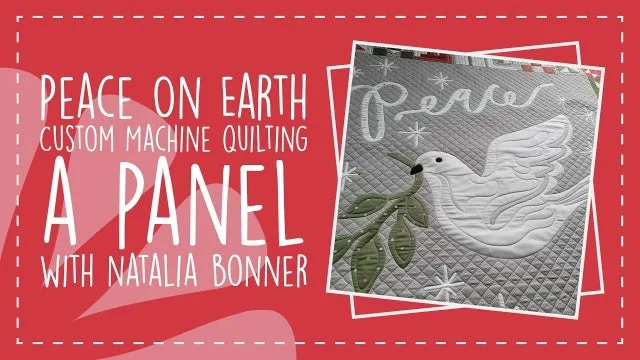
- Custom Machine Quilting a Panel: In this exclusive PNQ Academy video Natalia will walk you through the machine quilting process for Lella Boutique's Peace on Earth Christmas panel. She'll show you how to quilt the panel in a way that doesn't make it look like a typical store-bought panel. Natalia starts by outlining the appliquéd pieces with ruler work to define the elements and make them pop. She uses basic crosshatching in some areas to add... If you quilt panels, this course shows how to use ruler work and crosshatching to add custom texture, which can inform how you cut and prepare your panel before quilting.
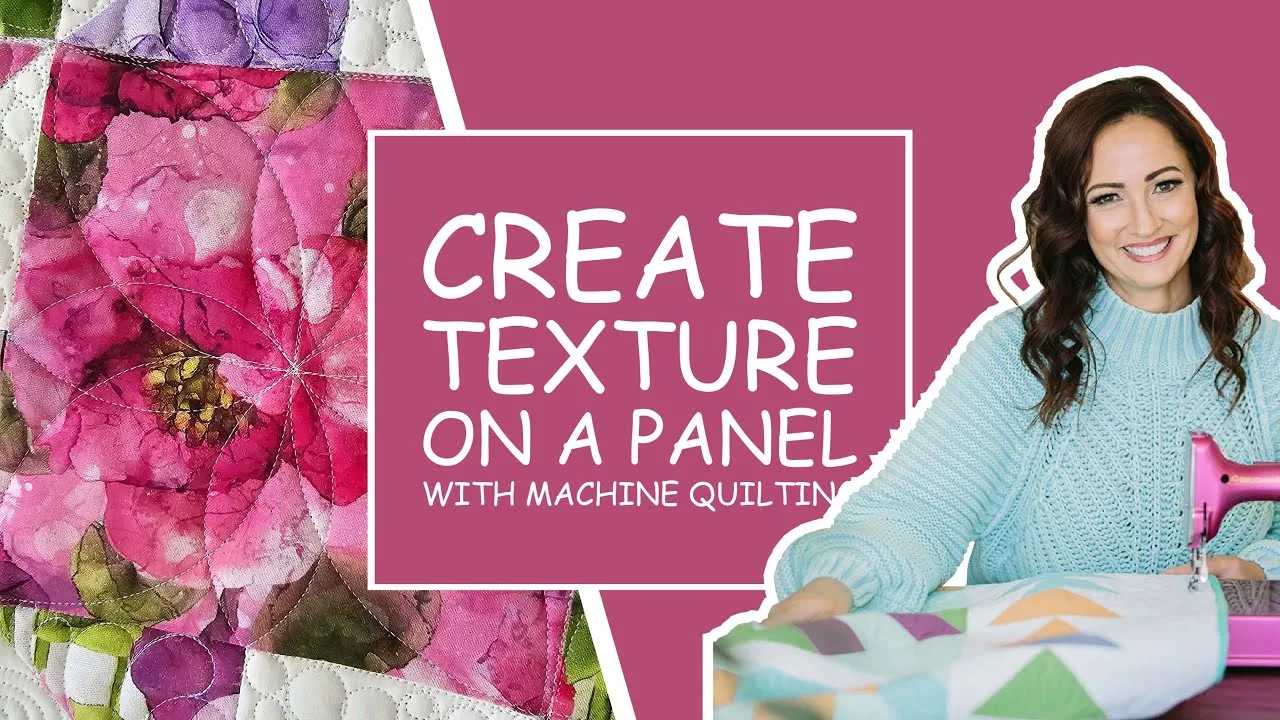
- Create Texture On A Panel With Machine Quilting: Natalia Bonner is back and excited to share this adorable quilt with you in the PNQ Academy. This quilt presents lots of fun design elements including, each corner with feather motifs that really allow creativity to shine through. There was ample negative space before Natalia began free-motion quilting, which provided the perfect canvas. In this video, she will machine quilt feathers in all four corners and... Learning how to quilt feathers and use negative space can help you plan your cutting so you have enough fabric for borders and corners.
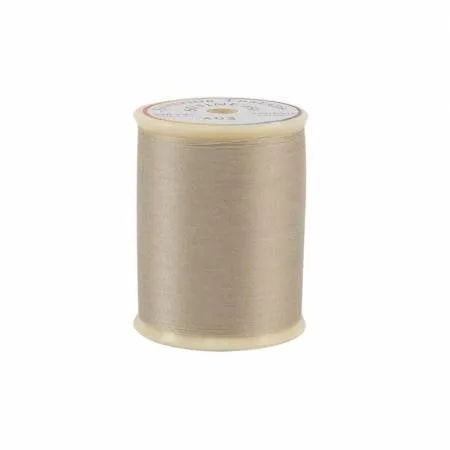
- So Fine! Thread #403 Putty - Spool: So Fine! #50 is a #50/3 lint-free and extra smooth all purpose polyester thread. Each spool has 550 yards. Excellent for sewing, serger, bobbin thread and quilting. A neutral putty thread blends with many fabrics, making it a good choice for piecing and quilting when you don't want thread to dominate.
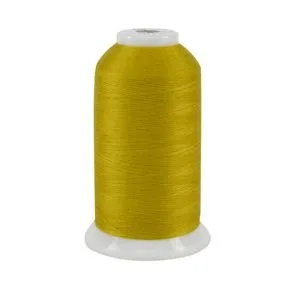
- So Fine! Thread #422 Mustard: So Fine! #50 is a #50/3 lint-free and extra smooth all purpose polyester thread. Each cone has 3,280 yards. Excellent for sewing, serger, bobbin thread and quilting. The large cone is economical for longarm quilters or those who do a lot of piecing, and the mustard color adds a warm accent when you want thread to show.
Who should buy which rotary cutter
Best for
- Quilters who want one reliable cutter for everyday piecing and trimming
- Sewists who cut fabric, batting, and occasional paper templates
- Left-handed users who need a comfortable, safe grip
Not for
- Crafters who only cut paper or cardboard; a craft knife may be more suitable
- Those who need to cut through metal or very hard materials
- Users who refuse to use a cutting mat and safety ruler
Choosing a rotary cutter comes down to size, safety, and comfort. Start with a 45mm with a retractable guard, add a 60mm if you cut bulky materials, and a 28mm for curves. Replace blades when they dull, and always cut on a mat with a ruler. A thoughtful choice now will keep your cutting accurate and your hands happy for years.