Quick answer
For general exams, a lightweight stethoscope with a tunable diaphragm or separate bell and diaphragm gives you the versatility you need for routine blood pressure checks and basic lung/heart auscultation. Focus on comfort, acoustic clarity, and durability within your budget.
Tunable diaphragm vs. traditional bell and diaphragm
A tunable diaphragm lets you switch between low- and high-frequency sounds by adjusting pressure on the chestpiece — no need to flip it over. This can speed up exams. Traditional two-sided chestpieces with a separate bell and diaphragm give you distinct acoustic paths, which some clinicians prefer for more precise auscultation.
Both approaches work well for general exams. Your choice comes down to whether you value convenience (tunable) or the familiar feel of separate components (traditional).
Weight and portability matter for daily use
A lighter stethoscope reduces fatigue during long shifts and is easier to carry in a pocket or bag. However, very lightweight models may feel less substantial or have slightly different acoustic characteristics. Try to balance weight with the build quality you need for daily wear.
Single-tube vs. dual-tube designs
Single-tube stethoscopes are lighter and less prone to tangling, making them a practical choice for general exams. Dual-tube designs can reduce sound loss but add weight and complexity. For routine assessment, a single-tube model is usually sufficient and more convenient.
How to choose your stethoscope: decision rules
- Identify your primary use: For routine blood pressure checks and basic heart/lung sounds, a general-purpose lightweight model is sufficient. If you need more detailed auscultation, consider a model with separate bell and diaphragm.
- Choose your chestpiece type: Select a tunable diaphragm for convenience (one side, pressure-based switching) or a traditional two-sided chestpiece for distinct low/high frequency paths. Both work well for general exams.
- Check tube length and design: A 28-inch single-tube model is a standard length that reduces tangling and keeps weight low. Longer tubes may be needed for certain settings, but add weight.
- Consider your budget: Entry-level stethoscopes under $50 can deliver reliable performance for general exams. Higher-priced models often add features like better acoustics or more durable materials, but may not be necessary for basic use.
- Test fit and comfort: Make sure the earpieces fit snugly and the tubing is flexible enough to move with you. An uncomfortable stethoscope will get left behind. If possible, try the stethoscope on before buying to confirm comfort and acoustic clarity.
Product highlights
-
3M™ Littmann® General Exam Stethoscope Lightweight II S.E. 1-Tube 28 Inch Tube Double Sided Chest piece: Features a tunable diaphragm that lets you alternate between low- and high-frequency sounds without turning over the chestpiece. You can quickly adjust to different exam needs — ideal for general checkups where you move between blood pressure and lung sounds.
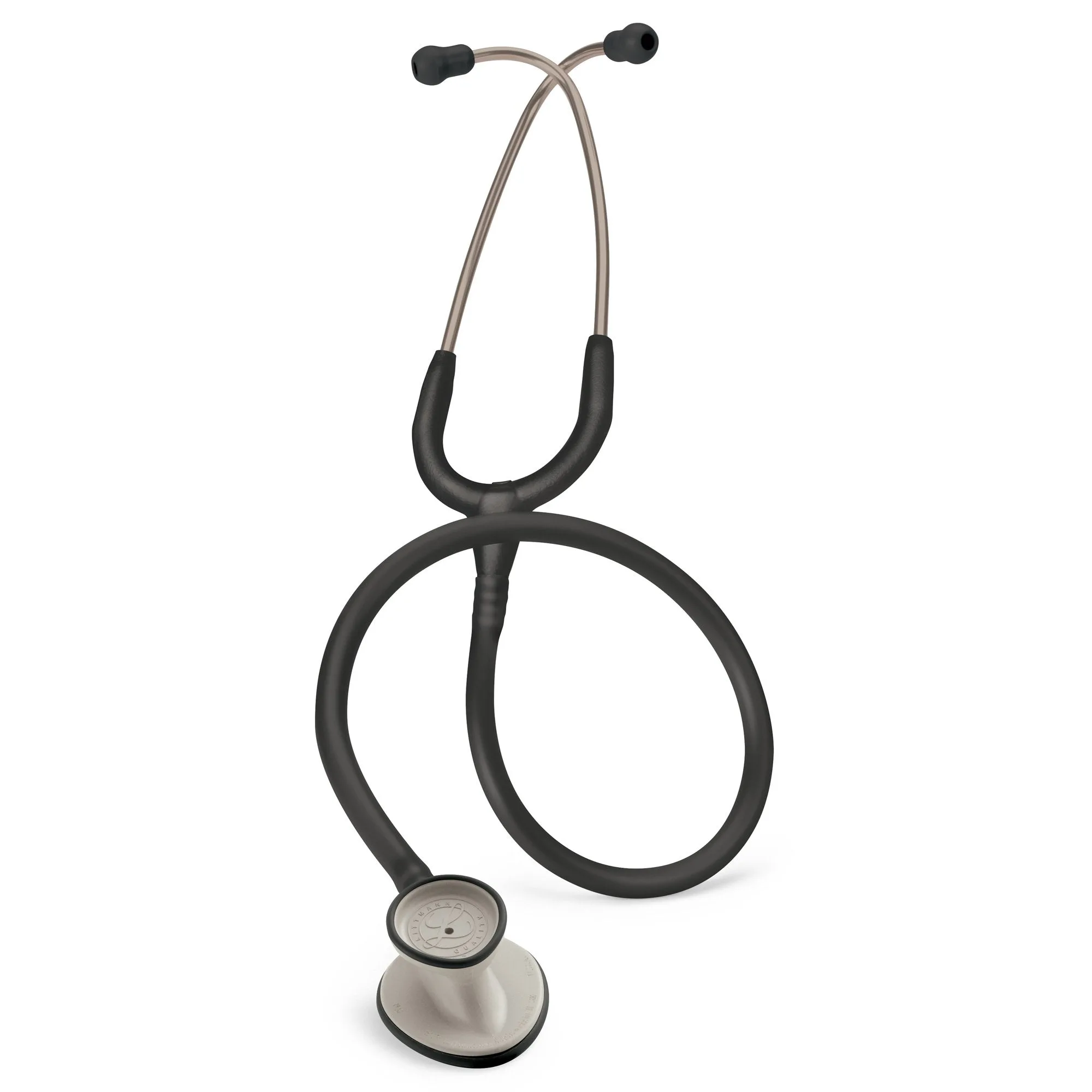
3M™ Littmann® General Exam Stethoscope Lightweight II S.E. 1-Tube 28 Inch Tube Double Sided Chest piece
-
MDF Acoustica® Adult Lightweight Stethoscope: Designed with a true bell for low frequencies and a true diaphragm for high frequencies, originally for medical missions. Provides clear, distinct acoustic separation, which can help when you need to isolate specific sounds during a basic assessment.
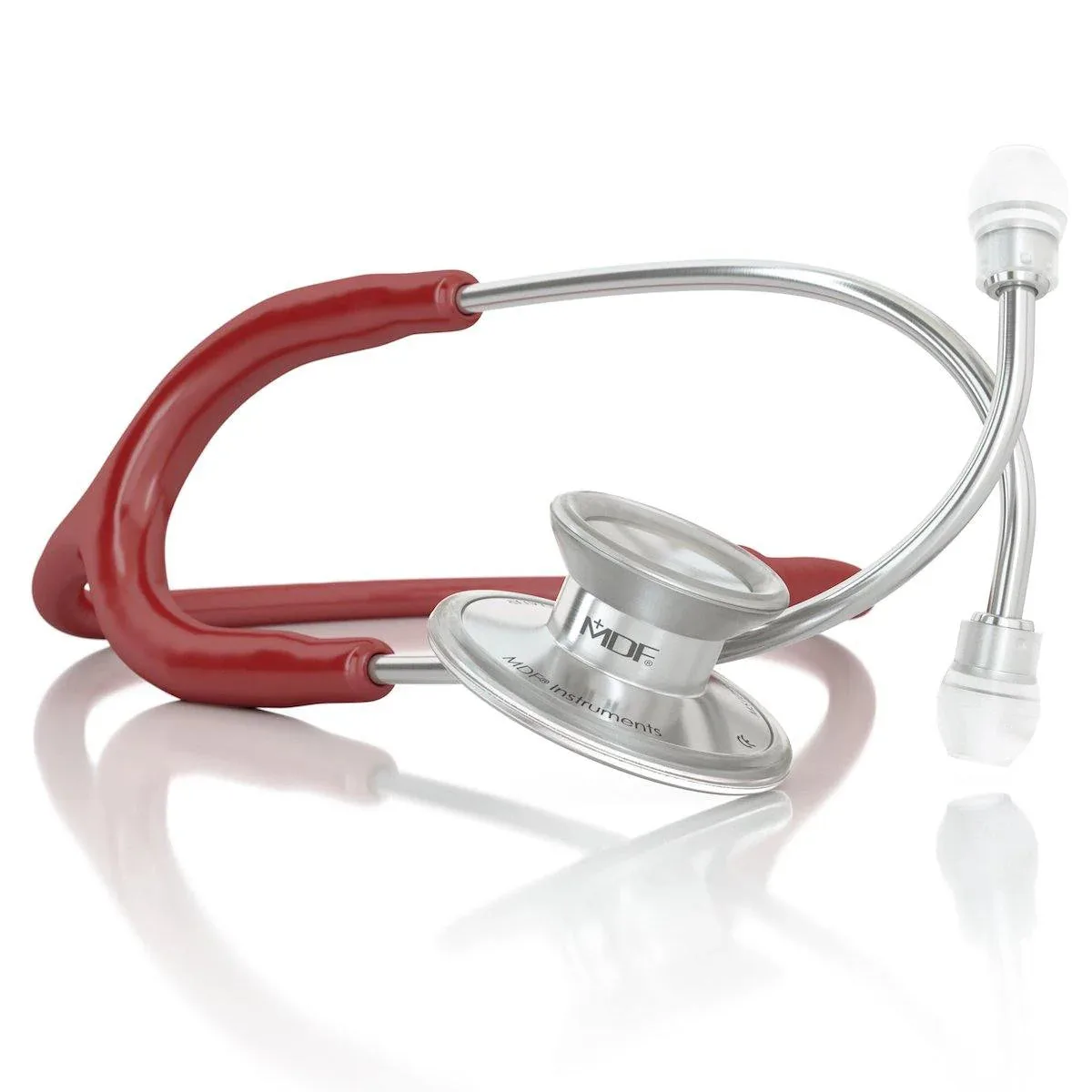
MDF Acoustica® Adult Lightweight Stethoscope
Who should choose what
Best for
- Nurses and nursing students who need a lightweight, affordable stethoscope for daily general exams
- Medical professionals who prefer a tunable diaphragm for quick frequency switching
Not for
- Specialists who require advanced acoustic detail for cardiac or pulmonary assessments