Quick answer
Choose a tarp size that covers your gear and sleeping area with some overhang. Rectangular tarps are the most versatile for general camping. For setup, use adjustable poles and guy lines to create an A-frame or lean-to shelter that sheds wind and rain.
Tarp size: how much coverage do you need?
A common mistake is buying a tarp that is too small. For a solo camper, a 8x10 ft tarp provides enough coverage for a sleeping area and gear. For two people, a 10x12 ft tarp offers more room to sit and cook under. If you plan to use the tarp over a picnic table or as a group shelter, go larger. Remember that a tarp pitched at a steep angle covers less ground area than one pitched low and flat.
Tarp shape: rectangular vs. square vs. catenary
Rectangular tarps are the most common and easiest to pitch in multiple configurations. Square tarps offer symmetrical coverage and are popular for minimalist setups. Catenary cut tarps have curved edges that reduce flapping in wind but require more precise pitching. For most campers, a rectangular tarp is the most practical choice because it works with standard pole sets and simple knots.
Tarp setup tips for stability and weather protection
A-frame setup is the classic choice: run a ridge line between two trees or poles, then stake the four corners. This creates a tent-like shelter that sheds rain well. For wind protection, pitch the tarp low to the ground on the windward side. Use a separate pole set for the main ridge and additional poles to prop up the sides for more headroom. Always stake guy lines at 45-degree angles for maximum stability.
Decision rules for choosing a tarp
- Coverage rule: Measure your sleeping area plus gear, then add 2-3 feet on each side for overhang. This ensures rain doesn't splash onto your gear. An 8x10 ft tarp works for solo; 10x12 ft for two people.
- Shape rule: Choose rectangular if you want the most setup options. Choose square for minimalist symmetrical pitches. Choose catenary if you camp in windy areas often. Rectangular is the best all-around choice.
- Setup rule: Use separate poles for the ridge line and side support. This gives you more control over pitch height and wind protection. A-frame is easiest; lean-to works well for wind protection.
Products that can help
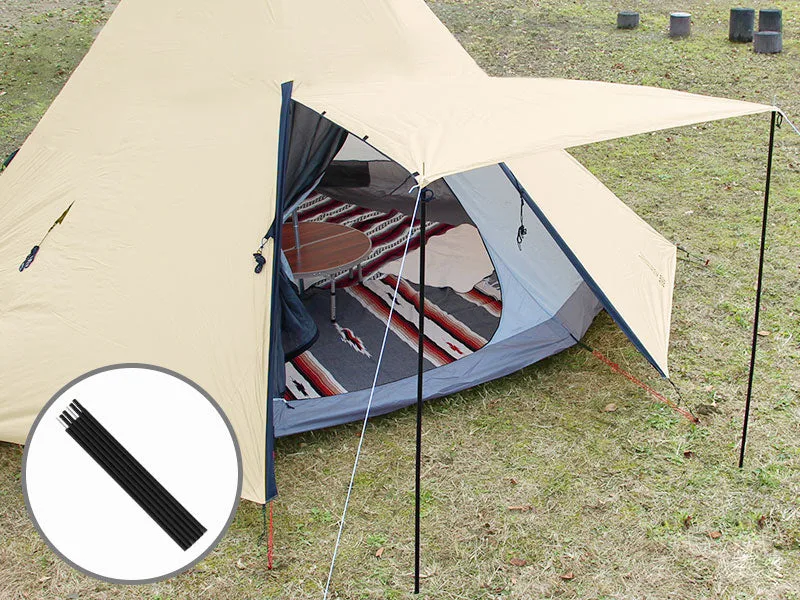
- Kiso Awning Poles: The Kiso Awning Pole (set of two poles) provides support for tent awnings and secondary support for tarps. It can be used as a secondary pole set for tarps - use DOD's Compact Tarp Poles or Big Tarp Poles to form the main ridge line of your tarp then use the Kiso to prop the tarp sides higher. This gives you a way to increase headroom and usable space under your tarp without buying a larger tarp. It's a flexible addition to your shelter system.
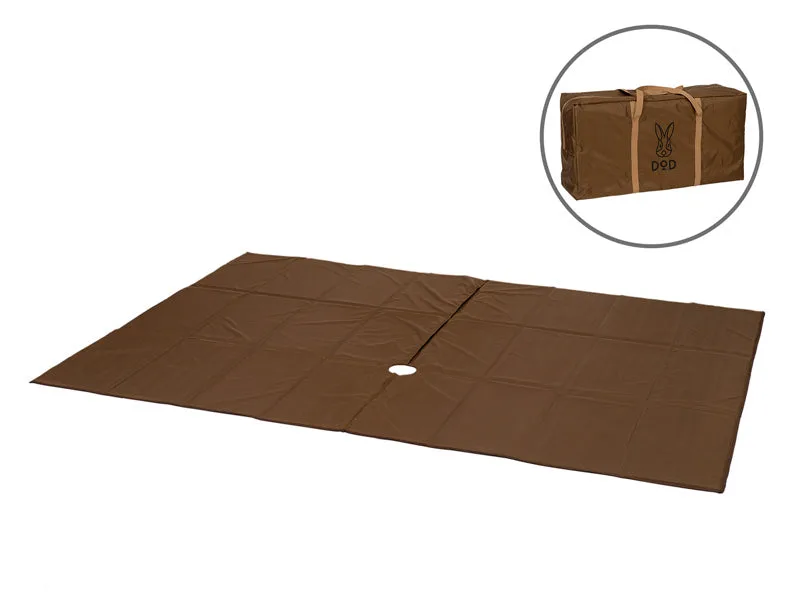
- RX Pyramid Tent Mat (M): The RX Pyramid Tent Mat enhances the comfort of your RX Pyramid Tent with its tailored fit and cushioned design. This mat not only improves the tent's interior feel but also provides insulation against ground cold. Features a 0.24-inch (6mm) thick layer of cushioning material, effectively absorbing ground unevenness. If you use a tarp as a ground cloth or under a pyramid tent, this mat adds cushioning and insulation, making your sleep setup more comfortable and protecting you from uneven ground.
Who should buy what
Best for
- Campers who want a versatile, easy-to-pitch shelter for fair weather
- Backpackers who need a lightweight, packable tarp for minimal setups
Not for
- Campers who need a fully enclosed tent for heavy rain or bug protection
- Those who want a pre-pitched, freestanding shelter without staking