Why Add a Footprint to Your Tent Setup
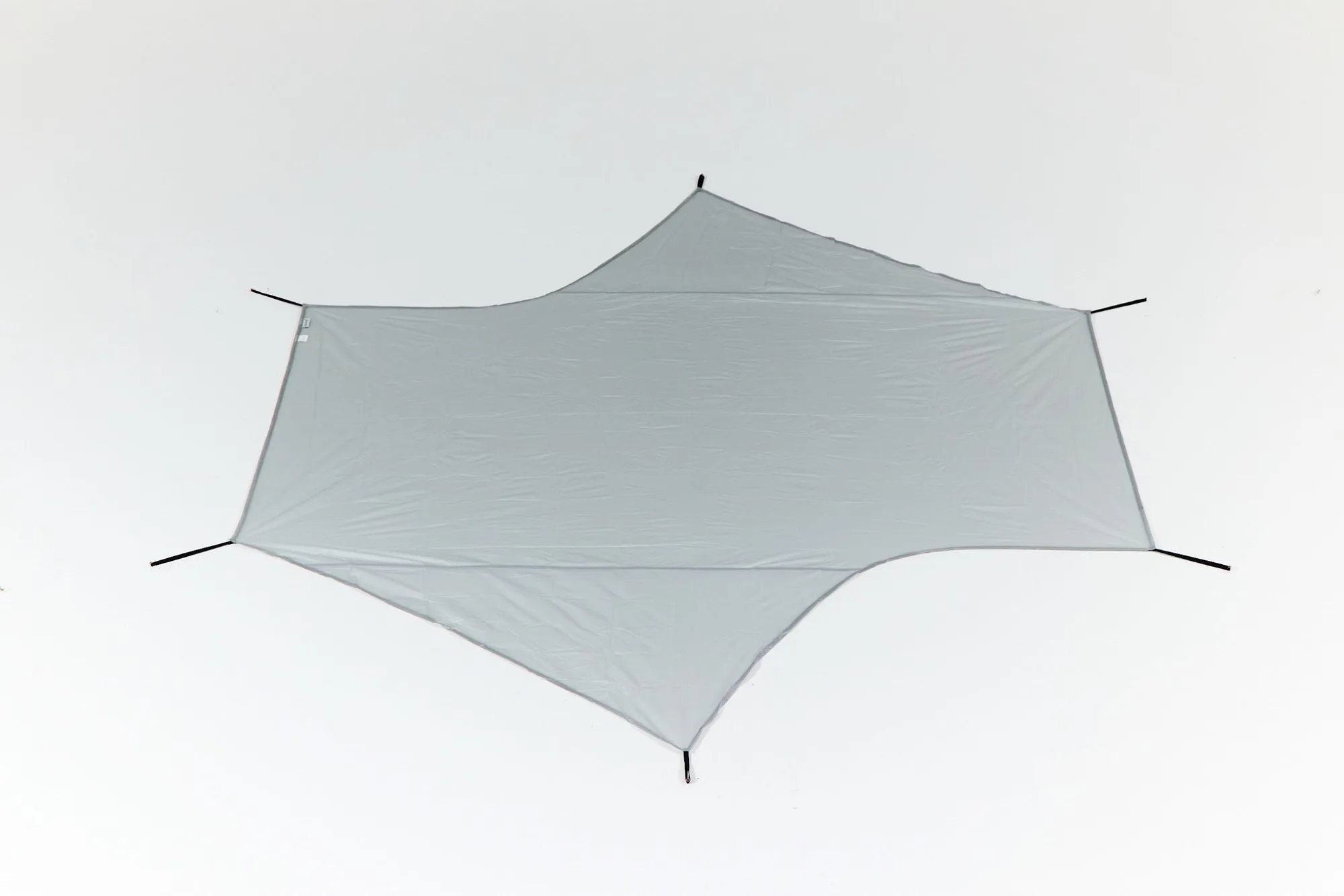
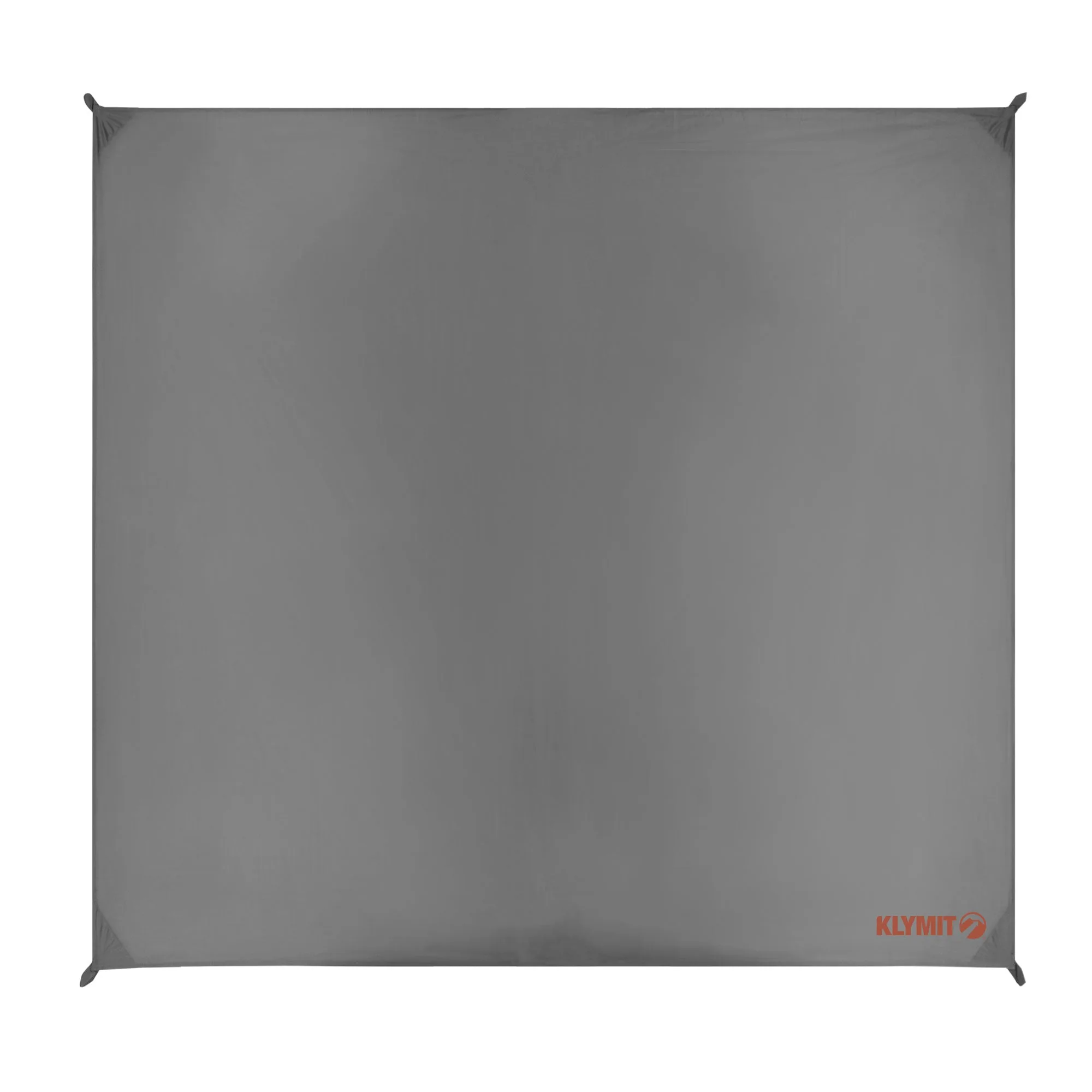
A tent footprint is a custom-shaped groundsheet that sits under your shelter. Its main job is to protect the tent floor from abrasions, tree sap, punctures, and dirt. Because cleaning a footprint is much easier than cleaning the tent itself, using one can extend the life of your tent. It's also less expensive to replace a worn footprint than to buy a new tent if the floor gets damaged.
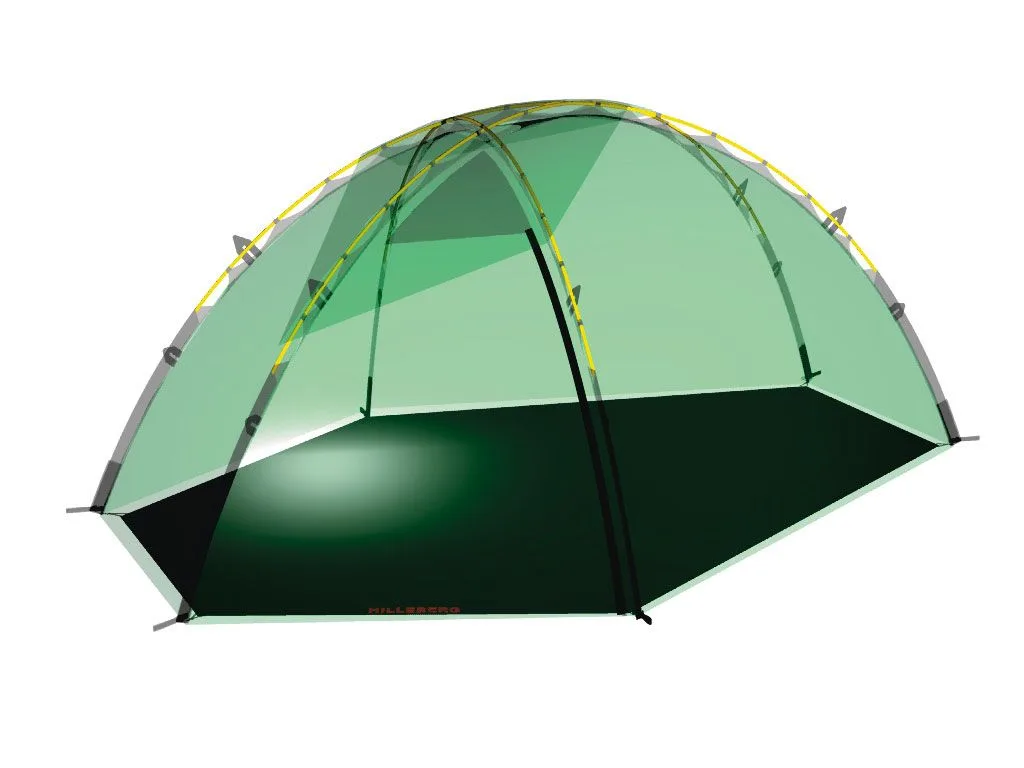
Most footprints are designed to match a specific tent model, covering the entire floor area and often the vestibule. They can attach directly to the tent and stay connected during setup, saving time and ensuring a snug fit.
What to Look for in a Footprint
When choosing a footprint, the most important factor is compatibility with your tent. A custom footprint for your model will cover the exact floor shape and often the vestibule area, so it won't bunch up or leave exposed sections. Weight matters if you're counting grams for backpacking, but a footprint typically adds less than a pound to your load. Material durability is also key—look for fabrics like high-tenacity nylon that resist tears and abrasion.
Ease of setup is another consideration. Some footprints can be clipped or attached directly to the tent poles or corners, letting you pitch the tent with the footprint already in place. This is especially handy in wet or windy conditions.
Footprint Options for Popular Tents
-
Allak 2 Footprint: Custom sized footprint for the Hilleberg Allak 2 tent. Covers the entire tent and rainfly vestibule. Weighs 14 oz (395 g). The Allak 2 Footprint is tailored to the tent's floor and vestibule, adding minimal weight for a 2-person shelter. It can attach directly and stay connected during setup.
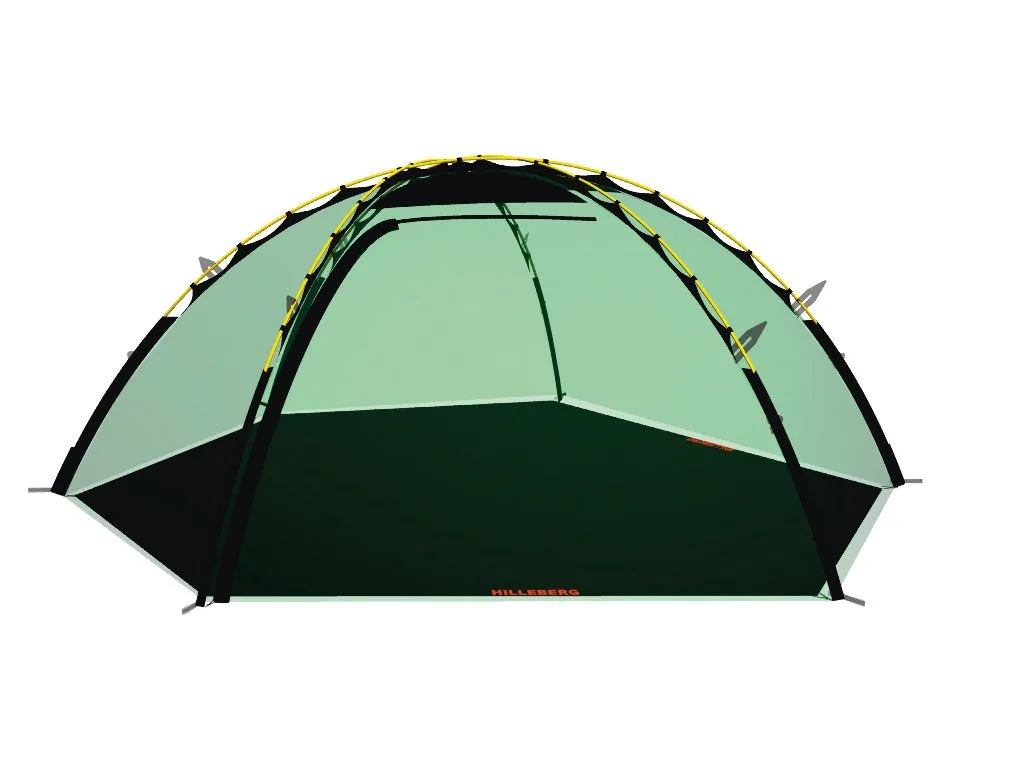
Allak 2 Footprint
-
Kaitum 2 Footprint: Custom sized footprint for the Hilleberg Kaitum 2 tent. Covers the entire tent and rainfly vestibule. Weighs 18 oz (510 g). The Kaitum 2 Footprint matches the larger floor plan of this tunnel tent, providing full coverage and a secure attachment for quick pitching.
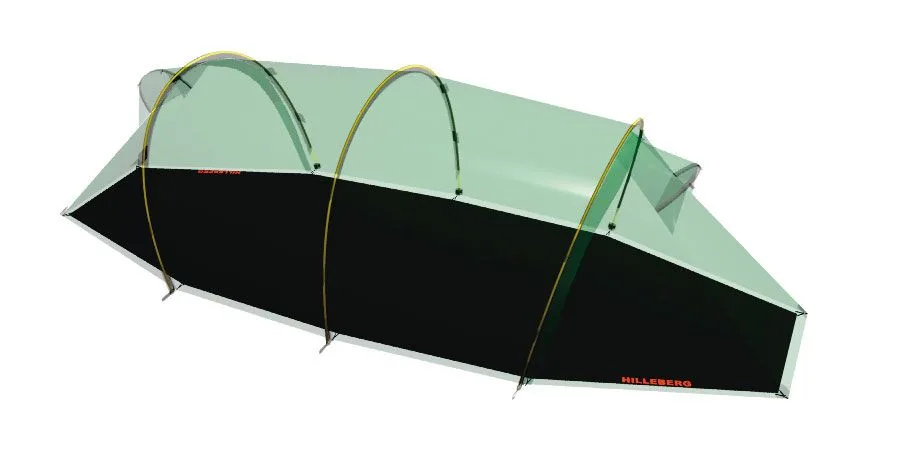
Kaitum 2 Footprint
-
Soulo Footprint: Custom sized footprint for the Hilleberg Soulo tent. Covers the entire tent and rainfly vestibule. Weighs 8 oz (225 g). At just 8 oz, the Soulo Footprint is a lightweight option for solo backpackers who want floor protection without a significant weight penalty.
-
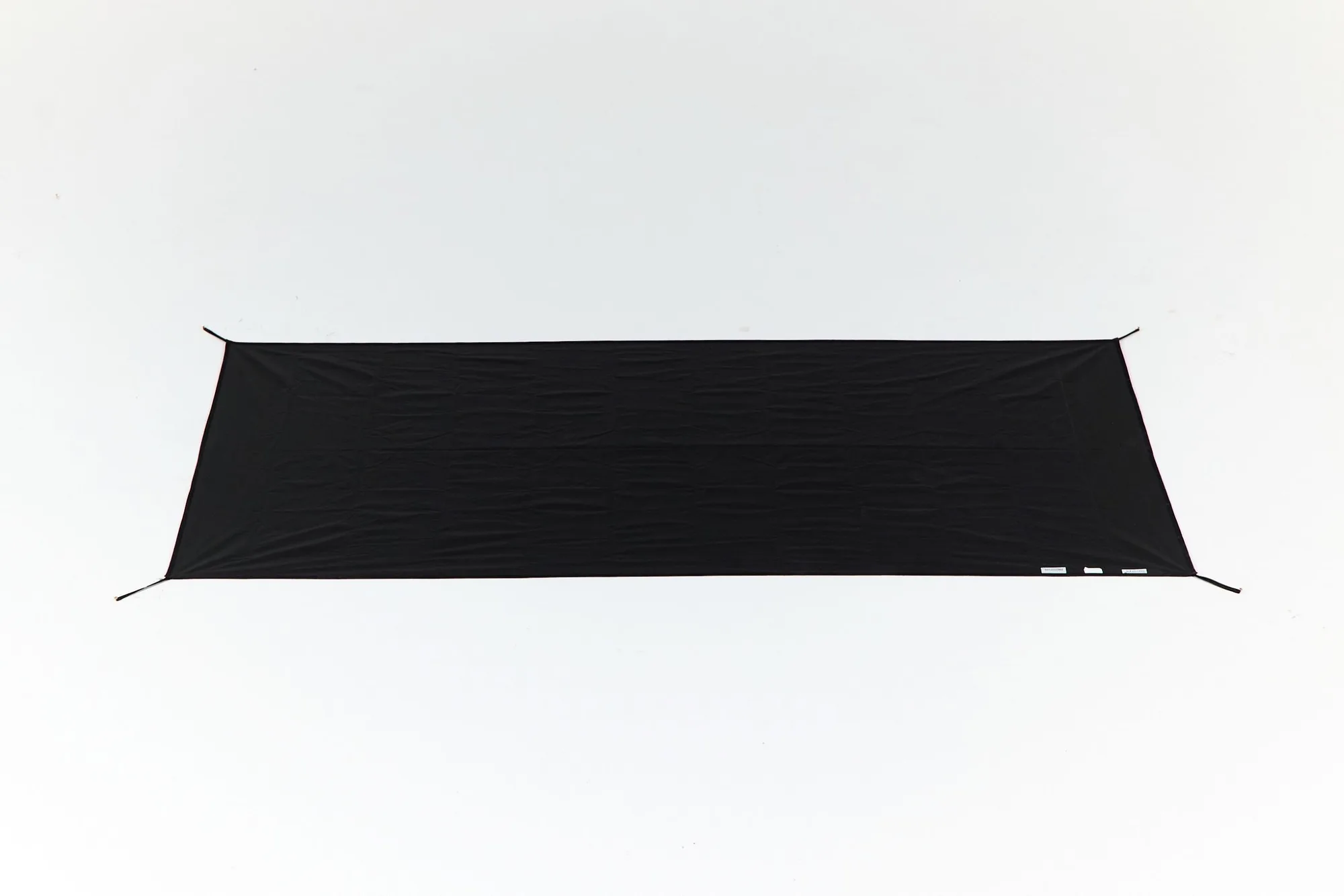
INSPIRE2 Footprint: Ground sheet for the Samaya Inspire2 tent. Made of high tenacity 30D Nylon 6.6. Weighs 370 g (13.1 oz). Floor size: 280 cm x 215 mm (110 in x 84 in). The INSPIRE2 Footprint uses a durable 30D nylon fabric designed to resist abrasion and perforation, allowing you to pitch the tent on varied terrain. Its specific dimensions match the Inspire2 floor exactly.
Trade-offs to Consider
The main trade-off is weight versus protection. Ultralight footprints like the Soulo Footprint (8 oz) add very little weight, but they may not be as robust on sharp or rocky ground. Heavier options like the Kaitum 2 Footprint (18 oz) offer more coverage and durability for larger tents but add noticeable weight to your pack.
Another consideration is cost. A footprint is an extra expense, but it's much cheaper than replacing a tent floor. If you often camp on abrasive surfaces or in wet conditions, the investment pays off quickly. For occasional use on soft grass or duff, you might skip the footprint and rely on the tent floor alone.
Finally, not all footprints include attachment points or instructions for staying connected during setup. Check the product details to see if your chosen footprint can be left attached—this feature can save time but isn't essential for everyone.