Quick Answer
Choose a toner for acne-prone skin that is alcohol-free, pH-balanced, and contains gentle exfoliants like salicylic acid or soothing ingredients like antioxidants. Avoid harsh astringents that strip moisture, and look for hydrating components to keep your skin barrier intact.
When you have acne-prone skin, toner can feel like a risky step. Many traditional toners are packed with alcohol and harsh astringents that leave your skin feeling tight and dry – which often leads to more oil production and more breakouts. But the right toner can actually help balance oil, gently exfoliate, and prep your skin for the rest of your routine.
In this guide, we'll walk you through what to look for and what to avoid in a toner for acne-prone skin, so you can make a confident choice that keeps your skin comfortable and clear.
What to Look for in a Toner for Acne-Prone Skin
First, check the ingredient list for alcohol-free formulas. Alcohol (often listed as SD alcohol, denatured alcohol, or isopropyl alcohol) can strip your skin's natural oils, leading to dryness and irritation. Instead, look for hydrating ingredients like glycerin, hyaluronic acid, or aloe vera, which help maintain moisture while cleansing.
Next, consider your skin's needs. If you're oily and acne-prone, a toner with salicylic acid can help unclog pores and reduce excess oil. If your skin is sensitive, look for soothing ingredients like green tea, chamomile, or antioxidants that calm redness without harsh exfoliation.
Finally, pH balance matters. Your skin's natural pH is slightly acidic (around 4.5-5.5). A toner that matches this range helps keep your skin barrier healthy and prevents irritation. Avoid toners with a high pH that can disrupt your skin's natural balance.
- Always patch test a new toner on your jawline for a few days before applying it all over your face.
- Apply toner with a cotton pad or your hands – avoid rubbing too hard, which can irritate skin.
Ingredients to Avoid in a Toner for Acne-Prone Skin
Steer clear of toners with high concentrations of alcohol, as they can over-dry and trigger excess oil production. Also, avoid artificial fragrances and essential oils, which are common irritants for sensitive, acne-prone skin. Witch hazel is another ingredient to be cautious with – while it's a natural astringent, it can be drying for some people.
Some toners contain harsh physical exfoliants or high levels of AHAs that can be too aggressive for daily use. If you're using other active treatments like benzoyl peroxide or retinoids, a gentle, hydrating toner is safer to avoid over-exfoliation.
Remember, a toner's job is to balance and prep, not to strip. If a toner makes your skin feel tight or itchy, it's not the right fit.
- If you have rosacea or very sensitive skin, skip toners with strong astringents and opt for a hydrating mist instead.
How to Use a Toner in Your Acne Routine
After cleansing, apply toner to a cotton pad and gently sweep it across your face, avoiding the eye area. Alternatively, you can pour a few drops into your hands and pat it onto your skin. Let it dry for a few seconds before applying serums or moisturizers.
Use toner once or twice daily, depending on your skin's tolerance. If you're using prescription acne treatments, you might only need to use toner in the morning or evening to avoid over-drying.
Always follow with a moisturizer to lock in hydration, even if you have oily skin. Skipping moisturizer can actually make your skin produce more oil to compensate.
- Don't forget to apply sunscreen during the day, especially if your toner contains exfoliating acids.
Decision Rules for Choosing a Toner
- Check the alcohol content: Look for toners that are alcohol-free. If alcohol is listed among the first few ingredients, skip it. Alcohol over-dries and can worsen acne in the long run. Choose a toner with hydrating ingredients like glycerin or aloe vera instead.
- Match the toner to your skin type: For oily skin, choose a toner with salicylic acid to control oil and unclog pores. For dry or sensitive skin, opt for a hydrating toner with soothing ingredients like green tea or chamomile. If you're unsure, start with a gentle, hydrating toner and see how your skin responds.
- Consider your other active ingredients: If you use benzoyl peroxide, retinoids, or strong exfoliants, avoid toners with additional acids or harsh astringents to prevent over-exfoliation. A simple, alcohol-free toner is safest when you're already using actives.
Top Toner Picks for Acne-Prone Skin
- Sal-C Toner: This purifying toner helps maintain optimal oil balance, while salicylic acid provides light exfoliation and a pure form of Vitamin C helps brighten skin. Salicylic acid is a beta-hydroxy acid that penetrates pores to clear excess oil and dead skin cells, making it ideal for oily, acne-prone skin. The Vitamin C adds antioxidant protection and brightening, so you get exfoliation and glow without harshness.
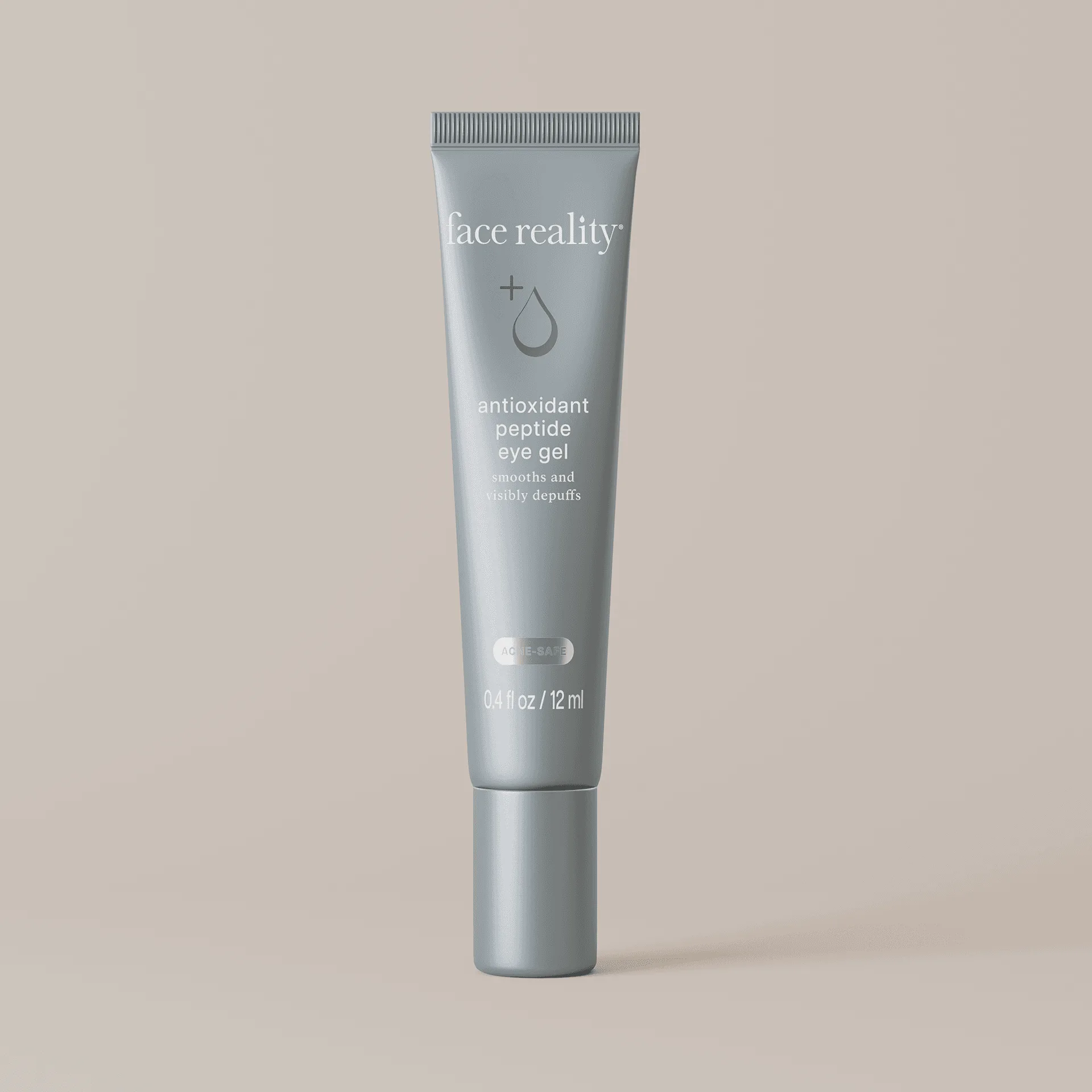
- Antioxidant Peptide Eye Gel: Antioxidant Peptide Eye Gel delivers antioxidants and nourishing ingredients that help diminish the appearance of dark circles, puffiness, and fine lines. While not a toner, this eye gel is a great complement to your toner routine. It provides targeted hydration and antioxidants around the delicate eye area, which can be easily irritated by acne treatments. Pairing a toner with a nourishing eye product helps maintain overall skin comfort.
Is This Toner Right for You?
Best for
- Oily and combination skin types that need oil control without stripping moisture
- Acne-prone skin that tolerates gentle exfoliation and is looking for a daily toner
Not for
- Very dry or severely compromised skin barriers that need only hydration and no exfoliants
- Those with active, inflamed acne who should consult a dermatologist before adding new actives
Choosing the right toner for acne-prone skin doesn't have to be complicated. Focus on alcohol-free formulas with hydrating and balancing ingredients, and consider your skin's specific needs. With the right toner, you can keep your skin clear and comfortable without over-drying.