Quick Answer
For most adults, vitamin A capsules offer precise dosing and convenience, while drops are ideal for children or those who have trouble swallowing pills. Choose a supplement that provides vitamin A as retinol or beta-carotene, and stick to the recommended daily allowance to avoid toxicity. Always consult your healthcare provider before starting any new supplement.
Vitamin A is a fat-soluble vitamin essential for vision, immune function, and skin health. With so many options on the market, choosing the right supplement can be overwhelming. This guide breaks down the differences between drops and capsules, explains proper dosage, and helps you make an informed decision.
Whether you're looking for a daily multivitamin or a targeted supplement, understanding the forms of vitamin A—preformed (retinol) and provitamin (beta-carotene)—is key. We'll also highlight how certain supplements, like those in the Dirty Genes line, can support your unique genetic needs.
Vitamin A Drops vs. Capsules: Pros and Cons
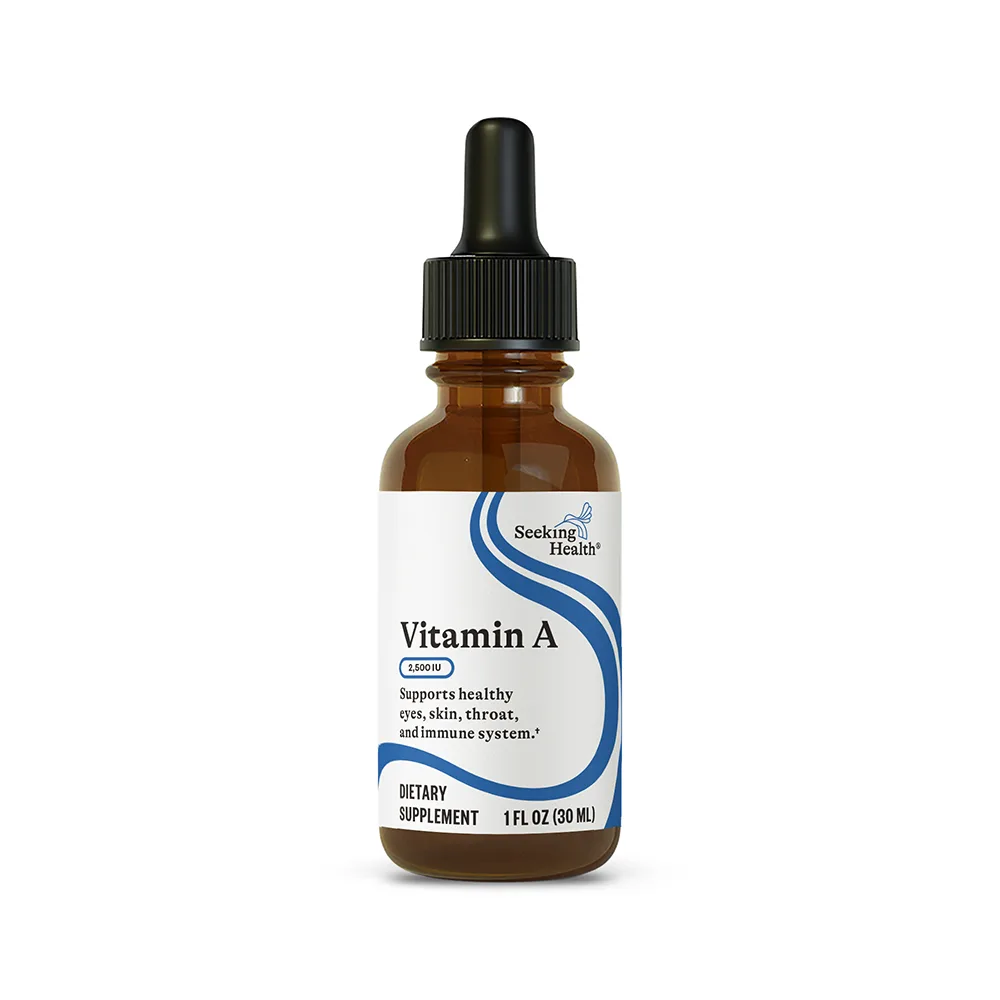
Vitamin A Drops
Vitamin A drops are liquid supplements that can be easily added to food or beverages. They are often preferred for children, the elderly, or anyone who has difficulty swallowing pills. Drops also allow for flexible dosing, as you can adjust the number of drops to meet your specific needs. However, they may have a shorter shelf life once opened and require careful measurement to avoid overdosing.
Capsules, on the other hand, offer convenience and precise dosing. Each capsule contains a fixed amount of vitamin A, making it easy to track your intake. They are also less likely to have an unpleasant taste and are portable for travel. The downside is that they may be harder to swallow for some people, and the fixed dosage might not be suitable for those needing very low or very high amounts.
- Consider drops if you need flexible dosing or have difficulty swallowing pills.
- Opt for capsules if you prefer convenience and exact dosing.
Understanding Vitamin A Dosage: How Much Do You Need?
The recommended dietary allowance (RDA) for vitamin A varies by age and gender. For adult men, it's 900 micrograms (mcg) RAE (retinol activity equivalents), and for adult women, it's 700 mcg RAE. During pregnancy and lactation, needs increase, so it's crucial to consult your healthcare provider for personalized recommendations.
Taking too much vitamin A can lead to toxicity, causing symptoms like nausea, dizziness, and even liver damage. Preformed vitamin A (retinol) is more likely to cause toxicity than beta-carotene, which the body converts as needed. Always check the label for the form of vitamin A and the dosage to ensure you stay within safe limits.
- Check the label for the form of vitamin A: retinol or beta-carotene.
- Never exceed the upper limit of 3,000 mcg RAE per day for adults.
Key Factors to Consider When Choosing a Vitamin A Supplement
When selecting a vitamin A supplement, consider your dietary habits, health goals, and any underlying conditions. If you follow a vegan or vegetarian diet, you'll likely prefer a supplement with beta-carotene, which is plant-derived. Conversely, if you have a condition that affects fat absorption, you may need a water-miscible form of vitamin A.
Also, think about the quality and purity of the supplement. Look for products that are free from unnecessary additives and allergens. Some supplements, like those in the Dirty Genes line, are formulated to support individuals with specific genetic variations, which can affect how your body processes nutrients like vitamin A.
- Choose a supplement that aligns with your dietary preferences (vegan, allergen-free).
- Consider your genetic profile if you have known methylation or detoxification variations.
Decision Rules for Choosing a Vitamin A Supplement
- If you are pregnant or breastfeeding: Choose a prenatal supplement that includes vitamin A in safe doses, such as https://seekinghealthg.shop/products/optimal-prenatal-mf-259162Optimal Prenatal MF, which is formulated for genetic variations common in this population. Consult your healthcare provider to ensure adequate but not excessive vitamin A intake.
- If you have difficulty swallowing pills: Opt for liquid drops or a chewable form of vitamin A. Alternatively, consider capsules that are small and easy to swallow. Drops offer flexible dosing, but be careful to measure accurately.
- If you follow a vegan or vegetarian diet: Select a supplement with beta-carotene instead of retinol, as it is plant-derived. Check the label to confirm the source. Beta-carotene is safer in high doses because the body converts it as needed.
Supplement Facts
- Optimal Prenatal MF: Optimal Prenatal MF is a professionally formulated prenatal supplement designed to support maternal health during pregnancy and breastfeeding. Part of the Dirty Genes line, it addresses genetic variations such as MTHFR, COMT Slow, and MAOA Slow. If you're pregnant or planning to conceive, this supplement provides essential nutrients, including vitamin A, in a form that supports your genetic needs.
- Optimal Focus: Optimal Focus is a professionally formulated supplement designed to support brain health and cognitive function. Part of the Dirty Genes line, it targets specific genetic variations including COMT Slow, MAOA Slow, MTHFR, and PEMT. For those focused on cognitive health, this supplement offers a blend of nutrients that may complement your vitamin A intake, especially if you have genetic variations affecting nutrient metabolism.
Who Should Choose What
Best for
- Individuals who prefer precise dosing and convenience: choose capsules.
- Those who need flexible dosing or have swallowing difficulties: choose drops.
- Pregnant women or those planning pregnancy: consider a prenatal supplement like Optimal Prenatal MF.
Not for
- People with liver disease or those taking high doses of vitamin A should avoid high-dose supplements without medical supervision.
- Vegans should avoid supplements with retinol (animal-derived) and opt for beta-carotene.
Choosing the right vitamin A supplement doesn't have to be complicated. By understanding the differences between drops and capsules, knowing your dosage needs, and considering your lifestyle and health status, you can make an informed choice. Always consult with a healthcare professional before adding any new supplement to your routine. For those with specific genetic variations, exploring the Dirty Genes line may offer targeted support.