Quick Answer
For strength training, choose a mat with excellent grip to prevent slipping during dynamic poses and a stable surface that won't compress under your weight. A natural rubber mat offers the best combination of traction and durability.
Why Grip Matters More for Strength Yoga
When you're moving through a strength-focused flow or holding a plank, your hands and feet need to stay planted. A mat that shifts or slides can break your form and increase injury risk. Look for a mat with a tacky, non-slip surface, especially if you tend to sweat during intense sessions.
Thickness and Stability Trade-Offs
Thicker mats (5mm and above) cushion joints during floor work like push-ups or core exercises, but they can feel unstable for balance poses. Thinner mats (3-4mm) give you a firmer connection to the floor, which helps with stability in standing poses. Your choice depends on whether you prioritize knee comfort or balance precision.
Material and Durability
PVC mats are affordable and durable, but they can become slippery when wet. Natural rubber mats offer superior grip and are more eco-friendly, but they may have a distinct smell initially and are heavier. TPE mats are lightweight and portable, but they wear out faster under heavy use.
Decision Rules for Choosing a Yoga Mat for Strength Training
- Prioritize grip: If you slip during downward dog or warrior poses, choose a mat with a natural rubber or high-traction PVC surface. Avoid mats with a smooth, shiny finish.
- Match thickness to your practice: For floor-based strength work (push-ups, core), a 5-6mm mat cushions your knees and wrists. For standing balance poses, a 3-4mm mat offers better stability. Consider having two mats if your practice mixes both types.
- Test for durability: A mat that will be used for strength training should hold up to repeated pressure and sweat. Natural rubber mats are long-lasting but heavier; PVC mats are lighter but may wear out faster.
Product Spotlight
-
Pine PUre Align Yoga Mat: Made from 100% natural rubber, designed to prevent slipping during sweaty practices. This gives you reliable traction for strength poses like downward dog and plank, even when you're working hard.
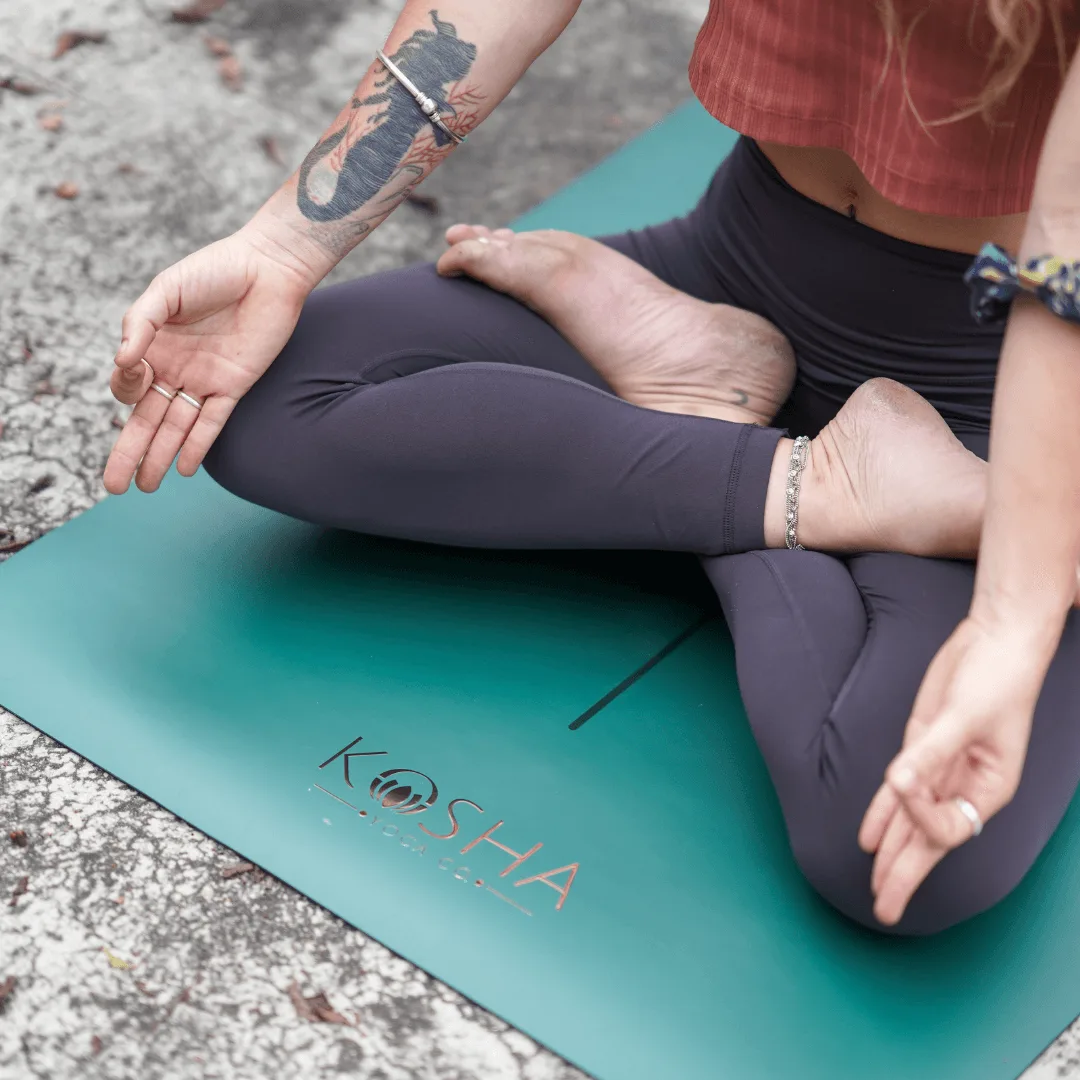
Pine PUre Align Yoga Mat
Who This Guide Is For
Best for
- Yogis who incorporate strength poses like planks, chaturangas, and arm balances
- People using their yoga mat for bodyweight floor workouts (push-ups, lunges, core work)
- Sweaty practitioners who need a non-slip surface
Not ideal for
- Those who only do restorative or yin yoga and prioritize extreme cushioning
- Practitioners who need an ultra-portable mat for travel (consider a thinner travel mat instead)