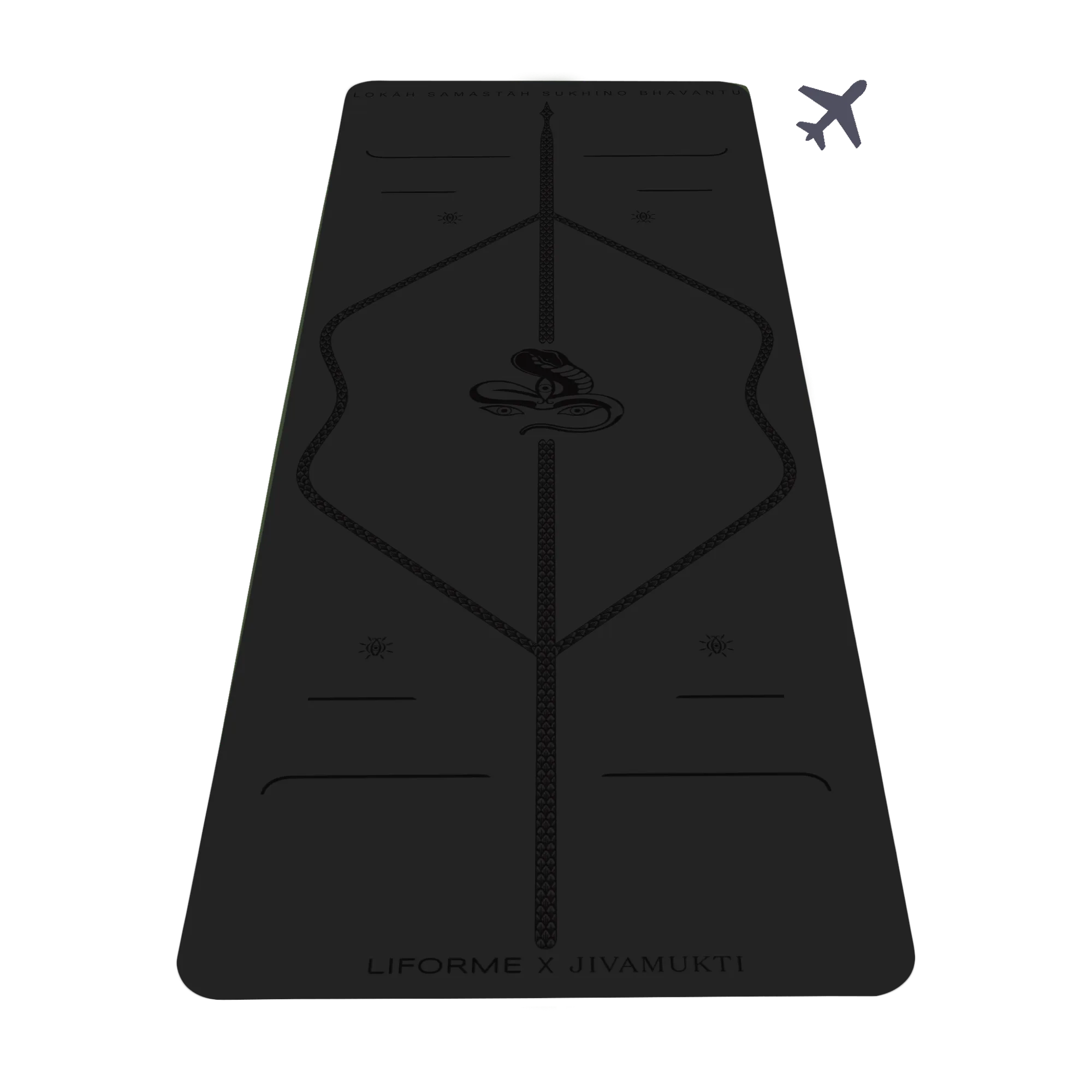
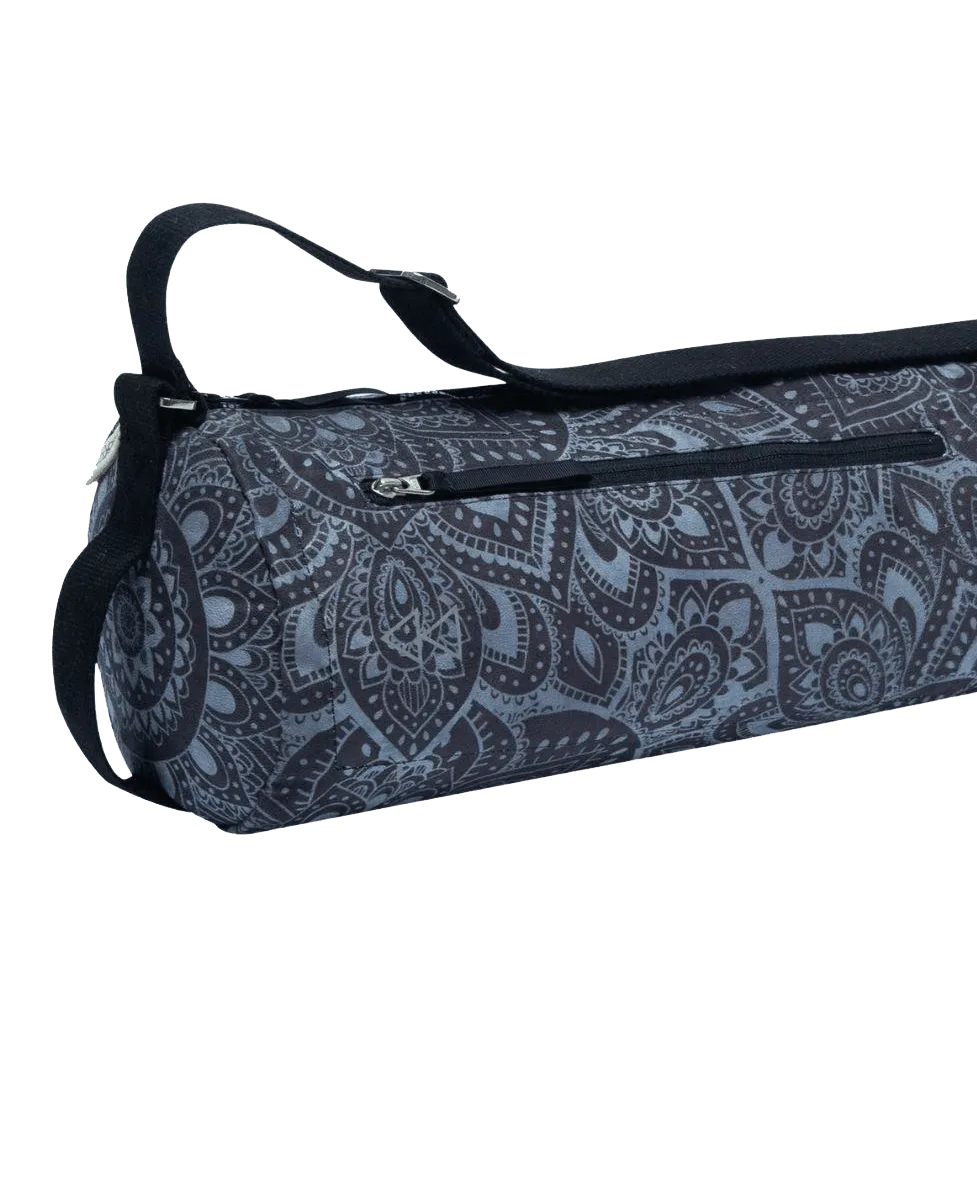
Quick answer
For frequent travelers who prioritize portability, choose a lightweight, foldable mat like the Travel Combo Yoga Mat. For those who practice at home or in studios and need extra cushioning and length, a durable option like the Combo Yoga Mat XL is a better fit.
Why weight and thickness matter for travel
When you’re on the go, every ounce counts. A travel yoga mat typically weighs less than a standard mat and folds or rolls into a compact shape that fits in a suitcase or carry-on. Thinner mats (around 2–3 mm) are easier to pack but offer less cushioning for joints. Thicker mats (4–6 mm) provide more comfort but add bulk and weight.
The trade-off is clear: portability vs. comfort. If you practice on hard floors or have sensitive knees and wrists, a thicker mat may be worth the extra weight. If you’re flying or backpacking, a thinner, lighter mat is easier to manage.
Durability and grip in travel mats
Travel mats often use a combination of materials to balance weight and function. A natural rubber base provides excellent grip and stability, while a microfiber top absorbs sweat and prevents slipping. However, rubber adds weight, so some travel mats use synthetic materials to keep the mat light.
For sweaty practices or outdoor use, a microfiber top is a game-changer. It stays grippy even when wet, which is ideal for hot yoga or beach sessions. But if you practice in a cool, dry studio, a simpler material may suffice and reduce weight.
Decision rules for choosing your travel yoga mat
- Prioritize portability: Choose a lightweight, foldable mat like the Travel Combo Yoga Mat if you fly or backpack frequently and need a mat that fits in a suitcase or daypack. Look for mats under 3 mm thick and under 3 lbs.
- Prioritize durability and comfort: Opt for a thicker, longer mat like the Combo Yoga Mat XL if you practice at home or in a studio and need extra cushioning for knees and wrists, or if you’re taller than average. Consider mats 4–6 mm thick with a rubber base for longevity.
- Match grip to your practice style: If you sweat heavily or practice hot yoga, choose a mat with a microfiber top. If you practice in a cool, dry environment, a standard PVC or rubber surface may be sufficient and lighter. Microfiber tops are best for sweaty practices; dry practices can use simpler materials.
- Check the carry method: Travel mats that fold flat are easier to pack in a suitcase than those that roll. Rolling mats take up more space but are easier to unroll and use immediately. Foldable mats are best for packing; rolled mats are better for quick setup.
Product facts
-
Travel Combo Yoga Mat: The Travel Combo Yoga Mat combines a soft, absorbent microfiber top with a natural rubber base, creating a stable, non-slip surface. Its lightweight, foldable design makes it simple to carry to class, studio, or outdoor practice. This mat gives you the grip and stability of a full-size mat in a portable package, so you don’t have to sacrifice performance when traveling.
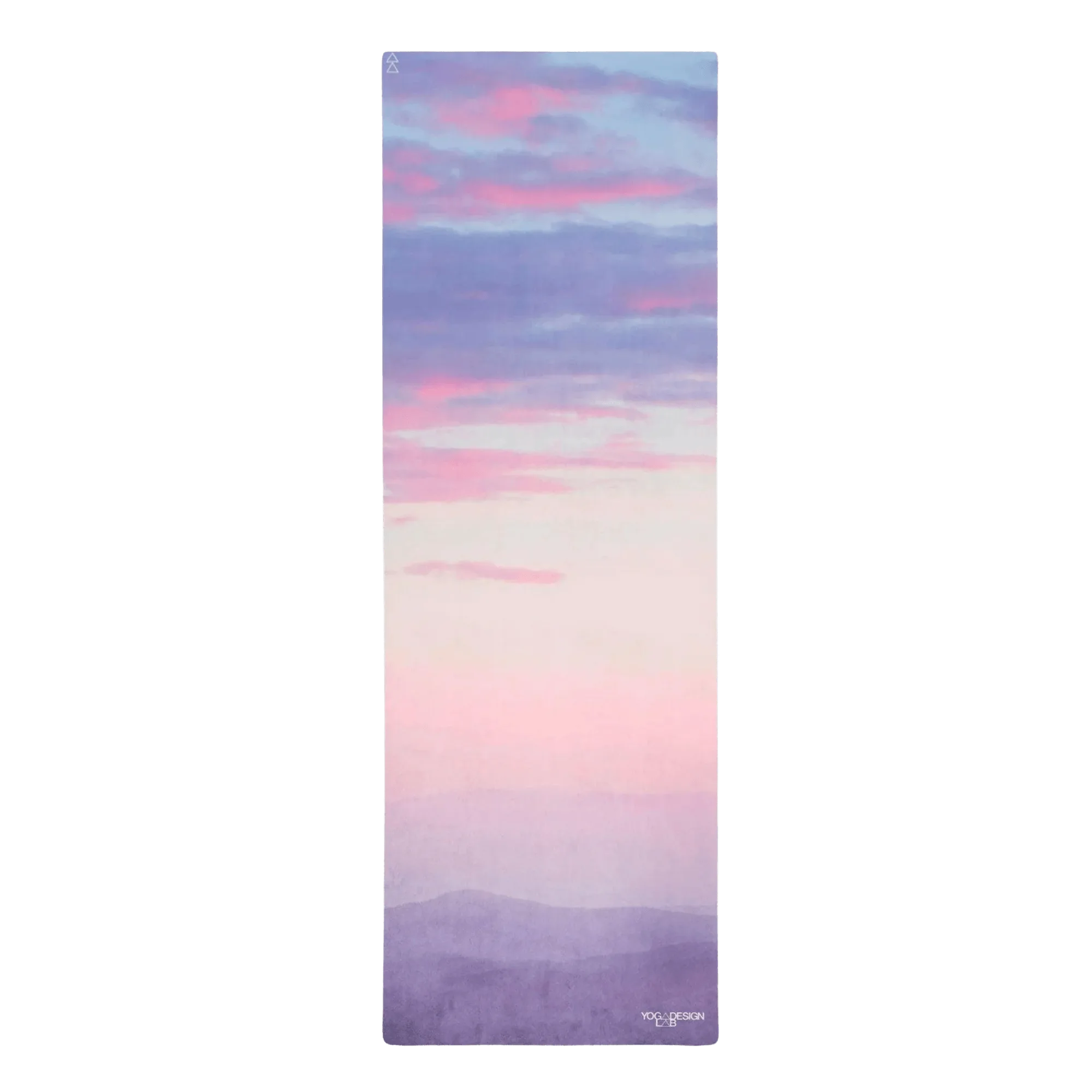
Travel Combo Yoga Mat
-
Combo Yoga Mat XL: The Combo Yoga Mat XL provides a soft, cushioned base with a microfiber top that offers unmatched grip for hands and feet, even during sweaty sessions. Its extra-long design accommodates taller practitioners or those who enjoy expansive flows. If you need more length and cushioning for a comfortable practice, this mat delivers durability and space without the portability compromises of a travel mat.
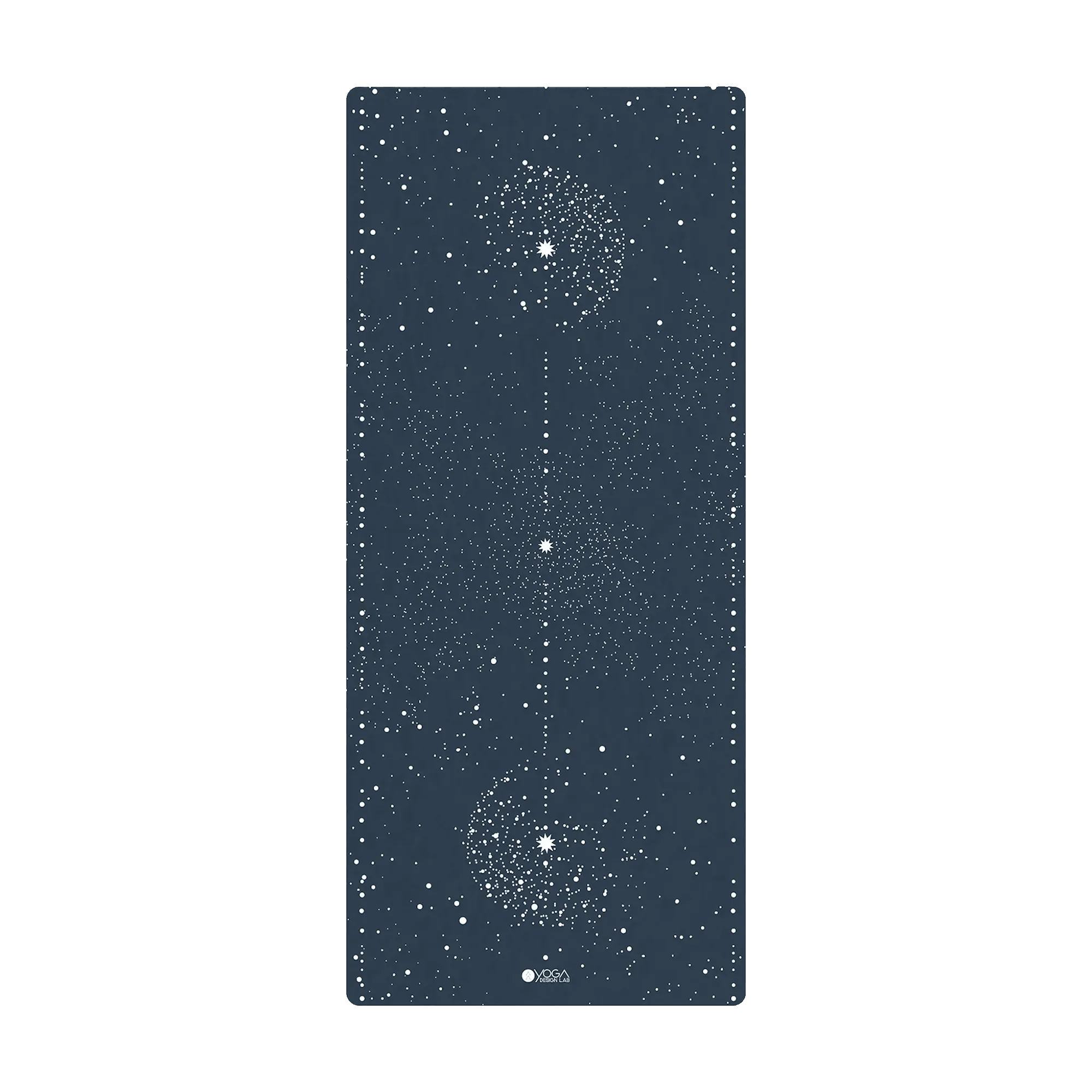
Combo Yoga Mat XL
Who should choose which?
Best for
- Frequent travelers who need a mat that fits in a carry-on or daypack
- Practitioners who value portability over extra cushioning
- Those who practice in varied environments (studio, outdoors, hotel rooms)
Not for
- Practitioners with sensitive knees or wrists who need extra padding
- Taller individuals who need a longer mat for full-body flows
- Those who practice primarily at home and prefer a thicker, more durable mat