Quick answer
Start with one ready-to-use, plant-based all purpose cleaner for daily wiping, then add a concentrated refill if you clean often enough to justify mixing your own. Keep a separate streak-free glass cleaner for windows and mirrors, because all purpose formulas can leave film on glass. If you want fewer bottles overall, a solid bar soap plus a draining tray covers sinks, counters, and small surfaces without plastic jugs.
Match the formula to the surface before the brand
The biggest mistake is buying one bottle for the whole house. A cleaner that cuts grease on a stovetop may leave dull streaks on a mirror, and a gentle formula for sealed stone can be too weak for baked-on food. Read the label for what the manufacturer says it is safe on, and treat that as the boundary, not a suggestion.
For sealed granite, marble, and quartz, choose a pH-neutral or stone-specific cleaner. For painted cabinets, finished wood, and laminate, use a mild all purpose formula and a damp cloth rather than a soaking spray. For tile, glass, and stainless steel, a standard all purpose cleaner usually works, but stainless benefits from a wipe along the grain with a soft cloth.
Ready-to-use vs concentrated: the refill math
A concentrated all purpose cleaner is a small bottle you dilute into your own spray bottle. It costs more up front but far less per spray, and it cuts the plastic and shipping weight of repeatedly buying pre-mixed liquid. A ready-to-use bottle is the better first purchase if you are still figuring out which scent and strength you like, or if you clean only a little each week.
The trade-off is effort and consistency. Concentrates require you to measure, and a wrong ratio can leave residue or underperform. If you dislike mixing, stay with ready-to-use. If you already refill hand soap or shampoo-16oz-78a33accb42019e04d722d1b-1097611">shampoo, a concentrate will fit your routine. Either way, keep a spare spray bottle so you are never tempted to over-dilute in the original container.
When to reach for glass cleaner instead
All purpose vs glass cleaner is not a marketing question, it is a residue question. Glass cleaners are formulated to evaporate quickly and leave no film, which is why they work on windows, mirrors, and glass tabletops. All purpose cleaners often contain surfactants and fragrances that can streak or haze on clear glass, especially in sunlight.
Use all purpose cleaner on window frames, sills, and tracks, then switch to glass cleaner for the pane itself. The same logic applies to stainless steel appliances and glossy black appliances: an all purpose cleaner can leave a visible haze, so test a hidden spot first or use a dedicated stainless polish.
What eco friendly and non toxic really change
An eco friendly all purpose cleaner usually means plant-derived surfactants and a refill or concentrate format, which reduces plastic and shipping. Non toxic generally means the formula avoids harsh solvents and chlorine bleach, which matters most in kitchens, kids' rooms, and anywhere you clean without gloves.
Neither term guarantees it is safe on every surface or safe to ingest. Store all cleaners out of reach of children and pets, ventilate when you use a stronger formula, and follow the dwell time on the label. If a product lists no ingredient information at all, that is a reason to keep looking rather than a reason to assume it is gentle.
Build a small kit instead of a cabinet of bottles
A workable kit is one all purpose spray, one glass cleaner, one concentrated refill, and a few reusable cloths. Add a dedicated scrubber only if you cook with cast iron or bake often, because abrasive pads can scratch the surfaces an all purpose cleaner is meant to protect. Microfiber or cotton cloths do most of the work; paper towels add cost and waste.
If you want to cut plastic further, solid bar soap can handle sinks, counters, and small messes when paired with a draining tray that keeps the bar dry between uses. That is not a replacement for a spray on large greasy surfaces, but it is a low-waste option for daily touch-ups and for anyone who dislikes storing liquids.
Decision rules for buying an all purpose cleaner
- If you clean glass weekly: Buy a separate glass cleaner and keep the all purpose bottle for frames and sills. Streaks come from residue, not from technique. Two bottles, one for film-free glass and one for everything else.
- If you refill other products already: Choose a concentrated all purpose cleaner and mix into a labeled spray bottle at the ratio on the pack. Measure rather than guess. Lower cost per spray and less plastic, at the cost of a little setup.
- If you have stone or sealed wood: Check the label for pH-neutral or stone-safe wording before buying. A general degreaser can dull or etch these surfaces over time. When the label is silent, treat the surface as off-limits.
- If you want the smallest possible kit: Pair a plant-based bar soap with a draining tray for sinks and counters, and keep one spray for large greasy jobs. Fewer liquids, less storage, same daily coverage.
Products that fit this routine
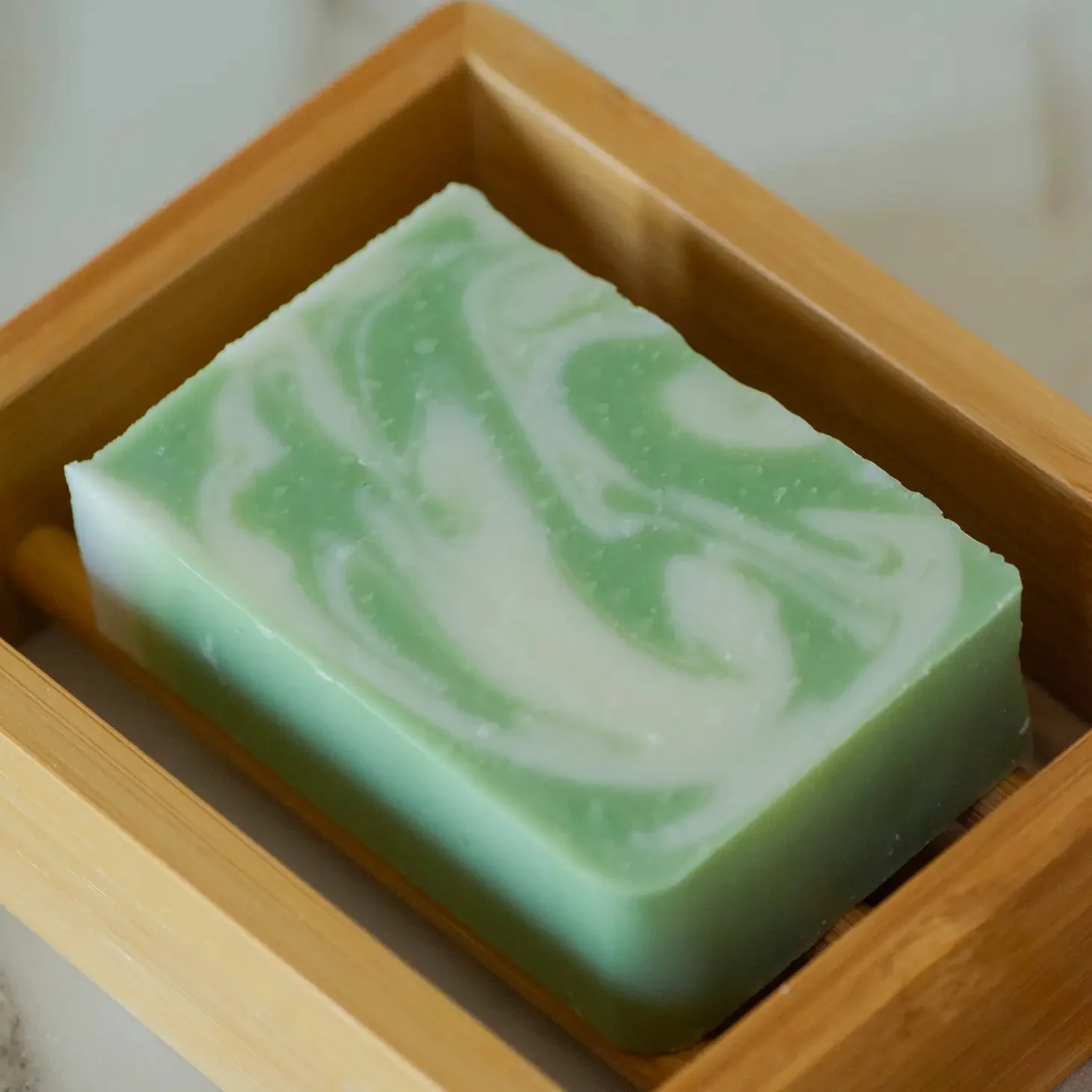
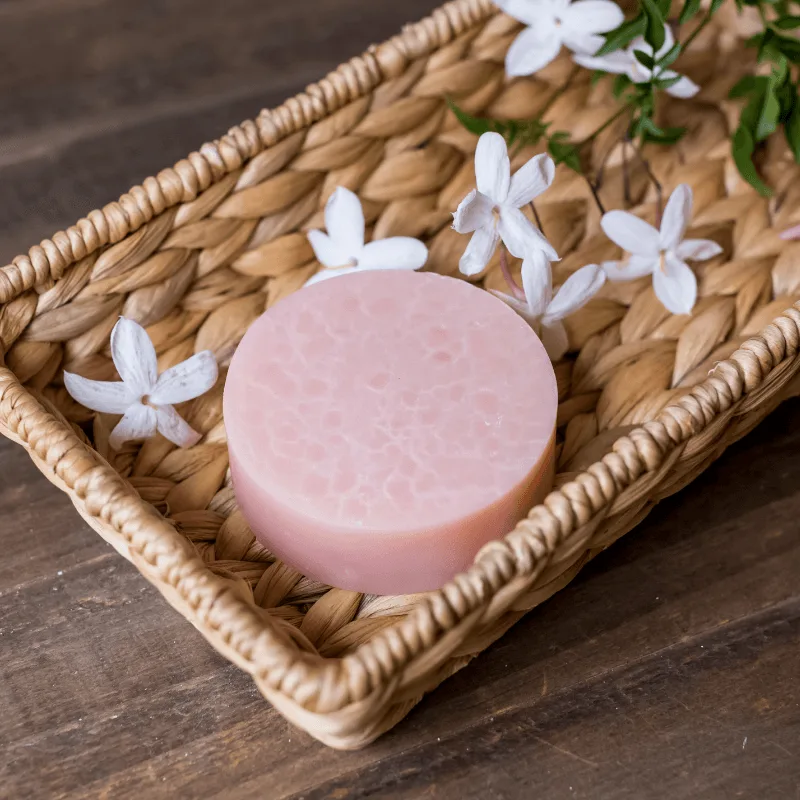
- Bar Soaps, 3.5oz: Sappo Hill is a family-owned business in Ashland, Oregon, making exclusively plant-based soaps by traditional cold-process methods for over 40 years, with whole natural, cruelty free and organic ingredients. A solid plant-based bar covers sinks and small surfaces without a plastic jug, and the cold-process method is a concrete reason to trust the formula on everyday messes.
- Dish Soap Tray: Moso bamboo, known as giant bamboo or timber bamboo, has been used for centuries for buildings, flooring and culinary tools; the tray should sit where it can drain or be elevated out of standing water and will need replacement with time. A draining tray keeps bar soap dry so it lasts longer, which is the difference between a low-waste swap that works and one that turns to mush on the sink.
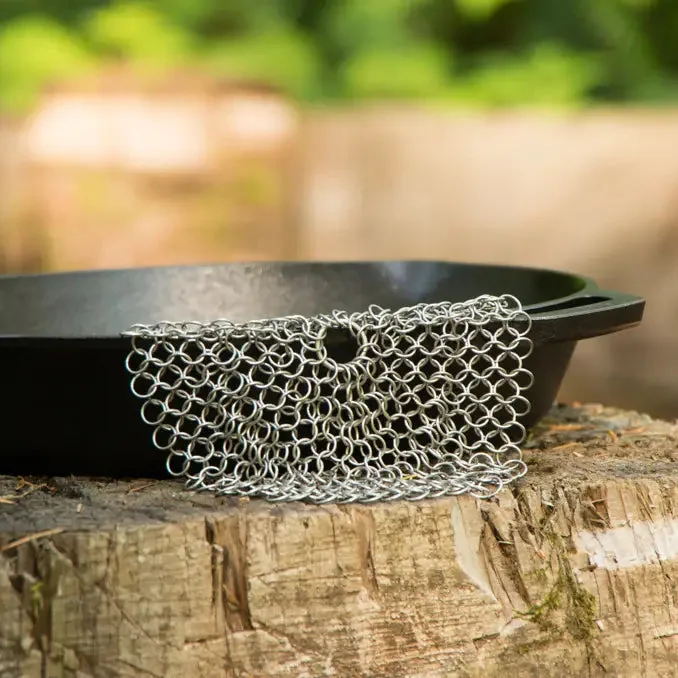
- 7-Inch Chainmail Scrubber: The rounded rings are food-grade stainless steel and pinch and dislodge stuck-on food without scraping, and the scrubber is dishwasher safe. If your all purpose cleaner cannot handle baked-on food, this is the tool that does it without stripping the seasoning off cast iron.
Who this approach fits
Best for
- Households that want one spray plus one glass cleaner instead of a cabinet of specialty bottles
- Anyone switching to refillable or concentrated formulas to cut plastic
- Renters and small kitchens where storage space is limited
Not for
- Anyone who needs a disinfectant claim, which all purpose cleaners do not automatically provide
- Homes with unsealed natural stone that requires a stone-specific product
- People who will not measure concentrate and prefer a single ready-to-use bottle