Quick answer
To choose art prints for your collection, focus on paper quality, edition type, and the artist's signature or provenance. Start with prints that match your space and budget, then expand into limited editions as your collection grows.
Paper and print quality matter
The paper and printing method directly affect how a print looks and lasts. Archival paper resists yellowing and fading, while giclée printing offers high color accuracy and detail. Look for prints described as archival or museum-quality to ensure longevity.
Signed prints add authenticity and value. Many artists sign on the back in pencil, which is a standard practice. Always check the description for signing details.
Edition size and rarity
Limited edition prints are numbered (e.g., 1/100) and often signed, making them more collectible. Open edition prints are produced in unlimited quantities and are usually more affordable but less rare. Decide what matters more: budget or exclusivity.
For a growing collection, mixing open and limited editions gives you variety without overspending. Focus on artists you love rather than chasing rarity alone.
Framing and display considerations
A print that comes with a border is easier to frame because the mat can overlap the border. Borderless prints require precise cutting. Some prints are shipped flat with protective sleeves and backers, which keeps them safe until you frame them.
Consider the size of your wall and existing decor. A 8x8 inch print works well in a gallery wall or small nook. Larger prints can be a focal point.
Decision rules for choosing art prints
- Check the paper and printing method: Look for archival paper and giclée printing for best longevity. Avoid unknown paper types if you want the print to last. Always read the product description for paper and printing details.
- Decide between open and limited editions: Open editions are affordable and widely available. Limited editions are numbered, signed, and more collectible. Choose based on your budget and collection goals. Mix both types to build a diverse collection.
- Verify signing and provenance: Signed prints (even on the back) add authenticity. Check if the print is signed and whether a certificate of authenticity is included. A signature or COA increases resale value and trust.
- Consider framing and size: Borderless prints need custom framing. Measure your wall space and choose a size that fits. Prints shipped flat are easier to frame than rolled ones. Plan for framing costs when buying borderless prints.
Product highlights
-
"Meltdown" Art Print by Johnny Acurso: The "Meltdown" Art Print by Johnny Acurso is 8x8 inches with no border, printed on archival paper, and signed in pencil on the back. It ships flat in a clear protective sleeve with an acid-free backer. The archival paper and pencil signature add collectible value and longevity, while the borderless design means you'll need a custom mat or frame for display.
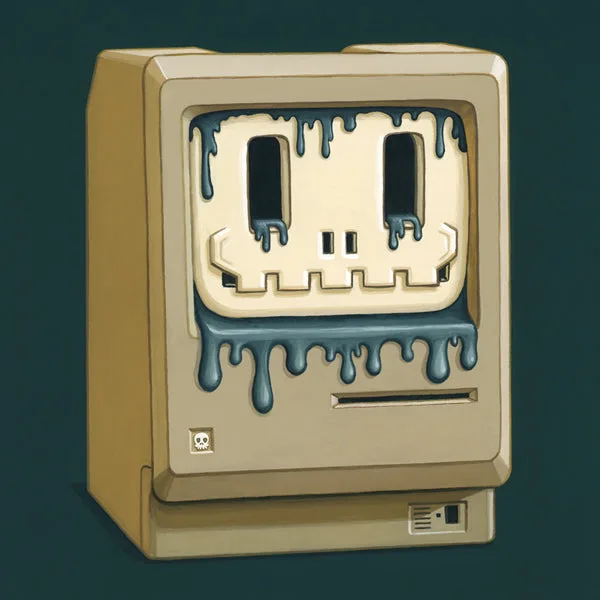
"Meltdown" Art Print by Johnny Acurso
Who this guide is for
Best for
- New collectors looking to start an art print collection
- Collectors who want to add signed, limited edition prints to their wall
Not for
- Collectors seeking original paintings or one-of-a-kind artworks
- Buyers who want ready-to-hang framed prints without any assembly