Quick Answer
For sensitive skin, choose a baby body lotion that is fragrance-free, hypoallergenic, and contains simple, soothing ingredients like ceramides, oatmeal, or shea butter. Avoid lotions with alcohol, synthetic fragrances, or harsh preservatives. Always patch test a new product on a small area before full application.
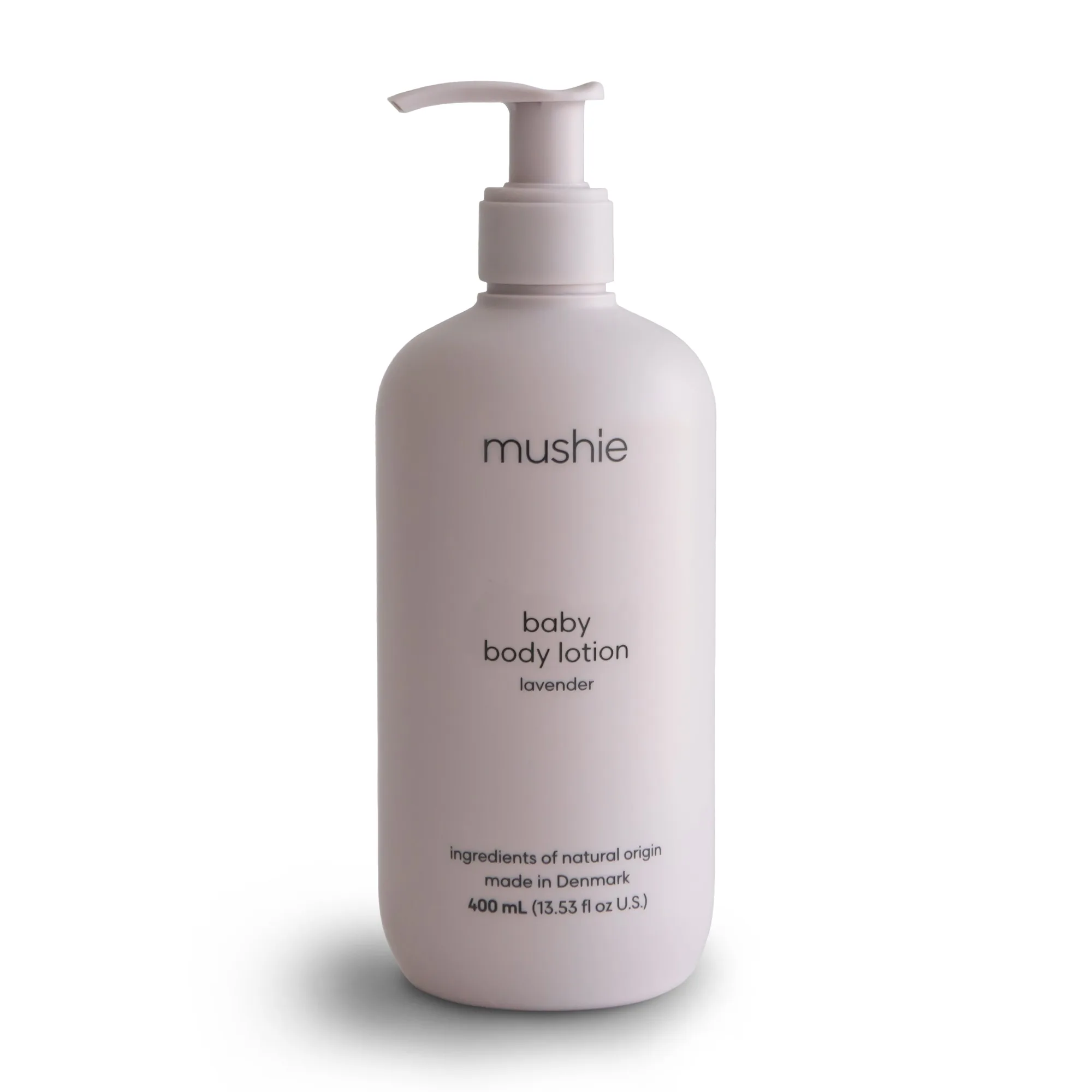
baby body lotion
When your baby has sensitive skin, choosing the right body lotion can feel overwhelming. With so many options on the shelf, it's hard to know which one will hydrate without causing redness, itching, or rashes. The good news is that by understanding a few key factors—ingredients, texture, and how your baby's skin reacts—you can make a confident choice that keeps your little one comfortable and soft.
This guide breaks down what to look for in a baby body lotion, what to avoid, and how to build a simple skincare routine that works for sensitive skin. We'll also share some practical tips on how to apply lotion effectively and when to consult a pediatrician.
Key Ingredients to Look For
When shopping for a baby body lotion, start by scanning the ingredient list for known skin-soothers. Ceramides help restore the skin barrier, which is often weaker in babies with sensitive skin. Oatmeal is another excellent choice—it's naturally anti-inflammatory and can calm itching and irritation. Shea butter and jojoba oil provide deep moisture without feeling greasy, while glycerin attracts water to the skin to keep it hydrated.
For babies with very dry patches, look for lotions that contain colloidal oatmeal or shea butter as a primary ingredient. These are especially helpful in colder months when indoor heating can dry out skin. If your baby has eczema-prone skin, products labeled 'eczema-friendly' often contain ceramides and niacinamide, which help strengthen the skin barrier.
- Look for fragrance-free, hypoallergenic formulas.
- Choose lotions with ceramides, oatmeal, shea butter, or glycerin.
- Avoid products with alcohol, synthetic dyes, or essential oils.
Ingredients to Avoid
Fragrance is the most common irritant in baby skincare products, even if it's labeled 'natural' or 'gentle.' Synthetic fragrances can contain hundreds of chemicals that may trigger allergic reactions. Similarly, essential oils, while natural, can be too strong for a baby's delicate skin. Alcohol, often listed as 'denatured alcohol' or 'SD alcohol,' can dry out the skin and strip its natural oils.
Also be cautious with parabens and phthalates, which are used as preservatives or to make scents last longer. While research on their safety is ongoing, many pediatricians recommend avoiding them in baby products. Instead, look for preservatives like phenoxyethanol, which is considered safer for sensitive skin.
- Avoid synthetic fragrances and essential oils.
- Steer clear of alcohol-based lotions.
- Check for parabens and phthalates—avoid if possible.
How to Test a New Lotion
Before slathering a new lotion all over your baby, do a patch test. Apply a small amount to a small area, like the inner wrist or behind the ear, and wait 24 hours. If there's no redness, swelling, or itching, it's likely safe to use on larger areas. For babies with a history of allergies, consult your pediatrician first.
When you start using a new lotion, introduce it gradually. Use it once a day for a few days, then increase to twice daily if your baby's skin tolerates it. This helps you identify any reactions early and prevents overwhelming your baby's skin with multiple new products at once.
- Patch test on a small area for 24 hours.
- Introduce new lotions gradually.
- Watch for signs of irritation like redness or itching.
Building a Simple Baby Skincare Routine
A simple routine works best for sensitive skin. Bathe your baby in lukewarm water for no more than 10 minutes, using a mild, fragrance-free cleanser. After patting dry—don't rub—apply lotion within 3 minutes to lock in moisture. This is especially important if your baby has eczema or very dry skin.
For daily hydration, choose a lightweight lotion for daytime and a thicker cream or balm for nighttime, especially in winter. If your baby has drool rash or diaper area irritation, use a barrier cream with zinc oxide, but for all-over body moisture, a gentle lotion is sufficient. Consistency is key: applying lotion daily helps maintain healthy skin.
- Apply lotion within 3 minutes of bathing.
- Use a thicker moisturizer at night for extra hydration.
- Be consistent—daily application is more effective than occasional heavy use.
Decision Rules for Choosing a Baby Body Lotion
- Check the ingredient list: Scan for ceramides, oatmeal, shea butter, or glycerin. Avoid fragrance, alcohol, parabens, and phthalates. If you see these beneficial ingredients and no irritants, it's a good candidate.
- Consider your baby's skin type: For dry or eczema-prone skin, choose a thicker cream or ointment. For normal skin, a lightweight lotion may suffice. Match the formulation to your baby's needs—thicker for dry, lighter for normal.
- Do a patch test: Apply a small amount to a small area and wait 24 hours to check for any reaction. If no redness or itching appears, it's likely safe to use.
- Consult a pediatrician if in doubt: If your baby has persistent rashes, eczema, or allergies, seek professional advice before introducing new products. Professional guidance is always safest for severe skin conditions.
Related Mushie Products for Sensitive Skin
- Silicone Baby Bib: Made of non-toxic silicone, they’re easy to clean, built to last, and a simple, practical choice for mealtime. A silicone bib prevents food and drool from soaking into clothing, reducing the need for frequent changes and protecting sensitive skin from constant moisture.
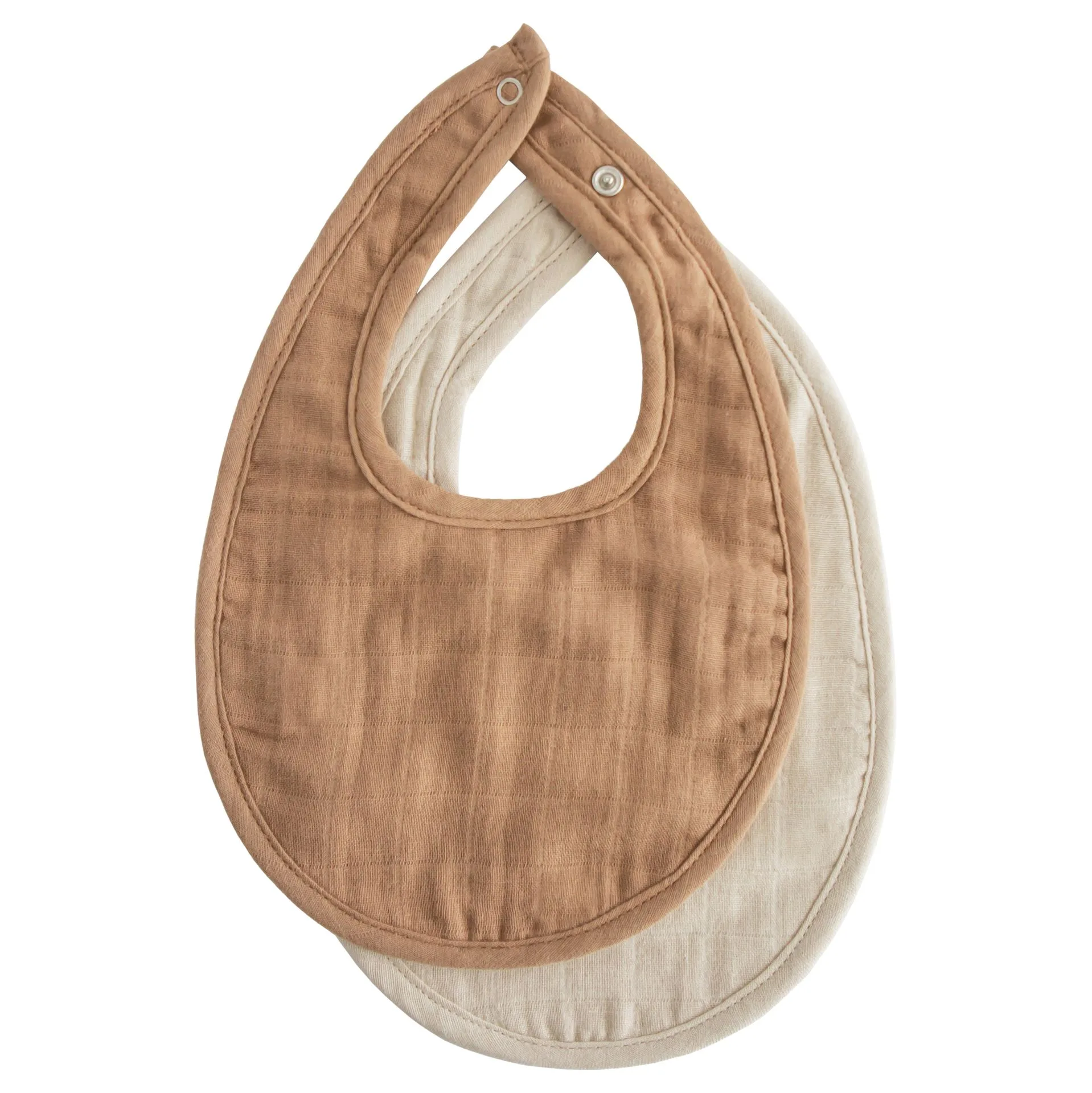
- Organic Cotton Muslin Cloths 3-Pack: Made from 100% organic cotton, our muslin cloth set serves as an extra soft layer ideal for a variety of daily uses. Soft, breathable muslin cloths are gentle on sensitive skin, perfect for patting dry after a bath or wiping away drool without irritation.
Best For vs. Not For
Best For
- Babies with dry, sensitive skin needing daily hydration
- Parents who prefer fragrance-free, hypoallergenic products
Not For
- Babies with active eczema flare-ups that require prescription treatments
- Parents seeking scented lotions or those with specific allergies to ingredients like oats
Choosing the right baby body lotion for sensitive skin doesn't have to be complicated. Focus on simple, fragrance-free formulas with soothing ingredients, avoid known irritants, and always patch test before full use. Pairing a good lotion with gentle skincare habits, like quick baths and immediate moisturizing, will help keep your baby's skin soft, comfortable, and healthy. When in doubt, your pediatrician is your best resource for personalized advice.