Quick answer
Choose a mid-weight organic cotton sweat as your default layer, add a quilted sweat for cold outings, and pick a garment-dyed sweat for mild days. Prioritize ribbed cuffs and a soft-washed finish for comfort, and size for one layer underneath rather than buying up several sizes.
Fabric weight decides the season, not the style name
The biggest mistake is buying by look rather than weight. A brushed terry interior traps warmth for cool mornings and air-conditioned rooms, while a mid-weight quilted sweat adds structure and insulation for genuinely cold days. A garment-dyed sweat is the lightest option here and works best as a standalone layer in mild weather or as a base under a jacket.
If you only buy one, choose the mid-weight layer that matches the temperature your child actually spends time in. A heavy quilted piece worn indoors leads to overheating, and a light sweat alone will not carry a winter walk.
Hood or no hood is a safety and practicality decision
A hooded sweat adds neck warmth and looks cosy, but a hood can bunch under a carrier or car seat harness and is not ideal for sleep. For pram walks and play, a hood is useful; for car seats and naps, choose a hoodless layer or remove the hood from the equation by using a blanket instead.
Also check that the hood is soft and not stiff. A soft-washed finish matters here because it keeps the fabric gentle against the neck and reduces the chance of rubbing.
Garment-dyed colour is a trade-off, not a flaw
Garment-dyed sweats have a softer, lived-in colour that fades gradually with washing. That is part of the look, but it means the colour will not stay as saturated as a piece dyed before cutting. If you need a sweat to look crisp for hand-me-downs or photos, a standard-dyed option holds colour longer.
For everyday play, the garment-dyed finish is a practical choice because the colour variation hides minor stains better than a flat, bright dye.
Decision rules for choosing a baby sweat
- Match weight to your coldest regular outing: If your child will be outside in winter temperatures, start with a mid-weight quilted sweat. If your coldest use is an air-conditioned room or a cool morning, a brushed terry hooded sweat is enough. Buy for the coldest routine, not the occasional cold snap.
- Choose a hood only for waking, outdoor wear: Pick a hooded sweat for pram walks and play. For car seats, carriers and naps, choose a hoodless layer or plan to remove the sweat before strapping in. A hood is a feature for outdoors, not for sleep or travel.
- Size for one layer, not three: Measure your child's chest and height and choose the size that allows one thin layer underneath. Buying up two sizes makes the cuffs and hood oversized and reduces warmth. Check the sleeve length at the wrist; cuffs should sit at the wrist bone, not over the hand.
- Accept garment-dyed fading as part of the finish: If you want a sweat that stays bright for years, choose a standard-dyed option. If you want a soft, relaxed look for everyday play, a garment-dyed sweat is a good fit. Decide whether colour longevity or a lived-in look matters more.
Product facts
-
Oatmeal Organic Terry Hooded Sweat: GOTS-certified organic cotton with a brushed terry interior and ribbed cuffs. The brushed interior adds warmth for cool days, and ribbed cuffs keep the sleeves in place during play.
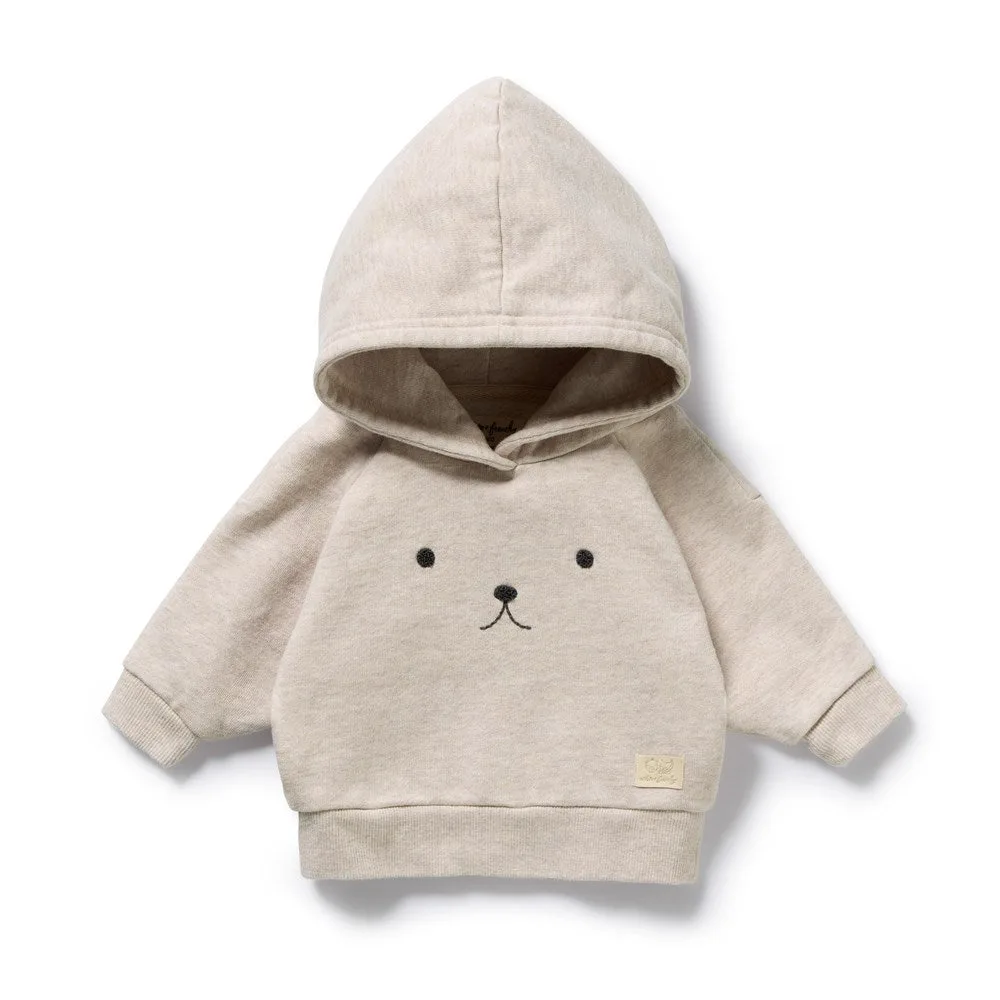
Oatmeal Organic Terry Hooded Sweat
-
Little Croissant Organic Garment Dyed Sweat: Garment-dyed sweat available in colour, fabric and size options. The garment-dyed finish gives a soft, relaxed look that suits mild-weather layering, but expect gradual colour fading.
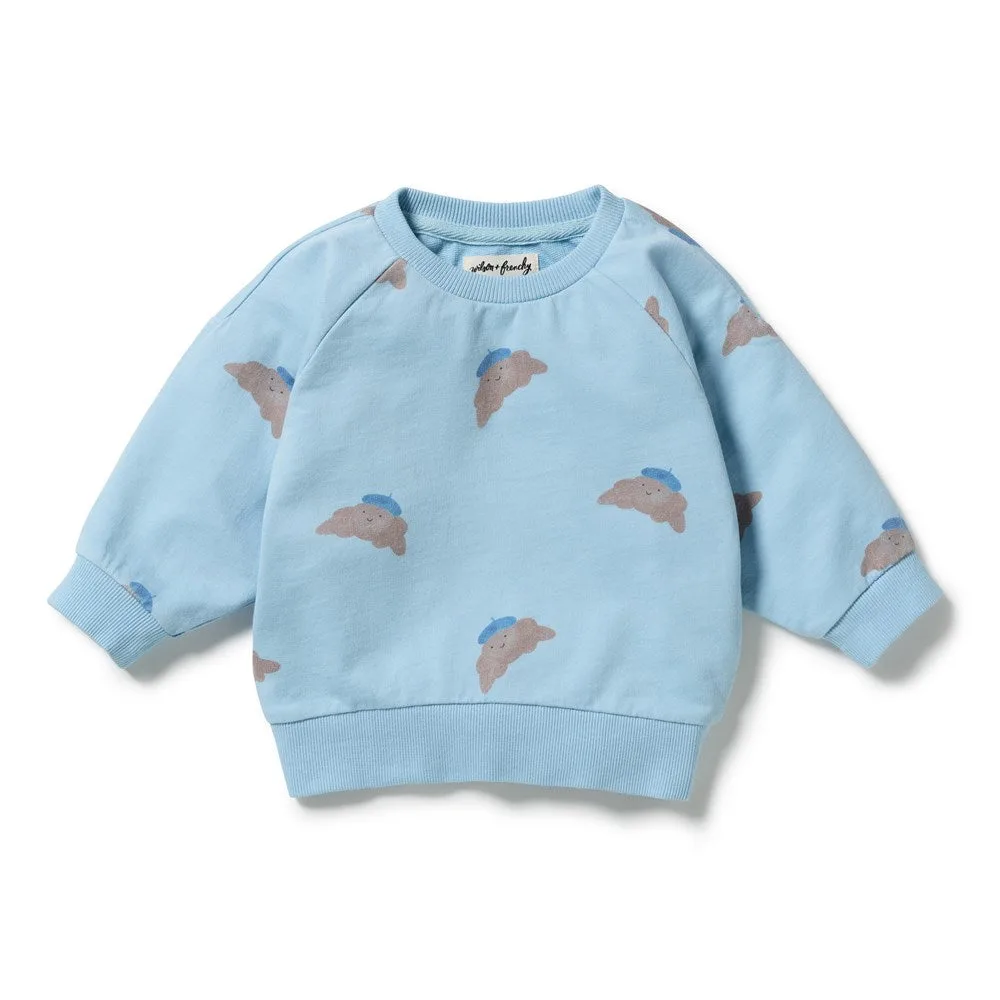
Little Croissant Organic Garment Dyed Sweat
-
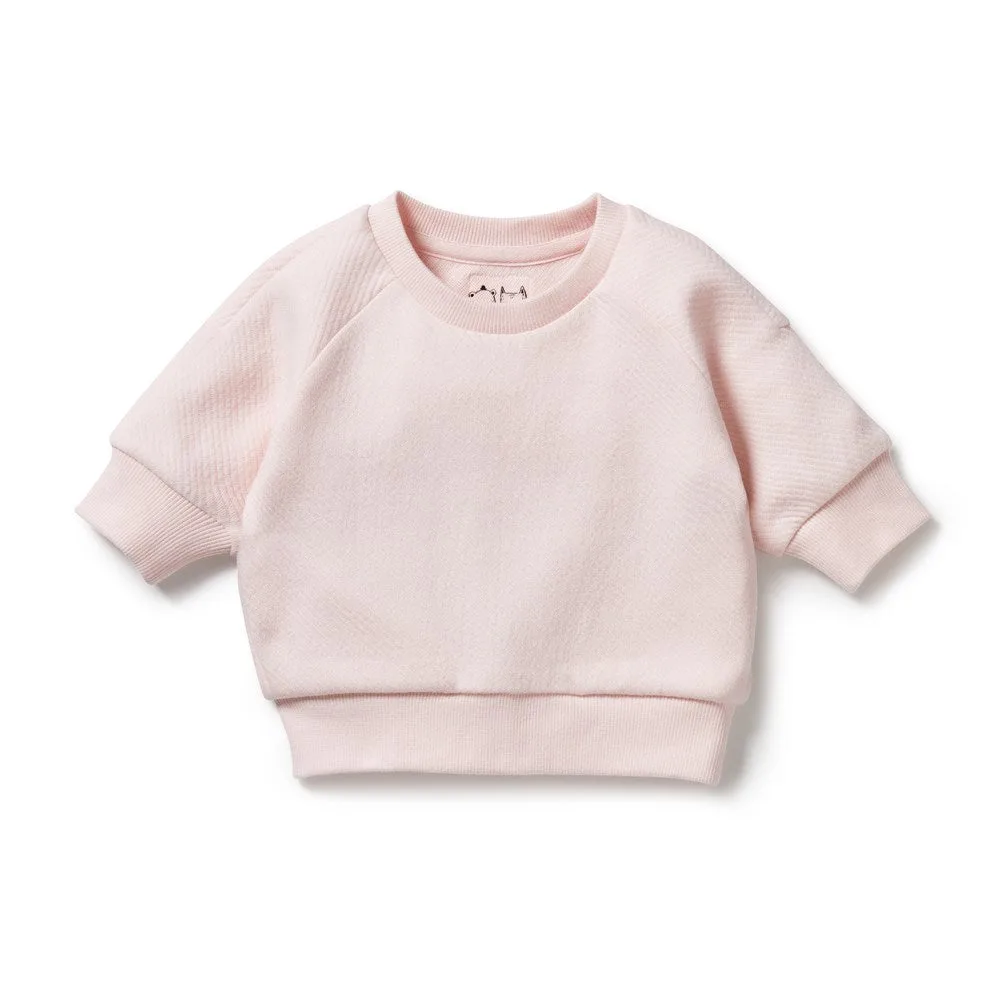
Pink Organic Quilted Sweat: Mid-weight quilted sweat designed for winter warmth. The quilted construction provides extra insulation for cold outings, so it works best as an outer layer rather than a base layer.
Who this guide is for
Best for
- Parents building a small, practical baby wardrobe for mixed seasons
- Caregivers who need one sweat that works for both indoor play and outdoor walks
Not for
- Buyers looking for a sleep garment or a car-seat-safe layer
- Anyone who needs a specific technical warmth rating or temperature rating