Quick Answer
Choose a back support cushion that matches your chair's backrest height and your preferred sitting posture. For most office chairs, a slim lumbar support works best; for deeper chairs, a thicker memory foam cushion provides more support.
Why Lumbar Support Matters in an Office Chair
Sitting for hours can strain your lower back, especially if your chair lacks built-in lumbar support. A back support cushion fills the gap between your lower back and the chair, helping you maintain a natural curve and reducing pressure on your spine.
Not all cushions are the same. The right choice depends on your chair's shape, your height, and how long you sit. A cushion that is too thick can push you forward, while one that is too thin may not provide enough support.
Consider Your Chair's Backrest Height
The height of your chair's backrest determines how much cushion you need. If your chair has a low backrest, a slim cushion that supports only the lumbar area is often best. For chairs with a taller backrest, you can use a larger cushion that supports more of your back.
Measure the distance from your seat to the curve of your lower back. This helps you select a cushion that positions the support exactly where you need it.
Foam Firmness and Comfort
Memory foam cushions mold to your body, providing customized support and pressure relief. However, they can feel warmer and may be softer than you expect. If you prefer a firmer feel, look for a cushion with higher-density foam.
Consider how long you sit. If you are at your desk all day, a memory foam cushion that conforms to your shape can reduce fatigue. For shorter sitting periods, a firmer support might be sufficient.
Decision Rules for Choosing a Back Support Cushion
- Measure Your Chair's Backrest: If your chair's backrest is low (below shoulder height), choose a slim lumbar cushion. If it is tall, you can opt for a larger cushion that supports more of your back. Measure the height of your backrest before purchasing.
- Match Cushion Thickness to Your Posture: If you tend to slouch, a thicker cushion with memory foam can help maintain the natural curve. If you sit upright, a slim support is less intrusive. Consider your typical sitting posture when choosing thickness.
- Choose Foam Type Based on Duration: For all-day sitting, memory foam provides pressure relief and molds to your shape. For shorter periods, a firmer foam may be more supportive. Think about how many hours you sit daily.
Product Insights
-
Harley Designer Low Back Support: The Harley Designer Low Back Support is a super slim moulded support that offers comfort and relief to the lumbar region. Its slim profile makes it ideal for office chairs with limited space, providing targeted lumbar support without pushing you forward.
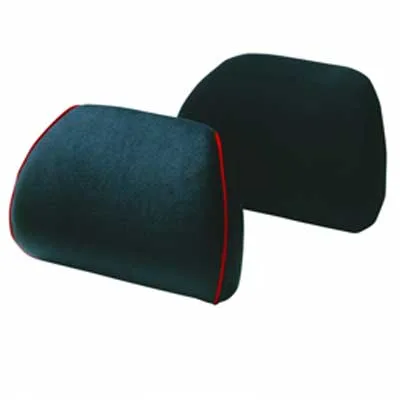
Harley Designer Low Back Support
-
Back Rest Cushion: The Restwell Memory Foam Back Rest Cushion provides additional support to the back when sitting. The visco-elastic foam moulds to and supports the user. The memory foam conforms to your back, making it a good choice for longer sitting sessions where pressure relief is important.
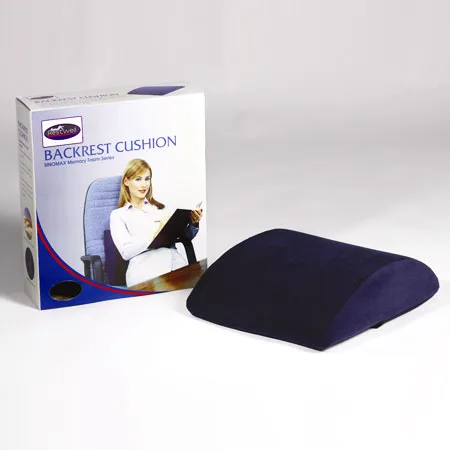
Back Rest Cushion
Who Should Choose What
Best For
- People with chairs that lack built-in lumbar support
- Those who sit for long hours and need pressure relief
Not For
- People with very firm ergonomic chairs that already provide sufficient lumbar support