Quick answer
For most ski touring days, choose a merino-blend base layer with a half zip, because it manages sweat on the uphill and vents fast when you overheat. If you run very hot or tour in wet, mild conditions, a thinner synthetic layer can dry faster. Fit matters as much as fabric: the layer should touch your skin without compressing, so it can move moisture instead of trapping it.
Match the fabric to your sweat output, not the forecast
Ski touring creates a stop-start heat cycle: you sweat hard on the skin track, then cool down quickly on the descent. A base layer that holds too much moisture leaves you clammy when you stop. Merino blends handle this well because merino adds warmth and natural odor resistance, while a cellulose fiber like Tencel adds structure and efficient moisture transport. That combination is why a merino base layer for ski touring is a common choice for long days with limited laundry.
If you sweat heavily and tour in mild or wet snow, a thinner layer that moves moisture fast can feel better than a thick one. The trade-off is odor and warmth: synthetics dry quickly but can smell sooner and feel cooler when damp. If you run cold or tour in dry, cold snow, a warmer merino blend gives more comfort during stops. There is no single best base layer for ski touring; there is a best match for your sweat rate and your typical winter.
Why a half zip base layer earns its place on a ski tour
A half zip base layer lets you dump heat without taking off your pack or shell. On a long climb, open the zip; at the transition, close it before you cool down. That small adjustment is often enough to avoid adding or removing a mid layer. Full-zip versions vent more but add bulk and can rub under a pack strap; crew necks are simple but force you to stop and strip when you overheat.
Look for a zip that sits flat and a collar that covers your neck without bunching. If you wear a backpack with a sternum strap, test the zipper position with the pack on. A half zip is a practical middle ground for ski touring layering because it adds ventilation without changing your whole system.
Fit guidance: close to skin, never tight
Base layers only manage moisture when they stay in contact with your skin. If the fabric hangs loose, sweat vapor bypasses the material and condenses in your mid layer. If it is too tight, it compresses and restricts movement, and you feel cold spots at the shoulders and elbows. Aim for a close fit with no wrinkles, and enough room to raise your arms and twist your torso without the hem riding up.
Check three points before you commit: the hem should stay below your harness or pack waist belt, the sleeves should reach your wrists without pulling, and the collar should sit smoothly under a helmet or hood. If you are between sizes, size up for touring, because you will move more than you do on a resort day.
Decision rules for your ski touring base layer
- Rule 1: Sweat rate first: If you finish a climb with a soaked back, choose a lighter, faster-drying layer. If you stay mostly dry and feel cold at transitions, choose a warmer merino blend. Your sweat output, not the temperature on the forecast, decides the fabric weight.
- Rule 2: Zip or no zip: Choose a half zip if you want to vent without stopping. Choose a crew neck only if you rarely overheat and prefer fewer seams under a pack. A half zip is the most flexible choice for stop-start touring.
- Rule 3: Fit over features: A close, wrinkle-free fit moves moisture better than any fabric claim. Test arm raises, hem length, and collar comfort with your pack on. If the fit is wrong, the fabric cannot do its job.
- Rule 4: Plan the whole system: Your base layer is step one. Add an insulated mid layer like M's Power Houdi for descents, and carry a shell for wind and snow. Buy the base layer that works with your mid layer, not in isolation.
Base layer options that fit this decision
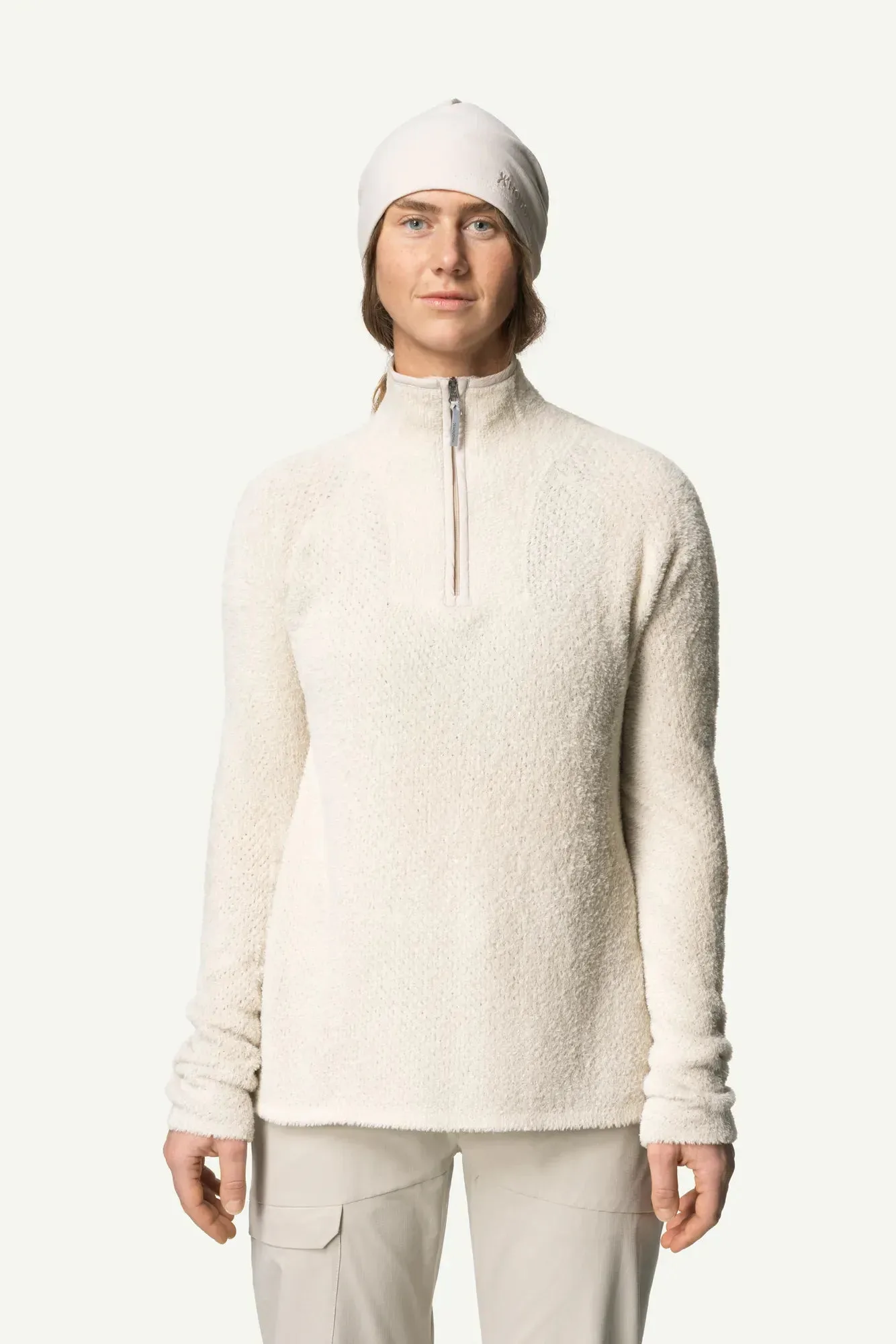
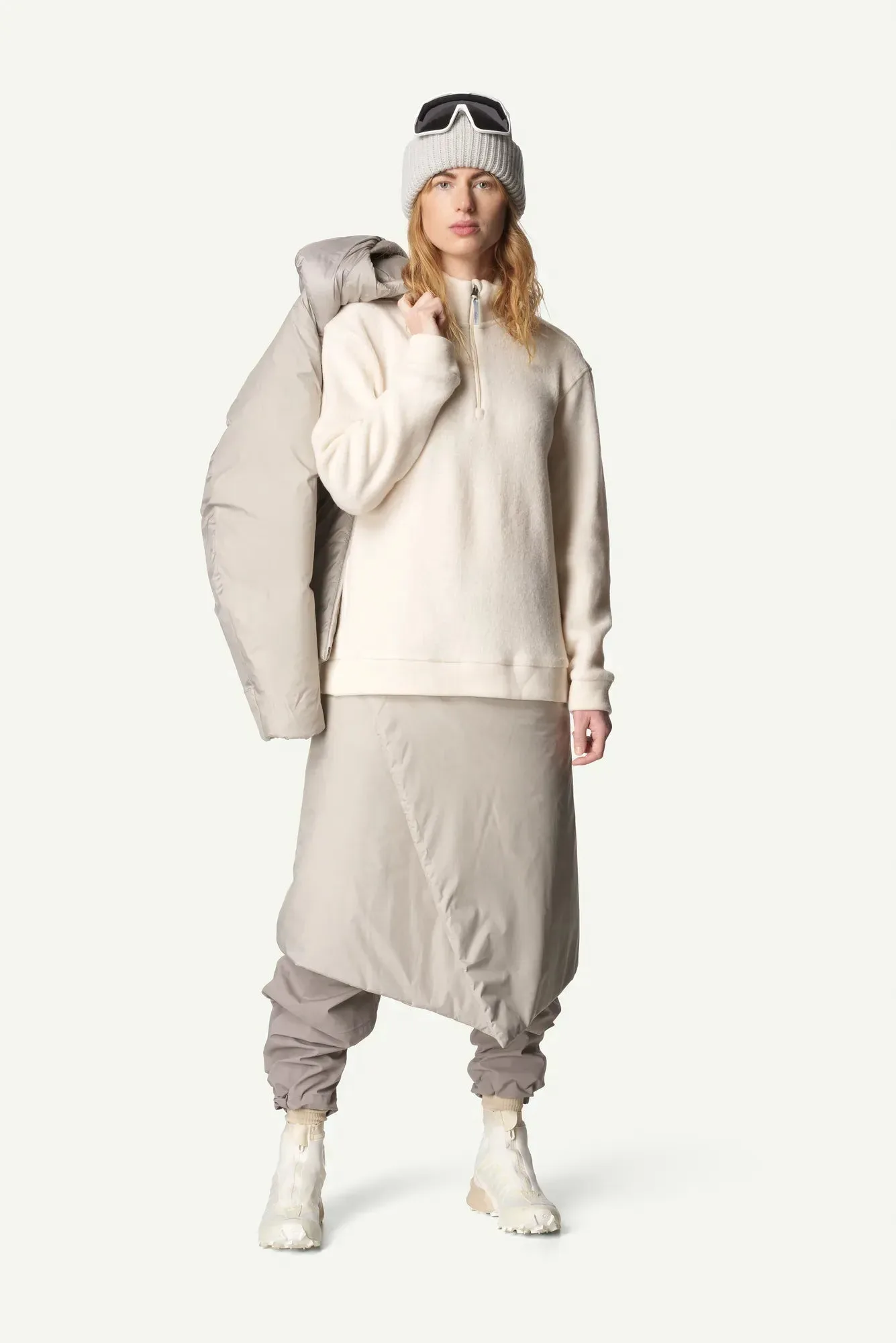
- W's Alto Half Zip: W's Alto Half Zip is made in the Swedish-made Woolly Treemerino material, a warm, stretchy, light fabric of 60% merino wool and 40% Tencel. The merino provides warmth and natural odor resistance, while the Tencel adds structure and efficient moisture transport, making it a strong match for long ski touring days with limited laundry.
- W's Lykan Half Zip: W's Lykan Half Zip uses an ultralight, stretchy material that shapes to your movements. If you overheat easily or tour in milder conditions, the lighter fabric reduces bulk and moves with you on the skin track, though it offers less warmth than a heavier merino blend.
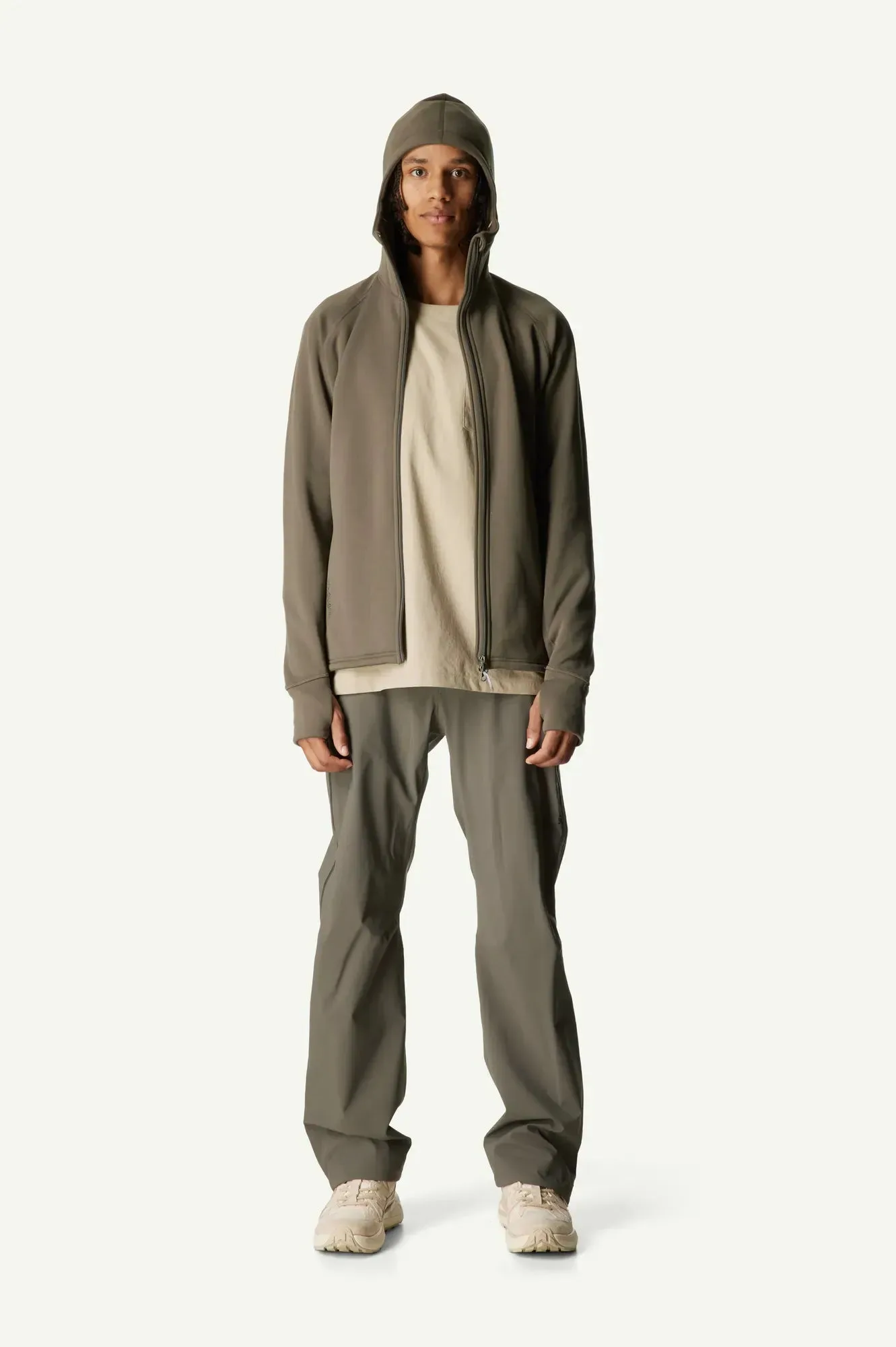
- M's Power Houdi: M's Power Houdi is a hooded fleece made in durable Polartec® Power Stretch® Pro, with a smooth outside and a warm, soft inside. This is a mid layer rather than a base layer, but it shows the next step in a ski touring system: add it over your base layer for descents and stops, then remove it before the next climb.
Who this base layer advice is for
Best for
- Ski tourers who sweat heavily on the uphill and need odor-resistant warmth for multi-day trips
- Skiers who want one base layer that works across dry cold and mild winter conditions
- Anyone who prefers to vent with a half zip instead of stopping to remove layers
Not for
- Resort skiers who rarely generate sweat and prefer a simple crew neck
- Warm-weather spring skiers who need an ultralight synthetic layer that dries in minutes
- Anyone looking for a single jacket that replaces a full layering system