After a tough workout, your muscles need protein to repair and grow. But mixing powder, shaking bottles, and cleaning up can feel like a chore when you're already exhausted. That's where bottled protein shakes come in: they offer a grab-and-go solution that's just as effective as your favourite powder — without the mess.
With so many options on the shelf, picking the best bottled protein shake for post-workout recovery comes down to a few smart choices. This buying guide walks you through what to look for in a ready-to-drink protein, so you can refuel fast and get back to what matters.
Protein Content and Type: What Your Muscles Actually Need
The first thing to check is the protein content per bottle. Most post-workout recovery shakes deliver between 20 and 30 grams of protein — a solid range for stimulating muscle protein synthesis after training. Whey protein is the gold standard here because it's quickly absorbed, ideal for that 30‑minute recovery window. Some bottled shakes use a blend of whey and casein for slower release, but for immediate refuelling, stick with fast‑digesting options.
Take the Cookies and Cream Protein Shake (8 Pack) 330ml from Grenade as a practical example. It packs 20 grams of whey protein per bottle, with a balanced carb-to-protein ratio that supports both recovery and energy replacement. Always read the label to ensure the protein source aligns with your dietary needs — if you're lactose sensitive, look for isolates or plant‑based alternatives.
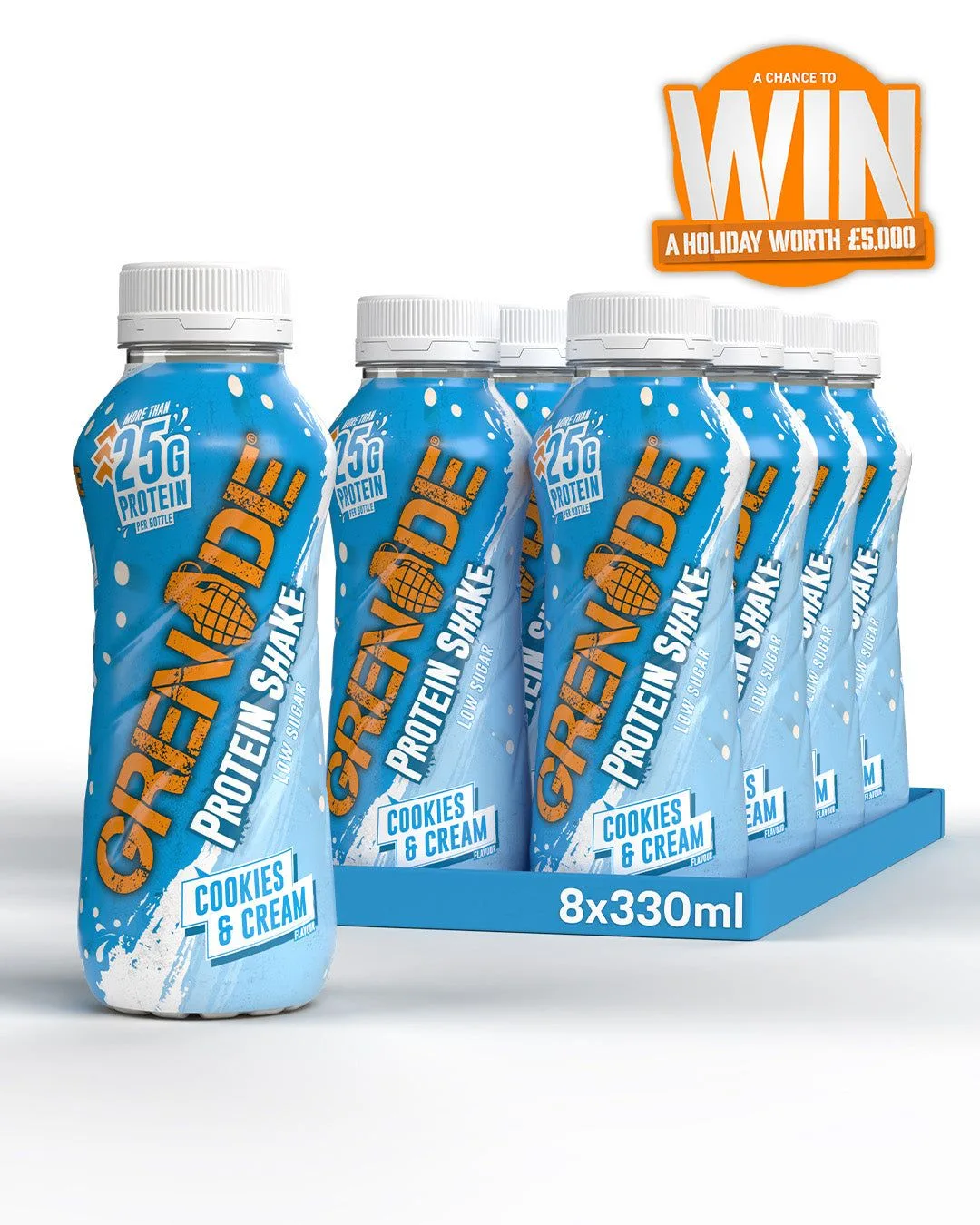
Cookies and Cream Protein Shake (8 Pack) 330ml
- Aim for at least 20 g protein per serving for meaningful muscle repair.
- Whey isolates and hydrolysates absorb fastest; avoid blends with too many fillers.
Carbohydrates and Calories: Fuel or Fat Loss?
Not all bottled protein shakes are created equal when it comes to carbs and calories. A post-workout recovery shake designed for muscle repair might contain 15–30 g of carbs to replenish glycogen stores, while a leaner option could have under 5 g for those watching their intake. Your choice depends on your goal: if you're bulking or training hard, extra carbs help; if you're cutting, a lower‑carb shake might be better.
For a balanced approach, look for shakes that include around 2–3 g of carbs per gram of protein — a ratio that supports recovery without overloading sugar. Many ready-to-drink protein shakes use sweeteners like sucralose to keep the taste great without extra calories. When comparing, check the sugar content: ideally under 5 g per bottle unless it's a specific recovery blend.
- Match carb levels to your training intensity: more carbs for high‑volume sessions, fewer for rest days.
- Avoid shakes with high fructose corn syrup or artificial fillers.
Taste, Texture, and Ingredient Transparency
A protein shake that tastes chalky or has a weird aftertaste will end up gathering dust in your gym bag. The best bottled protein shake is one you actually look forward to drinking. Look for options that use natural flavourings and have a smooth, milkshake‑like consistency. Brands often offer multiple flavour profiles — chocolate, vanilla, cookies and cream — so you can rotate without getting bored.
Grenade's Cookies and Cream Protein Shake, for instance, delivers a thick, dessert‑like texture that makes recovery feel like a treat. But taste is personal; if you can, buy a single bottle first or try a variety pack. Also check the ingredient list — a short list with recognisable components usually signals higher quality. Avoid shakes with excessive gums, oils, or artificial colours.
- Sample different flavours before committing to a multi‑pack.
- Look for third‑party testing or clear nutritional transparency on the label.
Convenience and Portability: Why Ready‑to‑Drink Wins
The main advantage of a bottled protein shake is convenience. No shaker, no scoop, no cleanup — just twist and drink. For the gym bag, office desk drawer, or a weekend hike, a shelf‑stable bottle that doesn't need refrigeration until opened is a game changer. Some shakes come in multi‑packs that are easy to stash, so you always have a post‑workout recovery shake ready.
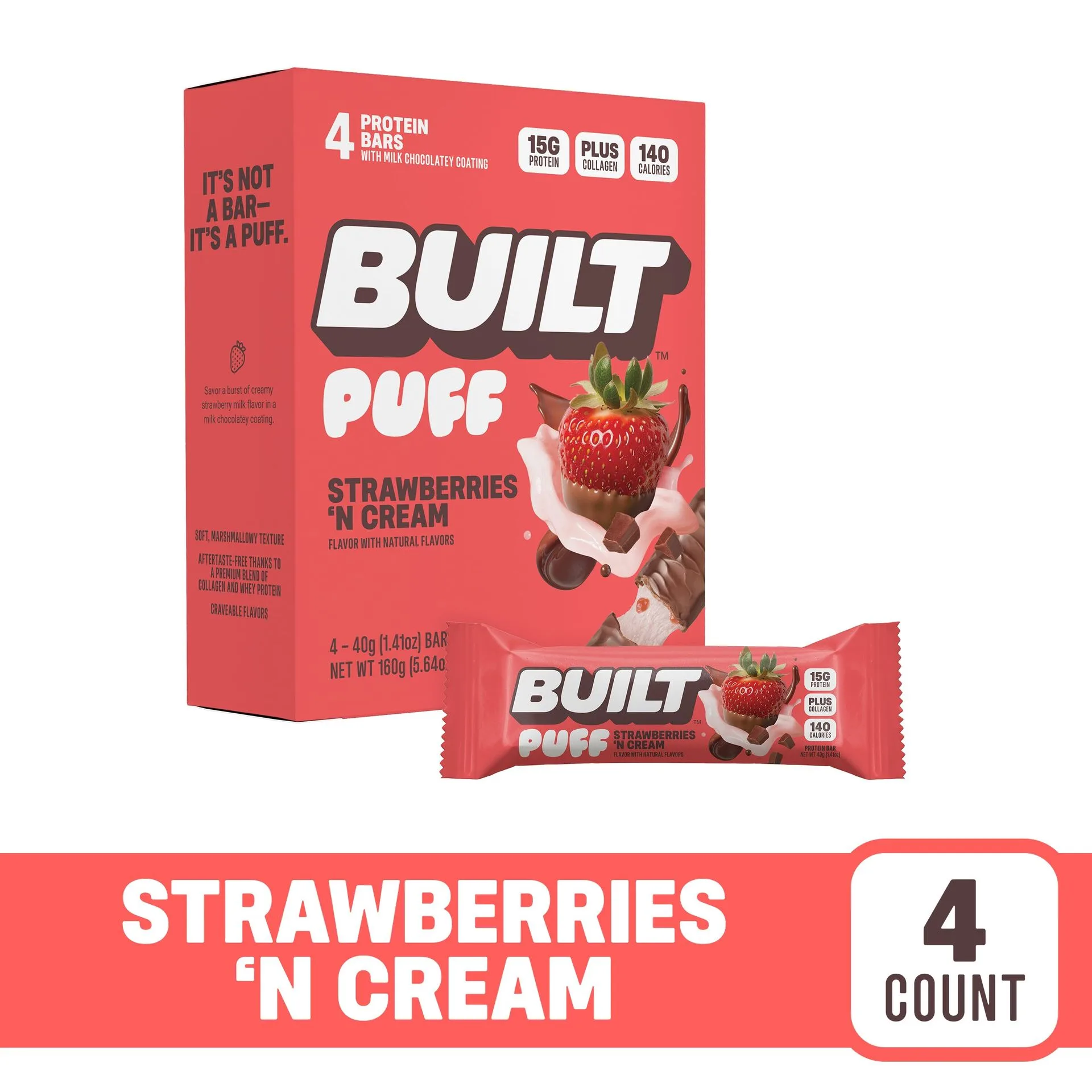
When comparing ready-to-drink protein options, consider the bottle size and cap design. A 330 ml bottle like the Grenade Cookies and Cream fits neatly in most cupholders. If you're stacking shakes for a week of workouts, a bulk pack saves money and reduces packaging waste. Pairing a shake with a snack like an OREO White Protein Bar can add variety, but the shake alone covers your immediate protein needs.
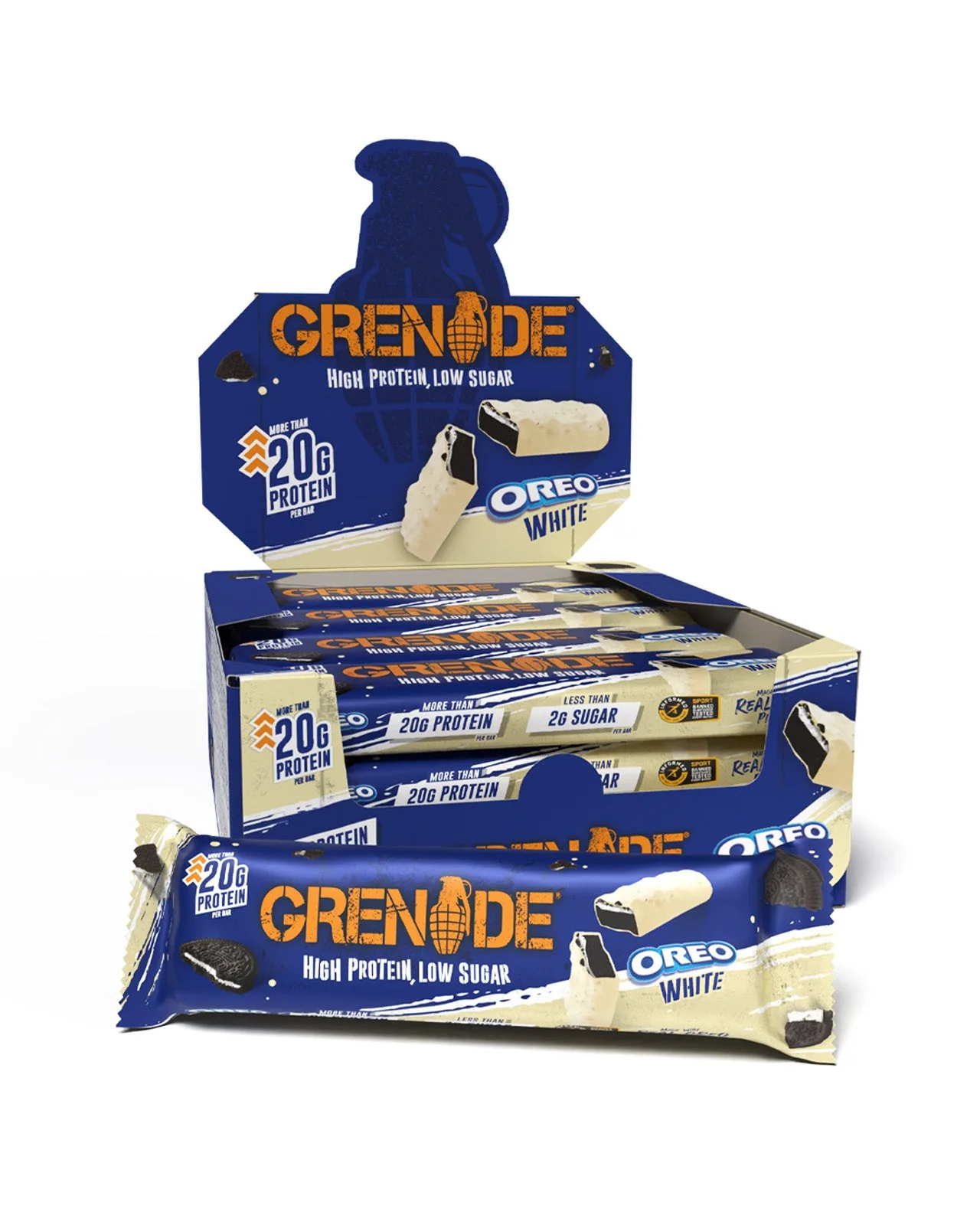
OREO White Protein Bar
- Check the expiry date and storage instructions before buying in bulk.
- Recycle the bottles — many brands now use recyclable plastic or cartons.
Price per Serving: Getting Value Without Compromising Quality
Bottled protein shakes typically cost more per gram of protein than powder, but you're paying for convenience. The best bottled protein shake for your budget balances cost with quality. Compare price per bottle and per gram of protein across brands. A multi‑pack often reduces the unit cost. For regular use, aim for a shake that costs roughly £1.50–£2.50 per bottle and delivers at least 20 g of protein.
Don't sacrifice ingredient quality for a lower price. Look for brands that avoid cheap fillers and use verified protein sources. While the upfront cost might be higher, a reliable protein shake for muscle recovery saves you time and ensures you consistently hit your post‑workout window. If you use shakes several times a week, subscribe to a regular delivery to lock in savings.
- Calculate cost per gram of protein to compare apples‑to‑apples.
- Subscription models or bulk packs offer the best long‑term value.
Choosing the best bottled protein shake for post-workout recovery doesn't have to be complicated. Focus on protein content, carb profile, taste, and convenience to find a ready-to-drink protein that fits your lifestyle. Whether you reach for a Cookies and Cream Protein Shake after leg day or keep a case in your car for busy weeks, a quality bottled shake ensures your muscles get the fuel they need — no shaker required.