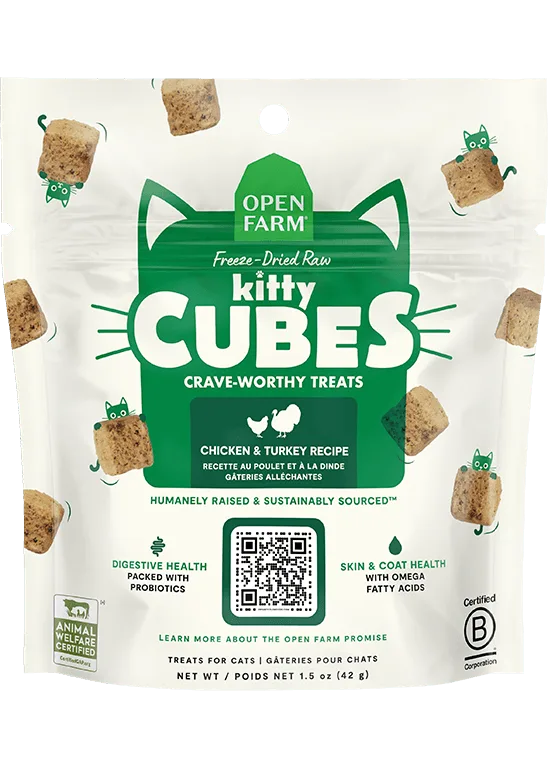
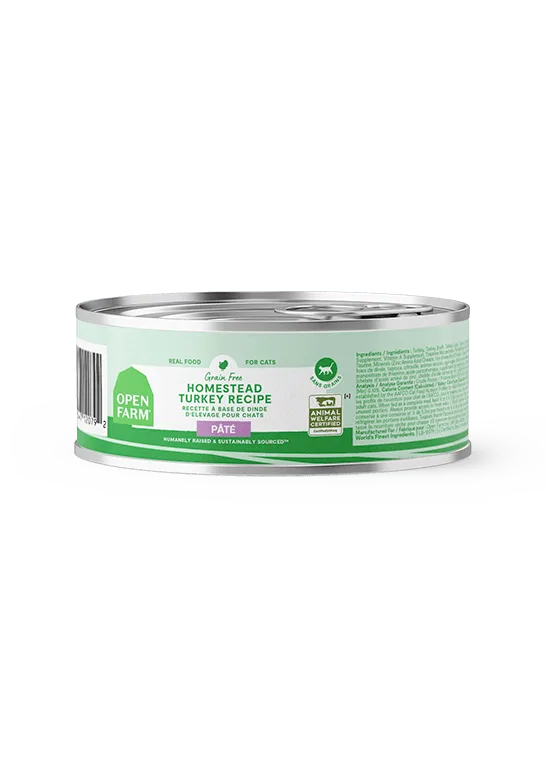
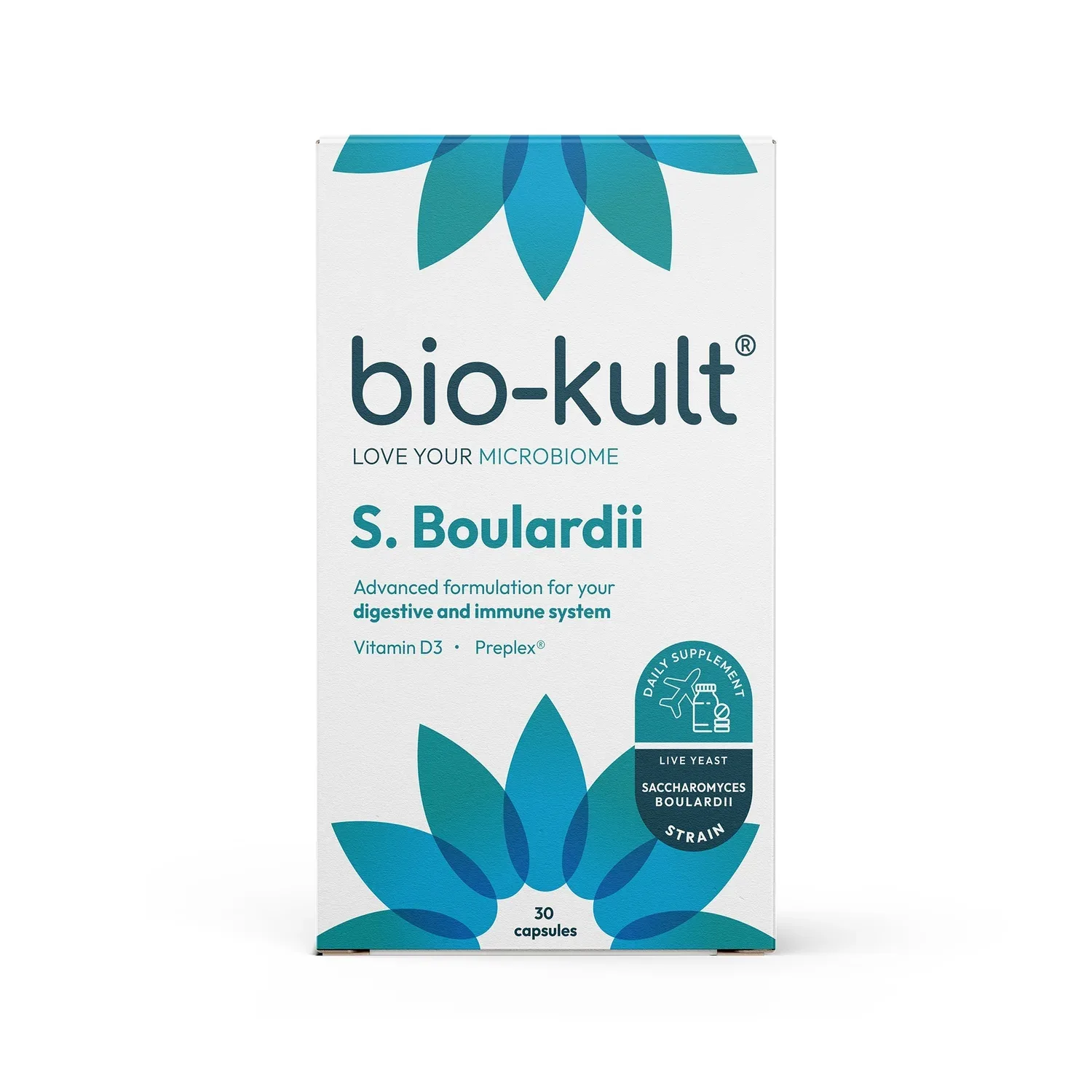
If your cat frequently vomits, has diarrhea, or shows signs of discomfort after meals, a sensitive stomach may be the culprit. Digestive issues in cats are more common than many owners realize, and choosing the right food can make a world of difference. This guide will walk you through everything you need to know about finding the best cat food for sensitive stomachs, from understanding common triggers to selecting gentle, nutrient-rich options that support long-term digestive health.
A sensitive stomach in cats can stem from food intolerances, allergies, or even stress. The good news is that with careful ingredient selection and a gradual transition plan, you can help your feline friend enjoy mealtime without the tummy troubles. Whether you're dealing with occasional upset or chronic issues, this complete guide will help you make informed choices for your cat's well-being.
Understanding Sensitive Stomachs in Cats: Common Causes and Symptoms
Cats with sensitive stomachs often exhibit symptoms such as vomiting, loose stools, excessive gas, or a lack of appetite. These signs can be triggered by a variety of factors, including food allergies, sudden diet changes, or even eating too quickly. Some cats are also sensitive to specific proteins, grains, or artificial additives commonly found in commercial cat foods. Identifying the root cause is the first step toward relief.
It's important to distinguish between occasional digestive upset and chronic conditions. If your cat experiences symptoms frequently, consult your veterinarian to rule out underlying health issues like inflammatory bowel disease or pancreatitis. Once medical causes are addressed, focusing on a gentle cat food that is easy to digest can help restore your cat's comfort and vitality.
- Look for single-source protein foods to help pinpoint potential allergens.
- Avoid foods with artificial colors, flavors, or preservatives that can irritate the gut.
- Consider a limited ingredient diet if your cat has known sensitivities.
Key Ingredients to Look for in Cat Food for Sensitive Stomachs
When shopping for the best cat food for digestion, prioritize high-quality, easily digestible proteins like chicken, turkey, or fish. Novel proteins such as venison or duck can also be beneficial if your cat has developed an intolerance to common meats. Additionally, look for foods that include prebiotics and probiotics, which support a healthy gut microbiome and improve nutrient absorption.
Healthy fats like omega-3 and omega-6 fatty acids from sources such as fish oil can reduce inflammation in the digestive tract. Carbohydrates should come from digestible sources like sweet potatoes or peas rather than corn or wheat. For example, the Wild-Caught Salmon Pâté for Cats offers a smooth texture and high-quality salmon protein that is gentle on sensitive stomachs. Similarly, the Salmon Topper for Cats can be used to entice picky eaters while adding beneficial omega-3s to their diet.
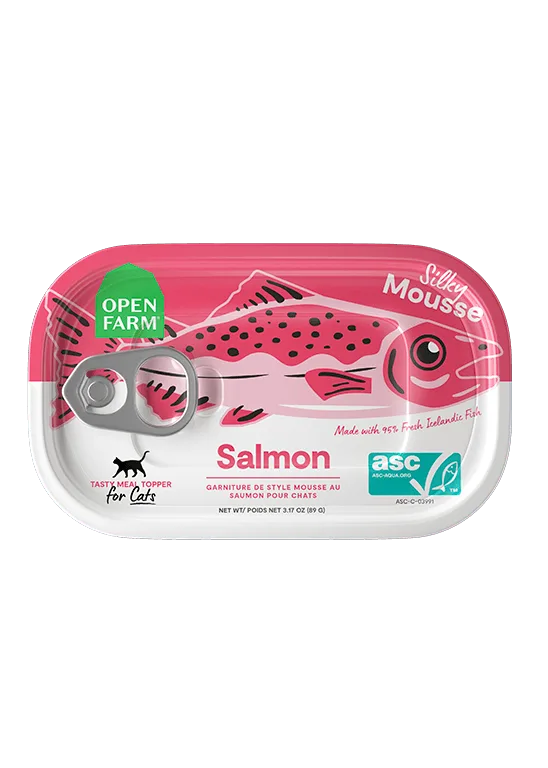
Salmon Topper for Cats
- Probiotics and prebiotics help maintain a balanced gut flora.
- Omega-3 fatty acids from fish oil can soothe intestinal inflammation.
- Avoid fillers like corn, soy, and by-products that are hard to digest.
Ingredients to Avoid in Sensitive Stomach Cat Food
Just as important as what to include is what to exclude from your cat's diet. Common irritants include artificial additives, excessive grains, and low-quality protein sources. Many cats with sensitive stomachs struggle to digest gluten and other grains found in cheaper kibble. Additionally, carrageenan, a thickener used in some wet foods, has been linked to digestive inflammation in some studies.
High-fat foods can also be problematic, as they may trigger pancreatitis or diarrhea. Stick to moderate fat levels and always check the ingredient list for vague terms like 'meat meal' or 'animal digest.' Transparent brands that list specific protein sources and avoid fillers are a safer bet. For instance, the Icelandic Salmon & Cod Wet Food for Dogs is formulated with limited ingredients and is also suitable for cats with dietary sensitivities, offering a clean protein option.
- Steer clear of artificial colors, flavors, and preservatives like BHA/BHT.
- Avoid carrageenan and other gums that can cause digestive upset.
- Choose foods with named protein sources rather than generic 'meat meal.'
Tips for Transitioning Your Cat to a New Food
Switching your cat's food abruptly can worsen digestive issues, so a gradual transition is essential. Start by mixing 25% of the new food with 75% of the old food for a few days, then gradually increase the new food ratio over 7 to 10 days. Monitor your cat's stool consistency and behavior during this period. If symptoms persist, slow down the transition or consult your vet.
Feeding smaller, more frequent meals can also help ease digestion. Some cats benefit from a rotational diet that includes both wet and dry options, as the added moisture in wet food can aid digestion. The Wild-Caught Salmon Pâté for Cats is an excellent choice for a gentle transition due to its simple ingredient list and smooth texture. Always provide fresh water and avoid giving too many treats during the adjustment phase.
- Use a 7-10 day transition schedule to minimize stomach upset.
- Offer smaller, more frequent meals to reduce digestive load.
- Keep a food diary to track symptoms and identify triggers.
Additional Tips for Managing Your Cat's Digestive Health
Beyond food selection, there are other ways to support your cat's sensitive stomach. Ensure they have a stress-free environment, as stress can exacerbate digestive issues. Provide plenty of fresh water and consider a pet fountain to encourage hydration. Regular veterinary check-ups are also crucial to monitor your cat's overall health and adjust their diet as needed.
Supplements like probiotics can be added to your cat's meals to further support gut health. Look for products specifically formulated for felines. The Salmon Topper for Cats not only adds flavor but also provides omega-3s that support a healthy digestive tract. Remember that every cat is unique, so patience and observation are key to finding the perfect diet for your furry friend.
- Reduce stress with consistent routines and safe spaces.
- Add a feline-specific probiotic supplement to meals.
- Consult your vet before making major dietary changes.
Choosing the best cat food for sensitive stomachs requires attention to ingredient quality, a gradual transition, and a holistic approach to your cat's health. By focusing on gentle proteins, avoiding common irritants, and supporting digestion with probiotics, you can help your cat enjoy meals without discomfort. Explore the Wild-Caught Salmon Pâté for Cats for a simple, nutritious option that supports digestive wellness.