Cold brew coffee has become a staple for many coffee lovers, offering a smooth, low-acid, and naturally sweet concentrate that's perfect over ice or mixed with milk. But the secret to an exceptional cold brew starts with choosing the right beans. Should you go for a single origin or a blend? The answer depends on the flavor profile you're after and how you plan to enjoy your cold brew.
In this guide, we'll break down the differences between single origin and blend cold brew coffee beans, what to look for in terms of roast level and origin, and how to pick the best beans for your perfect cold brew concentrate. Whether you're a cold brew newbie or a seasoned pro, these tips will help you make an informed choice.
Single Origin Cold Brew: Highlighting Unique Flavors
Single origin beans come from one specific farm, region, or country, and they showcase the distinct characteristics of that terroir. For cold brew, a single origin like Timana, Colombia can offer bright, fruity notes that shine through even after long steeping. The slow extraction process tends to mute acidity while amplifying sweetness and body, so a well-chosen single origin can produce a cold brew that's complex and vibrant.
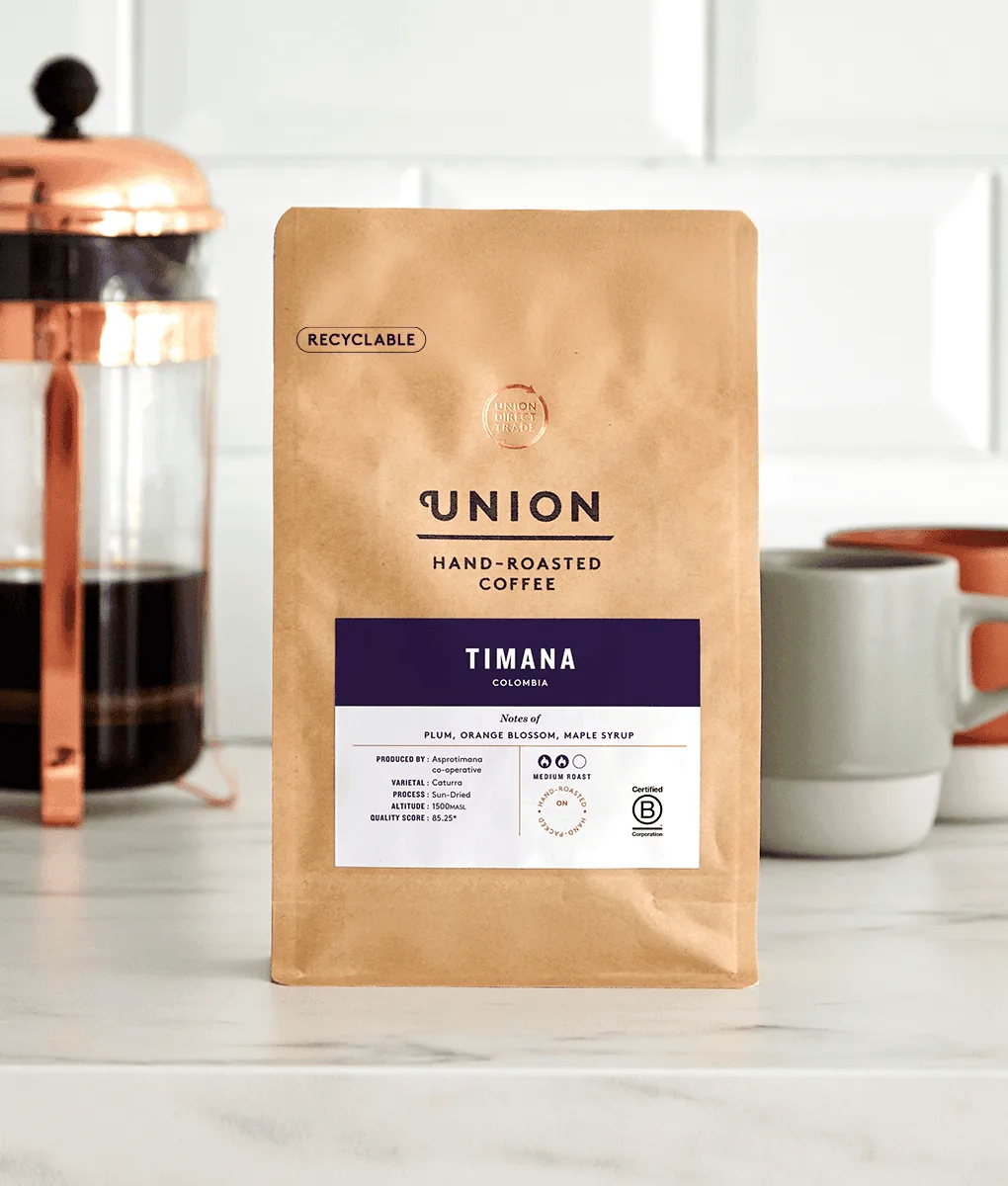
Timana, Colombia
If you enjoy tasting the nuances of a coffee's origin—think floral, berry, or chocolate notes—single origin cold brew is a great way to explore. However, not all single origins work equally well. Look for beans with a medium to dark roast profile, as lighter roasts can sometimes taste grassy or overly acidic when cold brewed. A coffee like João Hamilton, Brazil, with its nutty and chocolatey profile, is a fantastic choice for a smooth, crowd-pleasing single origin cold brew.
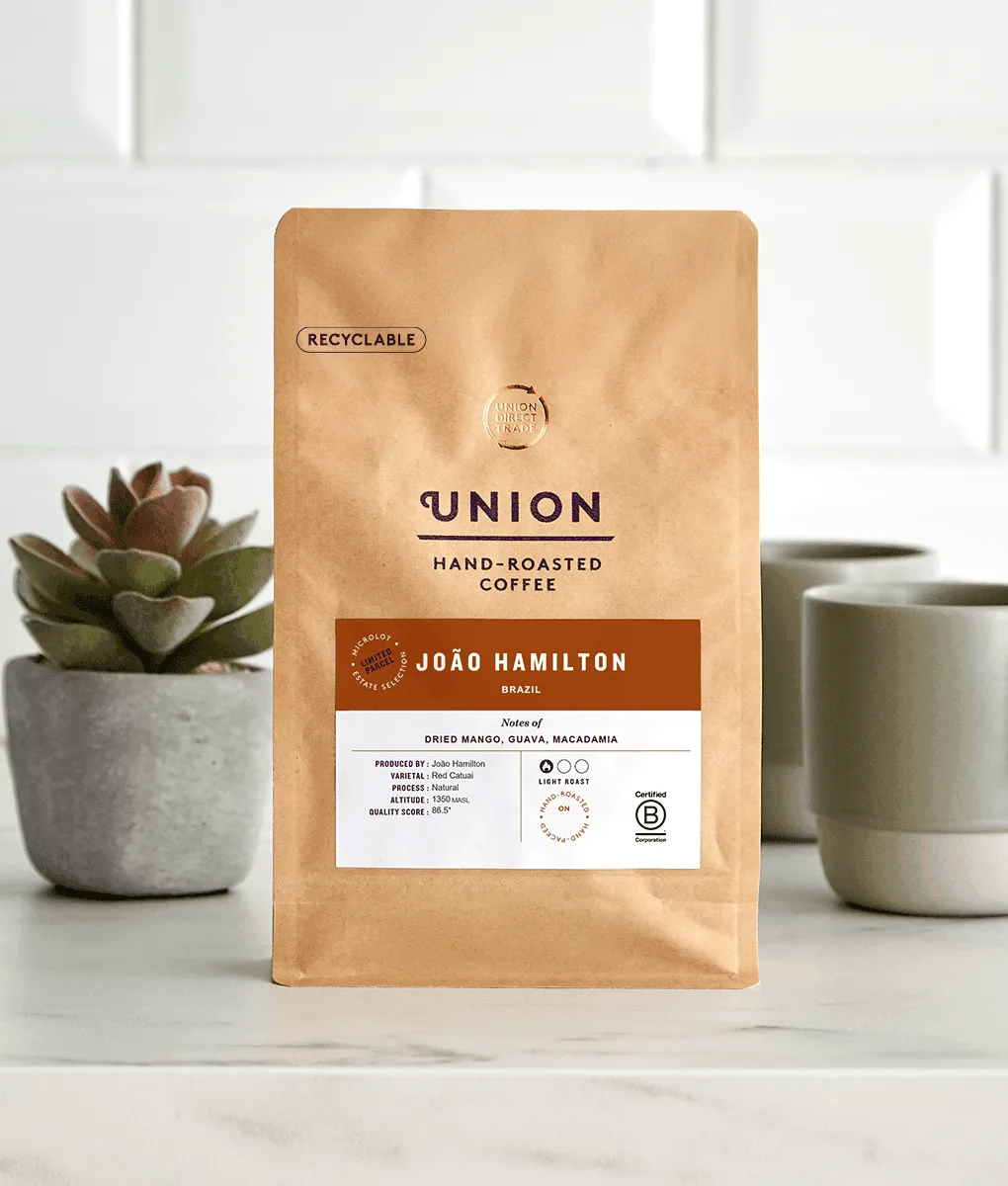
João Hamilton, Brazil
- Best for: drinkers who want to taste the unique character of a specific region.
- Tip: Choose a single origin with a medium roast for balanced sweetness and body.
Cold Brew Blends: Consistency and Balance
Blends are crafted by combining beans from different origins to achieve a consistent, balanced flavor profile. For cold brew, a well-designed blend can deliver a rich, full-bodied concentrate that's smooth and forgiving, even with slight variations in brewing parameters. The Natural Spirit, Organic Blend, for example, combines organic beans to create a deep, chocolatey cold brew with a clean finish—ideal for those who want a reliable, everyday cold brew.
Blends also tend to be more versatile. They often work well both as a straight concentrate and as a base for milk or cream. If you're making large batches of cold brew for a crowd or want a flavor that pairs well with syrups and milk, a blend is a safe bet. Many roasters offer cold brew-specific blends that are roasted slightly darker to maximize sweetness and minimize bitterness.
- Best for: consistent results, large batches, and mixing with milk or flavorings.
- Tip: Look for blends labeled 'cold brew' or 'espresso roast' for optimal extraction.
Roast Level and Grind Size: Key Factors for Cold Brew
Regardless of whether you choose single origin or blend, roast level plays a crucial role in cold brew flavor. Medium to dark roasts generally yield the best results, as they bring out chocolate, caramel, and nutty notes while keeping acidity low. Light roasts can work, but they may require a longer steep time and can taste sour or underdeveloped. For a foolproof cold brew, stick with a medium-dark roast.
Grind size is equally important. Cold brew requires a coarse grind—similar to breadcrumbs—to avoid over-extraction and bitterness. If you're grinding at home, a consistent burr grinder like the Hario Mini Mill, Hand Grinder can help you achieve the right texture. For pre-ground beans, look for a 'cold brew' grind or ask your roaster to grind it coarse. Remember: a finer grind will extract faster and can lead to a muddy, bitter concentrate.
- Recommended roast: medium to dark for balanced sweetness.
- Grind tip: coarse, like sea salt. Use a burr grinder for consistency.
How to Select the Best Beans for Your Cold Brew Style
Think about how you'll drink your cold brew. If you prefer it black over ice, a single origin with bright, fruity notes can be refreshing and complex. If you're adding milk or making lattes, a blend with chocolate or nutty undertones will hold up better. Also consider whether you want a concentrate (which you'll dilute) or a ready-to-drink strength. For concentrate, a darker roast and slightly finer grind can produce a richer base.
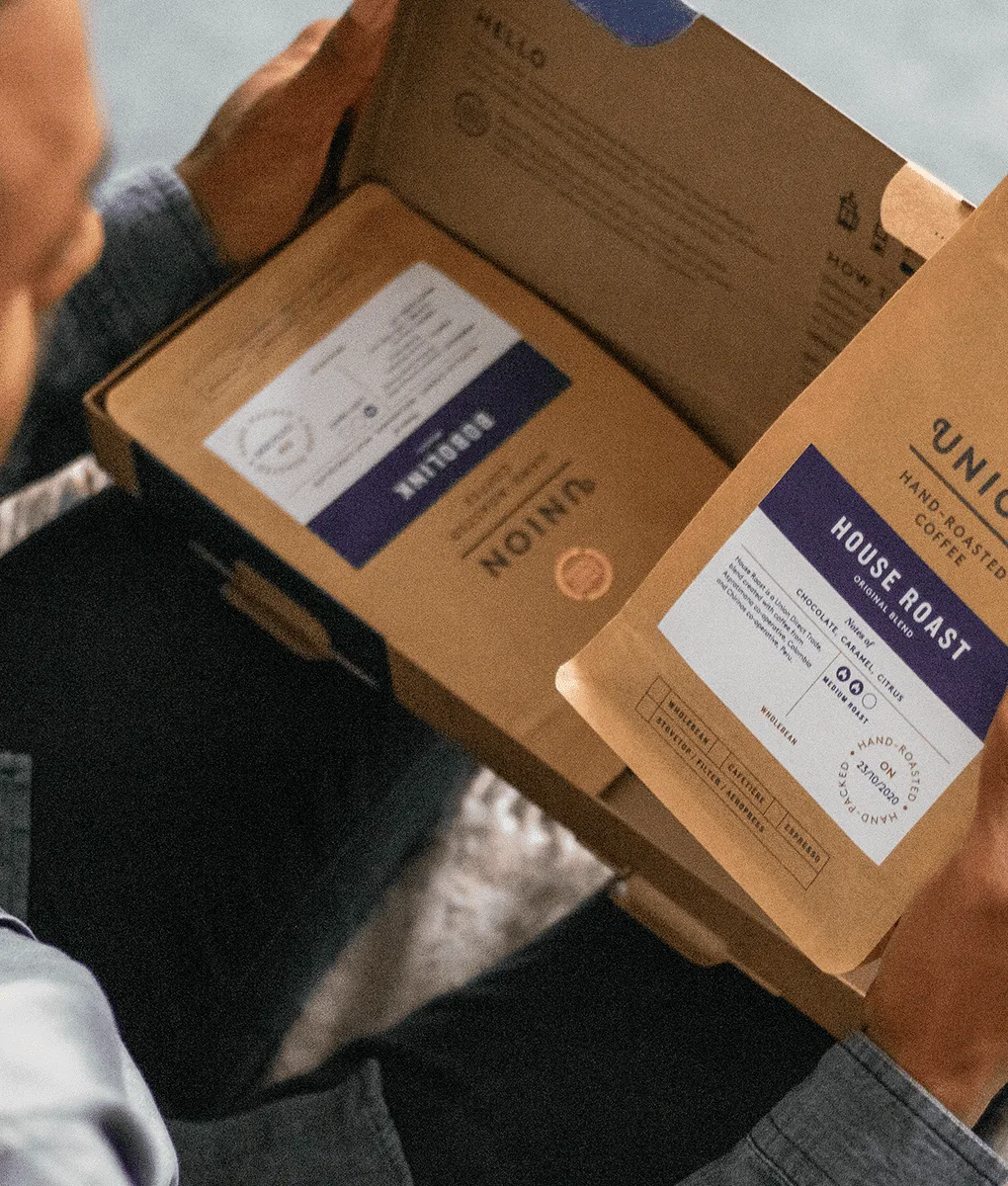
Don't be afraid to experiment. Many roasters offer cold brew coffee beans selection packs that let you try both single origins and blends side by side. The Union Signature Selection, 2 pack is a great way to compare two different profiles and find your preference. Keep notes on flavor, strength, and how each bean behaves during steeping—this will help you dial in your perfect cold brew recipe over time.
- For black cold brew: try a fruity single origin like Timana, Colombia.
- For milk-based cold brew: a chocolatey blend like Natural Spirit, Organic Blend is ideal.
- Sample different beans with a selection pack to discover your favorite.
Choosing the best coffee beans for cold brew comes down to your taste preferences and how you plan to enjoy the final cup. Single origins offer unique, terroir-driven flavors, while blends provide consistency and balance. Pair your choice with a medium-dark roast and a coarse grind, and you'll be well on your way to a delicious cold brew concentrate. Whether you explore a single origin like João Hamilton, Brazil or a reliable blend, the key is to start with quality, freshly roasted beans—and enjoy the process of finding your perfect brew.