Microblading and permanent makeup have become incredibly popular for achieving flawless, long-lasting brows, eyeliner, and lips without daily effort. However, the process involves tiny needles that create superficial wounds in the skin, which can cause discomfort or even pain. That’s where a high-quality numbing cream comes in—it can make the experience virtually painless and help you relax during the procedure.
With so many numbing creams on the market, choosing the right one for microblading or permanent makeup can be overwhelming. In this guide, we’ll walk you through the key factors to consider, from active ingredients and strength to application tips, so you can enjoy a comfortable treatment and beautiful results.
Why Numbing Cream Is Essential for Microblading and Permanent Makeup
Microblading involves creating fine incisions in the epidermis to deposit pigment, while permanent makeup (such as lip blush or eyeliner) uses a machine to implant color into the dermal layer. Both procedures stimulate nerve endings, leading to varying degrees of pain depending on your pain tolerance, the area being treated, and the technique used. Numbing cream works by temporarily blocking pain signals from the skin to the brain, allowing you to undergo the procedure with minimal discomfort.
Using a proper numbing cream also benefits the artist: a relaxed, pain-free client is less likely to flinch or move, which helps the artist achieve precise, symmetrical strokes. Additionally, some numbing creams contain vasoconstrictors that reduce bleeding and swelling, improving pigment retention and healing. For these reasons, investing in a reliable numbing product is a smart move for both clients and professionals.
- Reduces pain and anxiety during the procedure
- Helps the artist work more accurately and efficiently
- Minimizes bleeding and swelling for better pigment absorption
Key Ingredients to Look for in a Numbing Cream
The most effective numbing creams for microblading and permanent makeup contain a combination of topical anesthetics. Lidocaine is the most common and works by blocking sodium channels in nerve cells. It’s often paired with prilocaine or tetracaine to enhance and prolong the numbing effect. Epinephrine (a vasoconstrictor) is sometimes added to reduce bleeding and keep the anesthetic localized. Look for creams with at least 4-5% lidocaine for adequate numbing, though higher concentrations (up to 10%) are available for sensitive areas.
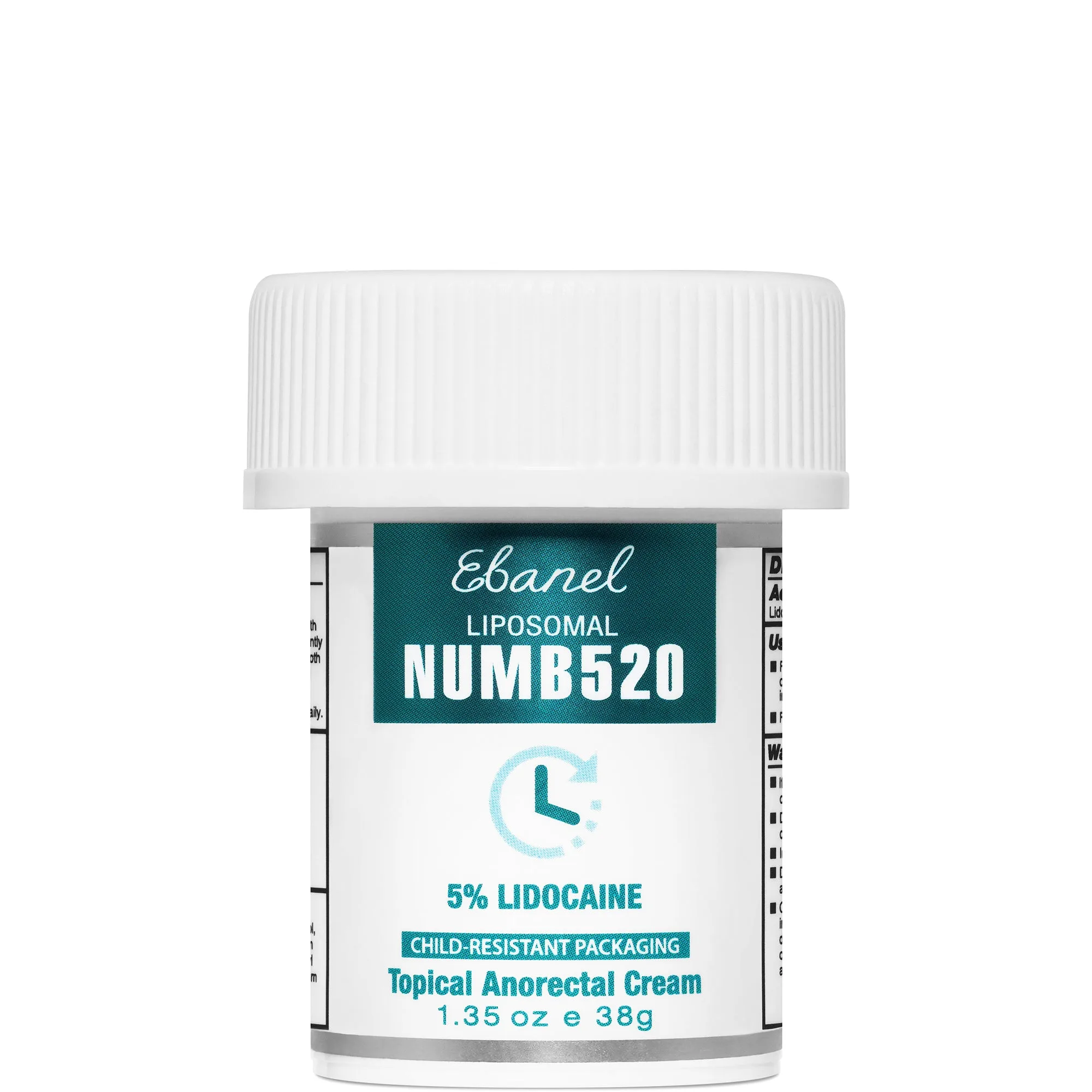
Another important factor is the base of the cream. Water-based numbing creams are generally preferred because they absorb quickly and don’t interfere with pigment uptake. Oil-based creams can leave a residue that prevents the pigment from adhering properly. Also, check for hypoallergenic formulas if you have sensitive skin. Products like the Numb 25 Cream offer a potent blend of lidocaine and other agents, making them a popular choice among microblading artists.
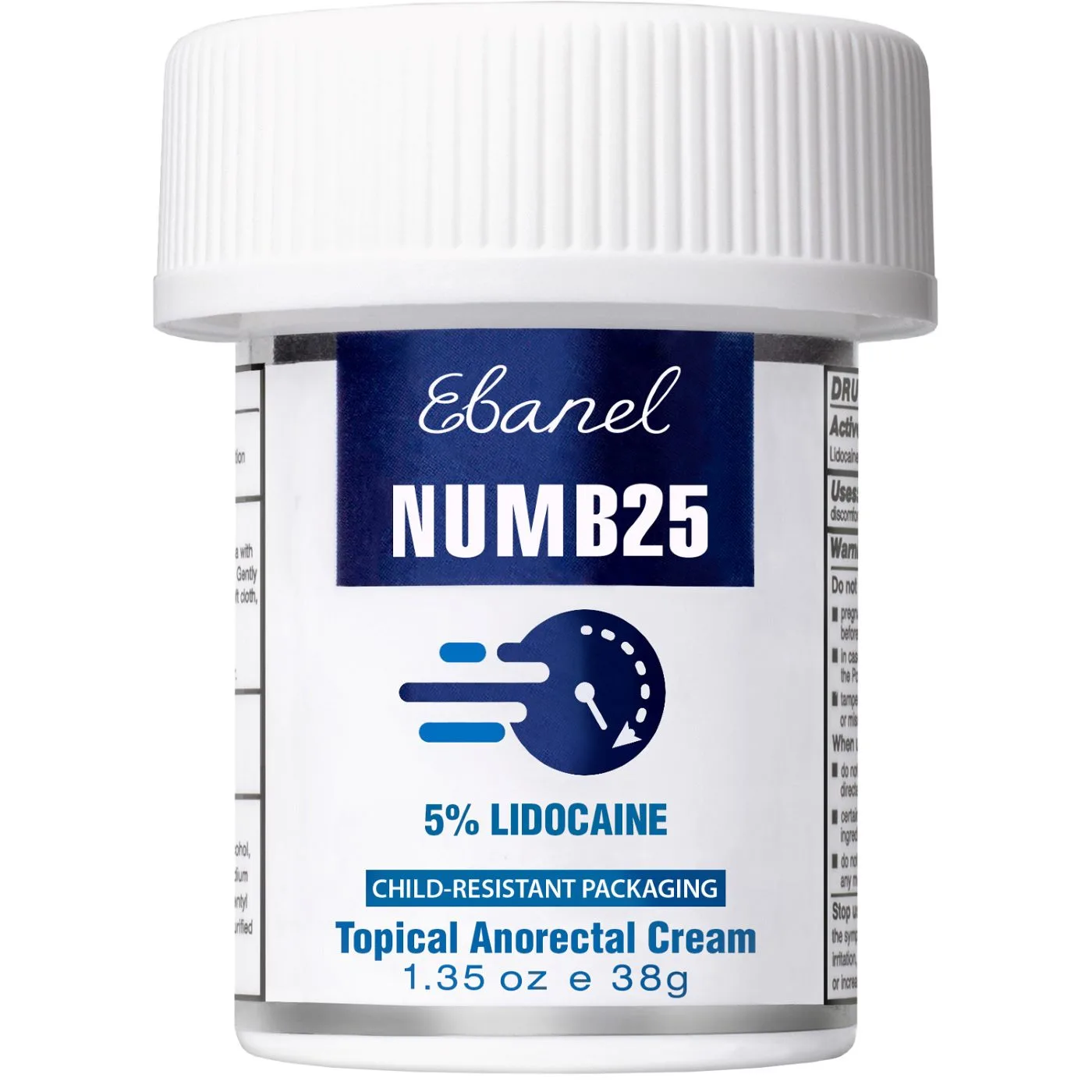
Numb 25 Cream
- Lidocaine (4-10%) – primary anesthetic
- Prilocaine or tetracaine – for deeper or longer numbing
- Epinephrine – reduces bleeding and swelling
How to Apply Numbing Cream for Best Results
Proper application is key to achieving effective numbness. Start by cleansing the treatment area thoroughly to remove any oils, makeup, or debris. Apply a thick, even layer of numbing cream (about the thickness of a dime) over the entire area to be treated. Do not rub it in; instead, let it sit undisturbed. Cover the cream with plastic wrap or a specialized occlusive dressing to enhance absorption and prevent evaporation. Leave it on for 20-30 minutes, then gently wipe off the excess with a clean tissue or cotton pad before the procedure begins.
For areas like the lips or eyelids, which are more sensitive, you may need a longer application time or a stronger formula. Some artists prefer to apply a second layer of numbing cream after the initial strokes are made, as the skin barrier is broken and the anesthetic can penetrate deeper. Always follow the manufacturer’s instructions and consult with your artist if you have any concerns. Remember that overuse can lead to side effects like redness or tingling, so stick to recommended amounts.
- Cleanse the skin before application
- Apply a thick layer and cover with plastic wrap
- Leave on for 20-30 minutes, then wipe off
Top Product Recommendations for Microblading and Permanent Makeup
When selecting a numbing cream, consider products specifically formulated for cosmetic tattooing. The Numb 25 Cream is a top-tier choice, offering a high concentration of lidocaine and other active ingredients that provide fast-acting, long-lasting numbness. It’s suitable for all skin types and can be used on brows, lips, and eyelids. Another excellent option is the INK Master 3oz, which is designed for professional use and delivers consistent results with minimal irritation.
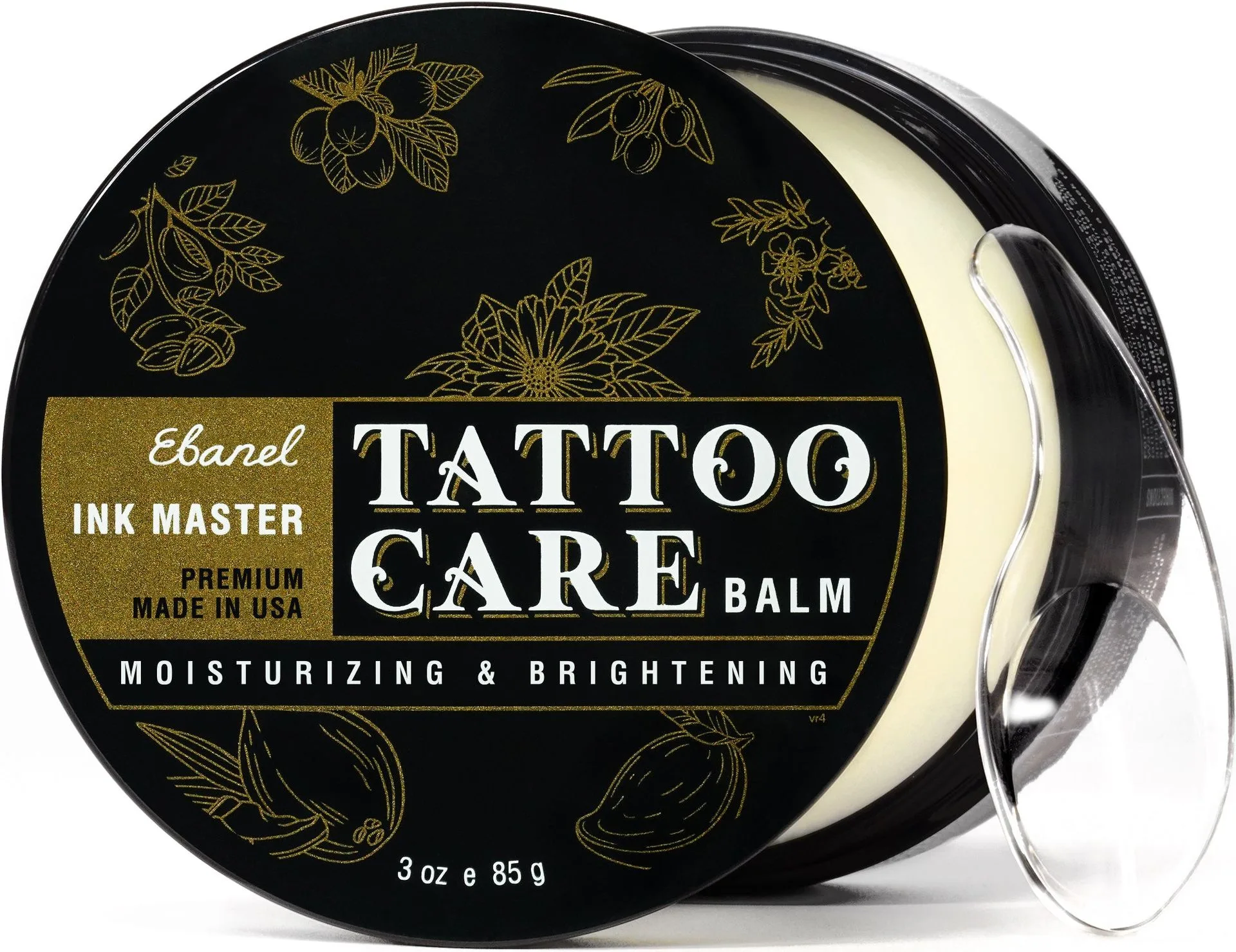
INK Master 3oz
Both products are available at Ebanel Skincare and have received positive reviews from artists and clients alike. They are easy to apply, absorb quickly, and do not compromise pigment retention. Whether you’re a seasoned professional or a first-time client, using a reliable numbing cream like these can make a significant difference in your comfort and the overall outcome of your microblading or permanent makeup session.
- Numb 25 Cream – high lidocaine content, fast-acting
- INK Master 3oz – professional-grade, consistent results
Safety Tips and Precautions
While numbing creams are generally safe when used correctly, it’s important to take precautions to avoid adverse reactions. Always perform a patch test on a small area of skin 24 hours before the procedure to check for allergies. Do not apply numbing cream to broken or irritated skin, and avoid using it on large areas of the body. Keep the cream away from your eyes and mucous membranes. If you experience any signs of an allergic reaction—such as itching, swelling, or difficulty breathing—stop use immediately and seek medical attention.
Also, be aware that some numbing creams may cause temporary side effects like redness, tingling, or a slight burning sensation upon application. These are usually mild and subside quickly. For clients with medical conditions (such as heart problems or liver disease) or those taking certain medications, it’s wise to consult a doctor before using a numbing product. Your microblading artist should also be trained in the safe use of topical anesthetics and can guide you on the best product for your needs.
- Always perform a patch test 24 hours prior
- Avoid contact with eyes and broken skin
- Consult a doctor if you have underlying health conditions
Choosing the best numbing cream for microblading or permanent makeup doesn’t have to be complicated. By focusing on key ingredients, proper application, and trusted products like the Numb 25 Cream, you can enjoy a pain-free experience and achieve stunning results. Explore Ebanel Skincare’s selection of numbing products to find the perfect match for your next beauty procedure.