Walking into the supplement aisle—or scrolling through an online store—can feel overwhelming. Every pre-workout promises energy, focus, and performance, but the truth is that not all formulas are created equal. The best pre-workout for a powerlifter is often different from the best pre-workout for a marathon runner. Your training style should dictate which ingredients you need, how much caffeine you can handle, and whether you need extra endurance support or a pump-focused blend.
In this guide, we'll break down the key categories of pre-workout ingredients, explain what works best for strength, endurance, and hybrid training, and show you how to read labels like a pro. By the end, you'll know exactly what to look for—and what to avoid—so you can make an informed choice that supports your goals.
Why Your Training Style Matters
Your training style determines the demands you place on your body. A strength athlete needs explosive power and maximal force output, while an endurance athlete needs sustained energy and cardiovascular support. A hybrid athlete—someone who mixes lifting with conditioning—needs a versatile formula that can handle both. The right pre-workout should complement these demands, not fight against them.
For example, a pre-workout loaded with high-dose beta-alanine might cause tingling and be great for short, intense bursts, but it could be distracting during a long run. Similarly, a formula with a massive caffeine spike might help you crush a heavy squat session but leave you feeling jittery during yoga. Understanding these nuances is the first step to choosing the best pre-workout for your training style.
- Strength training: focus on power, focus, and muscle pump.
- Endurance training: prioritize electrolytes, steady energy, and hydration.
- Hybrid training: look for balanced formulas with moderate caffeine and added performance compounds.
Key Pre-Workout Ingredients to Understand
Before you can choose a pre-workout, you need to know what's inside. Here are the most common ingredients you'll find in quality formulas and what they do.
Caffeine is the most widely used ergogenic aid. It blocks adenosine receptors, reducing fatigue and increasing alertness. The ideal dose varies by individual, but most effective pre-workouts contain between 150-300 mg per serving. If you're sensitive to caffeine, you might prefer a lower dose or a caffeine-free option.
Citrulline is an amino acid that boosts nitric oxide production, leading to better blood flow, vascularity, and the 'pump'. Clinical studies often use 6-8 grams of citrulline malate, so look for a pre-workout that provides an effective dose, not just a token amount.
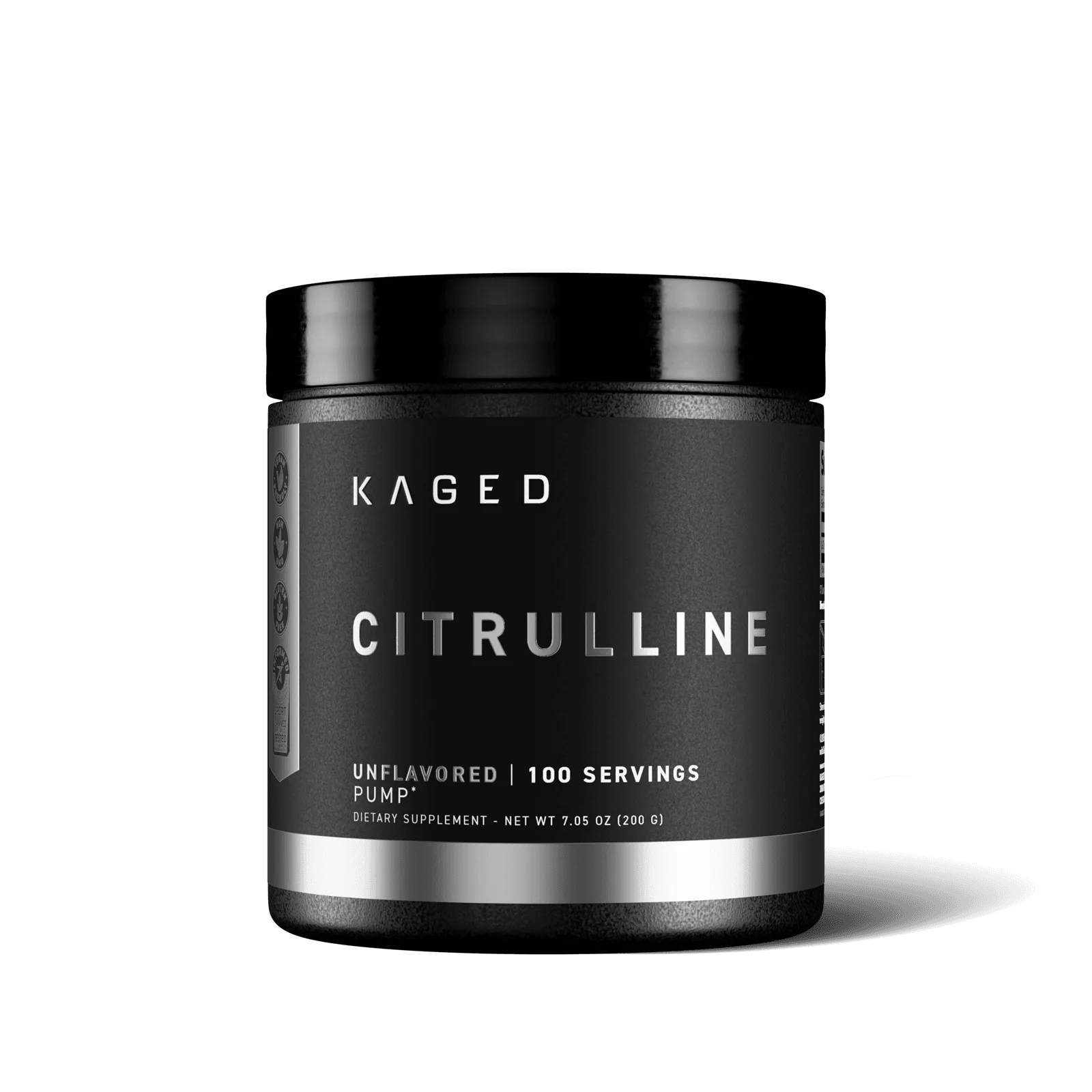
Citrulline
Beta-alanine is another amino acid that buffers acid in muscles, delaying fatigue during high-intensity efforts. It causes a harmless tingling sensation and is best for workouts lasting 1-4 minutes, like heavy sets or sprints. A typical dose is 3-5 grams.
Electrolytes like sodium, potassium, and magnesium are crucial for hydration and muscle function. They're especially important for endurance athletes who sweat a lot. A pre-workout with added electrolytes can help maintain fluid balance and prevent cramps.
Creatine is a well-researched performance enhancer that increases strength and power. While often taken separately, some pre-workouts include a small dose (3-5 grams) to simplify your stack.
- Caffeine: boosts energy and focus; adjust dose to your tolerance.
- Citrulline: enhances pump and blood flow; look for 6g+.
- Beta-alanine: delays fatigue; expect a tingle.
- Electrolytes: support hydration and muscle function.
- Creatine: increases strength and power over time.
Pre-Workout for Strength Training
If your primary goal is to lift heavier and build muscle, you need a pre-workout that delivers explosive energy, focus, and a solid pump. Strength training relies on short, intense bursts of effort, so ingredients like caffeine, citrulline, and beta-alanine are your friends.
A high caffeine dose (200-300 mg) can sharpen your mental focus and help you power through tough sets. Citrulline will give you a noticeable pump, which not only feels great but also enhances nutrient delivery to working muscles. Beta-alanine can help you push out those extra reps on the last set.
When choosing a pre-workout for strength, look for a formula that includes these three key ingredients at effective doses. Avoid products that skimp on citrulline or use proprietary blends that hide exact amounts. You want to know exactly what you're getting.
One example of a pre-workout that fits the strength profile is Kaged's lineup, which includes products like Citrulline if you prefer to build your own stack. But if you want an all-in-one, look for a formula with 200mg+ caffeine, 6g+ citrulline, and 3g+ beta-alanine.
- Look for: high caffeine, citrulline, beta-alanine.
- Dosage: caffeine 200-300mg, citrulline 6g+, beta-alanine 3g+.
- Avoid: proprietary blends that hide ingredient amounts.
Pre-Workout for Endurance Training
Endurance athletes have different needs. Long runs, cycling, and HIIT sessions require sustained energy, cardiovascular support, and proper hydration. A pre-workout that's too high in caffeine can cause a crash mid-workout, and a heavy pump might not be necessary.
Instead, focus on formulas with moderate caffeine (100-200mg), added electrolytes, and ingredients that support oxygen utilization, like citrulline (which can improve endurance by increasing blood flow) and beta-alanine (which buffers lactic acid).
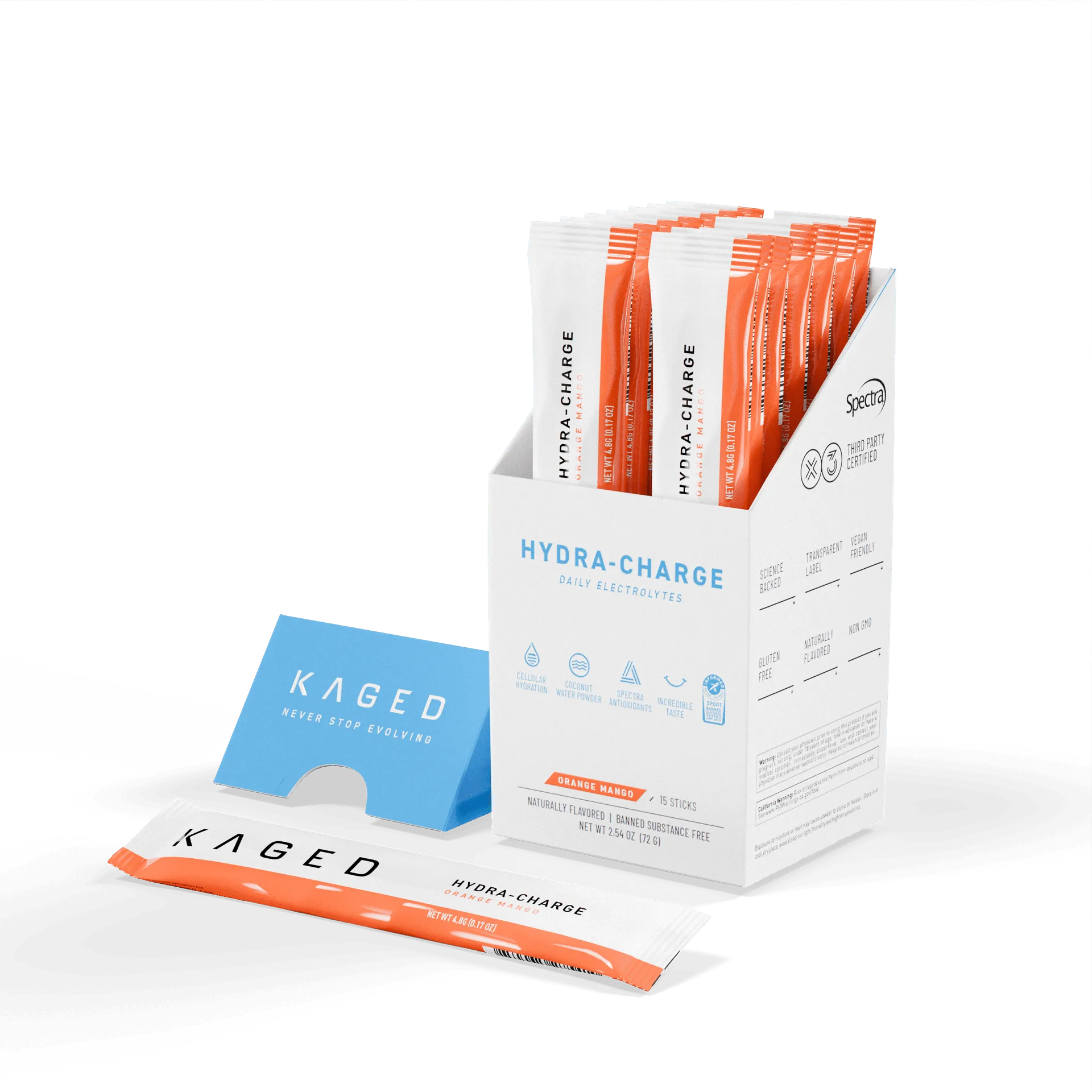
Hydration is critical for endurance. A pre-workout with electrolytes can help maintain fluid balance and prevent cramps. Some athletes also add a separate electrolyte product like https://kageder.com/products/hydra-charge-stick-box-15ct-386418Hydra-Charge Stick Box - 15ct to their routine, but you can also find pre-workouts that already include a hydration blend.
When choosing a pre-workout for endurance, avoid products with excessive stimulants or diuretics like yohimbine. Look for a balanced formula that won't spike your heart rate too much or dehydrate you.
- Look for: moderate caffeine, electrolytes, citrulline, beta-alanine.
- Dosage: caffeine 100-200mg, citrulline 3-6g, beta-alanine 2-3g.
- Hydration: consider adding an electrolyte supplement if your pre-workout lacks them.
Pre-Workout for Hybrid and Everyday Training
Many lifters do more than just lift. They might run a few miles, hit a CrossFit WOD, or play a sport. Hybrid athletes need a versatile pre-workout that supports both strength and endurance without overdoing any one aspect.
A balanced formula with 150-200mg of caffeine, citrulline for pump and endurance, and beta-alanine for fatigue resistance is a great starting point. You also want something that mixes well and tastes good, because you'll be using it frequently.
If you're someone who trains multiple times a day or has a busy schedule, you might also appreciate a pre-workout that includes nootropics for focus, like L-theanine, which can smooth out the caffeine jitters.
For everyday training, consistency matters more than the strongest stimulant. Choose a pre-workout you enjoy taking and that makes you feel good, not one that leaves you crashing. Some athletes prefer to cycle their pre-workouts to maintain sensitivity, so consider rotating between a few options.
- Look for: balanced caffeine, citrulline, beta-alanine, and optional nootropics.
- Dosage: caffeine 150-200mg, citrulline 4-6g, beta-alanine 3g.
- Tip: rotate pre-workouts to avoid tolerance buildup.
How to Read a Pre-Workout Label
Labels can be confusing, but they're your best tool for comparing products. Here's what to look for:
First, check the serving size. Some products have multiple scoops per serving, and the caffeine content can be higher than you think. Second, look for the 'Supplement Facts' panel, not the front label. The front might advertise '300mg of caffeine' but the actual amount could be different.
Third, be wary of proprietary blends. These list ingredients but not individual amounts, making it impossible to know if you're getting an effective dose. Look for products that disclose every ingredient and its exact amount.
Finally, consider the form. Powders are the most common, but capsules and ready-to-drink options exist. Powders give you flexibility in dosing, while capsules are convenient for travel. Choose what fits your lifestyle.
- Check serving size and caffeine per serving.
- Avoid proprietary blends.
- Look for full disclosure of ingredient amounts.
- Choose a form that fits your routine: powder, capsule, or RTD.
Putting It All Together: Your Pre-Workout Checklist
Now that you know what to look for, here's a simple checklist to help you choose the best pre-workout for your training style:
1. Identify your primary training style: strength, endurance, or hybrid.
2. Determine your caffeine tolerance and desired energy level.
3. Look for key ingredients that match your goals (caffeine, citrulline, beta-alanine, electrolytes).
4. Check the label for full disclosure and effective doses.
5. Consider additional factors like taste, mixability, and price.
6. If you're new to pre-workouts, start with a half serving to assess tolerance.
7. Remember that supplements are just one piece of the puzzle—nutrition, sleep, and consistency matter more.
- Start with a half serving if you're caffeine-sensitive.
- Pair your pre-workout with proper hydration.
- Don't rely on pre-workout for motivation—use it as a tool, not a crutch.
Choosing the best pre-workout for your training style doesn't have to be complicated. By understanding your goals and the key ingredients, you can make an informed decision that supports your performance. Whether you're lifting heavy, running long, or doing a bit of both, there's a pre-workout out there that fits your needs. And if you're looking for a quality option, check out Kaged's range of pre-workout supplements and related products like Citrulline to build your ideal stack. Remember, the best pre-workout is the one that helps you show up and do the work—so choose wisely and never stop evolving.