Packing light doesn't have to mean digging through a messy backpack every time you need your sunscreen or snack. The secret to stress-free minimalist travel is choosing the right small bags and organizers. Whether you're a weekend camper or a full-time nomad, the right pouches, stuff sacks, and pocket systems can transform how you carry your gear and how quickly you access it.
A good small bags and organizers buying guide starts with your personal packing style. Do you prefer everything in one compartment or a modular setup? Are you hiking through rain or city streets? Answering these questions first will help you zero in on the pouches and inserts that actually simplify your load instead of adding bulk.
Consider Your Carry Style: Pockets, Pouches, and Hipbelts
The first decision is whether you want freestanding pouches that can be moved between bags or integrated solutions like hipbelt pockets. For day hikes and short trips, a lightweight travel organizer that clips onto a belt loop or backpack strap keeps essentials like keys, a phone, or a pocket saw within arm's reach. If you're using a larger backpack, look for modular systems that let you attach and detach pouches as your needs change.
One smart option is a hipbelt with built-in pockets, like the Motion Hipbelt / Pockets; light gray. This design spreads the weight of small items around your waist and gives you quick access to a snack or map without stopping. For longer trips, pairing a hipbelt with a chest-mounted micro organizer for hiking keeps your most-used items even more accessible.
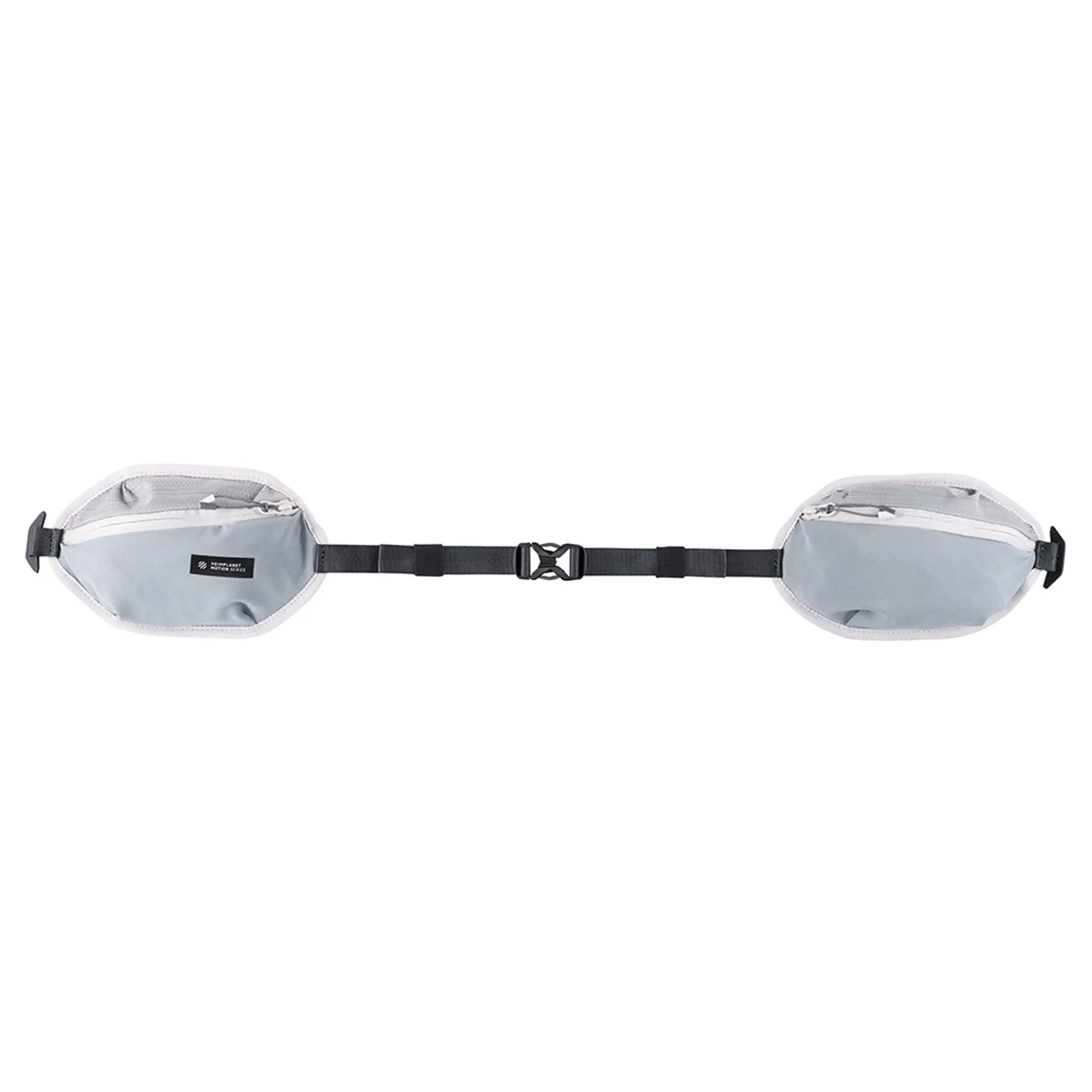
Motion Hipbelt / Pockets; light gray
- Tip: Think about how often you need each item. Daily-use items should go in the easiest-to-reach pockets.
- Tip: If you switch between a daypack and a travel duffel, choose pouches with removable clips or daisy chains.
Material and Weight: Finding the Right Balance
Minimalist travel organizers should be light enough to not add unnecessary ounces but tough enough to withstand the trail. Nylon and ripstop polyester are common for their strength and water resistance. For ultralight backpacking, look for fabrics like Dyneema or silnylon that shave ounces while still holding up to rough use. Silicone-coated fabrics also provide extra weather protection for electronics and documents.
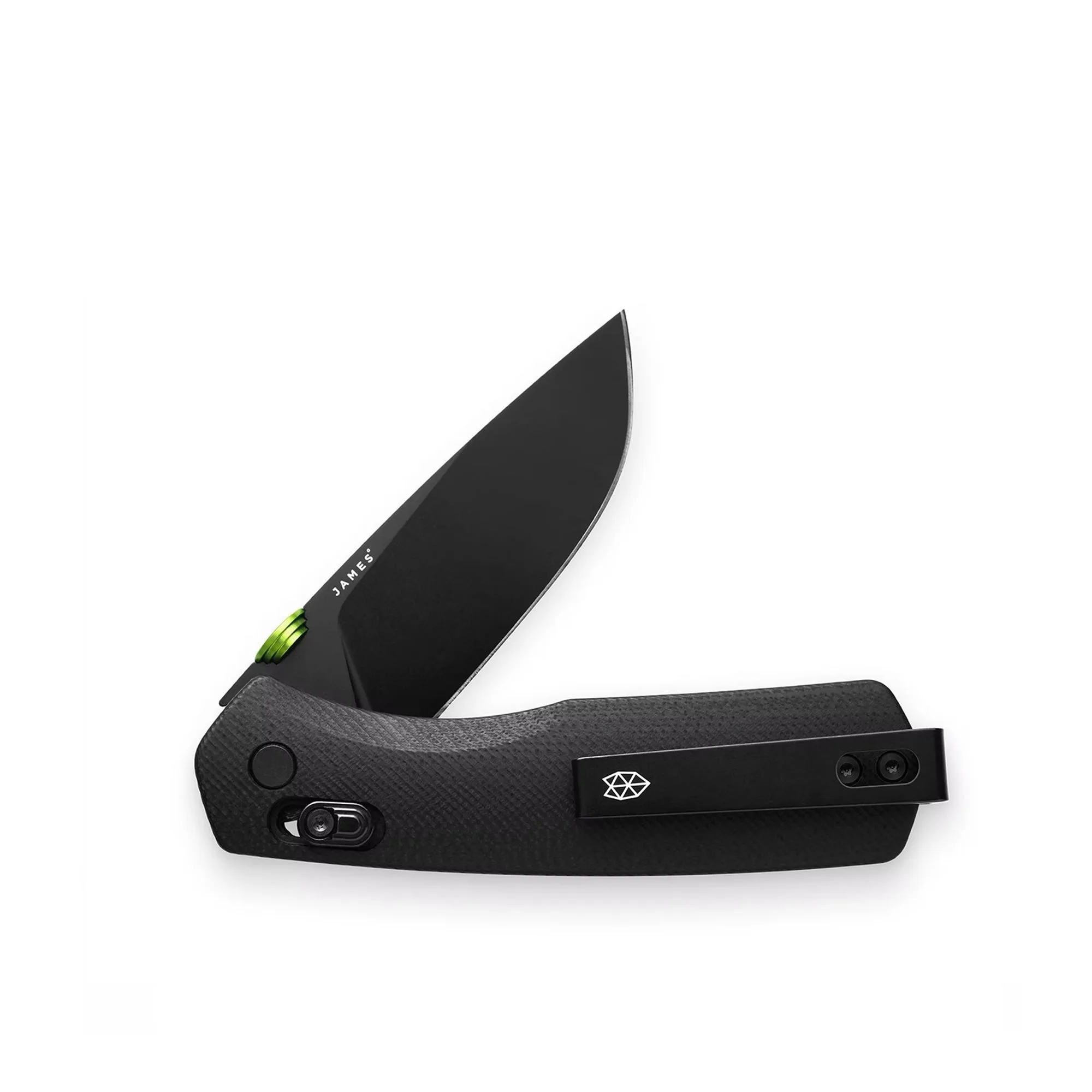
Weight isn't everything, though. A lightweight travel organizer that tears on the first trip is no bargain. Consider the type of gear you'll store: sharp items like a folding knife or a pocket saw need reinforced corners. Some organizers come with a waterproof lining inside, which adds a little weight but can save your gear from a surprise rainstorm or a tipped water bottle.
- Tip: Weigh your empty organizer and add the weight of items you plan to carry. Aim for total under 1-2 lbs if it's going on your waist or chest.
Organization Features: Compartments, Loops, and Attachments
Not all pouches are created equal when it comes to internal organization. For a best pouch organizer for backpack, look for multiple compartments or slip pockets that let you separate a phone, a power bank, and a notebook. Elastic loops are great for holding pens, flashlights, or a small pocket saw in place. Mesh pockets help you see contents at a glance, which speeds up morning packing.
External attachment points—like webbing loops, compression straps, or carabiner slots—add versatility. You can lash a micro organizer for hiking to the outside of your pack for wet or muddy gear. Some organizers also feature a secondary zipper pull that lets you expand the pouch when it's overstuffed. Just be mindful that too many pockets can lead to wasted space if you don't actually use them.
- Tip: Use clear pouches for toiletries or electronics so airport security can see inside without unpacking.
- Tip: For hiking, choose a micro organizer with a whistle buckle or reflective loop for added safety.
Compatibility with Your Gear: Building a Modular System
A minimalist packing strategy works best when every pouch, hipbelt, and backpack layer together smoothly. Check whether the organizer you're eyeing has a loop field or MOLLE-style webbing that matches your backpack. If you own a carry set like the Multi Layer Set - Hoodie Dark, you can layer a lightweight travel organizer over the hoodie for extra front pockets without affecting your core layer.
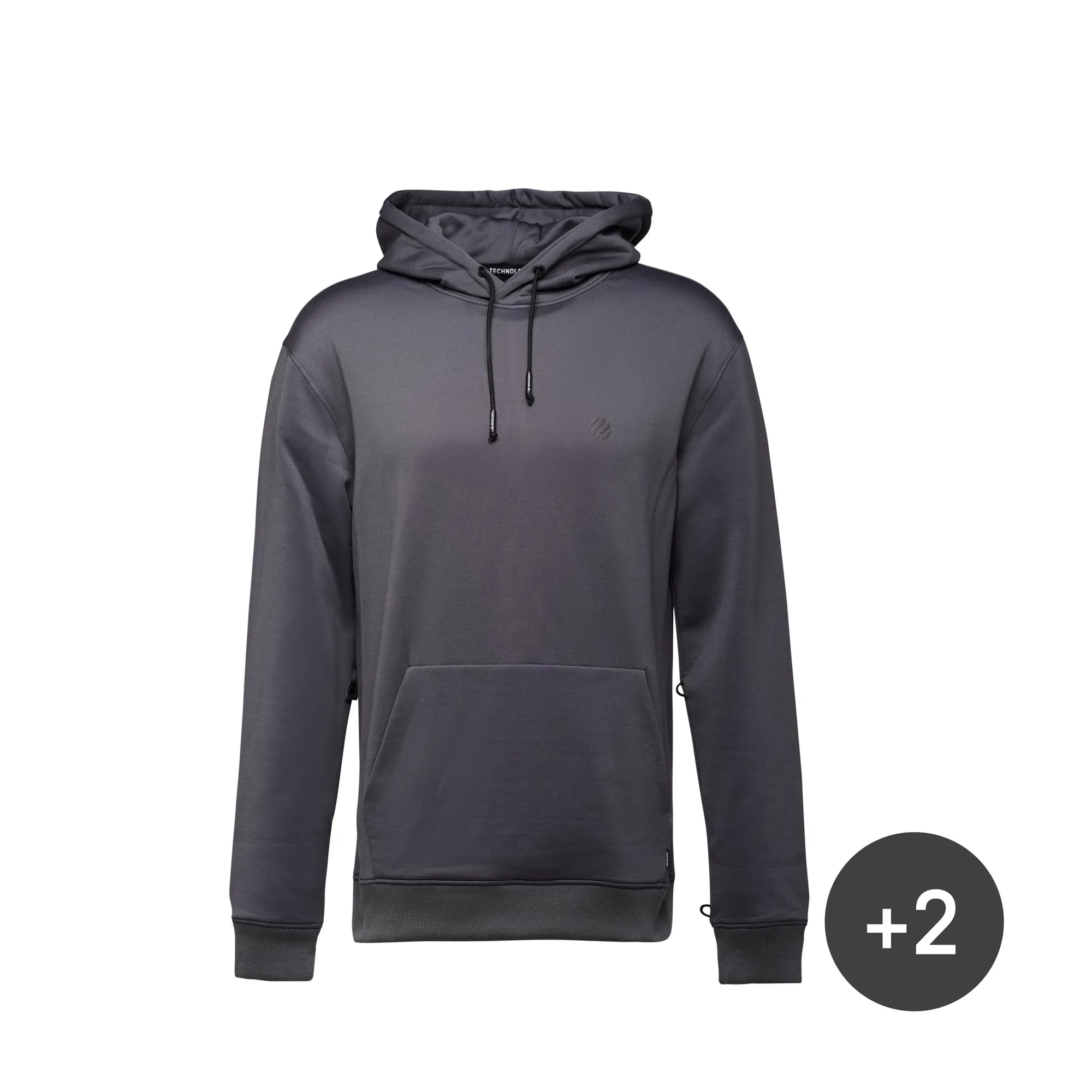
Multi Layer Set - Hoodie Dark
Think about the order of packing. A pouch for sleeping essentials stays deep in your pack, while a quick-access pouch clips to your shoulder strap. Some hikers use a small organizer as a day bag inside their main pack for sightseeing. The key is that all your small bags and organizers should fit together like puzzle pieces, not force you to re-pack every time you change activities.
- Tip: Measure the depth of your backpack's main compartment before buying a cube-style organizer to ensure it fits without bulging.
- Tip: For international travel, look for organizers that meet carry-on size regulations for personal items.
Choosing the best small bags and organizers for minimalist travel comes down to your carry style, desired weight, and how well the pieces work together. Start with one or two versatile pouches that match your most frequent trips, then build out a modular system over time. With the right setup, you'll spend less time rummaging and more time enjoying the journey.