When it comes to recovery supplements, two names often come up: branched-chain amino acids (BCAAs) and glutamine. Both play important roles in muscle repair and overall wellness, but they work in different ways. If you're trying to decide between BCAA vs glutamine, the answer depends on your training style, recovery needs, and even your digestive health.
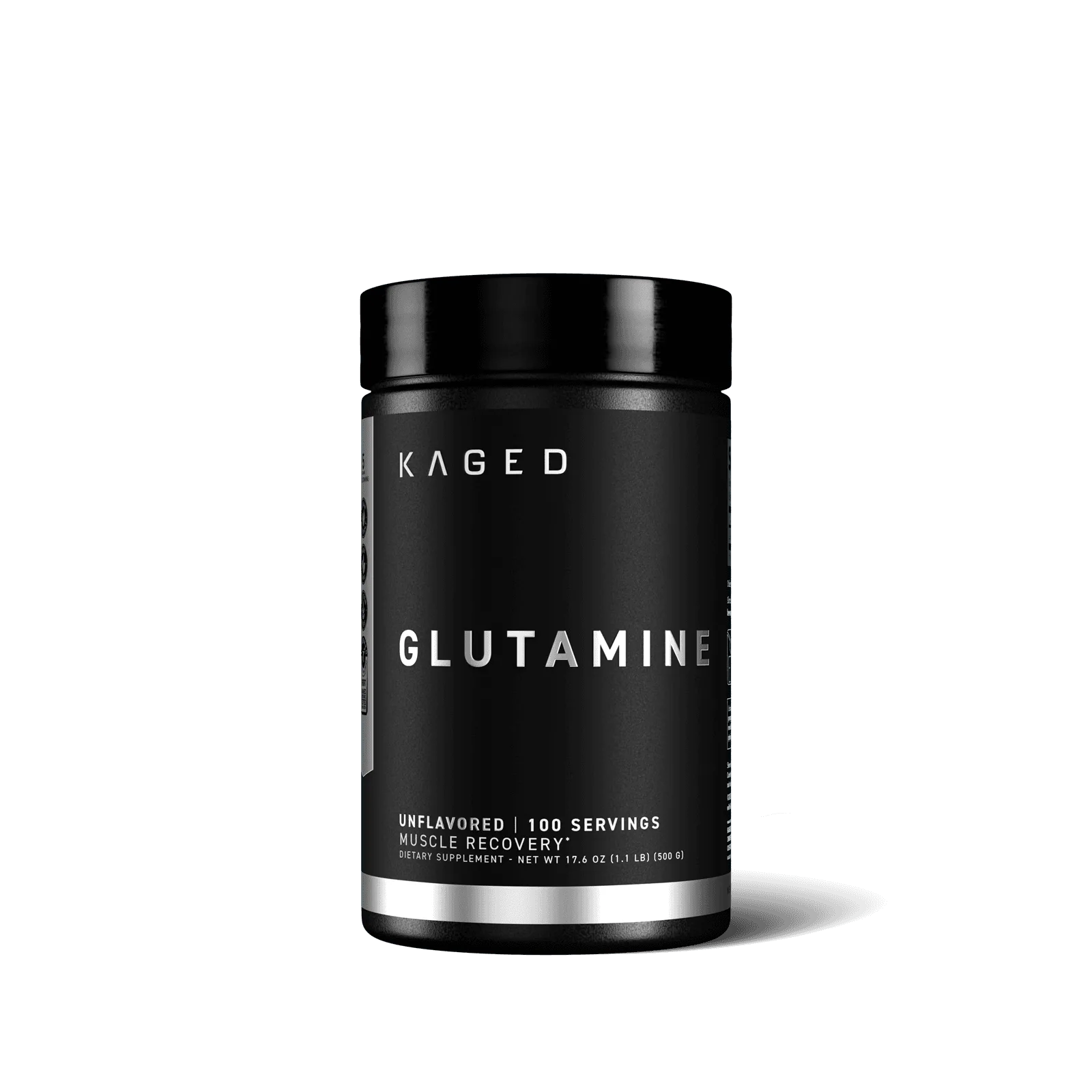
glutamine
In this guide, we'll break down what each supplement does, compare their benefits, and help you determine which one—or which combination—fits your goals. We'll also look at how Kaged's premium options, like Pre-Workout Max and Hydra-Charge, can complement your recovery stack.
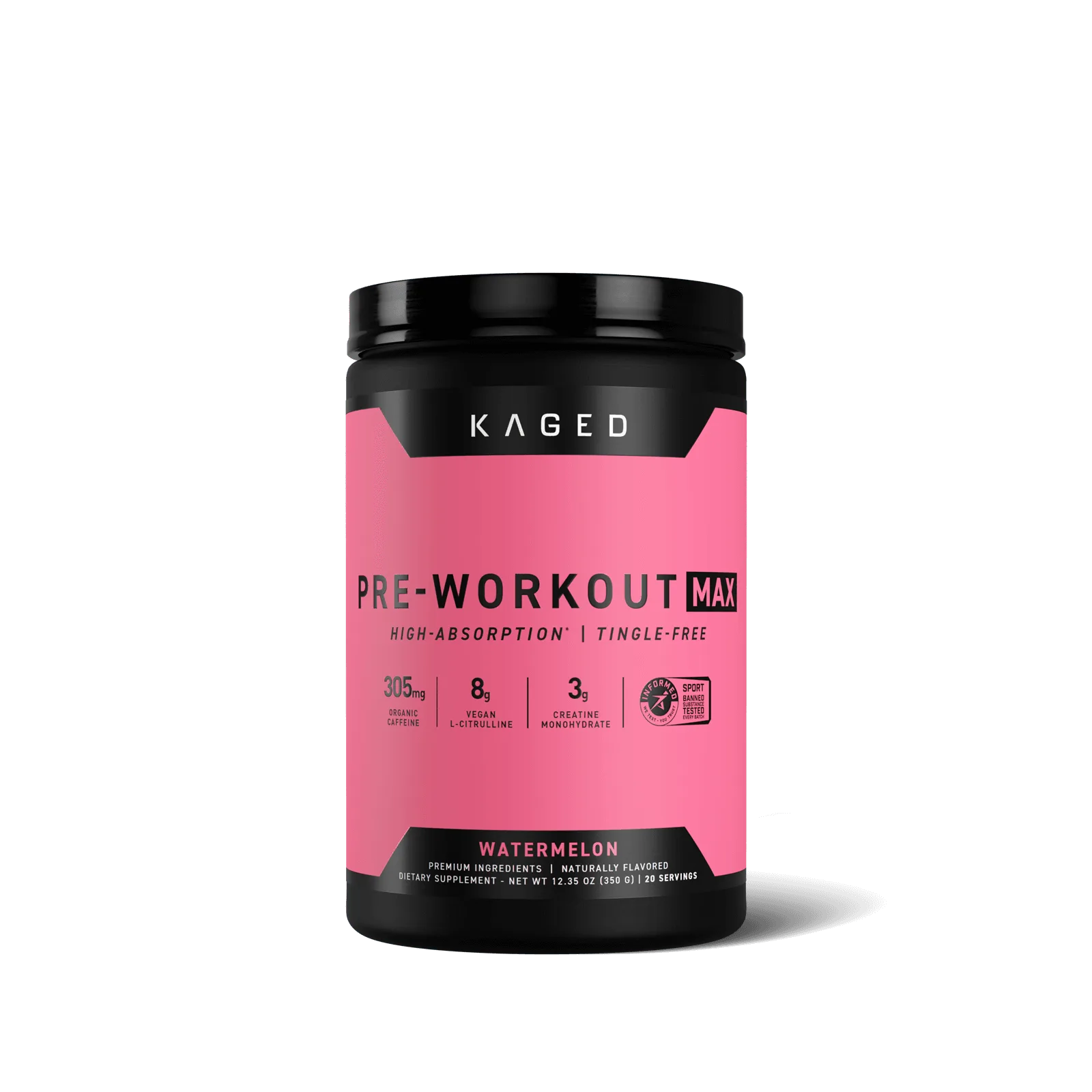
Pre-Workout Max
Understanding BCAAs: The Building Blocks of Muscle
Branched-chain amino acids—leucine, isoleucine, and valine—are three essential amino acids that your body cannot produce on its own. They are called 'branched-chain' because of their chemical structure. BCAAs are unique because they are metabolized directly in the muscle rather than the liver, making them quickly available for energy during exercise.
The primary role of BCAAs is to stimulate muscle protein synthesis and reduce muscle breakdown during workouts. Leucine, in particular, is the key trigger for the mTOR pathway, which signals your body to build new muscle protein. This makes BCAAs especially popular among athletes who train fasted or want to preserve lean mass while cutting calories.
- Supports muscle protein synthesis and reduces exercise-induced muscle damage.
- May help decrease perceived exertion and mental fatigue during long sessions.
- Ideal for fasted training or as an intra-workout addition.
Glutamine: The Multi-Tasking Amino Acid
Glutamine is the most abundant amino acid in your bloodstream and plays a critical role in immune function, gut health, and muscle recovery. While your body can produce glutamine, intense training can deplete your stores, making it conditionally essential during periods of heavy stress.
For athletes, glutamine helps maintain a healthy immune system, which is crucial when training volume is high. It also supports the integrity of the intestinal lining, aiding digestion and nutrient absorption. Some research suggests that glutamine may reduce muscle soreness and speed up recovery after exhaustive exercise.
- Promotes gut health by supporting the intestinal barrier and reducing inflammation.
- Supports immune function, especially during intense training blocks.
- May help reduce muscle soreness and improve recovery time.
BCAA vs Glutamine: Direct Comparison
When comparing BCAAs and glutamine, it's important to recognize that they serve different purposes. BCAAs are primarily anabolic—they promote muscle building and prevent muscle breakdown. Glutamine is more about recovery and overall health, particularly in the gut and immune system.
If your primary goal is to enhance muscle growth and performance during training, BCAAs are the more direct choice. If you're focused on reducing soreness, supporting digestion, and staying healthy through a tough training cycle, glutamine might be more beneficial. However, they are not mutually exclusive; many athletes use both to cover all bases.
- BCAAs: best for intra-workout energy, muscle preservation, and protein synthesis.
- Glutamine: best for post-workout recovery, gut health, and immune support.
- Combining them can provide comprehensive recovery support.
How to Choose Based on Your Goals
To make the right choice, start by identifying your primary training goal. If you're into bodybuilding or strength training and want to maximize muscle growth, BCAAs are a smart addition. They can be taken before or during your workout to fuel your muscles and reduce fatigue. For endurance athletes, BCAAs may also help delay fatigue and preserve muscle mass during long sessions.
If you're in a heavy training phase, prone to illness, or experience digestive issues, glutamine is worth considering. It can be taken post-workout or before bed to support recovery and immune function. Additionally, if you're on a low-carb or ketogenic diet, glutamine can help maintain muscle mass and support gut health.
For most people, a combined approach works best. Taking BCAAs during your workout and glutamine after can give you the best of both worlds. Kaged offers high-quality options like Pre-Workout Max, which includes BCAAs and other performance ingredients, and Hydra-Charge for hydration—both can complement your recovery routine.
- Goal: Muscle growth → BCAAs (especially leucine).
- Goal: Faster recovery and immune support → Glutamine.
- Goal: Comprehensive support → Stack both, with BCAAs intra-workout and glutamine post-workout.
How to Stack BCAAs and Glutamine Effectively
If you decide to use both, timing is key. BCAAs are best taken around your workout—either 15-30 minutes before or sipped during training. This ensures they're available when your muscles need them most. Glutamine is often taken post-workout or before bed to support recovery overnight.
You can also combine them in a single shake, but be mindful of taste and mixing. Some people find that glutamine has a slightly sweet taste, while BCAAs can be bitter. Using a flavored product or adding them to a smoothie can make the combination more palatable.
Kaged's Pre-Workout Max already contains BCAAs, so if you're using that, you may not need an additional BCAA supplement. Instead, you could add glutamine to your post-workout shake. For hydration, Hydra-Charge provides electrolytes and amino acids, making it a great intra-workout companion.
- Take BCAAs before or during training for maximum benefit.
- Take glutamine post-workout or before bed for recovery and gut health.
- Consider products like Pre-Workout Max and Hydra-Charge to cover multiple needs.
Ultimately, choosing between BCAA and glutamine doesn't have to be an either/or decision. By understanding your goals and how each supplement works, you can tailor your stack for optimal recovery and performance. Whether you're looking to build muscle, boost endurance, or support your overall health, Kaged has high-quality options to help you never stop evolving.