Quick answer
Choose an XL yoga mat if you are taller than about 5'10", practice wide-stance poses, or want extra room for home sessions; choose a standard mat if you prioritize portability, smaller storage, or lower cost. The right width and length depend on your height, arm span, and where you practice, not on a single universal number.
Width and length: the measurements that actually matter
Most standard yoga mats are roughly 24 inches wide and 68 inches long, while XL mats typically add several inches in both directions. For a standard mat, the length often runs shorter than the height of a taller practitioner, which means hands or feet can slip off during supine or standing poses. XL mats are designed to give more usable surface area so you can stay on the mat without constantly readjusting.
When you compare an XL yoga mat vs a standard yoga mat, measure your arm span and your height first. If your arm span is wider than the mat, wide poses like Warrior II or a wide-legged forward fold will push your hands or feet off the edges. A longer mat also helps when you lie down for Savasana or practice poses where you extend through the heels.
- Measure your height and arm span before choosing a mat size.
- Check whether your current mat leaves hands or feet hanging off in wide poses.
- Account for the space you have for storage and practice.
Thickness and cushioning: what changes with size
XL mats are not automatically thicker than standard mats. Thickness is a separate decision from width and length, and it affects joint comfort, balance, and how stable you feel in standing poses. A thicker mat can cushion knees and wrists, but it can also make balancing poses feel less grounded because the surface compresses underfoot.
If you need more cushioning for knee or wrist comfort, look at thickness as its own variable rather than assuming an XL mat will solve it. Conversely, if you want a firm, stable surface for balance work, a thinner mat may suit you better even if you choose an XL size.
- Choose thickness for comfort and stability, not for size.
- Test balance poses on a thicker mat before committing if stability matters to you.
Portability, storage, and home practice
The main trade-off with an XL yoga mat is portability. Extra width and length add weight and bulk, which makes an XL mat less convenient to carry to a studio, stuff into a locker, or roll out in a small apartment. A standard mat is easier to transport and store, so it is often the better choice if you practice in multiple locations.
If most of your practice happens at home, the portability penalty matters less. A large yoga mat for home practice gives you room to move without repositioning, and you can leave it rolled out or store it in a dedicated spot. If you split your time between home and a studio, consider whether you want one mat that does both or a standard mat for travel and an XL mat for home.
- Weigh the mat before buying if you carry it regularly.
- Measure your storage space, including closet depth and car trunk width.
- For home-only practice, prioritize surface area over portability.
How to decide if an XL yoga mat is worth it
An XL yoga mat is worth it when the extra surface area changes how you practice: you stop adjusting your hands and feet, you can hold wide poses without stepping off, and you feel more comfortable in Savasana. It is less worth it if you mainly need a mat you can carry easily or if your practice space is tight.
Cost is part of the equation. XL mats often use more material, so they can cost more than standard mats. Compare the price difference against how often you practice and how much the extra room improves your sessions. If you are unsure, start by measuring your current mat against your body and your space, then decide whether the gap is large enough to justify the upgrade.
- Upgrade if your hands or feet regularly leave the mat.
- Stay standard if portability or budget is the priority.
- Compare the price gap against how often you practice.
Decision rules for choosing your mat size
- If you are taller than about 5'10": A standard mat may be shorter than your body, so your head or feet can leave the surface in supine poses. Measure your height against the mat length before choosing. Lean toward an XL or longer mat if your height exceeds the standard mat length.
- If your arm span is wider than the mat: Wide-stance poses will push your hands or feet off the edges. Compare your arm span to the mat width to see whether you need more room. Choose an XL mat if you regularly practice wide poses and feel constrained.
- If you carry your mat to a studio: Extra width and length add weight and bulk, which makes an XL mat harder to transport and store. A standard or travel mat is easier to move. Prioritize a standard or travel mat if portability is your main concern.
- If you practice mostly at home: A large yoga mat for home practice gives you room to move without repositioning, and storage is less of a constraint when the mat stays in one place. An XL mat is usually worth it for dedicated home practice spaces.
- If budget is the deciding factor: XL mats often use more material and can cost more than standard mats. Compare the price difference against how much the extra room improves your sessions. Choose standard if the extra surface area does not change how you practice.
Product facts to know
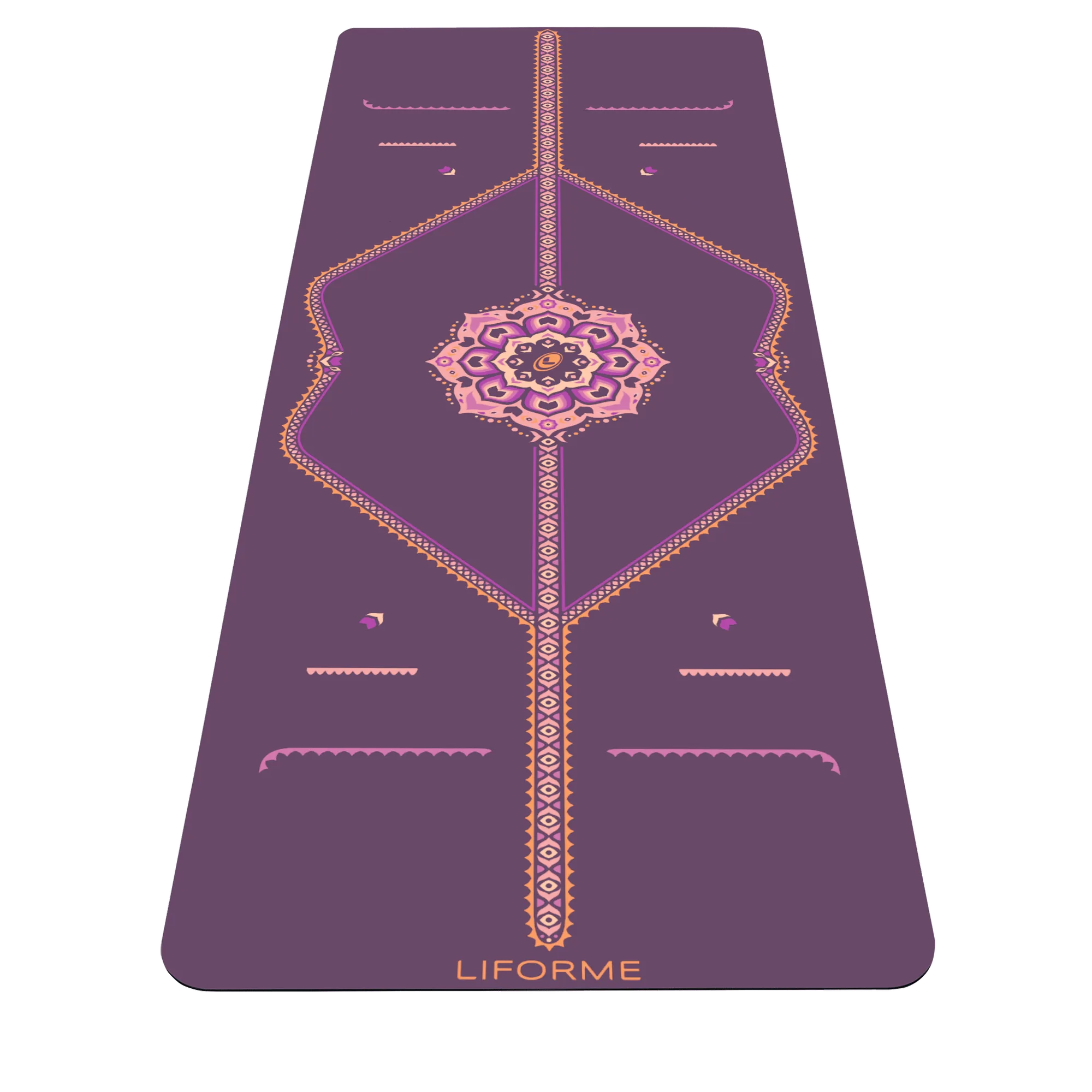
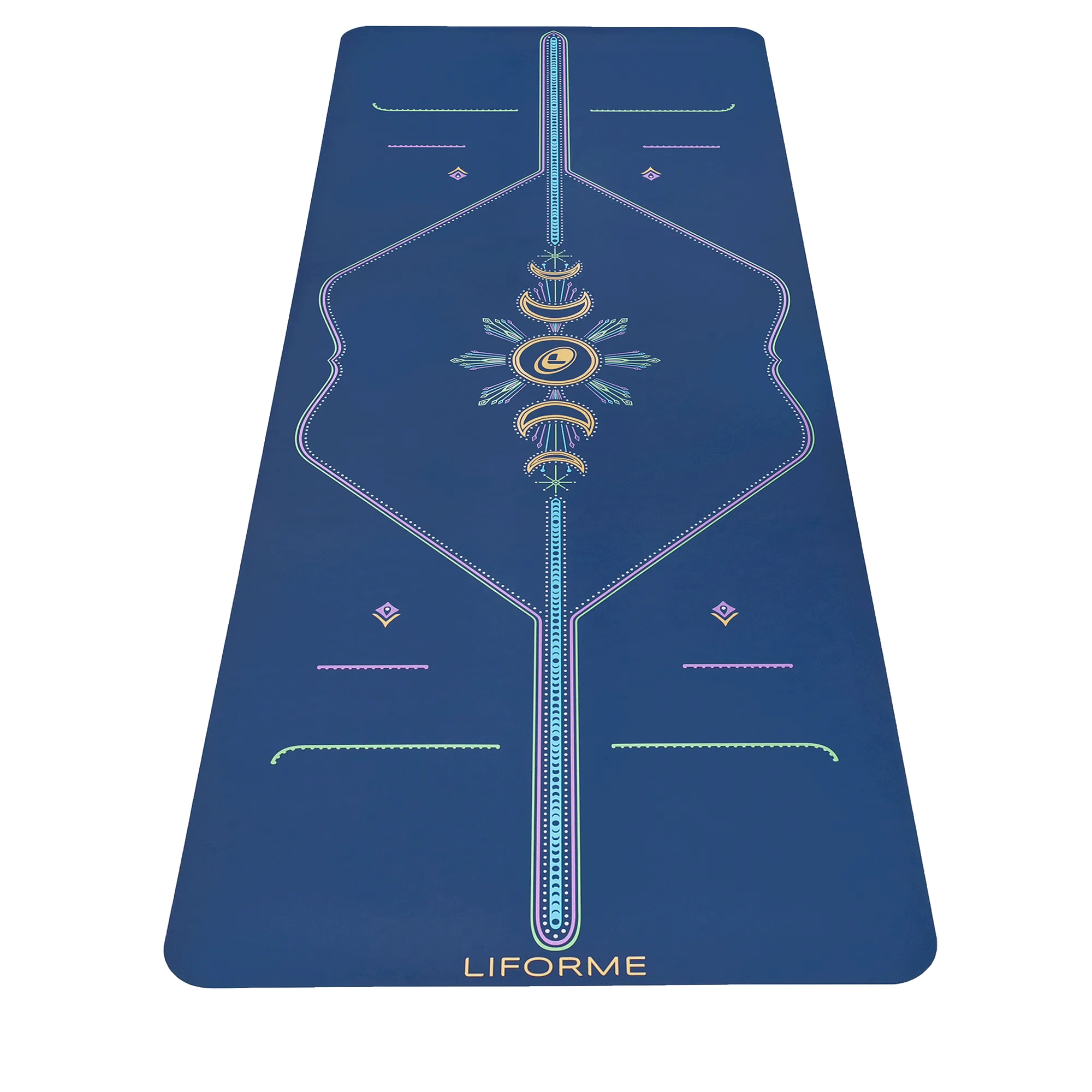
- Liforme Blossoming Lotus XL Yoga Mat: Liforme Blossoming Lotus XL Yoga Mat features the AlignForMe posture alignment design printed with durable, eco-friendly, non-toxic inks. The alignment markings help you position hands and feet consistently, which is especially useful on a wider surface where you have more room to place them.
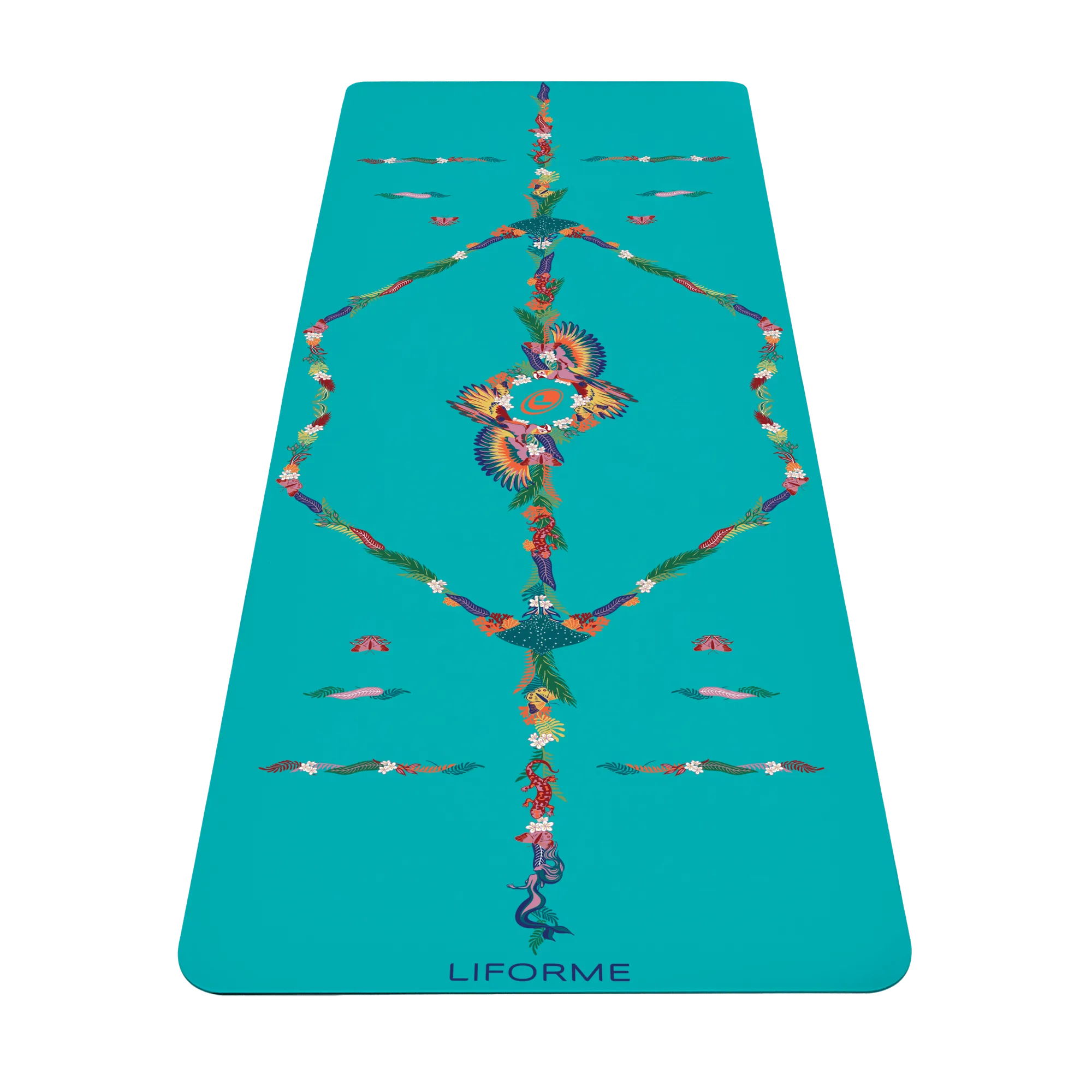
- Liforme Tropical Paradise Yoga Mat: Liforme Tropical Paradise Yoga Mat is a Planet-friendly mat made with sustainably sourced natural rubber and is PVC-free. If material sourcing matters to you, this mat gives you a standard-size option with a documented natural rubber and PVC-free construction.
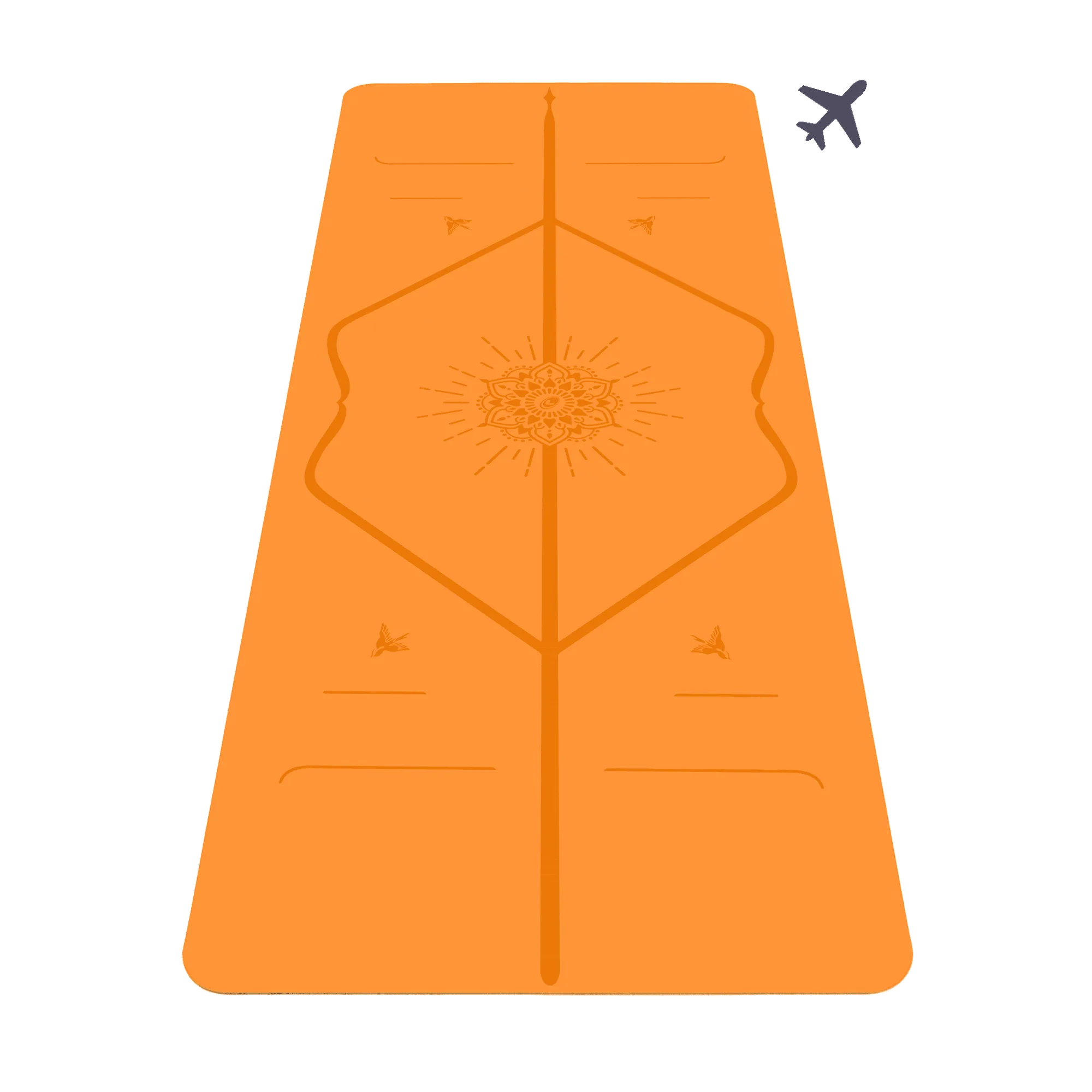
- Liforme Expressions Travel Yoga Mat: Liforme Expressions Travel Yoga Mat features the AlignForMe system in symbolic designs representing Happiness, Gratitude and Love. A travel mat is the portability-focused alternative when an XL mat is too bulky to carry, while still keeping alignment guidance.
Who should choose which
Best for an XL mat
- Taller practitioners whose height or arm span exceeds a standard mat
- Yogis who practice wide-stance poses and want room to stay on the mat
- Home practitioners with space to leave a larger mat rolled out
Better with a standard or travel mat
- Commuters who carry a mat to a studio or gym regularly
- Practitioners with limited storage or small practice areas
- Anyone who wants the lightest, most portable option