When you're out in the wild, a good meal can make or break the experience. But cooking outdoors isn't just about having a fire and a pan—it's about having the right camp kitchen gear that fits your style, your trip, and your menu. Whether you're a weekend car camper or a backcountry minimalist, choosing the right equipment can save you weight, space, and frustration.
This buying guide will walk you through the key decisions: cookware materials, stove types, essential tools, and how to match your gear to your cooking habits. By the end, you'll know exactly what to pack for your next adventure.
Cookware Materials: Weight, Durability, and Heat Distribution
The heart of any camp kitchen is the cookware. The material you choose affects weight, durability, and how evenly your food cooks. Aluminum is lightweight and heats quickly, but it can warp and react with acidic foods. Stainless steel is durable and non-reactive, but heavier and prone to hot spots. Titanium is the ultralight backpacker's dream—strong, light, and corrosion-resistant, but expensive and with poor heat distribution unless you use a heat exchanger.
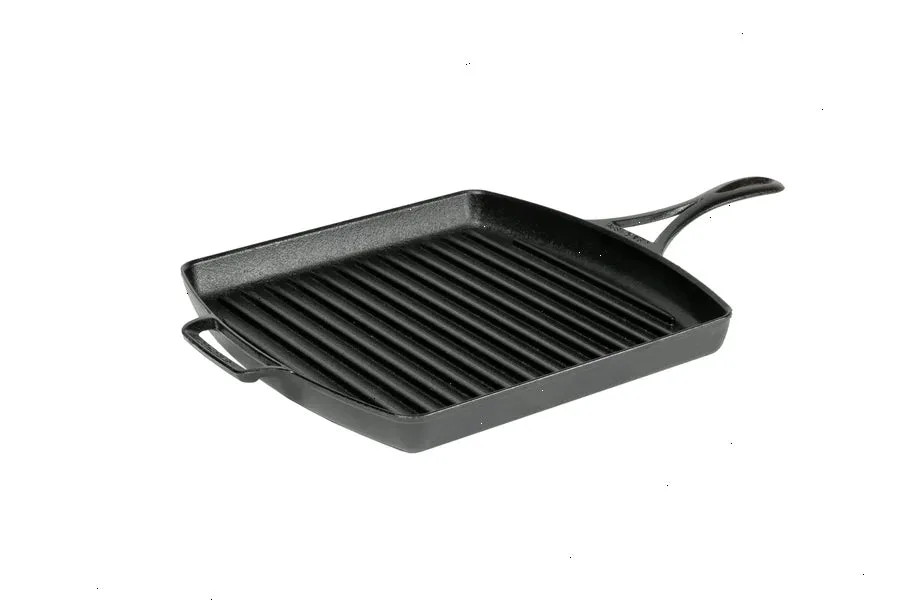
Cast iron is the heavyweight champion for car camping and basecamps. It holds heat beautifully and can go from stovetop to campfire, but it's heavy and requires seasoning. For most campers, a compromise like hard-anodized aluminum or a stainless steel set with a non-stick coating offers a good balance. Consider what you'll cook most: quick boil meals need lightweight pots, while elaborate stews benefit from even-heating pans.
- Aluminum: light and fast, but can warp
- Stainless steel: durable and non-reactive, but heavy
- Titanium: ultralight, but pricey and uneven heat
- Cast iron: excellent heat retention, but heavy and needs care
Portable Stoves: Match the Heat Source to Your Trip
Your stove choice depends on where you go and what you cook. Canister stoves (isobutane-propane) are the most popular for car and moderate backpacking trips. They're easy to use, light, and reliable down to about 20°F. Liquid fuel stoves (white gas, kerosene) are more versatile in extreme cold and high altitude, but they require priming and maintenance. Alcohol stoves are ultralight and quiet, but slower and less wind-resistant.
For quick meals and boiling water, a simple canister stove is hard to beat. If you're cooking for a group or want to simmer, consider a two-burner camp stove that runs on a larger propane tank. Think about your typical trip: a weekend at a drive-in campsite can handle a bulky stove, while a multi-day hike demands something compact and efficient.
- Canister stoves: easy, light, good for most conditions
- Liquid fuel stoves: best for extreme cold and altitude
- Alcohol stoves: ultralight but slower
- Two-burner stoves: ideal for group car camping
Essential Accessories: Beyond the Pot and Pan
A complete camp kitchen isn't just about the stove and cookware. You'll need utensils, a cutting board, a kettle for hot drinks, and a way to wash dishes. Look for nesting cookware to save space, and consider a collapsible sink or wash basin for Leave No Trace dishwashing. A good camp mug and a French press or pour-over setup can elevate your morning coffee ritual.
Don't forget the small stuff: a lightweight spatula, tongs, and a sharp knife. Many campers also bring a portable grill grate for cooking over an open fire. To keep your gear organized, use a dedicated camp kitchen box or a hanging organizer. This is where the right accessories can turn a chaotic meal into a smooth experience.
- Nesting cookware saves pack space
- Collapsible sink for eco-friendly washing
- Portable grill grate for campfire cooking
- Kitchen organizer to keep everything tidy
Match Your Gear to Your Cooking Style
Are you a boil-water-and-add-freeze-dried-meals kind of camper, or do you enjoy preparing gourmet meals over a campfire? Your answer determines how much gear you need. Minimalists can get away with a single pot, a spork, and a stove. Gourmet campers might want a skillet, a Dutch oven, and a full spice kit.
Also consider the size of your group. Cooking for two is very different from cooking for eight. For larger groups, invest in bigger pots and a stove with more BTU output. And think about the environment: in some areas, open fires are prohibited, so a reliable stove is essential. Always check regulations before you go.
- Minimalist: one pot, spork, stove
- Gourmet: skillet, Dutch oven, spices
- Group size: larger pots and higher BTU
- Check fire restrictions in your area
Top Camp Kitchen Picks from Prometheusdesignwerx
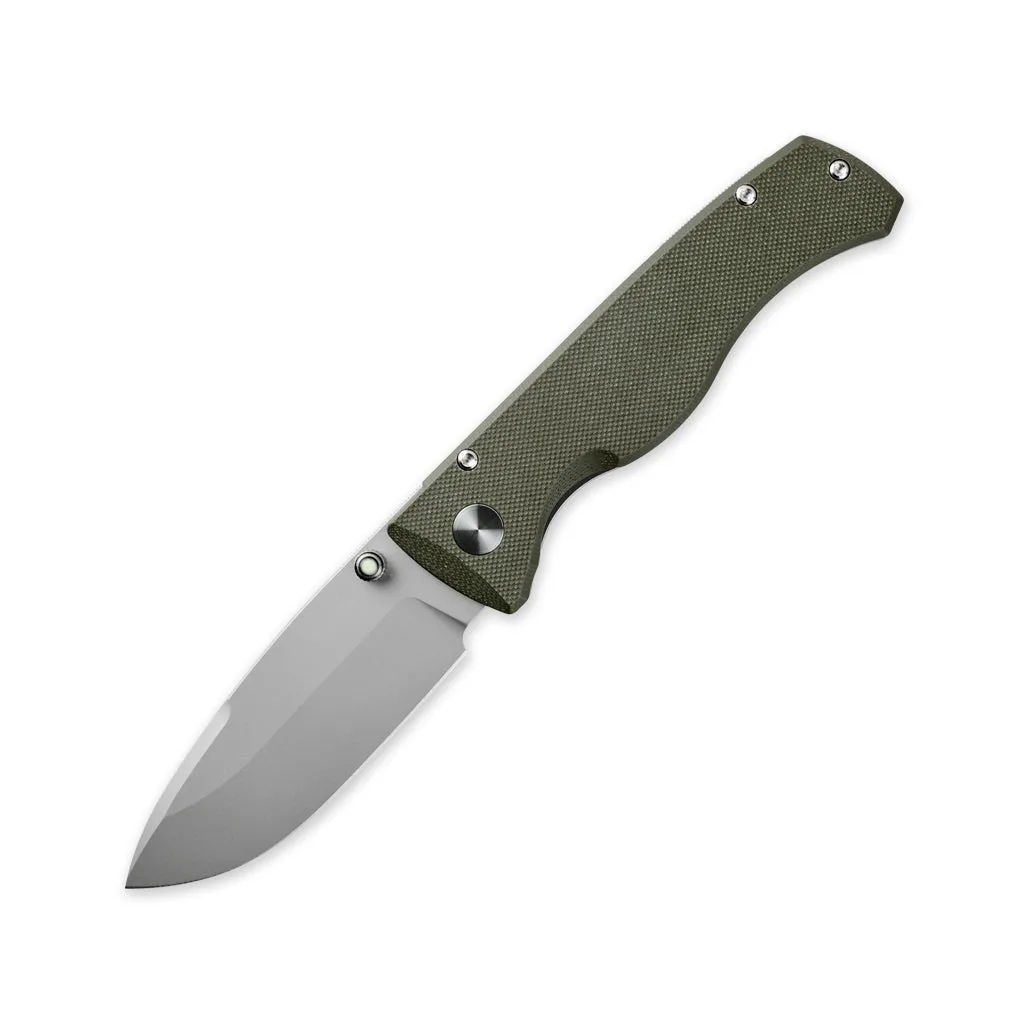
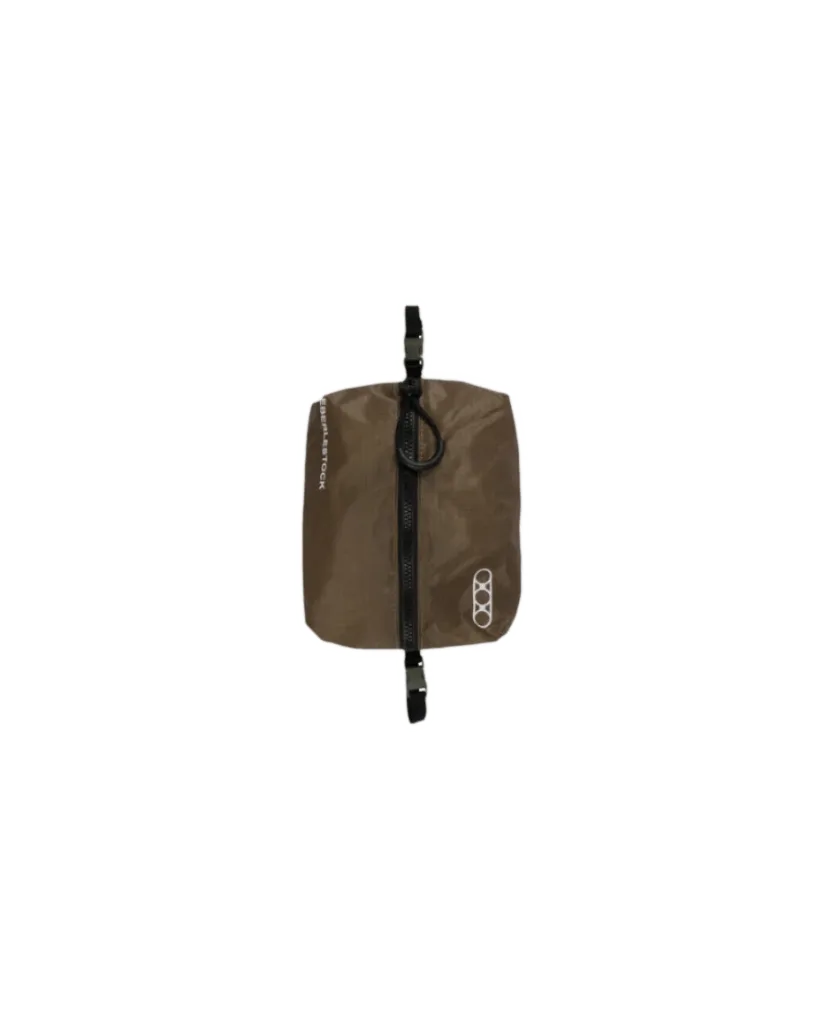
At Prometheusdesignwerx, we stock a range of gear to suit every camper. For a durable and versatile option, consider the WOE X SPD Birdwatcher - OD Green, a rugged tool that can handle various cooking tasks. If you're looking for a compact and reliable accessory, the OJP - Black is a great addition to your camp kitchen kit.
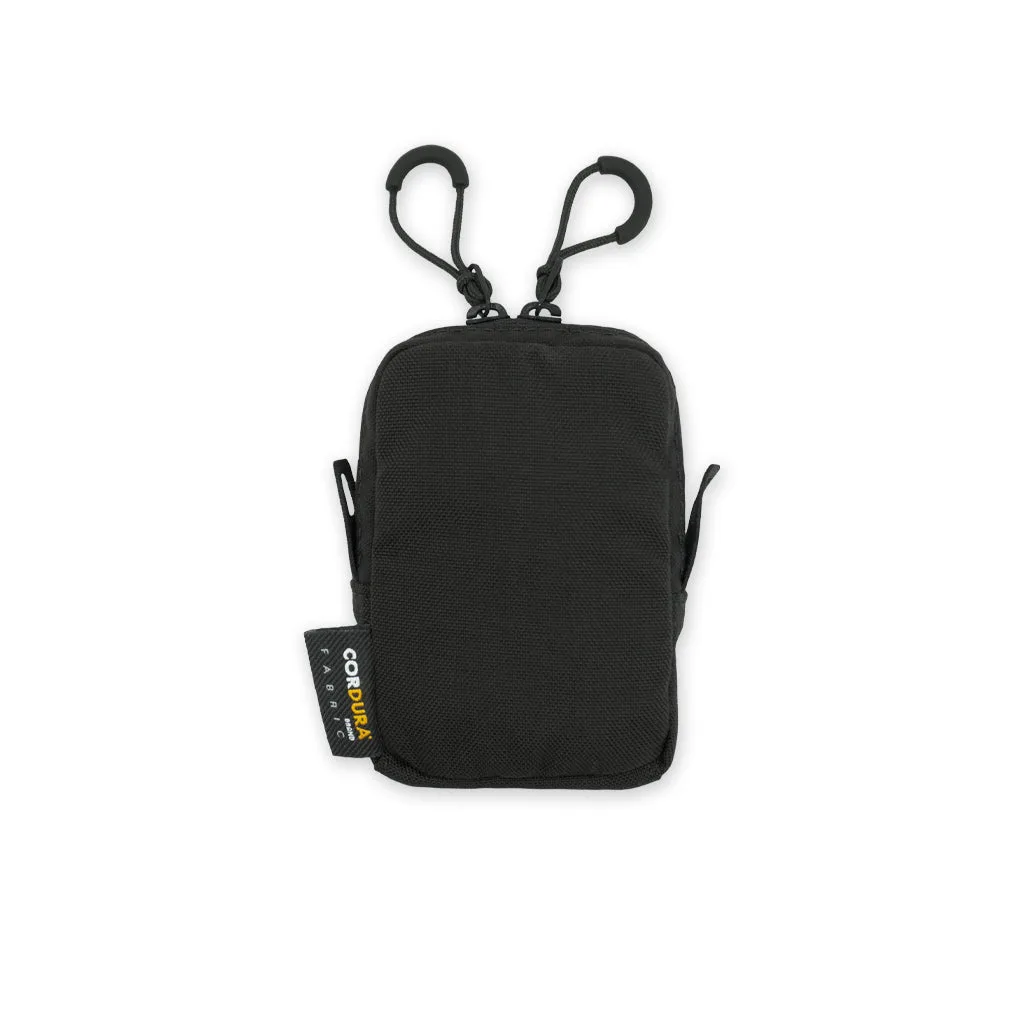
OJP - Black
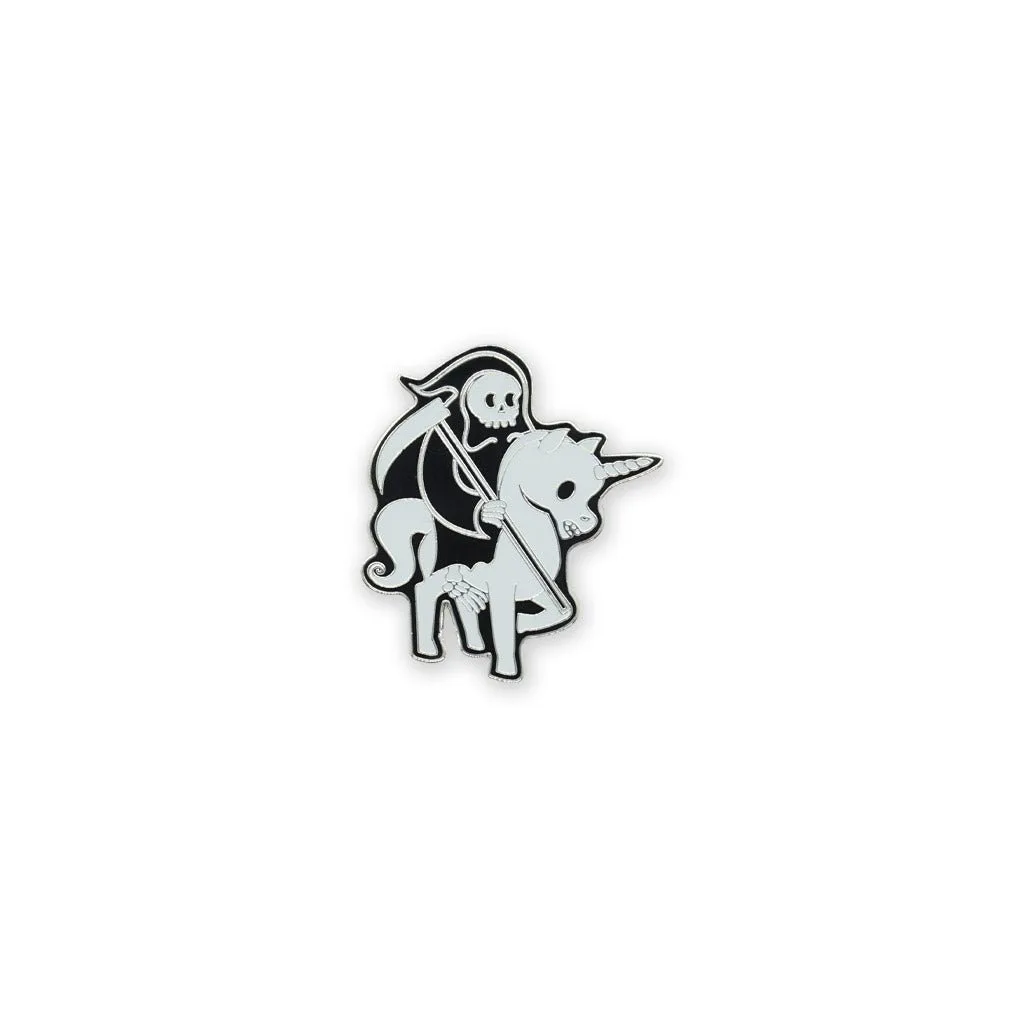
For those who appreciate the outdoors aesthetic, the PDW Death Rides a Unicorn GID Lapel Pin adds a fun touch to your gear, and the PDW All Terrain Winter 2018 LTD ED Morale Patch lets you personalize your pack. But remember, the best gear is the gear that fits your specific needs.
- WOE X SPD Birdwatcher - OD Green: versatile outdoor tool
- OJP - Black: compact and functional
- PDW Death Rides a Unicorn GID Lapel Pin: fun addition
- PDW All Terrain Winter 2018 LTD ED Morale Patch: personalize your kit
Choosing the right camp kitchen gear is all about balancing weight, durability, and your cooking style. Start with the essentials, consider the materials and stove type that match your trips, and add accessories that make outdoor cooking easier and more enjoyable. With the right setup, you'll be cooking delicious meals under the stars in no time.