Quick answer
Start by selecting a cement tile pattern and color that complements your kitchen's style, then verify the tile's durability for your specific cooking and cleaning habits.
Why cement tile works for backsplashes
Handmade cement tile brings texture and artisanal character that glazed ceramic or subway tile often lacks. Its matte finish hides water spots and grease splatter better than glossy surfaces, making it a practical choice behind a stove or sink.
The main trade-off is porosity: unsealed cement absorbs moisture and stains. Proper sealing before and after installation is essential. Once sealed, cement tile is durable enough for most residential kitchens.
Pattern and scale considerations
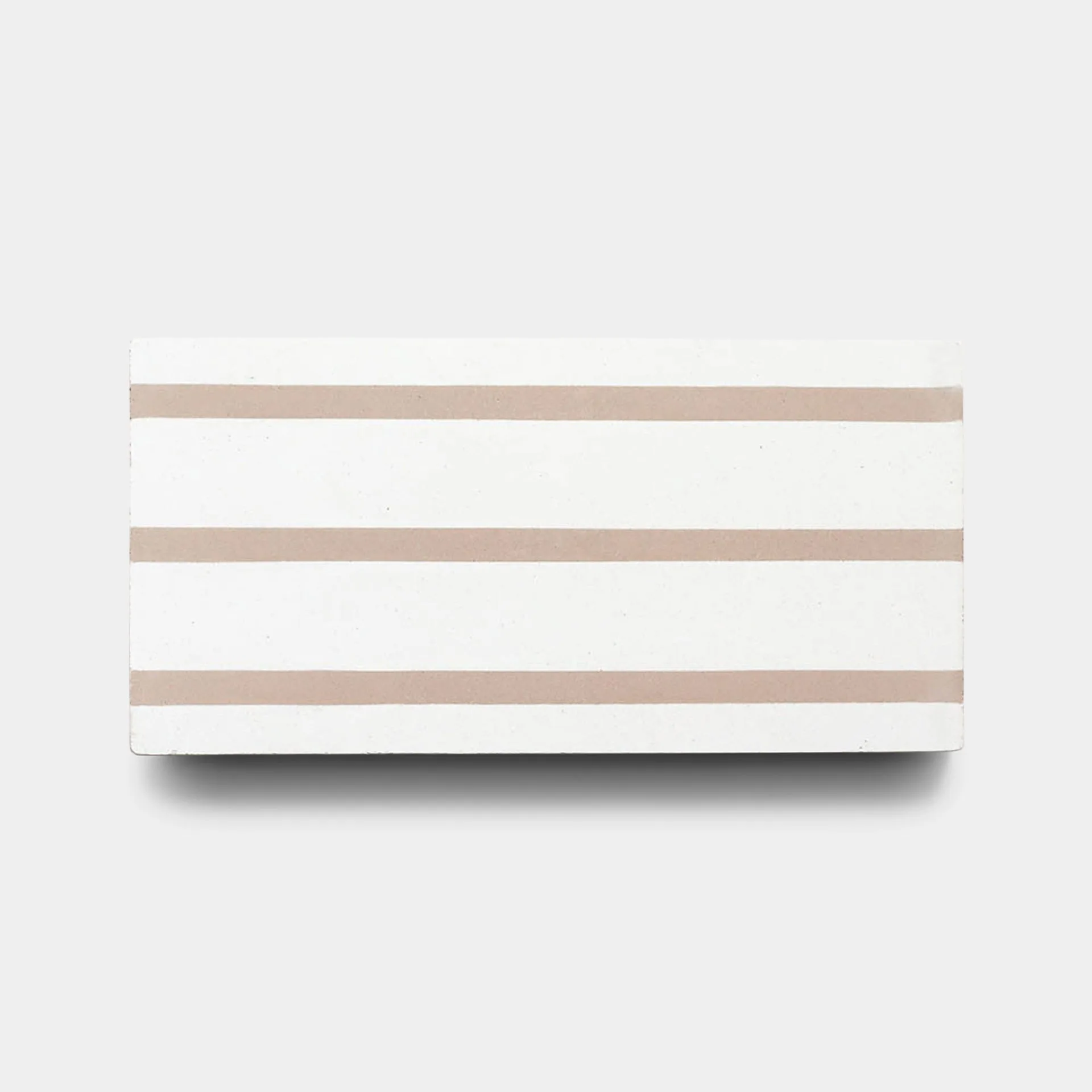
Large-scale patterns (like the 8x8 Currents or Dune tiles) create a bold focal point but can overwhelm a small backsplash. Smaller formats, such as the 4x8 High Line Jaipur Pink, offer more flexibility for tight spaces or partial walls.
If you plan to tile a full wall, consider a repeating geometric pattern. For a subtle look, choose a single color or a low-contrast blend like the muted green and bone tones of the Currents Noblen Green + Bone.
How to choose cement tile for your backsplash
- 1. Assess your kitchen's light and existing colors: Hold a cement tile sample (or several) against your countertops, cabinets, and wall paint at different times of day. Cement tile colors can shift in warm vs. cool light, and the matte finish absorbs light differently than glossy tile. Common mistake: choosing a tile color based on a photo alone. Always test a physical sample in your kitchen.
- 2. Choose a pattern scale that fits your space: For a small backsplash (under 10 square feet), opt for a smaller format tile like 4x8 or a subtle pattern. For a larger wall, an 8x8 geometric design can become a striking feature. Avoid busy patterns in very tight spaces. Checkpoint: measure your backsplash area and sketch the pattern repeat to ensure it aligns well with outlets and edges.
- 3. Verify durability and maintenance requirements: Cement tile is softer than porcelain and requires sealing. Ask your supplier about the recommended sealer and reapplication schedule. For a kitchen backsplash, a penetrating sealer that resists grease and water is essential. Common mistake: skipping the sealer or using a surface sealer that yellows over heat. Use a penetrating sealer designed for cement.
- 4. Order samples before committing: Purchase one or two full-size samples (not just a color card) to see the actual texture, pattern registration, and color variation. Place them on the wall and live with them for a few days. Checkpoint: if you are torn between two patterns, order both samples. The difference in hand is often clearer than in photos.
- 5. Plan for installation and future care: Hire an installer experienced with cement tile. The tile may have slight size variations (a natural trait of handmade products), so proper layout and grout selection matter. After installation, seal the tile and grout, and clean with a pH-neutral cleaner. Common mistake: using acidic or abrasive cleaners that etch the sealer and damage the tile surface.
Cement tile samples to consider
-
Currents Noblen Green + Bone 8x8, Sample: The Currents Noblen Green + Bone 8x8 sample is a handcrafted cement tile with muted green and bone tones. Ordering a sample lets you see how the color blend looks against your countertops and cabinets before committing to a full order.
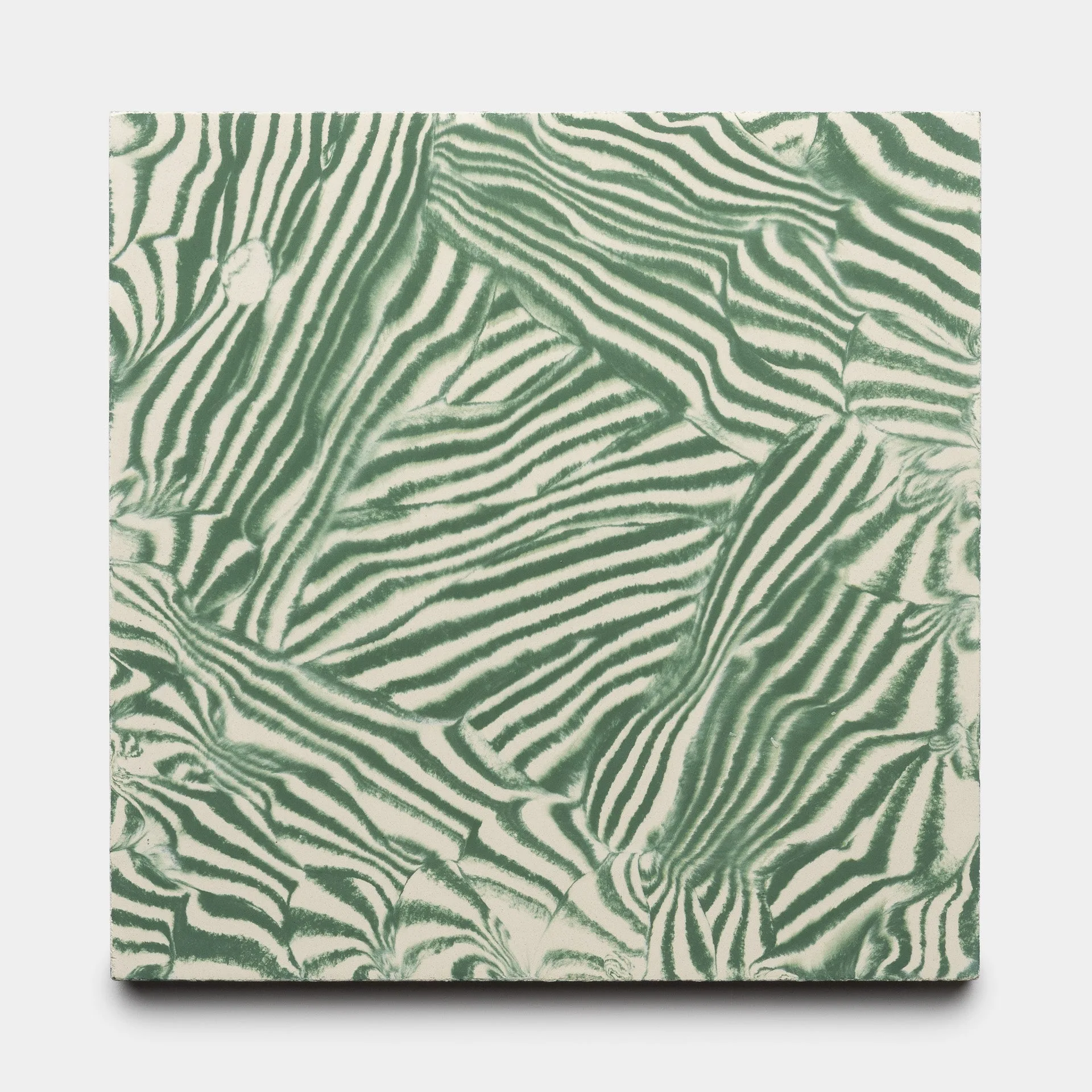
Currents Noblen Green + Bone 8x8, Sample
-
Dune 8x8, Sample: The Dune 8x8 sample offers a neutral cement design with a smooth finish. It is ideal for testing how a neutral backsplash will interact with changing natural light throughout the day.
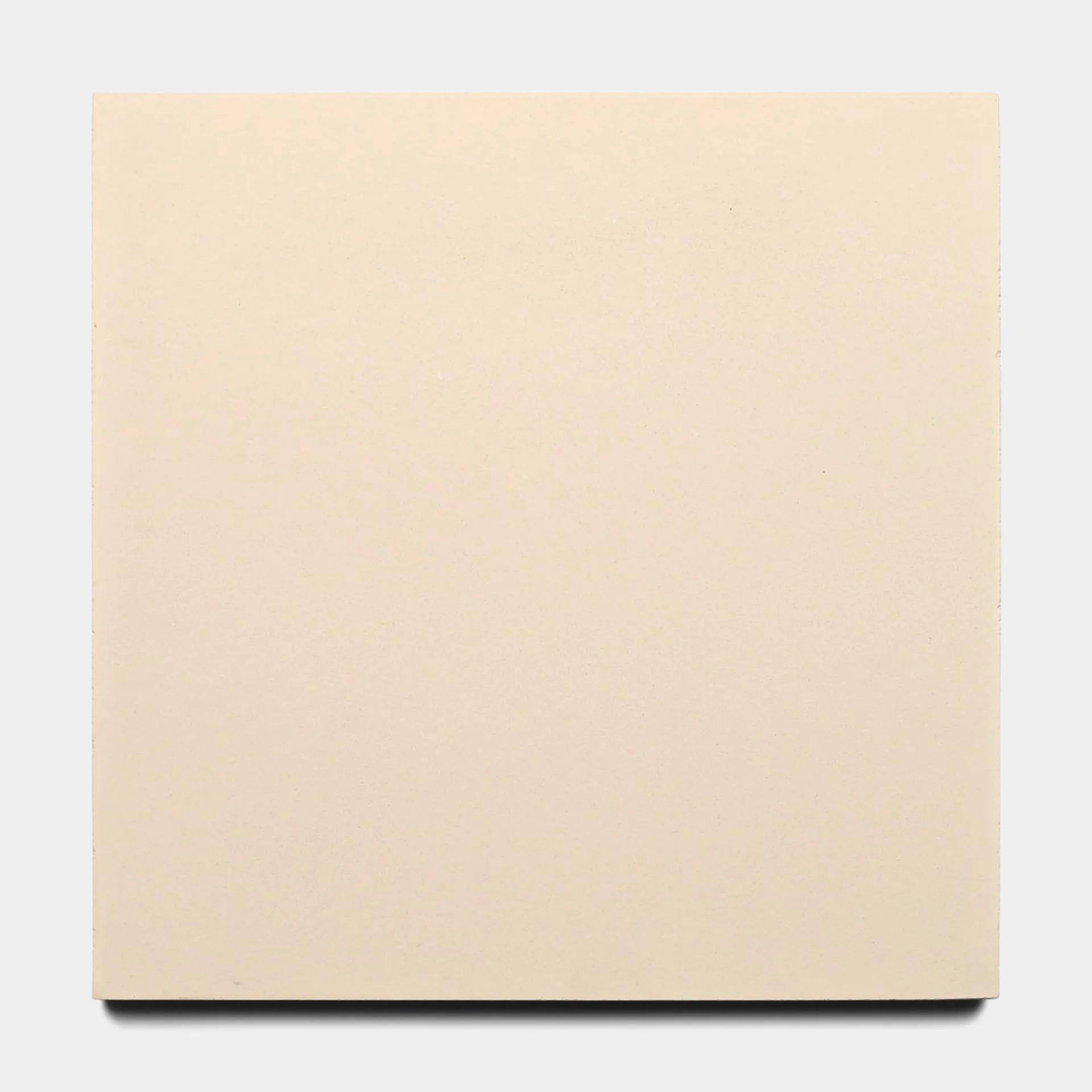
Dune 8x8, Sample
-
High Line Jaipur Pink 4x8, Sample: The High Line Jaipur Pink 4x8 sample is a cement tile in a Jaipur Pink colorway. The smaller 4x8 format is useful for previewing a pop of color on a narrow backsplash without overwhelming the space.