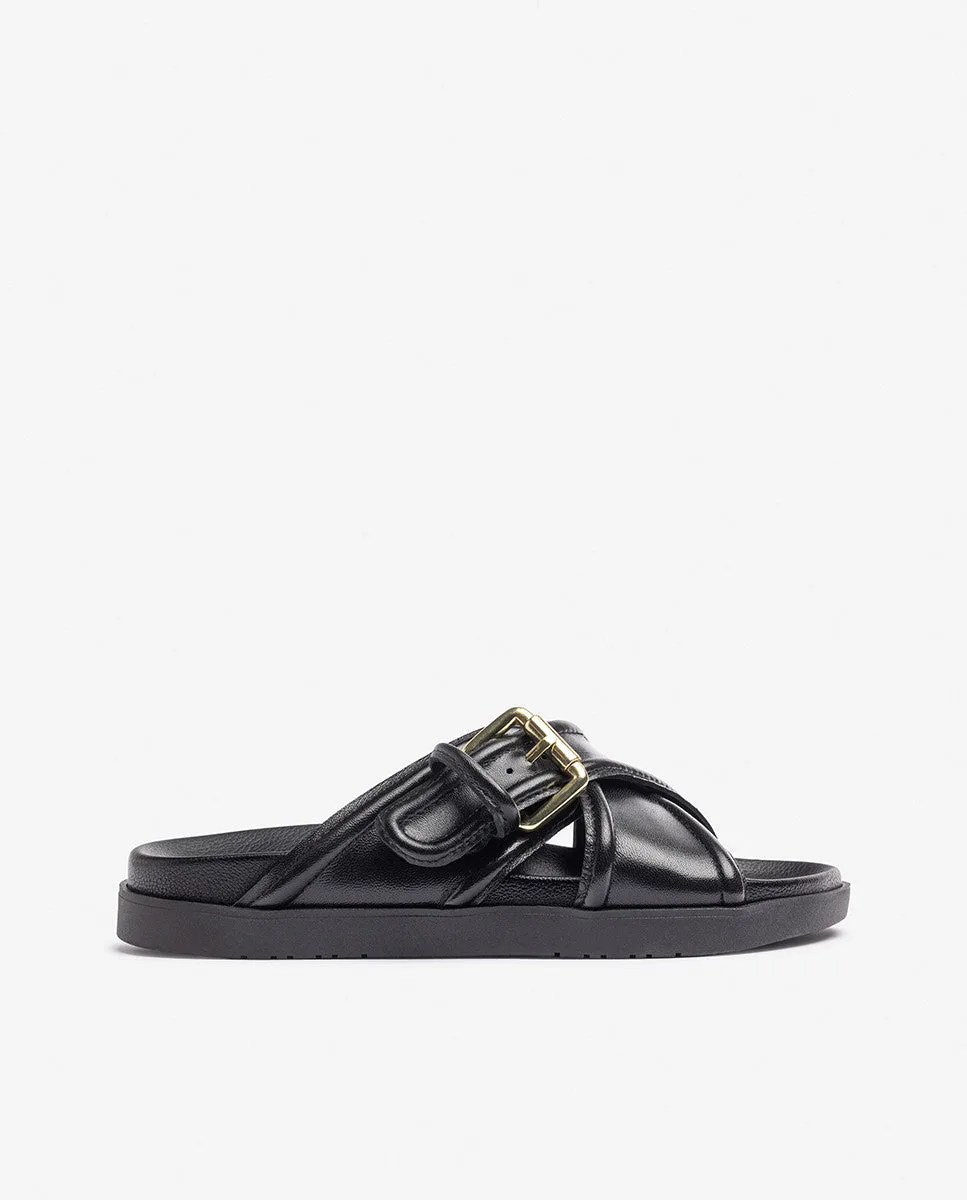
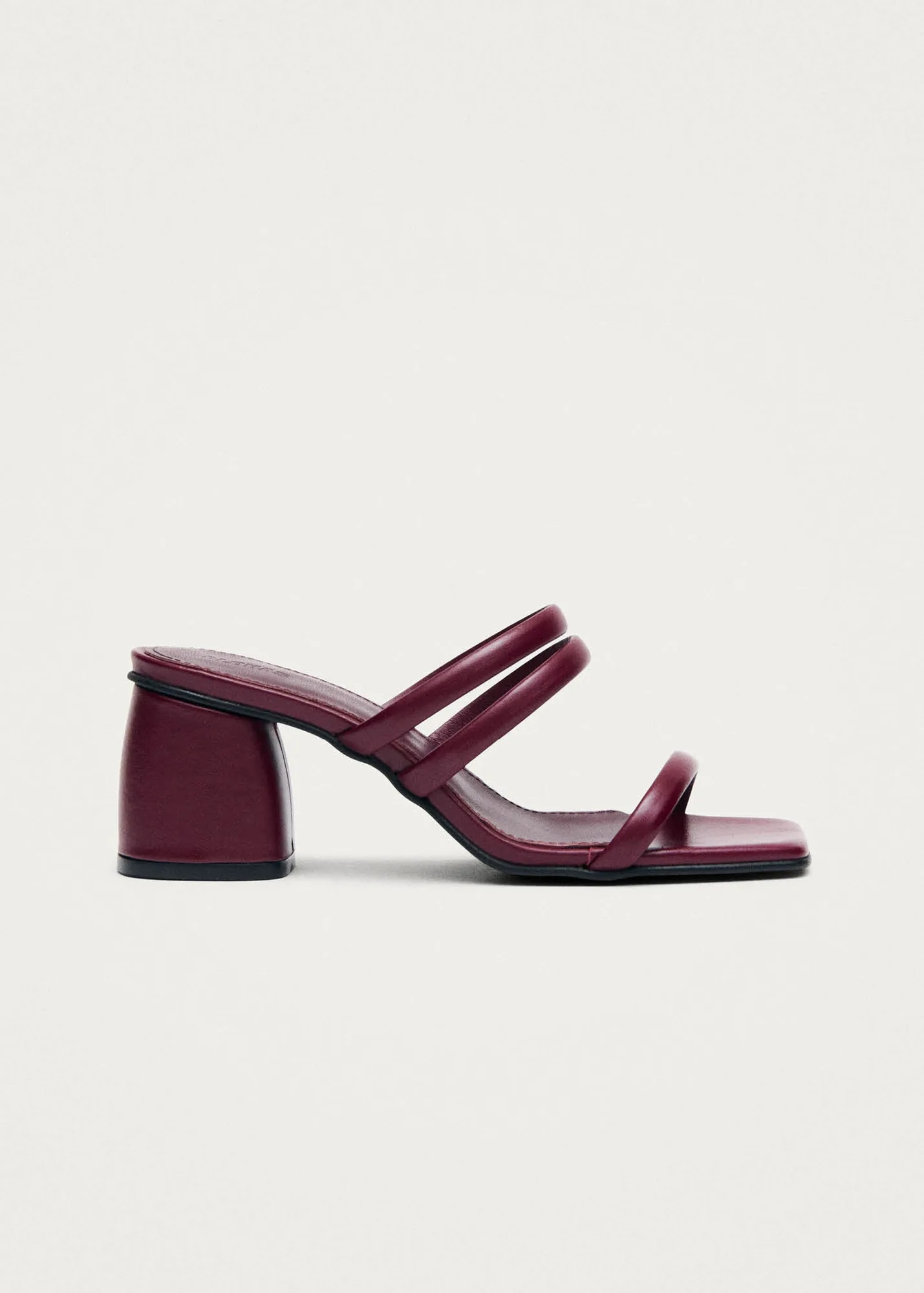
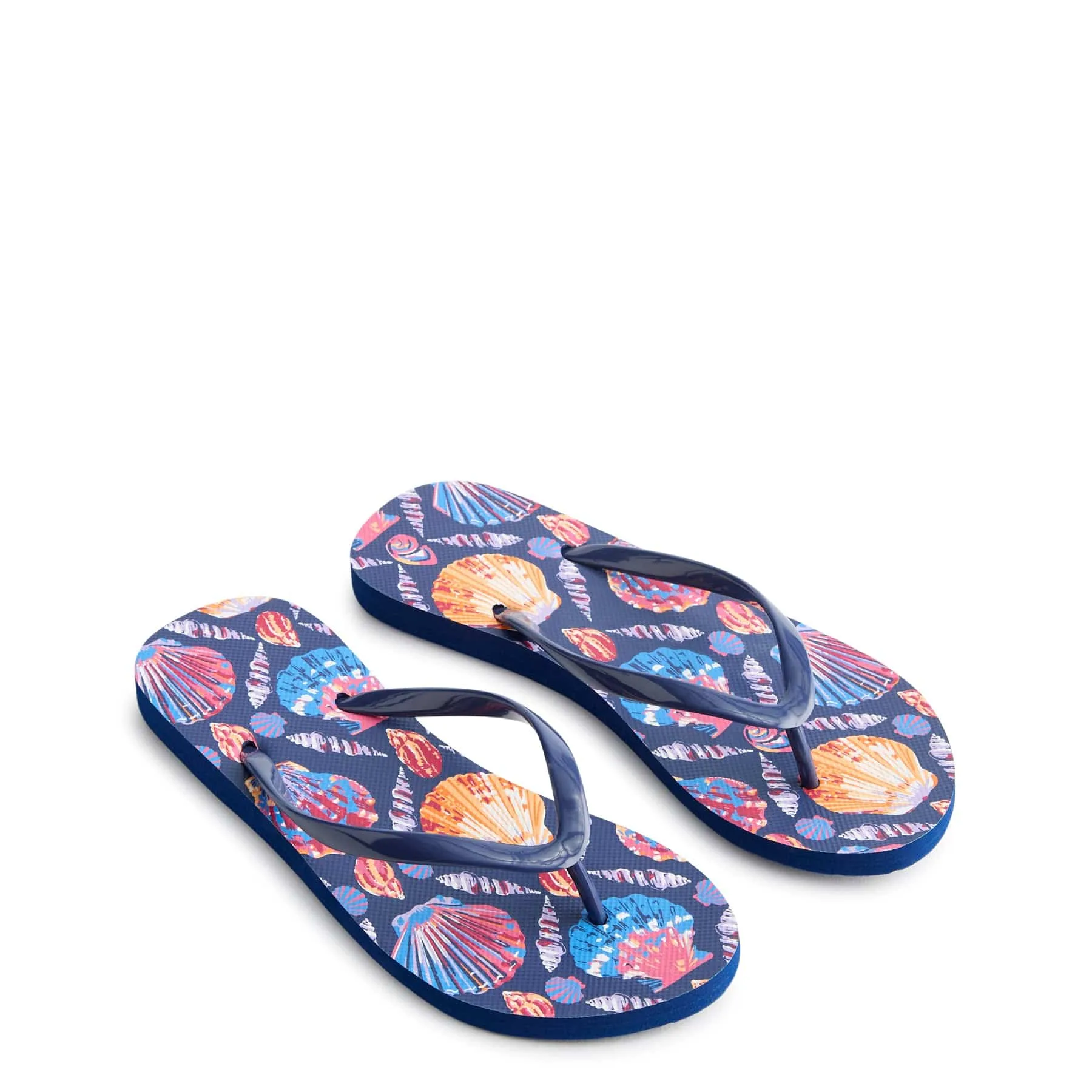
What Makes a Flat Sandal Comfortable?
Comfort in a flat sandal comes from three things: fit, construction, and how the sandal adapts to your foot. A sandal that fits well and lets your foot breathe will feel better over a long day than one that looks great but doesn't adjust. When you're shopping, focus on materials, adjustability, and the shape of the sole.
Flat sandals are a summer staple, but not all are equal for walking. The right pair can carry you from errands to an evening out without rubbing or slipping. This guide walks you through what to look for so you can choose a sandal that works for your foot and your day.
The BOLUS-254: A Case Study in Adjustable Fit
-
Sandalia plana BOLUS-254 negro: The BOLUS-254 flat sandal features a modern design with two straps, the upper one having an asymmetrical buckle that adds originality. It is open at the back for freshness and comfort, and the adjustable buckle ensures a perfect fit. Adjustability is a key comfort feature. An asymmetrical buckle lets you fine-tune the fit across the top of your foot, while the open back keeps your heel free, reducing pressure points.
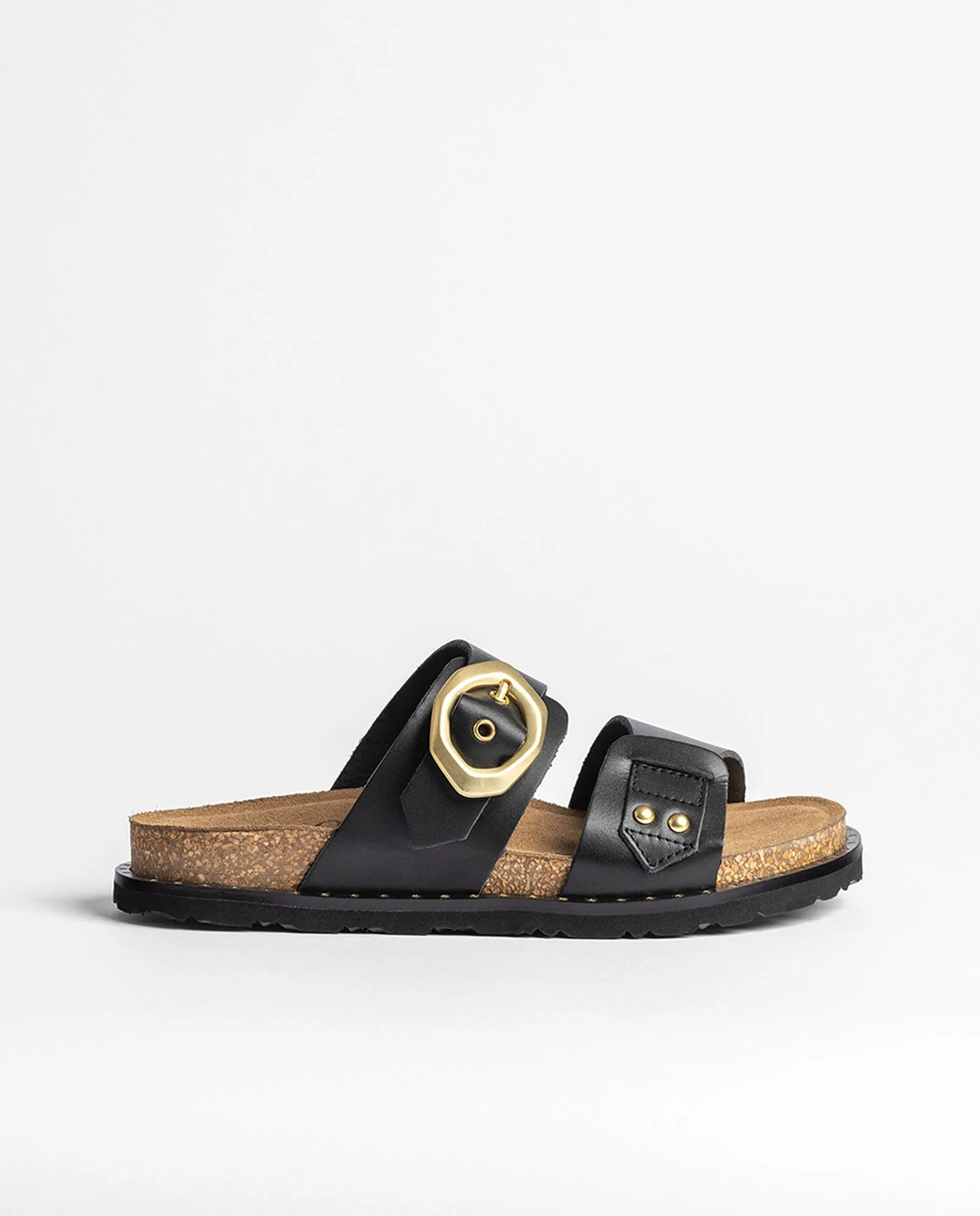
Sandalia plana BOLUS-254 negro
Fit First: Size and Adjustability
A comfortable flat sandal should hold your foot without pinching. Look for an adjustable closure—a buckle, strap, or Velcro—so you can customize the fit. The BOLUS-254 uses an asymmetrical buckle on the upper strap, which lets you tighten or loosen it to match your foot's volume. This is especially useful if your feet swell during the day.
Size is critical. The BOLUS-254 is available in sizes 35 to 39 and 41 (size 40 is not listed). If you're between sizes, consider going up to the nearest available size, especially if you plan to wear the sandal without socks. Always check the brand's size chart before ordering.
Construction Details That Affect Comfort
Beyond fit, the sandal's build determines how it feels underfoot. Here are the details to examine:
- Sole material: Look for a sole that provides some cushioning. Leather or rubber soles tend to be more comfortable than hard plastic for all-day wear.
- Strap placement: Sandals with two or more straps distribute pressure better than single-strap designs. The BOLUS-254 uses two straps, which helps keep your foot in place.
- Open back: An open-back sandal (like the BOLUS-254) offers more freedom and airflow, but it relies on a secure front fit. If you have narrow heels, an adjustable front strap is essential.
What the Catalog Doesn't Tell You
The product record for the BOLUS-254 confirms its design and adjustability, but it doesn't specify the sole material, insole padding, or care instructions. These are common gaps in online listings. Before buying, consider:
If the insole is not described, it's likely a standard flat sole. For extra comfort, you might add a gel pad or choose a sandal with a contoured footbed. Also, because care instructions are absent, treat the sandal as delicate leather—avoid soaking it and store it away from direct heat.
Remember that a sandal that fits well at the store may feel different after an hour of walking. Wear new sandals around the house first to confirm the fit before committing to a full day out.
Quick Checklist Before You Buy
Use this list when evaluating any flat sandal:
- Check the size availability: Make sure your size is listed. If it's not, the sandal may run small or large—check reviews or size guides.
- Look for adjustability: A buckle or strap that lets you tighten the fit is a sign of a more comfortable sandal.
- Assess the sole: If the sole material isn't stated, assume it's basic. Consider adding an insole if you need more cushioning.
- Consider your day: For long walks, choose a sandal with a secure fit and some sole flexibility. For casual wear, a simple flat may be fine.