Quick answer
To choose the correct tap and drill bit size, start by identifying the tap's diameter and thread pitch. Then use a tap drill size chart to select a drill bit that leaves enough material for the tap to cut threads without binding.
Why matching tap and drill size matters
Using the wrong drill bit when tapping a hole can ruin your workpiece. A bit that's too small makes the tap bind or break; one that's too large leaves shallow threads that strip easily. The correct drill bit creates a hole that allows the tap to cut threads cleanly while retaining enough material for strength.
For metric taps, the drill bit diameter is typically the tap's major diameter minus the thread pitch. For example, a M4 x 0.70 tap needs a hole diameter close to 3.30 mm. A tap drill size chart gives you the exact bit for each tap.
Reading a metric tap drill chart
A metric tap drill chart lists tap sizes (e.g., M4 x 0.70) and the recommended drill bit diameter in millimeters or as a numbered drill size. For hobbyists working with miniature taps, the chart is essential because the small sizes are less forgiving. Always use the chart for the specific tap you have—don't assume a nearby size works.
Some charts also list clearance drill sizes for pass-through holes where the screw slides without threading. This is different from the tap drill size and should not be confused.
Common mistakes when tapping holes
One frequent mistake is using a drill bit that is too close to the tap's major diameter, leaving insufficient material for threads. Another is forgetting to chamfer the hole edge before tapping, which can cause the tap to start crooked. Always use cutting oil and turn the tap slowly—backing it out every half turn to clear chips.
For through holes, a tap drill bit sized for the thread depth is fine. For blind holes, you need extra depth to accommodate the tap's tapered end.
Step-by-step: matching your tap and drill bit
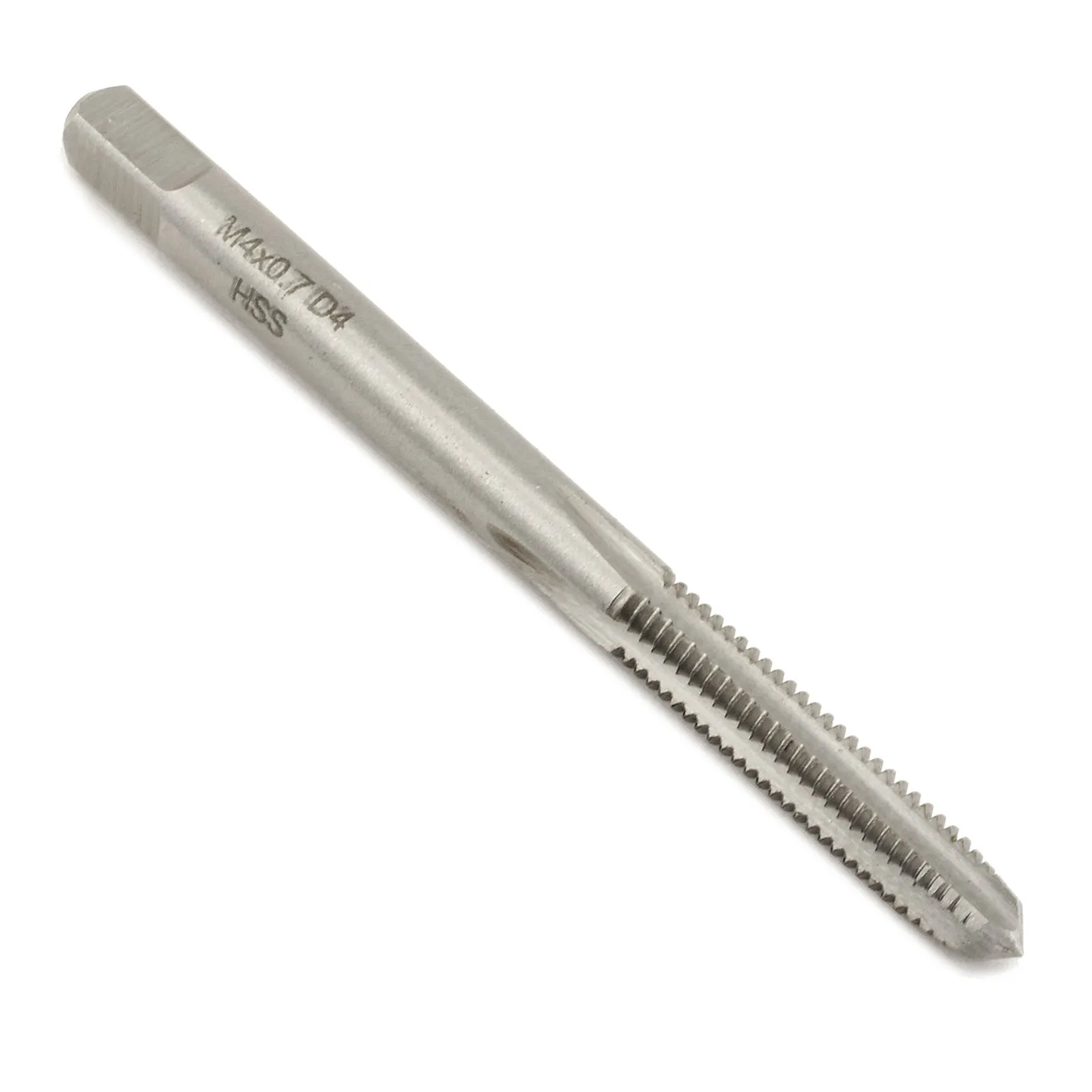
- Identify the tap's specifications: Read the markings on the tap. For metric taps, you'll see something like 'M4 x 0.70'—the first number is the major diameter in mm, the second is the thread pitch in mm. Common mistake: confusing the tap's major diameter with the drill bit size. The drill bit is always smaller.
- Find the recommended drill bit on a tap drill chart: Use a reliable metric tap drill chart. Look up the tap size and note the recommended drill bit diameter. For M4 x 0.70, the chart shows 3.30 mm or a #30 drill. Checkpoint: if your chart lists multiple options, choose the one that matches your material—harder materials may need a slightly larger hole.
- Drill the hole to the correct depth: For a through hole, drill all the way through. For a blind hole, drill deeper than the thread length to accommodate the tap's tapered end. Mark the drill bit with tape as a depth guide. Common mistake: not drilling deep enough for blind holes. The tap's tapered end needs extra room, or the threads won't reach the bottom.
- Chamfer the hole edge and start tapping: Use a countersink bit or a larger drill bit to create a slight chamfer at the hole entrance. Apply cutting oil, insert the tap squarely, and turn it slowly. Back it out every half turn to break chips. Checkpoint: if you feel resistance early, stop and check alignment. Forcing a tap can break it inside the hole.
Products that help you get it right
- Metric High Speed Steel Tap 4.0 x .70: Cut screw threads into walls of a previously smooth cylindrical bore. 4.0 x 0.70 tap. Carbon steel. Brushed finish. Micro-Mark offers a selection of hard-to-find miniature taps, dies and bits for model building, clock-making, instrument repair, and more. This M4 x 0.70 tap is a common size for small metal projects. Pair it with a 3.30 mm drill bit (or a #30 drill) for clean threads in brass, aluminum, or mild steel.
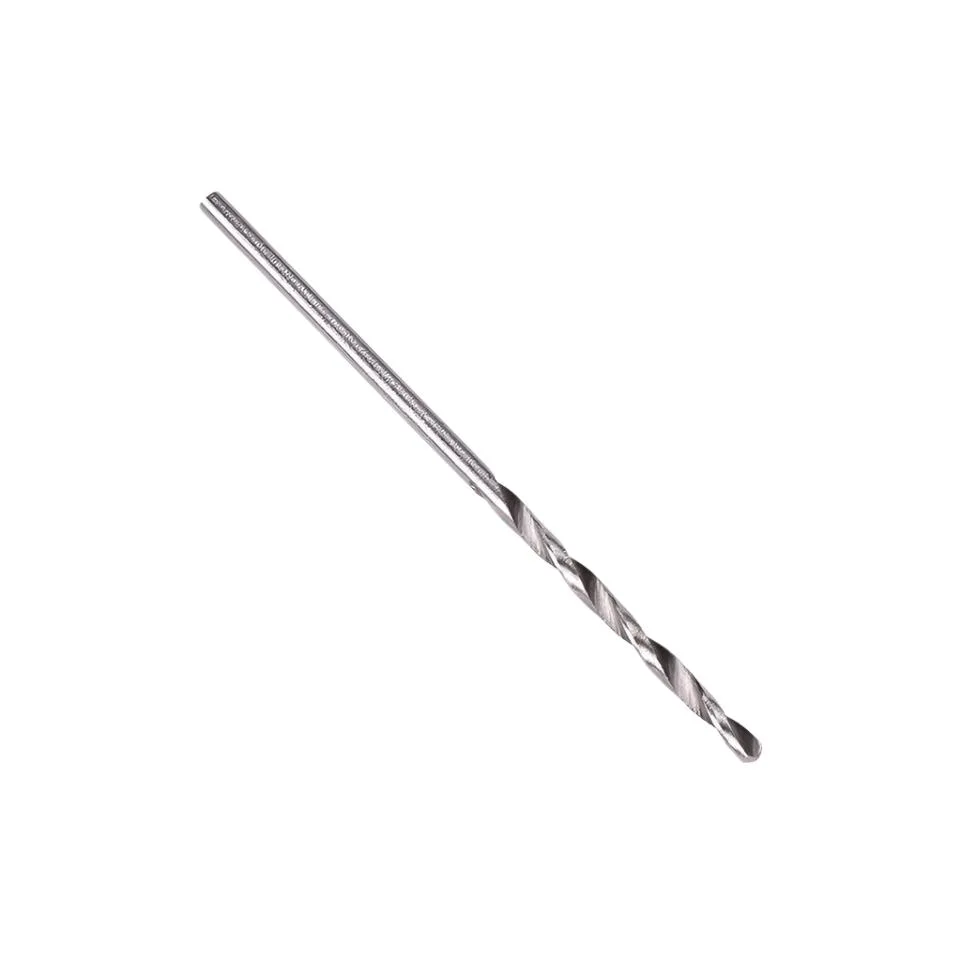
- Tap Drill #52/M2.0 x. 040: For boring pass-through holes. #52/M2.0 x 0.40. Carbon steel. Brushed finish. Micro-Mark offers a selection of hard-to-find miniature taps, dies and bits. This tap drill bit is sized specifically for a M2.0 x 0.40 tap. Using the correct clearance drill prevents binding and ensures the tap cuts smoothly.