Quick Answer
To choose the right essential oil for your diffuser, start by identifying your goal—relaxation, focus, or respiratory support—then pick a single oil or blend that matches. Consider the oil's aroma profile and intensity, and always use a high-quality, pure oil for the best results.
Choosing an essential oil for your diffuser can feel overwhelming with so many options. But the right oil can transform your space and support your well-being. This guide will help you make a confident choice.
We'll cover how to match oils to your needs, popular single oils and blends, and practical tips for getting the most from your diffuser. You'll also learn about a few specific oils we carry and how they can fit into your routine.
Start with Your Intention
Before you pick an oil, ask yourself what you want the diffuser to do. Are you looking to unwind after a long day, improve focus while working, or freshen the air during cold season? Your intention will narrow down the choices.
For relaxation, look for oils like lavender, vetiver, or chamomile. For focus, consider citrus oils like lemon or grapefruit, or peppermint. For respiratory support, eucalyptus or tea tree are popular. Knowing your goal makes the selection process easier.
- Relaxation: lavender, vetiver, chamomile
- Focus: grapefruit, lemon, peppermint
- Respiratory support: eucalyptus, tea tree
Understand Aroma Profiles
Each essential oil has a unique aroma profile that affects how it smells and how it blends with others. Some oils are top notes—they smell bright and evaporate quickly. Others are base notes—they are heavier and linger longer, helping to fix a blend.
Vetiver is a good example of a base note. It has a subtle, sweet, smoky, resin-like smell that is grounding and balancing. It blends beautifully with many oils and helps fix other scents as it lingers in the background. If you want a blend that lasts, include a base note like vetiver.
Consider the Season and Your Environment
Your diffuser can be a seasonal tool. During cold and flu season, you might want oils with antimicrobial properties, like tea tree. Tea tree oil has gained recognition as a strong anti-fungal, anti-viral, and anti-bacterial oil used in aromatherapy. Diffusing it during the cold season may help keep germs from spreading.
In warmer months, you might prefer fresh, uplifting citrus oils. Think about the size of your room and the intensity of the oil. Some oils are stronger than others, so you may need fewer drops. Always follow your diffuser's instructions for water and oil amounts.
Single Oils vs. Blends
You can use a single oil or create your own blend. Single oils are simple and predictable, ideal if you're new to aromatherapy. Blends allow you to customize the aroma and effects, but they require a bit more thought.
When blending, start with a base note, add a middle note, and finish with a top note. For example, you could combine vetiver (base) with lavender (middle) and grapefruit (top) for a grounding yet uplifting blend. Vetiver blends beautifully with many oils, making it a versatile addition to your collection.
- Start with 3-5 drops total for a standard diffuser.
- Use a base note to anchor your blend.
- Experiment with small batches to find your favorite.
Decision Rules for Choosing Your Diffuser Oil
- Identify your goal: Decide whether you want relaxation, focus, or respiratory support. This will narrow your oil choices immediately. If you want to relax, choose a calming oil like vetiver or lavender.
- Check the oil's properties: Look for oils with the specific benefits you need. For example, tea tree is known for its antimicrobial properties, making it a good choice for cold season. For air purification, tea tree is a strong option.
- Consider the aroma strength: Some oils are stronger than others. Start with fewer drops and adjust to your preference. Base notes like vetiver are subtle but long-lasting. If you prefer a subtle scent, choose a base note oil.
Essential Oils to Consider
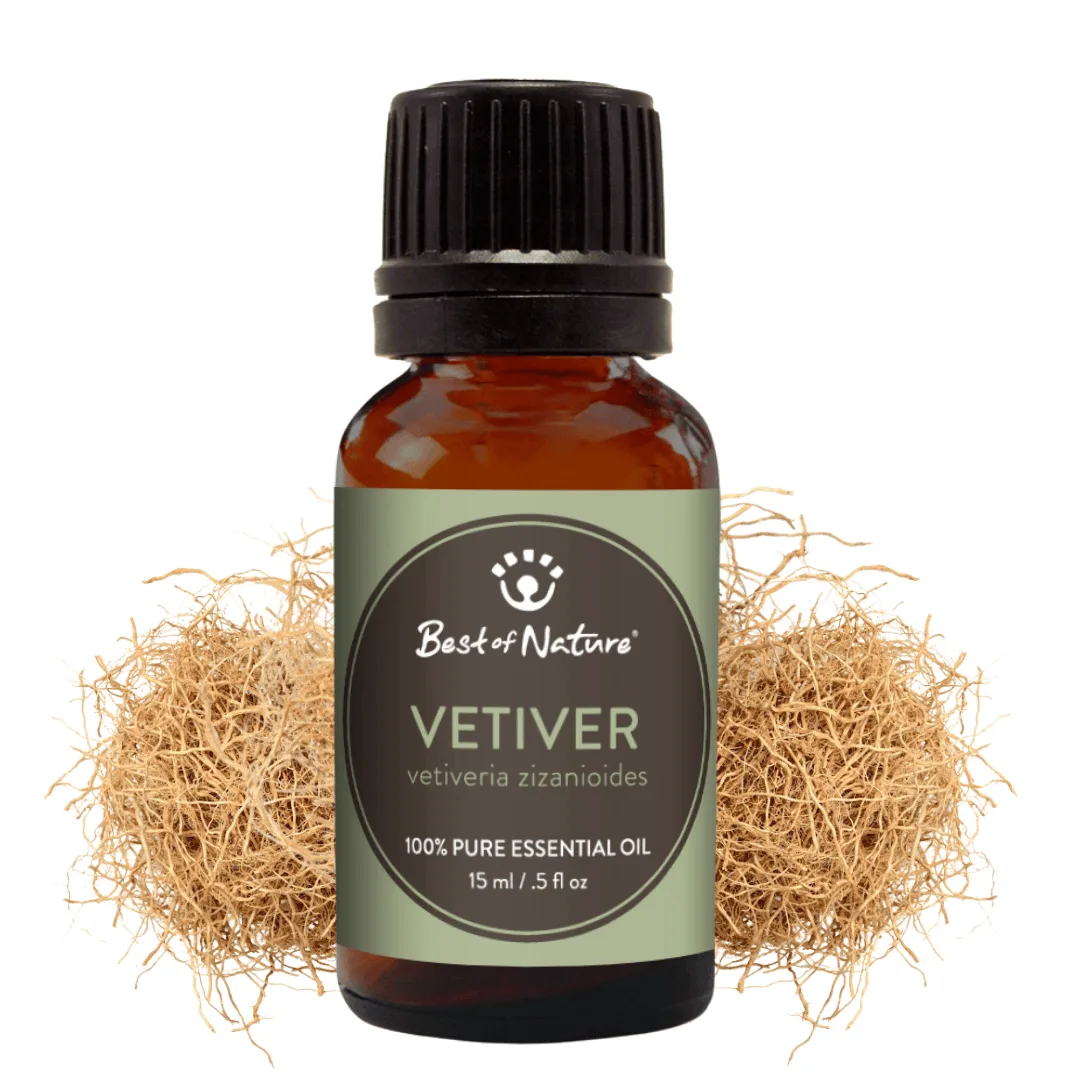
- Best of Nature Vetiver Essential Oil: Vetiver is an amber colored, thick essential oil that has a subtle but sweet, smoky, resin-like smell. It is very grounding, balancing and relaxing, and a 'must have' for relaxing blends. It helps fix other scents as it lingers in the background. Vetiver blends beautifully with many oils. If you want a calming, long-lasting aroma, vetiver is a great choice. Its grounding properties make it ideal for evening diffusion or meditation. It also helps stabilize blends, so your diffuser scent lasts longer.
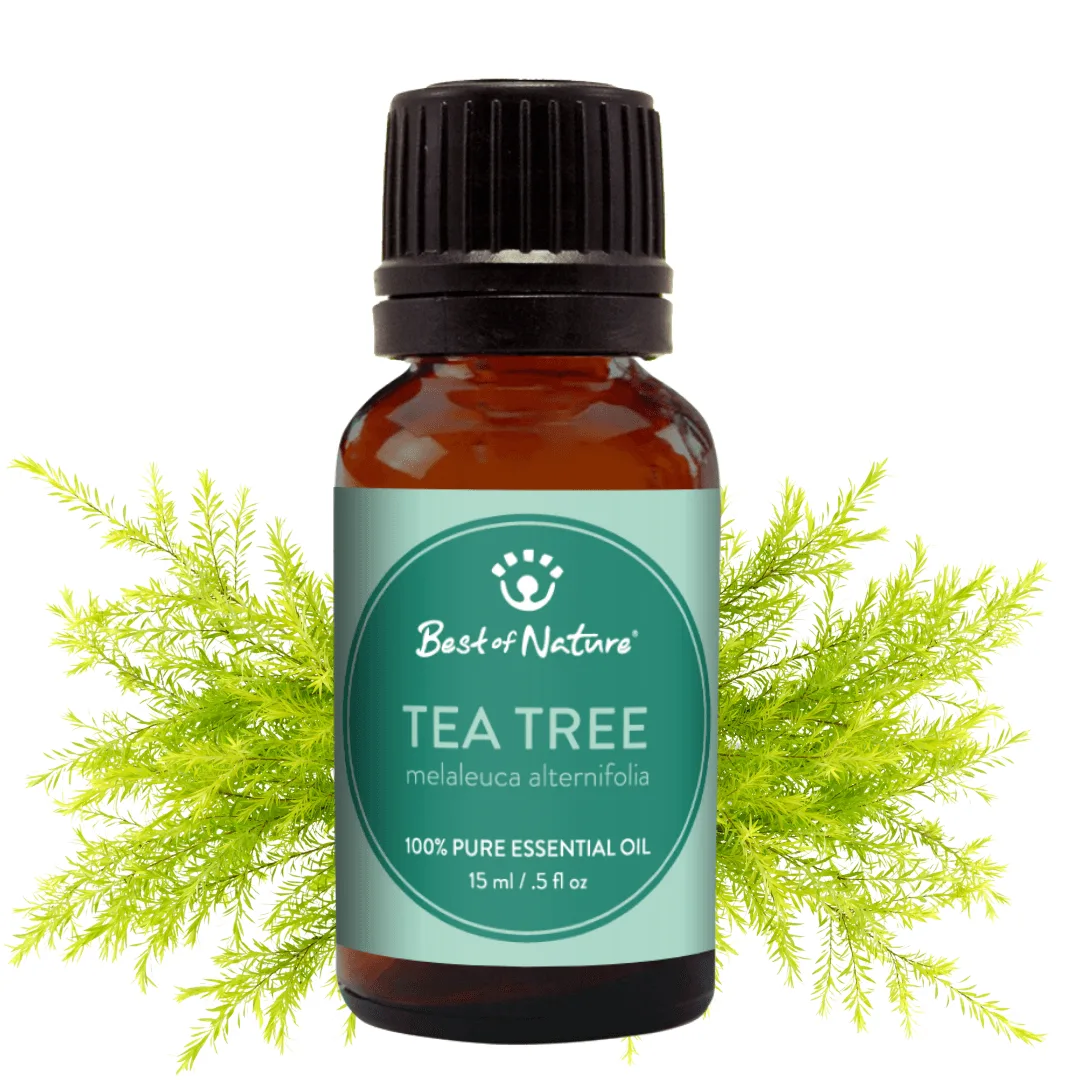
- Best of Nature Tea Tree Essential Oil: Tea tree oil has gained immense recognition as the strongest anti-fungal, anti-viral and anti-bacterial oil used in aromatherapy. It can be diffused or used neat, though recent studies have suggested that tea tree oil works best when well diluted. Diffuse it during the cold season to keep germs from spreading. If you're looking for an oil to support respiratory health and freshness, tea tree is a practical pick. Diffusing it during cold season may help purify the air. It's also a versatile addition to your home care routine.
Which Oil Fits You?
Best for
- Vetiver: If you want a grounding, relaxing aroma for evening or meditation.
- Tea tree: If you need a purifying oil for cold season or want to support respiratory health.
Not for
- If you prefer bright, citrus scents, vetiver may be too earthy for you.
- If you are sensitive to strong odors, tea tree may be too intense; consider a milder oil.
Choosing the right essential oil for your diffuser comes down to your intention, the oil's properties, and your personal scent preferences. Start with a single oil or a simple blend, and adjust as you learn what works for you. With the right oil, your diffuser can become a powerful tool for relaxation, focus, and well-being.