Quick answer
For blue eyes, choose warm copper, bronze, or peach shades to create contrast; for green eyes, choose cool mauve, plum, or charcoal shades to intensify the green. If you want one everyday palette that works for both and is beginner-friendly, start with a compact nude matte palette like the Charlotte Tilbury Super Nudes Easy Eye Palette.
Why contrast matters more than color matching
The most reliable rule for blue and green eyes is contrast, not matching. Blue eyes pop against warm tones because orange sits opposite blue on the color wheel; green eyes intensify against cool reds and purples. This is why a warm bronze can make blue eyes look brighter while a cool plum can make green eyes look deeper.
That said, contrast is a starting point, not a strict law. Your skin undertone and personal style still decide which shades you will actually reach for. If you prefer neutral makeup, a nude palette with both warm and cool matte options gives you room to experiment without buying multiple palettes.
The trade-off between a focused palette and a versatile nude one
A palette built around one contrast family (all warm coppers, for example) delivers the strongest eye-color effect but can feel repetitive for daily wear. A nude palette with six shades and two matte looks is more versatile and beginner-friendly, but it will not give you the same dramatic color contrast as a dedicated warm or cool palette.
If you are new to eyeshadow, the versatile nude route is usually the smarter first purchase: you learn placement and blending without fighting bright colors. Once you know which undertones you like, add a small accent palette for contrast.
Cool undertones and the shades that flatter them
If your skin has cool undertones (pink, red, or bluish), cool eyeshadow shades for cool undertones tend to look more harmonious: taupes, mauves, soft charcoals, and cool browns. These also happen to intensify green eyes, so cool-toned green-eyed shoppers get a double benefit.
Blue eyes can wear cool shades too, but the effect is more tonal and less contrasting. If you want blue eyes to stand out, keep at least one warm shade in the mix rather than going entirely cool.
Decision rules for blue and green eyes
- Blue eyes, warm contrast: Choose a palette with copper, bronze, peach, or warm brown shades. Apply the warmest shade on the lid and blend a medium brown into the crease. If you only buy one accent shade, make it a warm copper.
- Green eyes, cool contrast: Choose a palette with mauve, plum, cool taupe, or charcoal shades. Place the coolest shade near the lash line to deepen the green. Avoid warm orange-browns if you want the green to stay vivid.
- Beginner or everyday user: Pick a compact nude palette with at least two matte looks and no more than six shades. Master those before adding color-specific palettes. A mini palette you actually use beats a large one you avoid.
- Cool skin undertone: Favor cool browns, taupes, and soft grays over golden or orange-based neutrals. Test a shade on your inner wrist under natural light. If gold makes your skin look sallow, stay cool.
Product facts
-
SUPER NUDES EASY EYE PALETTE - EYESHADOW PALETTE: Mini 6-shade nude eyeshadow palette with two modern matte eye looks. The compact size and pre-built matte combinations make it a low-risk everyday palette for beginners who want a polished look without planning shades.
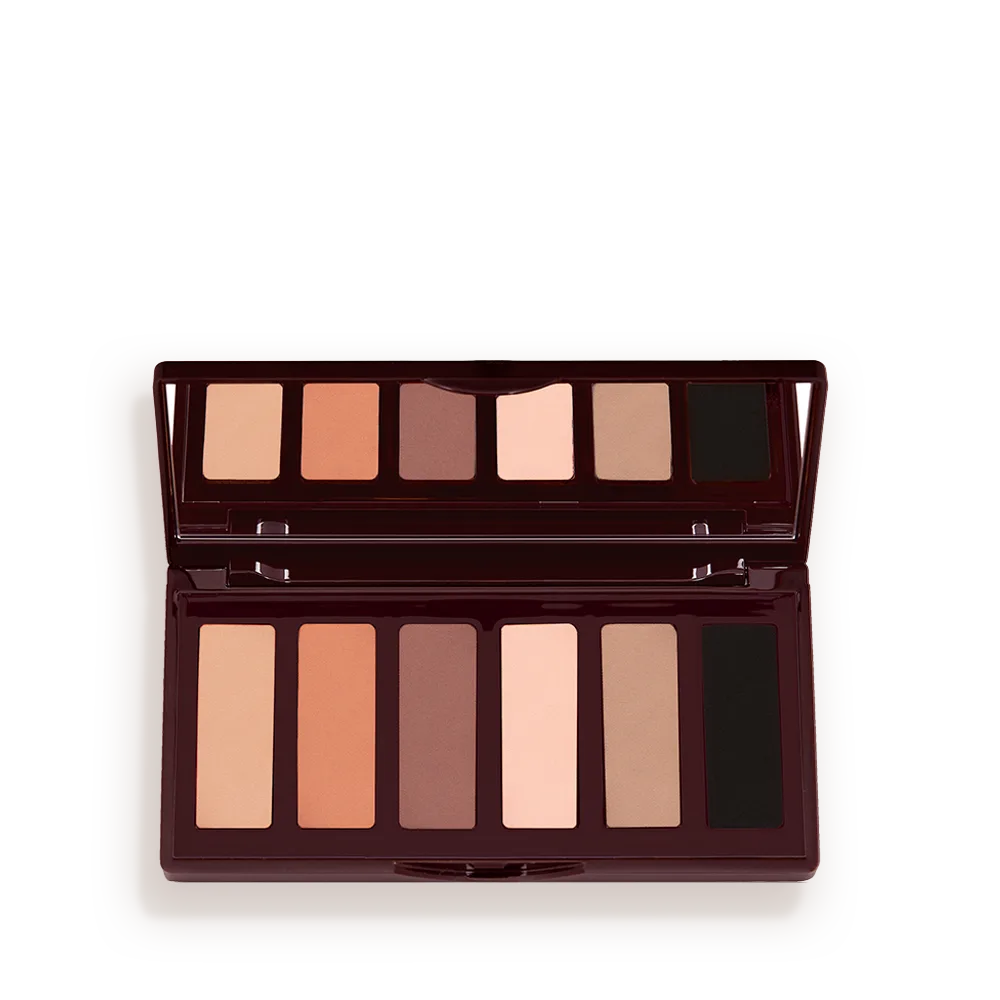
SUPER NUDES EASY EYE PALETTE - EYESHADOW PALETTE
Who should choose which
Best for
- Blue-eyed shoppers who want a warm-contrast palette for daily brightness
- Green-eyed shoppers who prefer cool mauve and plum shades
- Beginners who want a small nude palette with two matte looks
Not for
- Shoppers who want a single palette with bold, high-pigment color stories
- Anyone who already owns a neutral nude palette and needs a dedicated accent palette instead