Quick answer
Buy a first high chair that supports your baby's posture from day one, cleans up in minutes, and can grow with your child. Prioritize an adjustable footrest and seat, a wipeable surface, and a design that converts to a booster or play chair so you are not replacing it within a year.
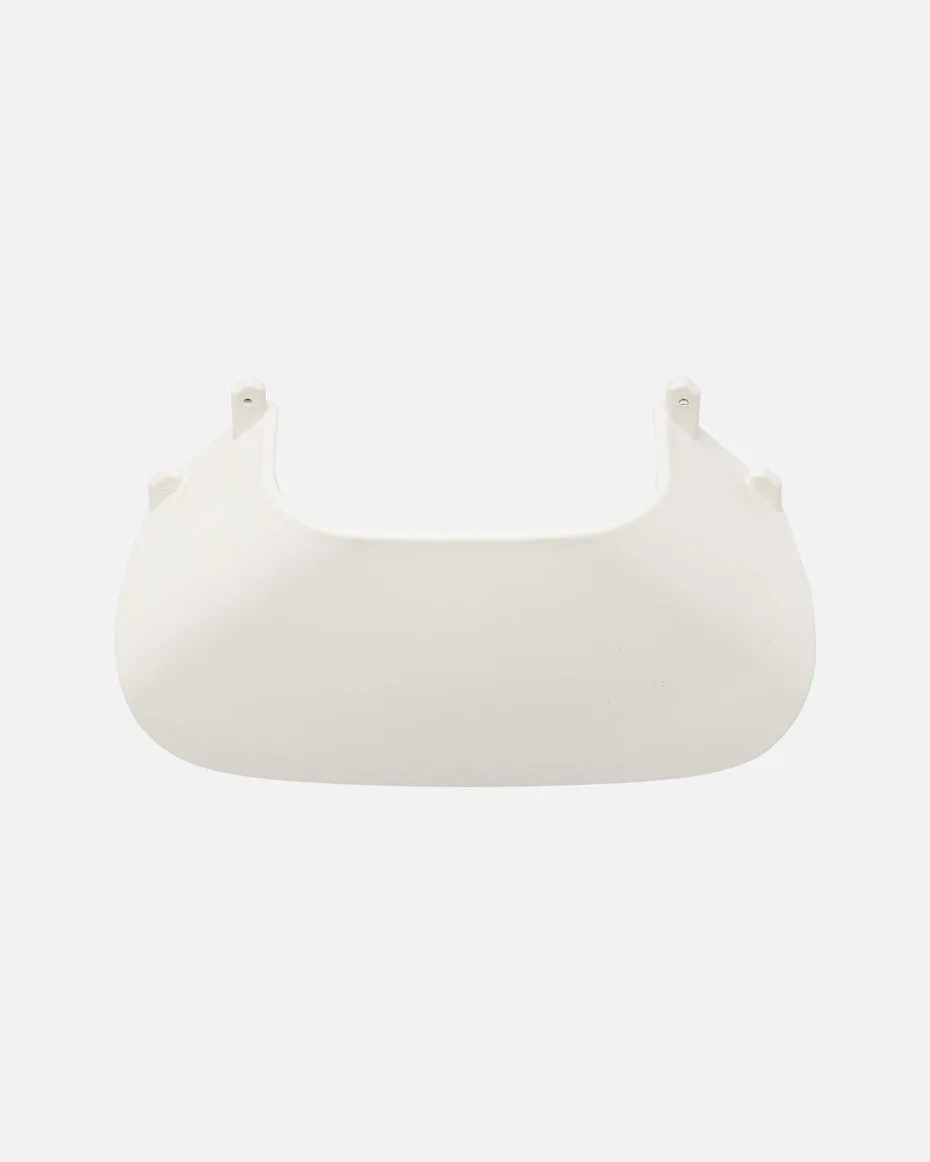
footrest
Start with posture, not padding
For a baby starting solids, the chair should hold them upright with feet supported, not dangling. Look for a seat with a firm back, a crotch post or harness that keeps them from sliding forward, and a footrest you can raise as they grow. Deep padding can look comfortable but often hides crumbs and lets a small baby slump; a simpler, wipeable seat with an adjustable footrest usually works better for the first year.
Cleaning is a daily feature, not a detail
You will wipe this chair down at least twice a day, so check the seams. Removable trays with a smooth underside, seats without deep crevices, and straps you can wipe or remove save real time. If a chair has fabric covers, confirm they are machine washable before you buy. A high chair easy to clean is one where a dropped spoon does not require disassembly.
Decide how long the chair should last
Some families want a dedicated high chair for two years; others want one piece that becomes a booster and then a play chair. A convertible design can reduce clutter and cost, but check the conversion steps and the weight limits for each stage. If you plan to travel or eat at grandparents' houses, a lightweight booster may matter more than a full-size frame.
Measure your space and your table
Before ordering, measure the footprint of your dining area and the height of your table. A full-size high chair needs clearance to pull the tray on and off, and a chair that pushes under the table lets your child eat with you. If your kitchen is tight, consider a chair that converts to a booster so you can move it between rooms.
Decision rules for your first high chair
- If your baby slumps or slides forward: Choose a chair with an adjustable footrest and a firm seat back rather than deep padding. Raise the footrest until knees bend comfortably. Posture first; padding is secondary.
- If you dread cleanup: Pick a chair with a removable, smooth tray and wipeable straps. Avoid fabric covers unless they are machine washable. A high chair easy to clean saves daily effort.
- If you want one chair for years: Look for a convertible model that becomes a booster and play chair, and confirm the weight limits for each stage before buying. Convertibility can replace a second purchase.
- If your dining space is small: Measure the chair footprint and table height. A booster-style chair that fits under the table may work better than a full-size frame. Fit beats features you cannot use.
Product facts to compare
- The Chair: The Chair has a unique 3-in-1 design that goes from high chair to booster seat to play chair, with custom bundles for your family's needs. One purchase can cover mealtime and play as your child grows, which reduces the need for a second chair later.
- The Bib: The Bib is made of super soft FDA-grade non-toxic silicone with an adjustable neckband and a catcher that keeps missed bites off the floor. A catcher bib cuts down on floor cleanup during the messy starting-solids phase, when a high chair gets used most.
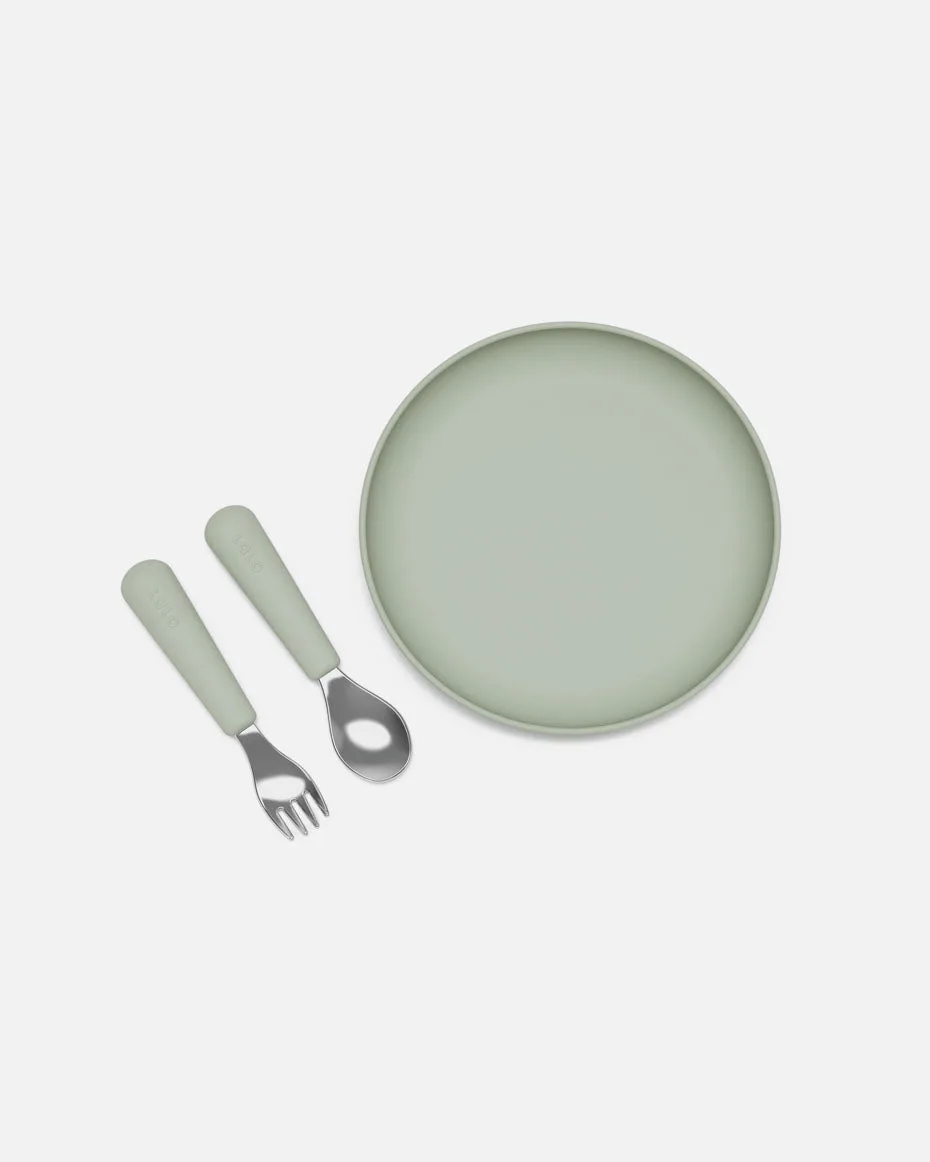
- Stainless Nesting Snack Bowls: Stainless Nesting Snack Bowls come in three sizes, are 100% plastic-free, spill-proof, and dishwasher safe. Dishwasher-safe bowls simplify the daily wash cycle that comes with a high chair routine.
Who this approach fits
Best for
- Parents starting solids who want a chair that supports posture from the first meal
- Families who want one chair that converts to a booster and play chair
- Households where quick daily cleanup matters
Not for
- Families who need a chair that folds flat for frequent travel
- Parents who want a full-size high chair with extensive fabric padding
- Caregivers who only need a portable booster for occasional use