Gemstone anklets are more than just beautiful accessories; they carry meaning, energy, and personal style. Whether you're drawn to the calming vibes of blue lace agate or the grounding energy of black obsidian, choosing the right anklet involves more than picking a pretty stone. You need to consider sizing, style, and material to ensure it fits comfortably and complements your lifestyle.
This guide will walk you through everything you need to know about selecting a gemstone anklet. From measuring your ankle to understanding different materials and stone properties, you'll be equipped to make an informed choice that you'll love wearing every day.
How to Measure Your Ankle for the Perfect Fit
Getting the right size is crucial for any anklet. An anklet that's too tight can be uncomfortable, while one that's too loose may slip off or get caught on things. To measure your ankle, use a flexible tape measure or a piece of string. Wrap it around your ankle just above the ankle bone, where you plan to wear the anklet. Ensure it's snug but not tight, then note the measurement.
Most gemstone anklets come in standard sizes, typically 9 to 10 inches (23-25 cm). If your ankle measurement falls between sizes, it's usually better to go slightly larger, as you can always add a charm or adjust the fit with a small extender. For a custom fit, look for anklets with adjustable chains or beaded options that can be resized.
- Use a flexible tape measure for accuracy.
- Measure at the widest point of your ankle.
- Consider the style: a looser fit for casual wear, a snugger fit for active days.
Choosing the Right Gemstone for Your Intention
Each gemstone carries its own unique energy and benefits. When choosing an anklet, think about what you want to attract or support in your life. For example, if you're seeking abundance and positivity, a Citrine Power Mini Bracelet could be a great choice, but for an anklet, you might look for citrine beads. Alternatively, if you want to feel grounded and protected, black obsidian is a powerful stone that can shield you from negativity.
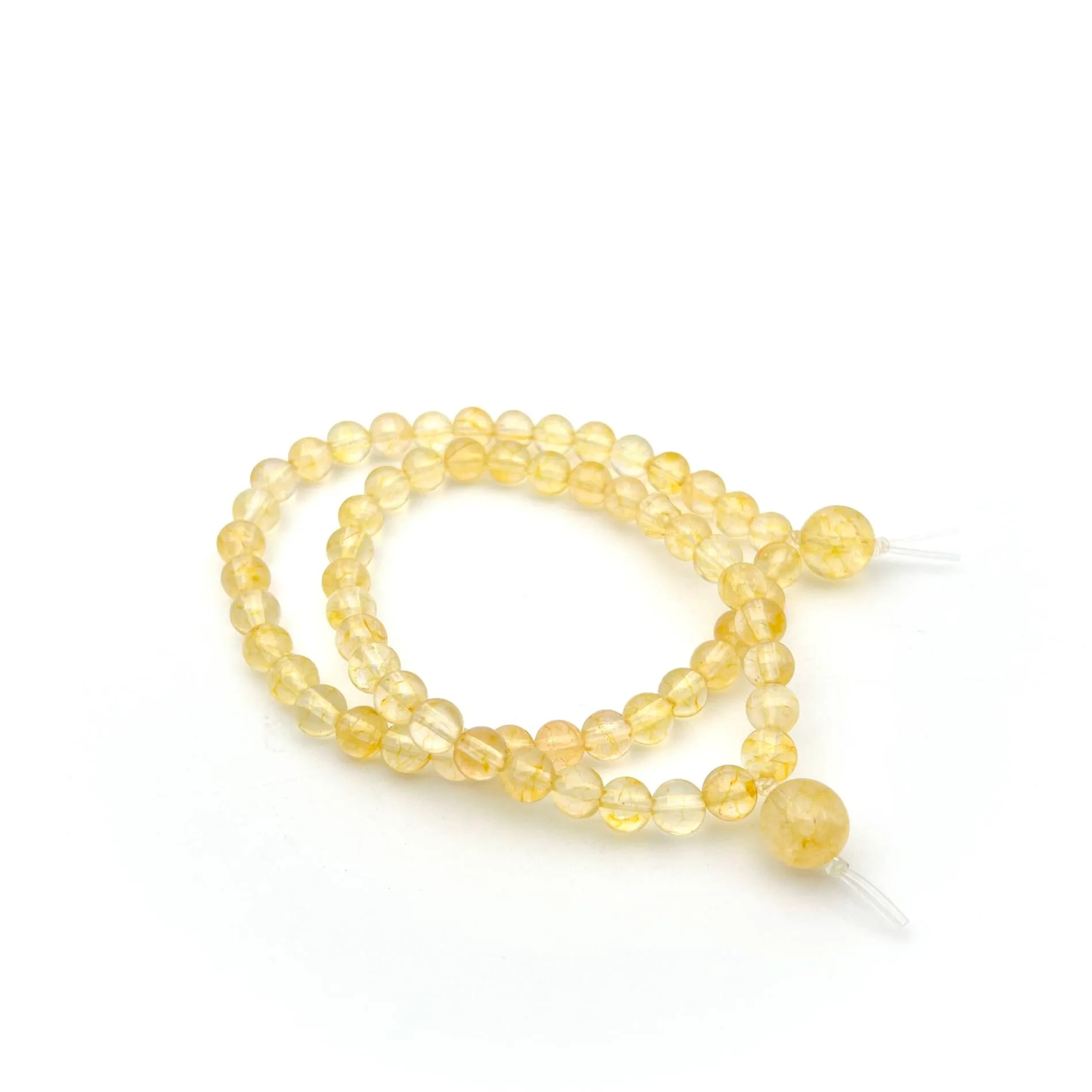
Citrine Power Mini Bracelet
Blue lace agate is known for its calming and soothing properties, making it perfect for reducing stress and encouraging clear communication. On the other hand, aventurine is often called the stone of opportunity, believed to bring luck and prosperity. Consider your personal intentions and choose a stone that resonates with you.
- For calm and communication: blue lace agate.
- For grounding and protection: black obsidian.
- For luck and opportunity: aventurine.
Exploring Anklet Styles: From Simple to Statement
Anklets come in a variety of styles, from delicate chains to bold beaded designs. The style you choose should reflect your personal taste and how you plan to wear it. A simple chain anklet with a single gemstone pendant, like an Amazonite Pendant, offers a subtle touch of color and elegance. Beaded anklets, such as those made with tumbled stones, are more casual and can add a bohemian vibe to your outfit.
For a more intricate look, consider anklets with multiple strands or mixed materials. Some anklets feature charms or spacers in gold or silver, adding a touch of glamour. Think about your wardrobe and lifestyle: if you're active, a sturdy beaded anklet might be more practical; if you're dressing up, a delicate chain with a gemstone could be the perfect accent.
- Chain anklets with a single gemstone are elegant and versatile.
- Beaded anklets are casual and comfortable for everyday wear.
- Mixed-material anklets offer a unique, personalized look.
Material Matters: Metal, Cord, and Stone Quality
The material of your anklet affects both its durability and its aesthetic. Common metals include sterling silver, gold-filled, and stainless steel, each offering different levels of tarnish resistance and hypoallergenic properties. If you have sensitive skin, opt for sterling silver or gold-filled options. For a more natural look, anklets made with cotton or leather cords are lightweight and comfortable.
The quality of the gemstones is equally important. Look for stones that are well-cut, polished, and free from major flaws. Tumbled stones, like Leopardskin Jasper, have a smooth, rounded finish that feels great against the skin. For a more polished look, choose faceted or cabochon stones. Remember to check the hardness of the stone; softer stones like abalone shell require more care to avoid scratches.
- Choose hypoallergenic metals like sterling silver for sensitive skin.
- Consider the stone's hardness: harder stones are more durable for daily wear.
- Check for smooth, polished finishes to ensure comfort.
Caring for Your Gemstone Anklet
Proper care will keep your anklet looking beautiful and maintain the energy of the stones. To cleanse your gemstone anklet, you can use methods like smudging with sage, placing it under moonlight, or using a soft cloth with mild soap and water. Avoid harsh chemicals and ultrasonic cleaners, which can damage certain stones.
When not wearing your anklet, store it in a soft pouch or jewelry box to prevent scratches and tangles. Keep it away from direct sunlight and extreme temperatures, as some stones can fade or crack. With regular care, your gemstone anklet can be a lasting companion on your journey.
- Cleanse your anklet monthly to maintain its energetic properties.
- Store it separately from other jewelry to avoid scratches.
- Avoid wearing your anklet while swimming or showering to prevent damage.
Choosing the perfect gemstone anklet is a personal journey that combines style, intention, and practicality. By considering sizing, stone properties, and materials, you can find an anklet that not only looks beautiful but also supports your well-being. Explore our collection of gemstone anklets, including the Gemstone Therapy | Pietersite Anklet Medium, and find the one that speaks to you.
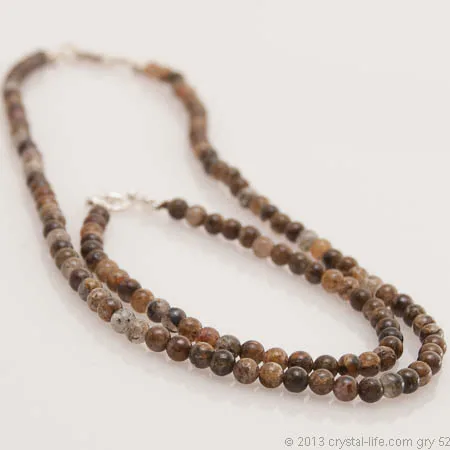
Gemstone Therapy | Pietersite Anklet Medium