Quick answer
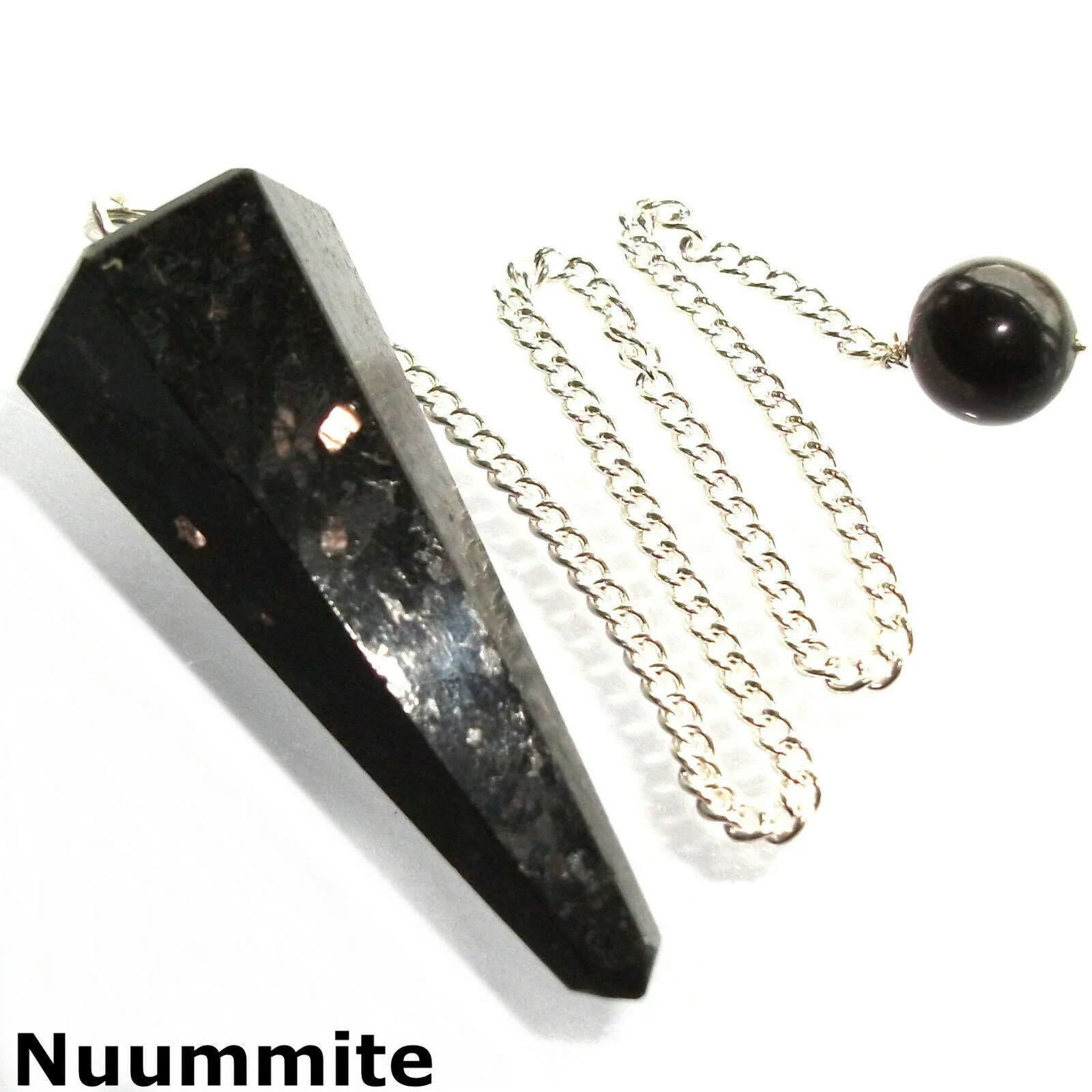
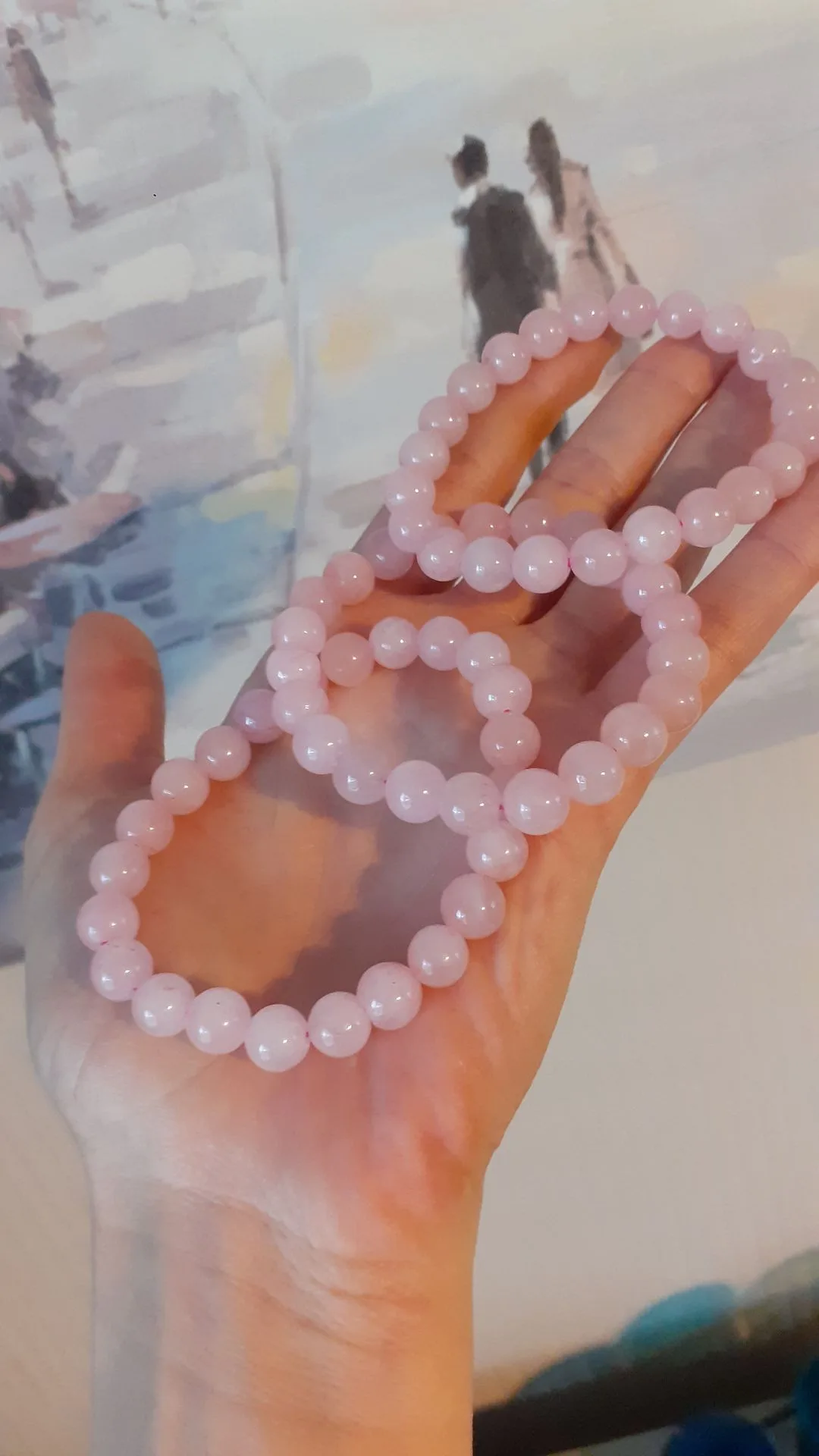
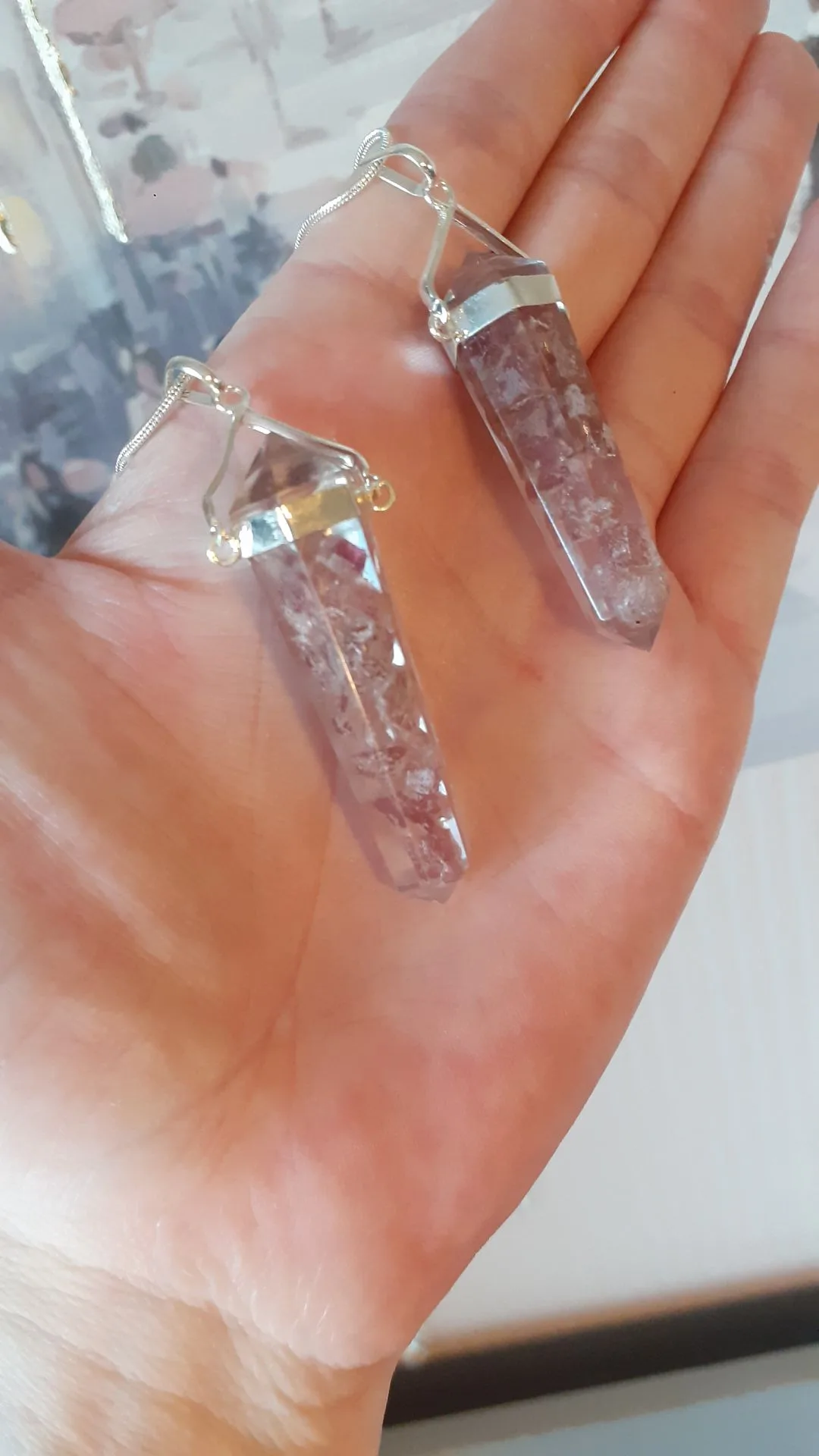
Choose a key ring by how the stone is mounted and how hard the stone is, not by how it looks in a photo. For everyday keys, a faceted stone on a metal chain or a small polished bead is safer than a soft, thin slice. If you want a durable option that also works as a crystal gift under 20, the Nuummite Faceted Gemstone Dowsing Pendulum hangs securely from a chain and arrives in a velvet gift bag, while a Rose Quartz Bead Bracelet is a better choice for a wrist-worn piece than a dangling key charm.
The three parts that decide whether a key ring lasts
A gemstone key ring fails in one of three places: the stone, the hole drilled through it, or the metal loop and chain. The stone matters most for crystal keychain durability. Hard, well-polished stones resist the scratches that come from coins and keys in the same pocket. Soft or layered stones can chip at the edge of a drilled hole, and a thin slice will flex and crack where a solid bead or faceted piece would not.
The attachment matters just as much. A closed metal loop or a soldered chain link spreads force better than a thin wire wrapped through a hole. If the loop is open, it can bend and slip off a keyring over time. Check whether the chain or loop is thick enough to hold the stone's weight without stretching, and whether the hole is drilled cleanly with no visible cracks radiating from it.
Finally, match the ring to the load. A key ring that holds one house key and a car fob is not the same as a ring holding six keys and a bottle opener. More weight means more swinging and more impact, so heavier key sets need a shorter drop and a stronger loop.
Match the stone to how you carry it
Pocket carry is the harshest environment. Keys, coins, and a phone all rub against the stone, so a small, solid, polished piece survives better than a large flat one. Bag carry is gentler because the key ring usually sits in a pocket or clip, but it still gets knocked around. Wrist or belt carry keeps the stone away from metal, which is the easiest on the surface but puts stress on the chain instead.
If you want a chakra key ring, pick the stone for the chakra you care about and then let durability decide the shape. A faceted stone with a secure chain is a reasonable compromise because the facets hide small surface scuffs better than a flat polished face. A rough or layered stone can look beautiful but tends to catch on fabric and lose edges faster.
Size is a practical trade-off, not just a style choice. A stone around 4 cm is large enough to be seen and held but still sits flat in a pocket. Much larger pieces swing more and hit harder, which shortens the life of the loop.
A gemstone keyring care routine you will actually keep
Keep care short. Once a week, wipe the stone with a soft dry cloth to remove skin oils and grit. Grit is what scratches a polished surface, so removing it early does more than any polish. If the stone is water-safe, a quick rinse in lukewarm water with a drop of mild soap, then a dry with a soft cloth, is enough. Skip harsh cleaners, ultrasonic cleaners, and steam, which can loosen a glued setting or crack a stone with natural inclusions.
Check the metal monthly. Look for a bent loop, a stretched chain link, or a worn spot where the chain meets the stone. A loop that has started to open should be squeezed closed with flat-nose pliers or retired before it drops the stone. If the stone is set with glue rather than a drilled hole or wire wrap, treat it as a lighter-duty piece and keep it out of hot cars and direct sun.
Store the key ring separately when you are not using it. A small pouch or a compartment away from other keys prevents the scratches that come from loose metal. This one habit does more for crystal keychain durability than any product you can buy.
Decision rules for buying a gemstone key ring
- Rule 1: Judge the mounting before the stone: A drilled hole with a closed metal loop or soldered chain link is the most secure attachment. Wire wraps and glued settings are lighter duty. If the listing does not describe the mounting, treat it as a display piece, not an everyday key ring. No mounting detail means no everyday-carry promise.
- Rule 2: Match stone hardness to pocket carry: Hard, solid, polished stones tolerate keys and coins better than soft, layered, or thin stones. Faceted stones hide small scuffs better than flat faces. Rough stones chip at edges and snag fabric. Everyday pocket carry: choose solid and polished. Occasional use: any shape is fine.
- Rule 3: Keep the drop short for heavy key sets: A long chain on a heavy key set swings more and stresses the loop. Choose a shorter drop or a wrist-worn piece such as a bead bracelet when you carry several keys. More keys means less dangling.
- Rule 4: Set a care schedule you will keep: Wipe weekly with a dry soft cloth, rinse only if the stone is water-safe, check the loop monthly, and store in a pouch away from other keys. Skip ultrasonic and steam cleaners. Grit removal and loop checks prevent most failures.
- Rule 5: Check lead time before buying as a gift: Some items carry an added lead time, such as the 3 days noted for the Nuummite pendulum. Add that to shipping time if you need the gift by a specific date. Confirm the date before you pay.
Products that fit this buying guide
- Nuummite Faceted Gemstone Dowsing Pendulum: Nuummite Faceted Gemstone Dowsing Pendulum, approximately 4 cm, supplied in a velvet gift bag with a 15 cm (6 inch) chain, current lead time of 3 days. The faceted shape and chain make it a practical hanging piece rather than a flat slice, and the included gift bag gives you a ready storage pouch for the care routine above. The 3-day lead time matters if you are buying it as a dated gift.
- Rose Quartz Bead Bracelet: Rose Quartz Bead Bracelet with approximately 8 mm beads, stretchy so one size fits most wrists, supplied in a velvet gift bag. If you want a stone you can carry every day without a dangling charm, a stretchy bead bracelet keeps the stone against your skin and out of a pocket full of keys, which avoids the impact that breaks key ring stones. The velvet bag doubles as storage.
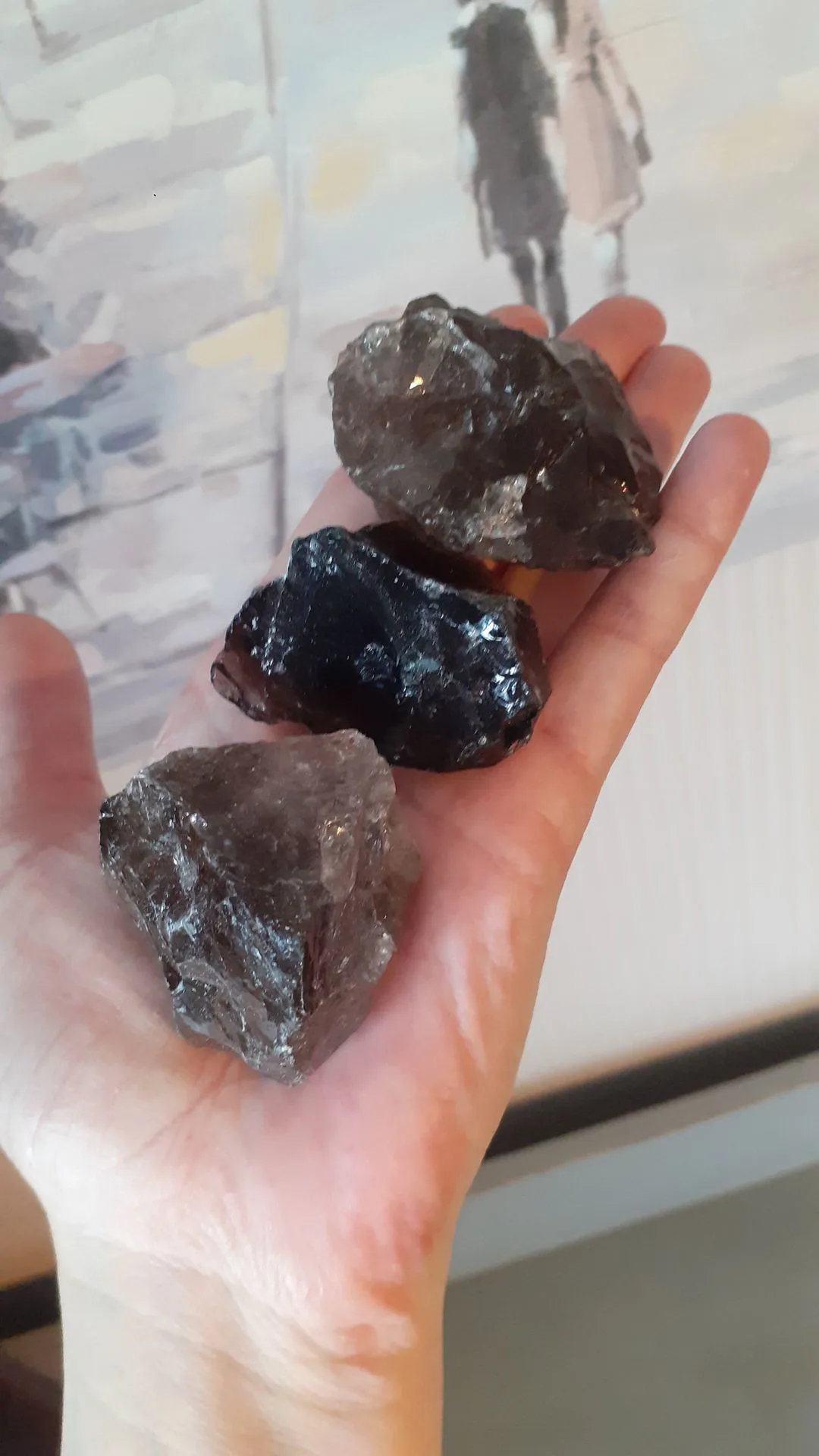
- Rough Smokey Quartz - 1 Piece: Rough Smokey Quartz, 1 piece, approximately 4.5 cm x 4 cm, described as a grounding and stabilizing stone and a protective stone. This is a rough, unpolished piece rather than a drilled key ring stone. It works better as a pocket or pouch stone than as a key charm, because rough edges and no mounting hole mean it cannot be attached securely without added wire or glue.
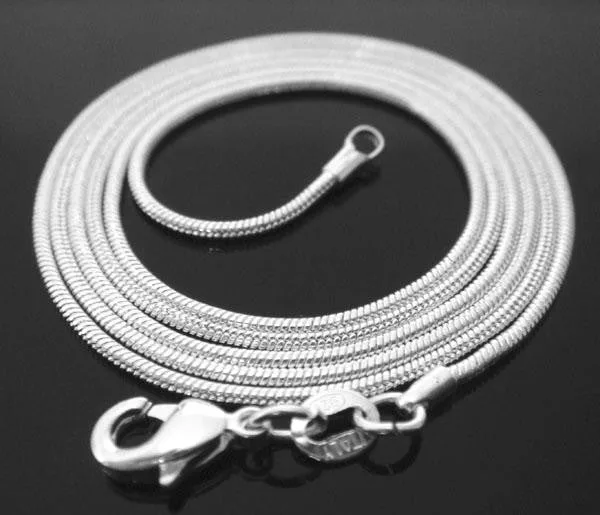
- 22 Inch Snake Chain - 925 Silver: 22 Inch Snake Chain in 925 sterling silver, 22 inches long, smooth snake design. If you prefer a pendant over a key ring, this chain gives you a secure neck carry option for a stone pendant, keeping the stone away from keys and coins entirely.
Who should buy a gemstone key ring
Best for
- Shoppers who want a small, visible stone they can carry every day without wearing it on the wrist
- Buyers looking for crystal gifts under 20 who want a ready-to-give item with a pouch or gift bag
- People who want a chakra key ring and will choose the stone for meaning, then accept a practical shape
Not for
- Anyone who carries a heavy key set and wants a long dangling charm; a wrist-worn bead bracelet or a pendant on a chain is more durable
- Buyers who want a rough, unpolished specimen as a key charm; rough pieces are better kept as pocket or pouch stones
- Shoppers who will not wipe the stone or check the loop, since grit and a bent loop are the two most common causes of failure