Quick answer
For most cold-weather activities, choose a waterproof and windproof shell glove with light insulation for active days, and a thicker insulated glove or mitt for static cold. Fit matters as much as warmth: gloves should be snug at the palm and fingers without compressing insulation, and a liner glove adds warmth and lets you remove the shell without exposing bare hands.
Match insulation to your activity level
Your hands generate heat when you move and lose it when you stop. For high-output activities like skiing or fast hiking, pick light insulation so sweat can escape and your hands do not overheat. For low-output activities like standing around a camp or walking a dog, pick thicker insulation or mittens, which keep fingers together for more warmth. If you run hot, a shell glove with a thin liner is often enough; if you run cold, size up slightly to add a liner without cutting off circulation.
Decide on waterproofing and breathability
Waterproof gloves keep wet snow and rain out, but they can trap sweat if they do not breathe. For wet snow, skiing, or winter hiking, choose a waterproof membrane and a water-repellent shell. For dry cold, a water-resistant softshell glove breathes better and dries faster. No glove is fully waterproof and breathable at the same time, so accept a trade-off: more waterproofing for wet conditions, more breathability for dry, high-output days.
Check dexterity for your task
Dexterity depends on insulation thickness, palm material, and finger construction. If you need to zip a jacket, adjust a binding, or use a phone, choose a glove with a thin palm and articulated fingers. Mittens are warmer but limit dexterity, so many people carry both: a liner or light glove for tasks and a mitten or thick glove for warmth. If you must use a touchscreen, look for a conductive fingertip rather than taking your glove off in the cold.
Fit and sizing rules that prevent cold hands
A glove that is too tight restricts blood flow and makes your hands colder, while one that is too loose lets cold air circulate and reduces grip. Measure your hand around the palm and compare to the brand's size chart. Try gloves on with the liner you plan to wear. The fingertips should reach the end of the glove without pressing, and you should be able to make a fist without the fabric pulling tight across the knuckles.
Layering tips for gloves
A liner glove adds warmth and manages moisture, and it lets you remove a shell without exposing bare skin. Choose a thin merino or synthetic liner that fits under your shell without bunching. On very cold days, use a liner plus an insulated shell; on milder days, wear the liner alone. Always dry gloves fully between uses, because damp insulation loses most of its warmth.
Glove decision rules
- If you ski or hike hard: Choose a waterproof, breathable shell glove with light insulation and a thin liner. Prioritize breathability and dexterity over maximum warmth.
- If you stand still in the cold: Choose a thicker insulated glove or mitten that keeps fingers together. Warmth matters more than dexterity here.
- If you need to use your hands: Choose articulated fingers and a thin palm, or wear a liner and remove the shell. Test the glove with the tasks you actually do.
- If your hands get cold easily: Size up slightly for a liner and check that the cuff seals over your sleeve. Never wear gloves that compress your fingers.
Houdini products that support cold-weather layering
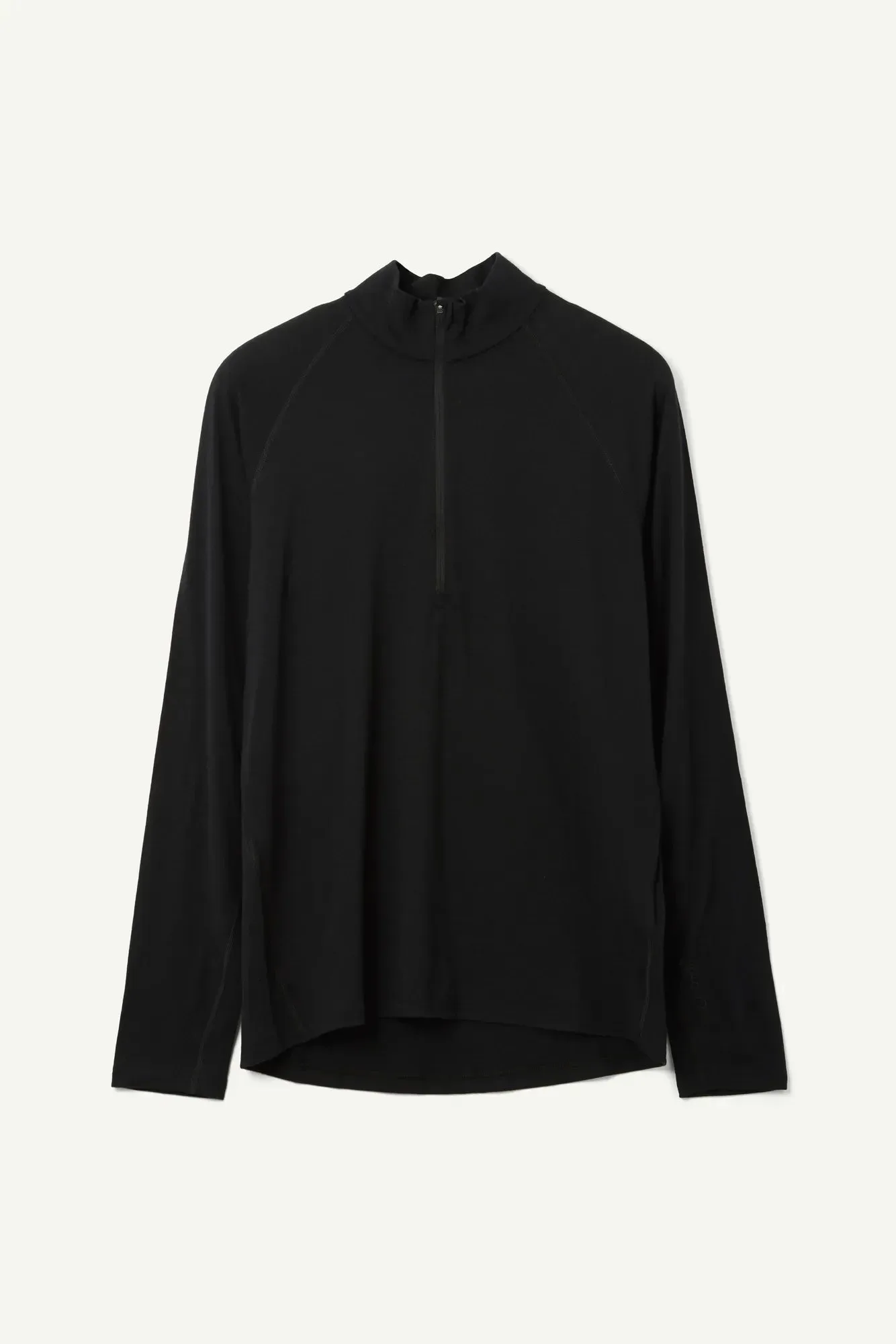
- M's Puremerino Half Zip: Puremerino is made from 100% superfine 18.4 micron merino wool from Australia, and the Puremerino series was developed after years of field tests and prototypes. A thin merino layer next to your hands or as a base layer manages moisture and adds warmth without bulk, which is useful under a glove shell.
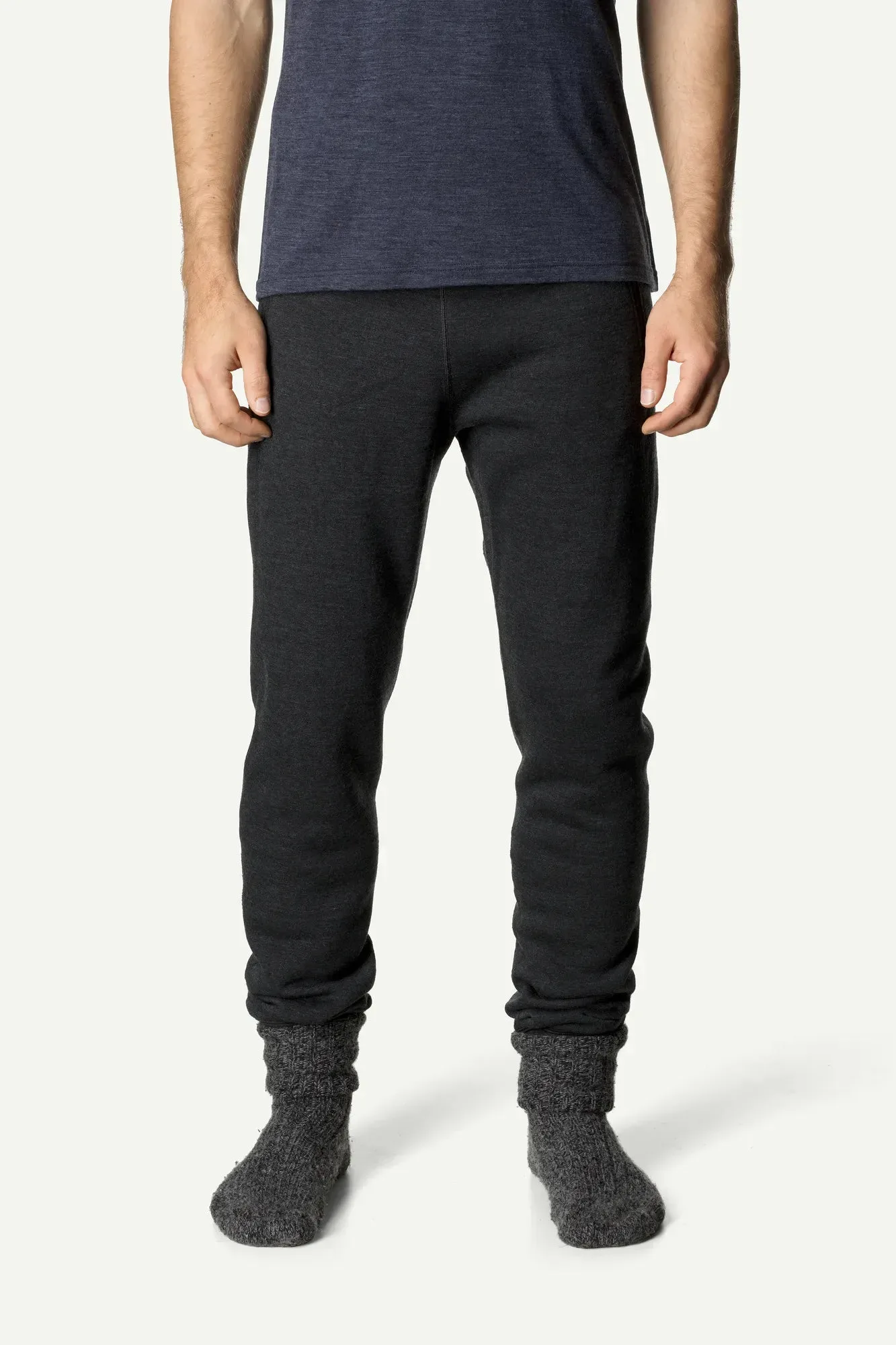
- M's Alto Pants: Alto Pants use Woolly Treemerino, a Swedish-made blend of 60% merino wool and 40% Tencel, with a relaxed look but technical function for polar adventures. The same merino blend logic applies to hand layers: wool regulates temperature and stays comfortable when you move between cold and warm settings.
Who these glove rules fit
Best for
- Skiers and hikers who need waterproof, breathable hand protection
- Anyone layering gloves for cold commutes or winter walks
- People who want a liner plus shell system for changing conditions
Not for
- Extreme cold where mittens are the only practical choice
- Tasks that require bare-hand dexterity
- Warm-weather use where insulation would cause overheating