Quick Answer
If you hike in changeable weather and want one layer that blocks wind and shrugs off light rain without overheating, pick a lightweight shell like the Garmont ARVADA SHELL JACKET. Choose it for day hikes, exposed ridges and fast-moving routes where you pack light. If you expect sustained heavy rain or cold, wet days, step up to a fully waterproof, breathable shell instead.
What a Shell Jacket Actually Does for You
A shell is your outermost layer, so its job is to block wind and shed moisture while letting trapped heat escape. That is why the label matters: windproof and water-repellent are not the same as waterproof. A water-repellent shell handles drizzle, damp grass and sudden showers, but it is not built to keep you dry through hours of steady rain. Match the shell to the weather you actually hike in, not the worst storm you can imagine.
Match the Shell to Your Route and Weather
Think about three things before you buy: how long you are out, how exposed the route is, and how much you sweat. Short, sheltered day hikes rarely justify a heavy waterproof shell. Exposed ridgelines, alpine starts and via ferrata approaches are where wind protection earns its place. If your routes mix rock and open terrain, a windproof, water-repellent shell worn over a breathable base layer often works better than a stiff, fully waterproof jacket you end up carrying.
Fit, Layering and Packability
A shell only works if it fits over the layers underneath without flapping. Check that you can raise your arms and reach forward without the hem riding up, and that the sleeves cover your wrists when you extend your arms. Size up if you plan to wear a mid-layer underneath; stay true to size if the shell is your only outer layer in mild conditions. Packability matters too: a lightweight shell you actually carry beats a bulky one left at home.
Decision Rules for Buying a Hiking Shell
- Dry, windy days: Prioritise windproofing and low weight over waterproofing. A lightweight shell keeps the chill off without cooking you on the climb. Pick a windproof, water-repellent shell.
- Frequent, heavy rain: Water-repellent fabric will wet out. Look for a fully waterproof, breathable shell and seam-sealed construction. Do not rely on a light shell as your rain jacket.
- Layering over a mid-layer: Check the shell fits over your fleece or insulated layer with room to move. Too tight restricts reach; too loose flaps in wind. Try it on with the layers you hike in.
Product Facts
- ARVADA SHELL JACKET: Unisex lightweight windproof and water-repellent shell jacket from Garmont Outdoor, available in sizes S to XXL. A good match for day hikes and changeable weather where you need wind protection and light rain resistance without a heavy layer.
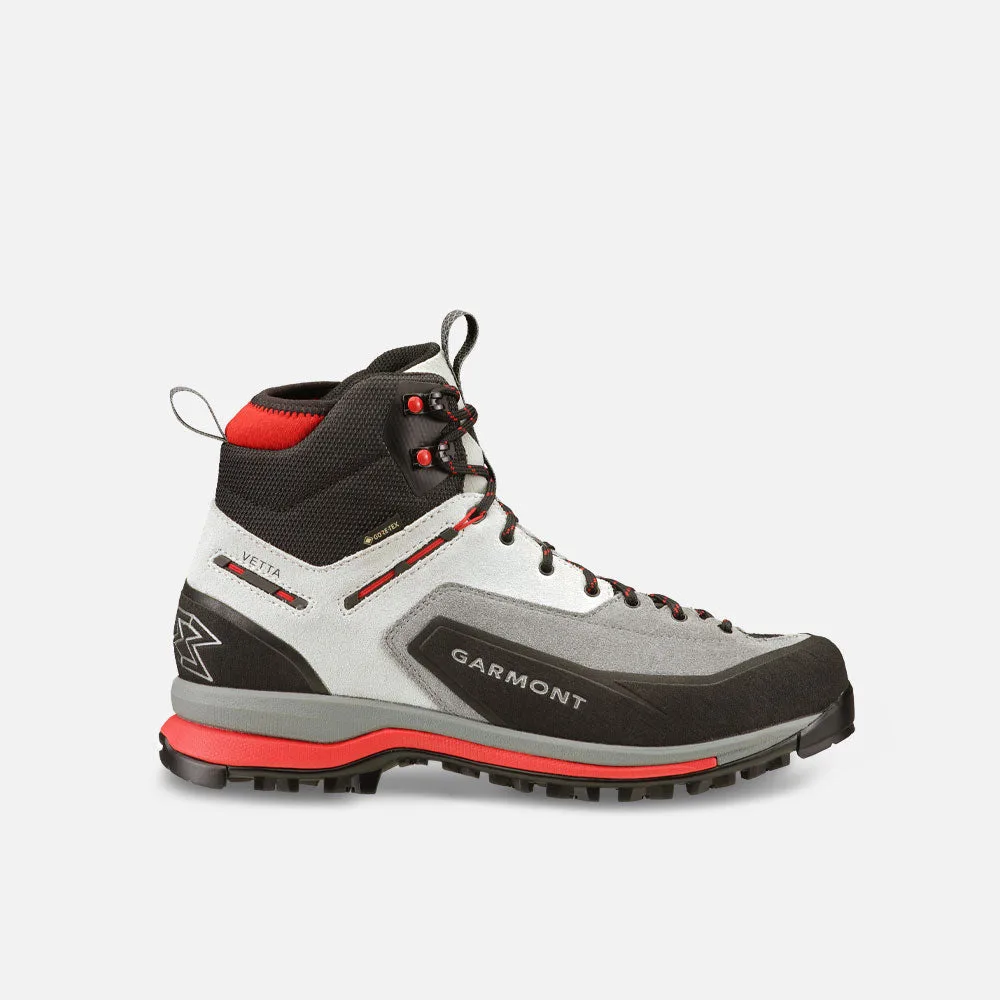
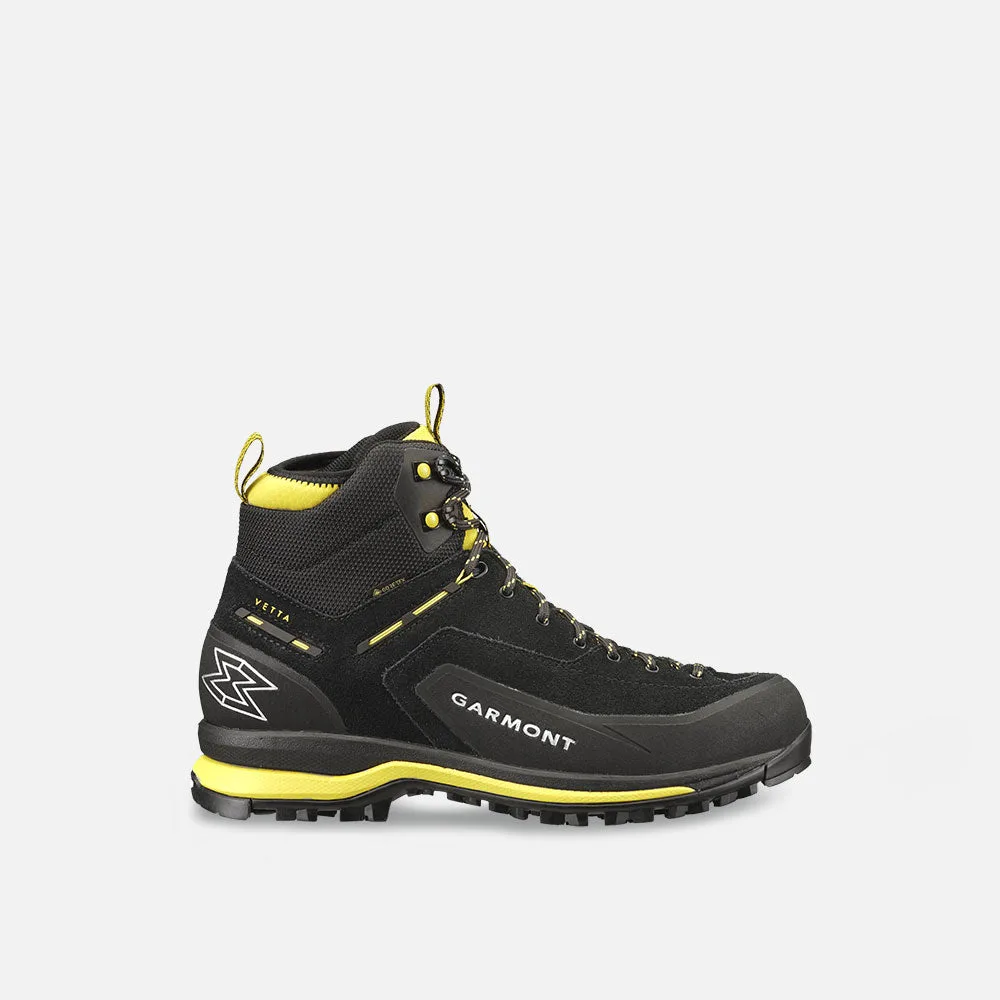
- VETTA TECH GTX®: https://garmontec.com/products/vetta-tech-gtx-grey-red-002465-18e2194da6fb7482509ccca2-1589386VETTA TECH GTX® is trekking footwear for via ferrata, mixed terrain and rock, available in selected sizes. If your shell is for exposed, rocky routes, pair it with footwear built for that terrain rather than trail runners.
Who the ARVADA SHELL JACKET Is For
Best for
- Day hikers and fast walkers who want a light wind and shower layer
- Exposed ridges and mixed terrain where wind is the main problem
- Anyone layering over a base layer or light mid-layer
Not for
- Sustained heavy rain or multi-day wet weather
- Cold-weather insulation on its own
- Hikers who need a fully waterproof shell