Quick answer
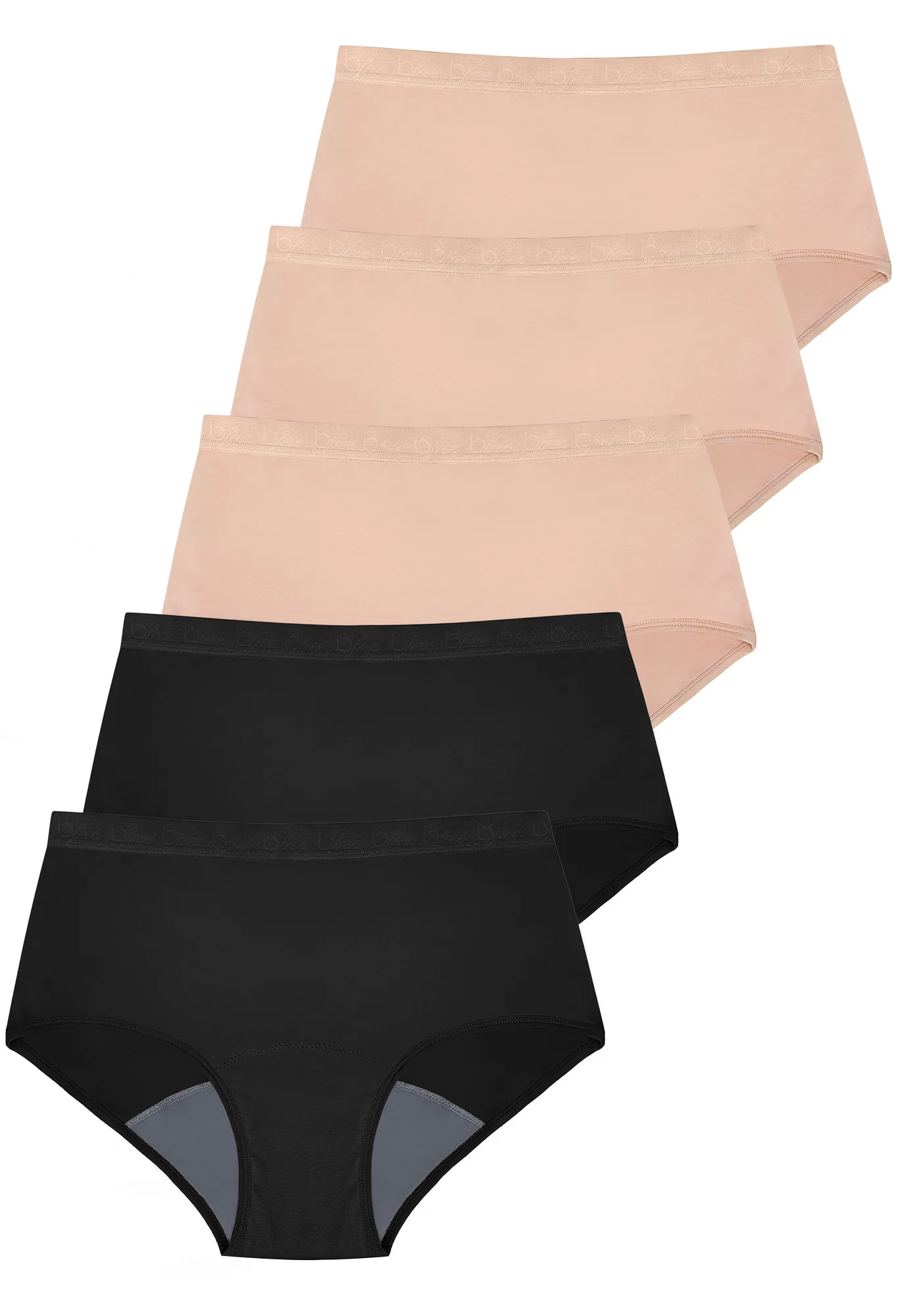
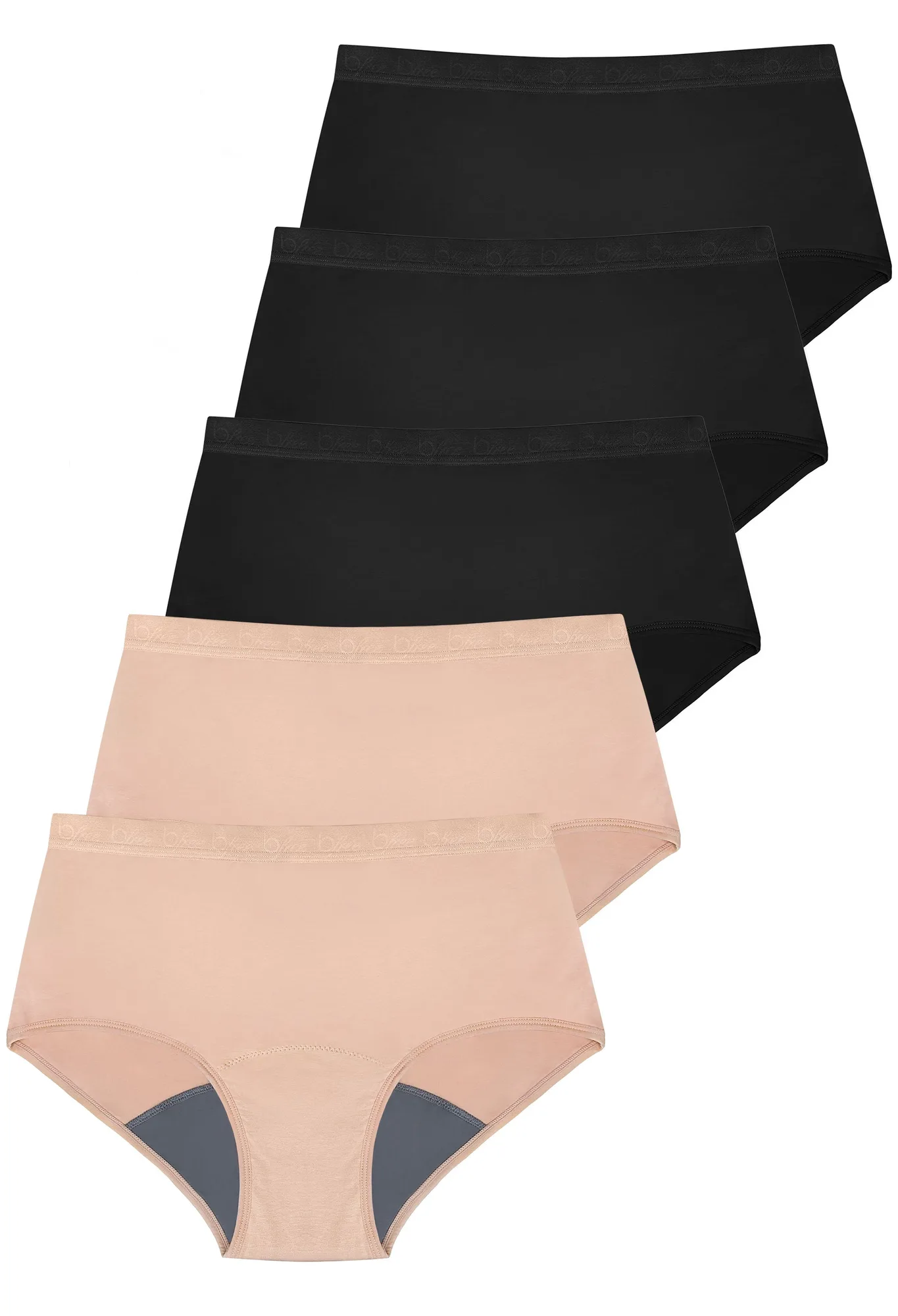
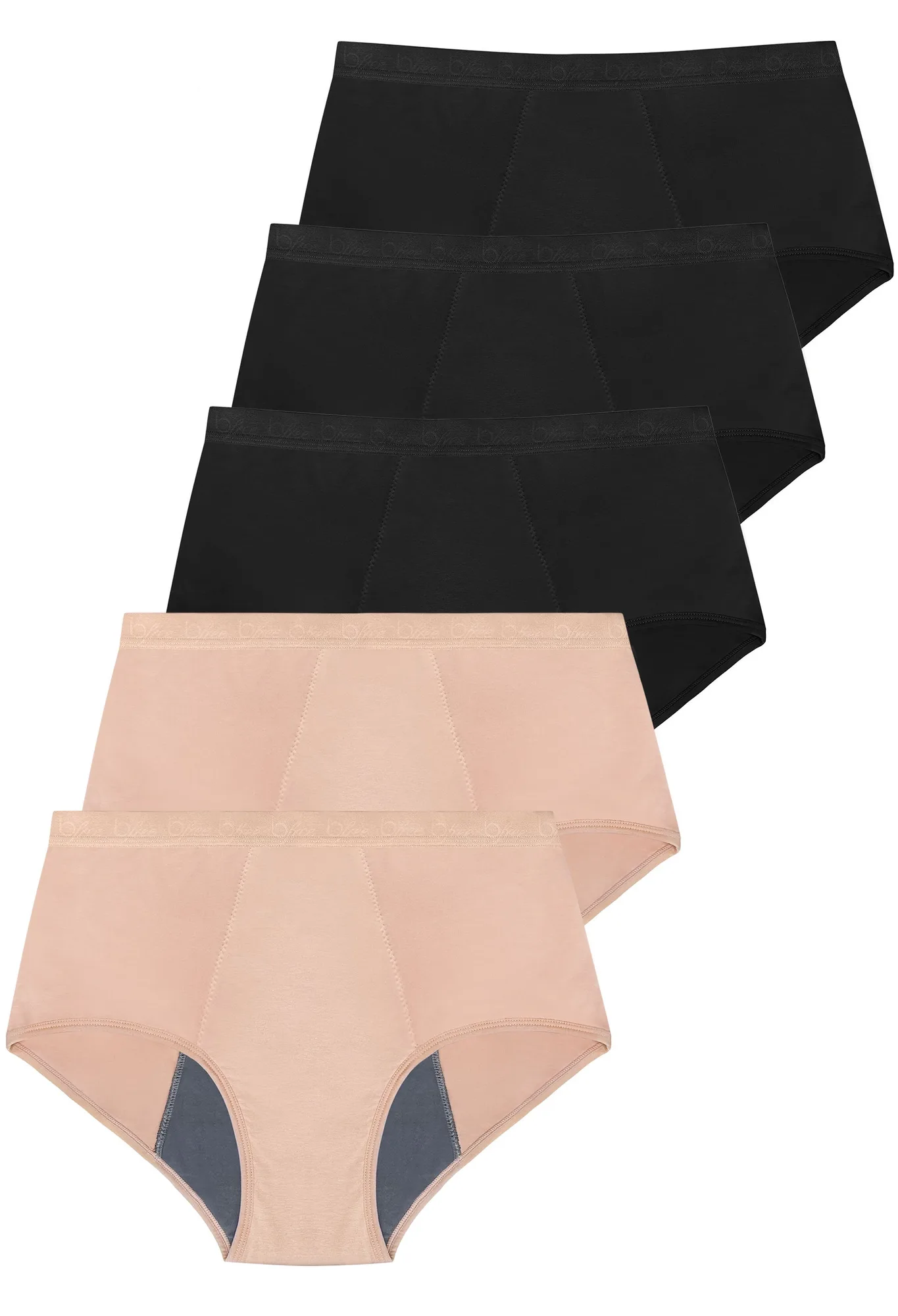
Choose incontinence underwear by matching absorbency to your heaviest typical leak, then prioritize a high waist and full coverage so the pad or absorbent layer stays in place. For light bladder leaks and all-day discretion, a stretchy full-coverage brief like the Post-Maternity Comfort Brief works well under clothes. If you need a reusable option for travel or long days, look for a high-rise, long-leg short that reduces chafing and stays put.
Match absorbency to your heaviest leak, not your average day
The most common buying mistake is choosing for a light day and then feeling anxious on a heavier one. Track your leaks for three days, note the heaviest flow, and buy for that level. If your heaviest leak is light spotting or a small urge leak, a stretchy full-coverage brief with a thin waistband can be enough when paired with a liner. If you need more absorbency, look for a reusable absorbent layer or a brief designed to hold a pad securely. Washable options often feel more like regular underwear, which helps with discretion, but they require a place to rinse and dry. For travel, that practical detail matters as much as the absorbency rating.
Fit rules that keep leaks and bulk under control
Fit is where discretion is won or lost. The waistband should sit flat against your skin without digging in, and the leg openings should lie smooth, not gap or pinch. A high waist helps because it keeps the absorbent panel or pad from shifting when you sit, bend, or walk. Full coverage through the seat prevents the fabric from riding up and creating visible lines. If you are between sizes, size up for comfort and coverage rather than down for compression; a too-tight brief can cause red marks and actually push the absorbent layer out of place. For sizing, measure your hips and waist and compare to the brand's size chart, and remember that stretchy fabrics can accommodate a range of bodies but still need a secure, not tight, fit.
Fabric, rise, and leg length for all-day comfort
Fabric choice affects breathability, drying time, and how the brief feels against your skin. Cotton-rich blends feel soft and breathable for everyday wear, while quick-dry synthetics are easier to rinse and dry when you are traveling. A high rise covers the tummy and helps the brief stay in place, which is especially useful if you wear pads. Long leg lengths reduce thigh rub and chafing, making them a smart choice under dresses, skirts, or loose trousers. If you wear tight clothing, look for a smooth, low-profile waistband and seams that lie flat. If you wear loose clothing, you have more freedom to choose a higher-coverage brief with a longer leg.
Washable vs. disposable: the trade-offs
Washable incontinence underwear costs more upfront but saves money over time and produces less waste. They also tend to feel more like regular underwear, which supports discretion. The trade-off is laundry: you need to rinse them soon after use, wash them properly, and allow time to dry. Disposables are convenient for travel and outings when laundry is not possible, but they can be noisy, less breathable, and more expensive per use. A practical approach is to keep a small set of washable briefs for daily wear and a few disposables for travel days or backup. If you choose washable, buy at least three pairs so you always have one clean, one drying, and one in use.
Decision rules for buying incontinence underwear
- If your heaviest leak is light to moderate: Choose a stretchy, full-coverage brief with a high waist and thin waistband, and add a liner if needed. This keeps the profile smooth and discreet. Checkpoint: the brief should lie flat and not shift when you sit or bend.
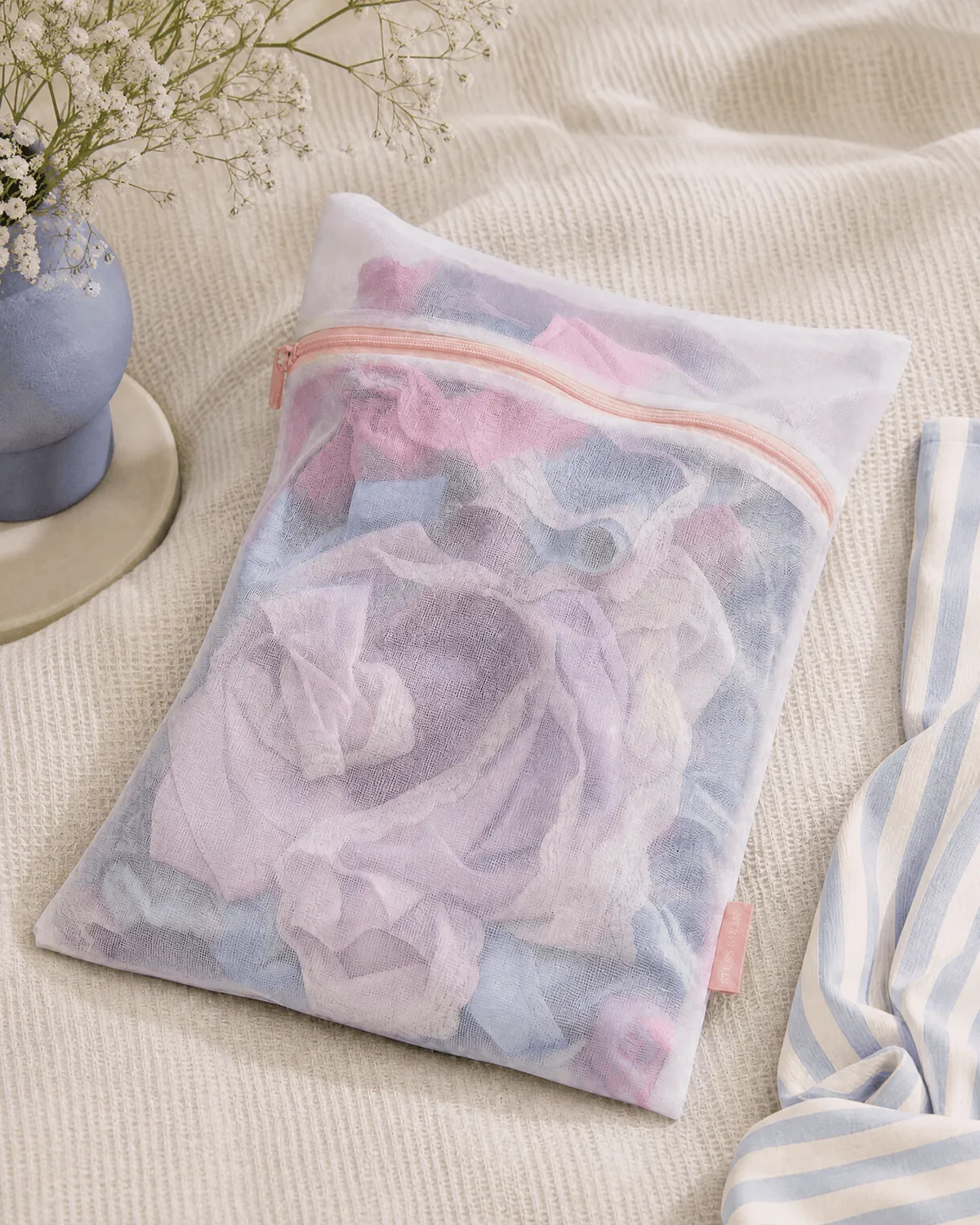
- If you need washable underwear for travel: Prioritize a high-rise, long-leg short in a cotton-rich or quick-dry fabric that resists chafing and dries overnight. Checkpoint: pack at least three pairs and a small wet bag for rinsing.
- If you are between sizes: Size up for coverage and comfort rather than down for compression. A too-tight brief can cause marks and push the absorbent layer out of place. Checkpoint: measure your hips and waist, then compare to the brand's size chart.
- If discretion under tight clothing is the priority: Look for a smooth, low-profile waistband and flat seams, and avoid bulky absorbent layers that show through. Checkpoint: do a sit-and-bend test in front of a mirror before wearing out.
Product facts to guide your choice
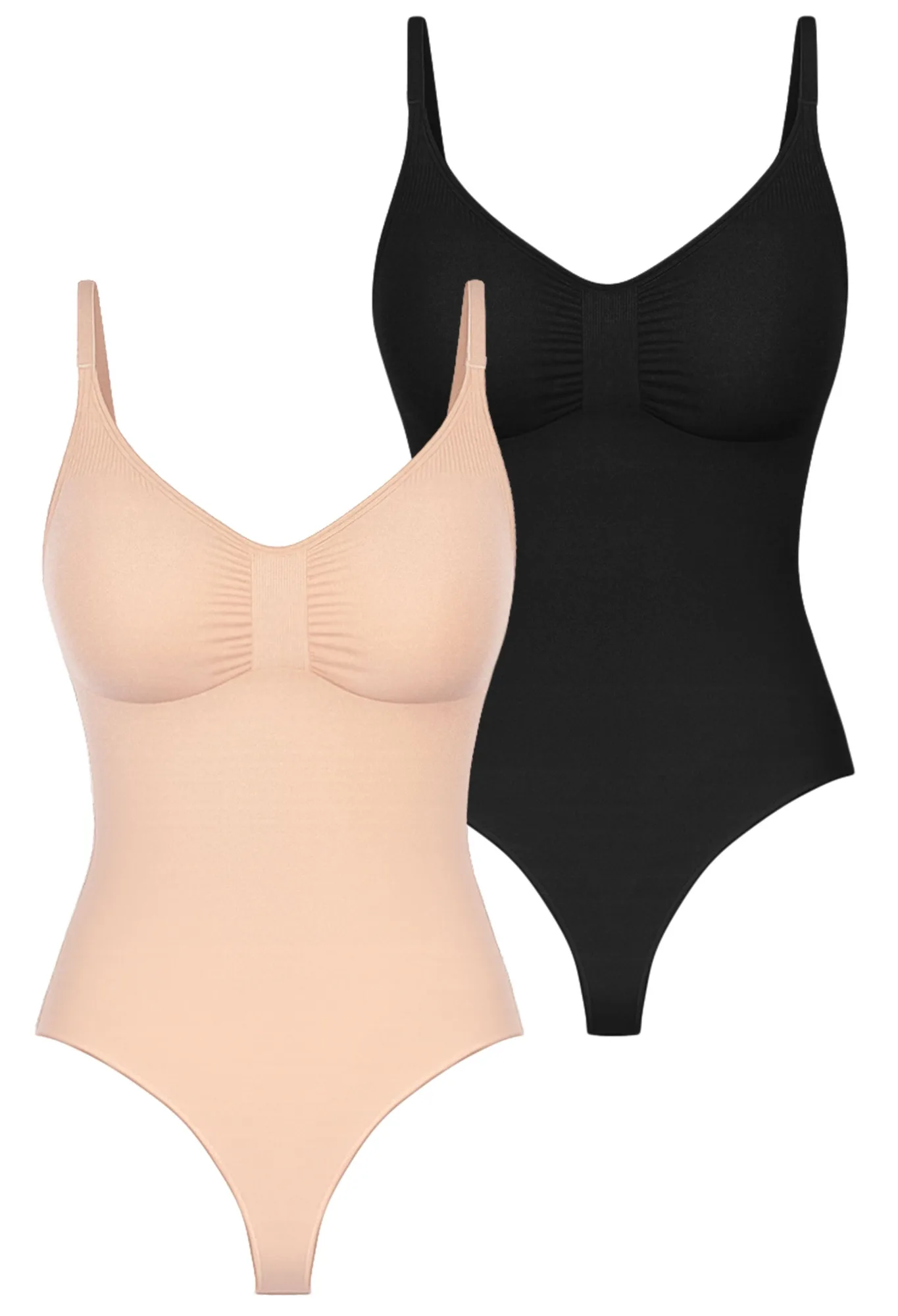
- Post-Maternity Comfort Brief: Super Stretchy Lightweight Full Coverage Brief with Generous High Waist and Thin Waistband. The high waist and thin waistband give full coverage without digging in, which helps the brief stay discreet under clothes and keeps a liner or pad in place.
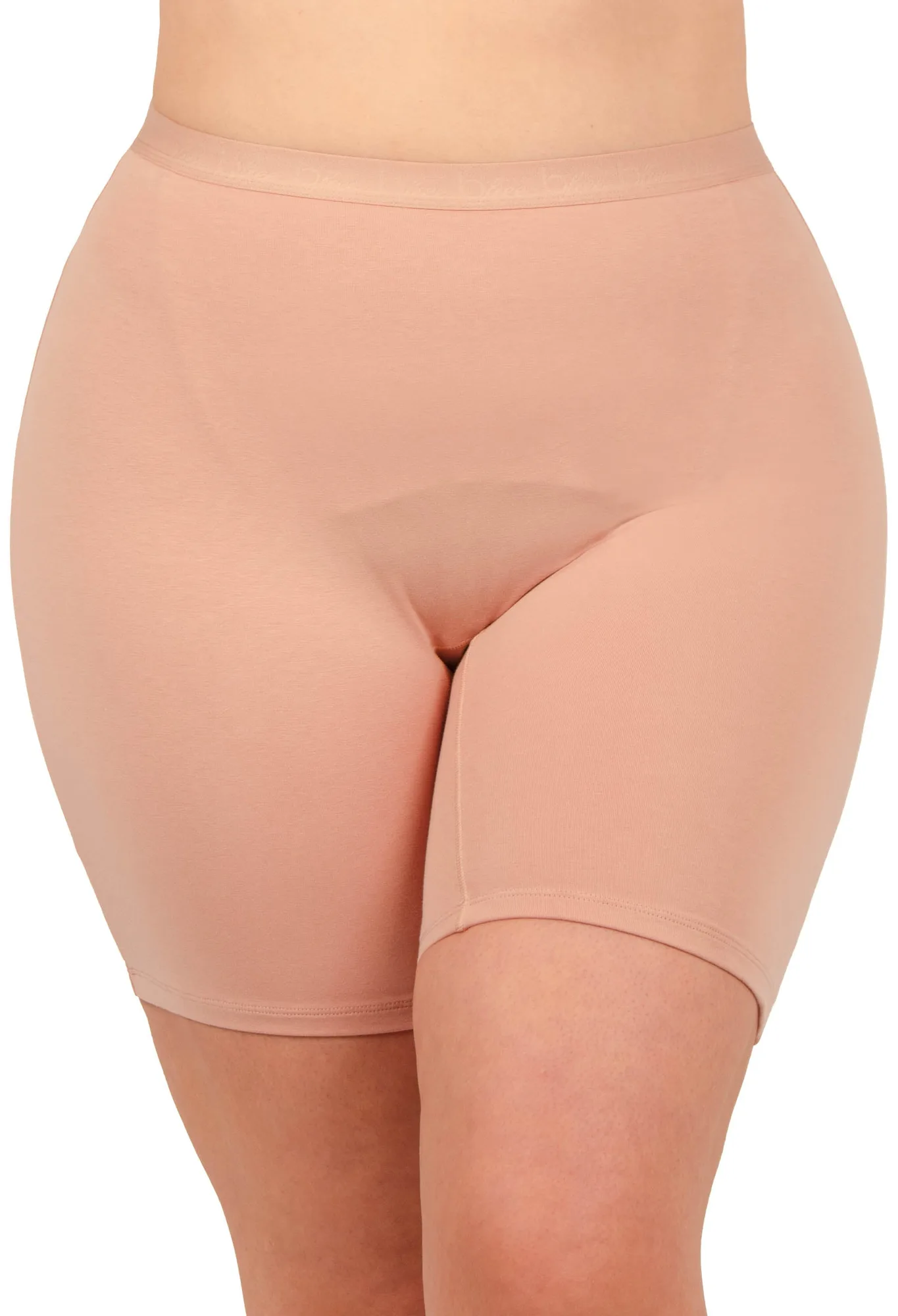
- Travel Essential Anti Chafing High Rise Long Cotton Rich Shorts: A soft comfort layer with full coverage and pretty lace trim that minimises thigh rub and chafing, with a high waist and long leg length. The long leg and high rise reduce chafing and keep the brief in place during travel or long days, while the cotton-rich fabric feels soft against skin.
- Sleek Comfort Transgender Binder: This high-compression bandeau is designed for transgender individuals seeking a comfortable and effective chest binding solution, made from a powerful double-layer knit that provides firm compression while remaining flexible for all-day wear. If you need compression for chest binding, this shows how a double-layer knit can deliver firm hold without excessive tightness, a useful contrast when comparing support levels across intimate apparel.
Who this guidance is for
Best for
- Women with light to moderate bladder leaks who want discreet, everyday underwear
- Travelers who need washable, quick-drying options that reduce chafing
- Anyone who wants a high-waist, full-coverage fit that stays in place
Not for
- Heavy urinary or fecal incontinence that requires a higher-absorbency disposable product
- People who cannot manage laundry and need a fully disposable solution
- Anyone seeking a medical device or treatment for incontinence