Inflatable pool floats bring endless summer fun, but nothing kills the mood faster than struggling with a slow or inadequate air pump. Whether you're pumping up a classic Tube Float or a giant https://pickkind.shop/products/leisure-island-113844https://pickkind.shop/products/leisure-island-113845https://pickkind.shop/products/leisure-island-113847https://pickkind.shop/products/leisure-island-113848Leisure Island, the right inflatable pump can make the difference between a quick setup and a frustrating chore. With so many options on the market, from electric pumps to manual hand pumps, choosing the best one for your needs can feel overwhelming.
In this guide, we'll break down the types of inflatable air pumps, what to look for based on your float size and material, and how to avoid common pitfalls. By the end, you'll know exactly which pump will keep your pool party going strong all season long.
Types of Inflatable Pumps: Which One Is Right for You?
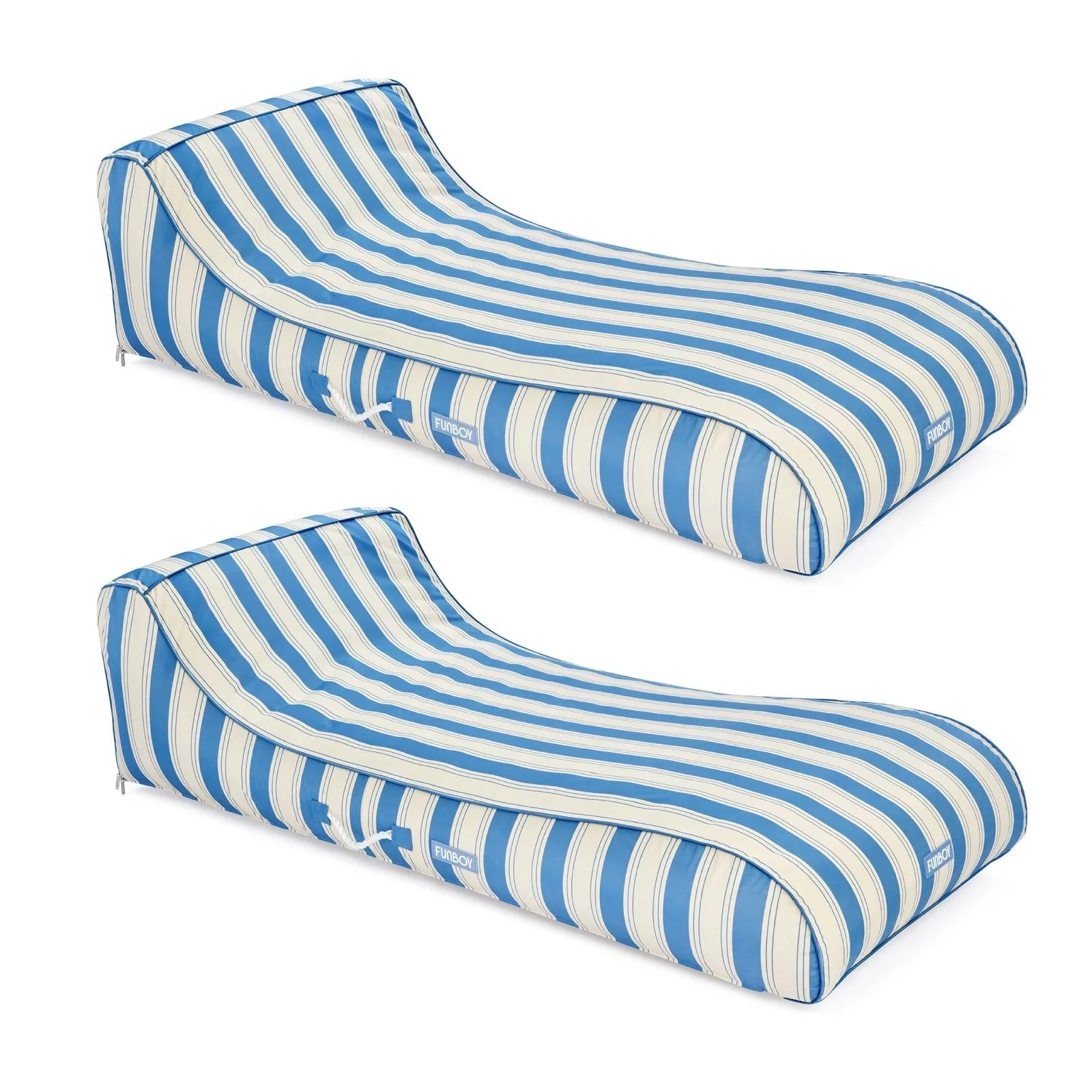
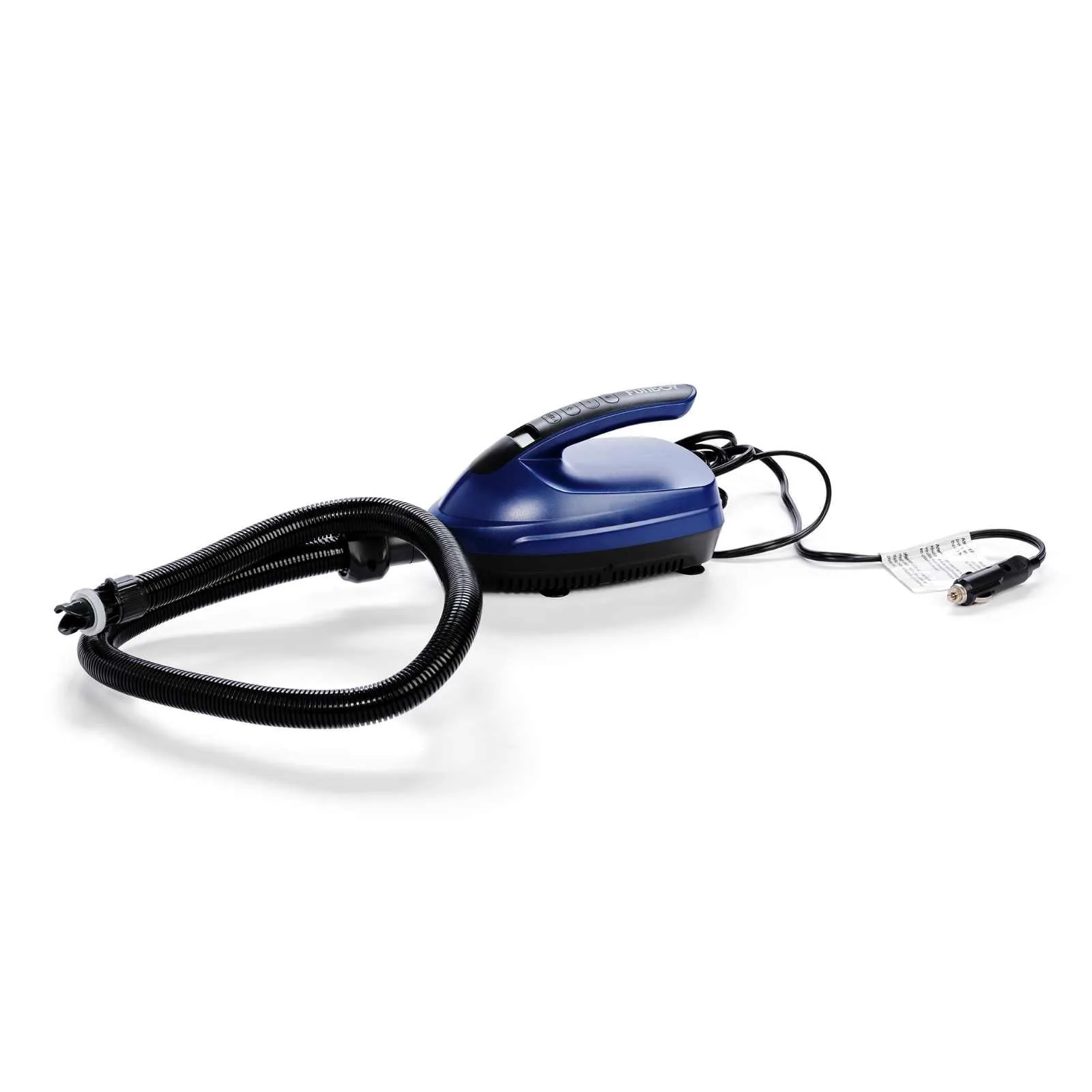
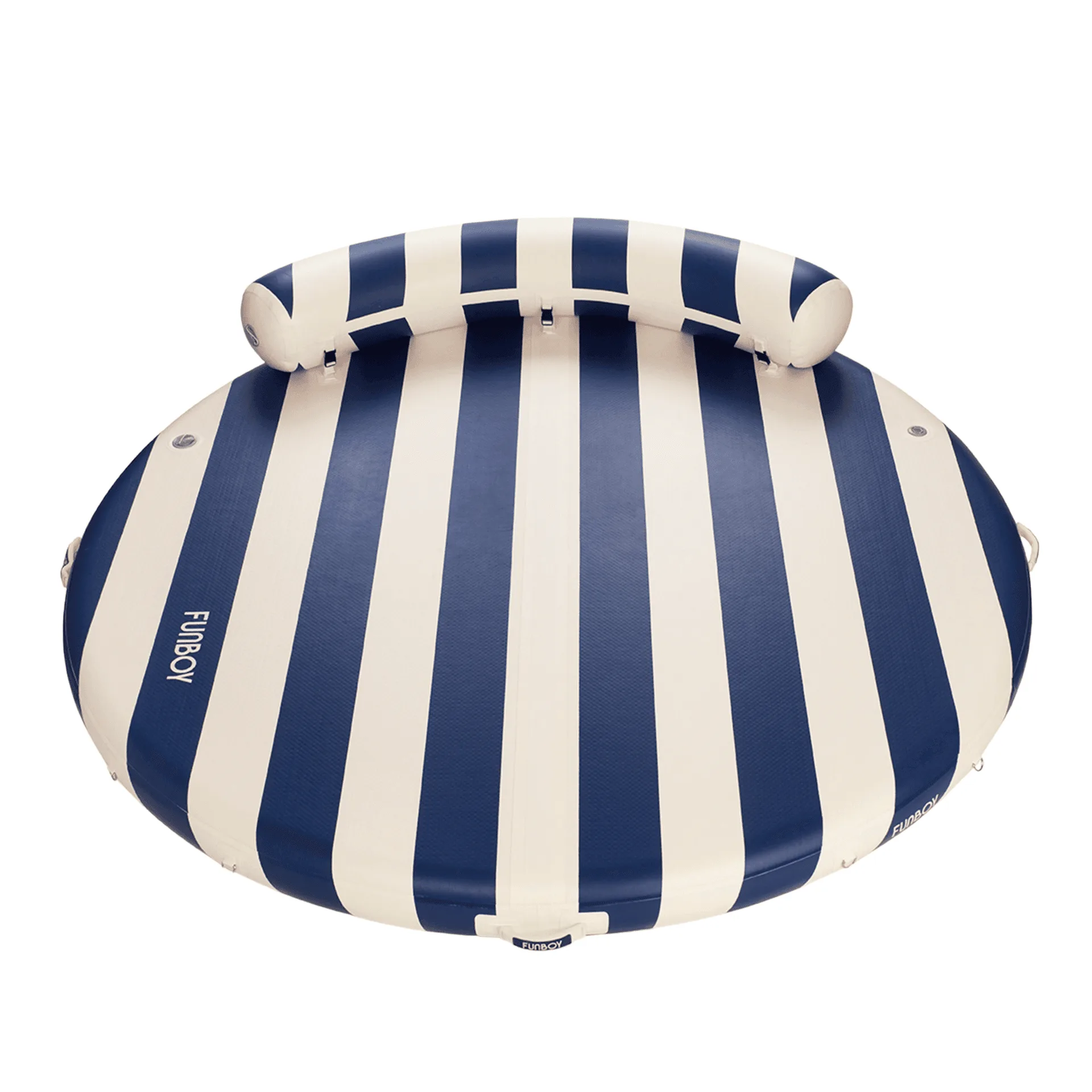
The first decision you'll face is choosing between an electric pump and a manual hand pump. Electric pumps are powered by a wall outlet or a car cigarette lighter (12V), and they can inflate most pool floats in under two minutes. They're ideal for larger floats like the Leisure Island or a Chaise Lounger Float, which require more air volume. Many electric pumps also have a deflate function, making storage quick and easy.
Manual hand pumps, on the other hand, are portable, lightweight, and don't require any power source. They're great for smaller floats like the Tube Float or for topping off air when you're at the beach or poolside. However, they require more physical effort and time, especially for larger floats. If you only have a few small floats, a hand pump might suffice, but for a full backyard setup, an electric pump is a game-changer.
- Tip: For large inflatables like the Leisure Island, always choose an electric pump with a high airflow rating (at least 500 liters per minute).
Key Features to Look for in an Inflatable Pump
When shopping for an air pump, pay attention to the nozzle compatibility. Most pool floats use a standard 2-in-1 or 3-in-1 nozzle that fits both Boston valves and pinch valves. Some pumps come with multiple adapters for different valve types. Make sure the pump you choose works with the valves on your floats, especially if you own specialty items like the Vintage Lux Tube Float or the Fabric Pool Hammock.
Another important feature is the pump's power source and cord length. For electric pumps, a longer cord gives you more flexibility to reach outlets near your pool. If you plan to inflate floats on the go, a 12V car pump is a smart choice. Also consider noise level — some high-powered pumps can be loud, which might disturb neighbors or sleeping kids. Look for pumps labeled as 'quiet' if this is a concern.
- Check the pump's maximum pressure (PSI) — most pool floats need only 0.5–1 PSI, so avoid over-inflating.
Matching the Pump to Your Float Size and Material
Not all floats are created equal, and neither are pumps. A small, lightweight float like the Tube Float can be inflated with a basic hand pump or a low-power electric pump. But for larger, multi-chamber floats like the Leisure Island or the Chaise Lounger Float, you'll need a pump with higher airflow and possibly a continuous-duty motor to avoid overheating. These larger floats also benefit from a pump that can switch between inflation and deflation.
Material matters too. Thicker PVC or vinyl floats hold air better but require a pump that can deliver consistent airflow without straining. The Fabric Pool Hammock and Fabric Sunbed Lounger, for example, use fabric-covered materials that need gentle inflation to avoid stressing the seams. A pump with adjustable airflow settings is ideal for such delicate items.
- For multi-chamber floats, inflate one chamber at a time to ensure even pressure and avoid damage.
Manual vs. Electric: Pros and Cons at a Glance
To help you decide quickly, here's a comparison of manual and electric inflatable pumps:
- Electric Pump: Fast (1-2 minutes per float), easy on effort, ideal for large floats, but needs a power source and can be bulky.
- Hand Pump: Portable, no electricity needed, inexpensive, but requires physical effort and takes longer (5-10 minutes per float).
- Foot Pump: Another manual option that uses body weight, good for medium-sized floats, but slower than electric.
- Battery-Powered Pump: Cordless and portable, but batteries may run out mid-inflation; best for small to medium floats.
Tips for Efficient Inflation and Long Pump Life
Once you've chosen the right pump, proper use will extend its life and keep your floats in top shape. Always read the pump's manual for specific instructions. Before inflating, make sure the float's valve is clean and free of debris. Insert the nozzle fully and create a tight seal to prevent air leaks. For electric pumps, avoid running them continuously for more than 10 minutes; let them cool down if needed.
After use, store your pump in a dry, cool place. Remove any adapters and wipe down the exterior. For electric pumps, coil the cord loosely to avoid damage. If you use a hand pump, keep it in a protective bag. Regular maintenance will ensure your pump is ready for the next pool party or beach trip.
- Pro tip: Use the deflate function on electric pumps to quickly pack up your floats after a day of fun.
Choosing the right inflatable air pump can transform your pool float experience from frustrating to fantastic. Whether you opt for a speedy electric model for your Leisure Island or a compact hand pump for the Tube Float, matching the pump to your needs saves time and effort. Ready to upgrade your setup? Check out the FUNBOY collection for durable, stylish floats that pair perfectly with your new pump — and get ready to float in comfort all summer long.