Quick answer
For a sweet, easy-drinking kosher red, look for a Vino Sweet Red. If you prefer a dry, classic Cabernet Sauvignon, choose a Chilean kosher option. For white, a dry kosher wine from Israel offers earthy notes and pairs well with tomato-based dishes.
Red vs. White: The Flavor Profile Difference
Kosher red wines range from sweet and fruity to dry and tannic. Kosher white wines are typically lighter and can be dry or slightly off-dry. Your choice depends on the occasion and what you are serving.
Sweet reds work well as a standalone sipper or with mild cheeses. Dry reds need hearty food like red meat or stews to balance their tannins. Dry whites shine alongside vegetables, fish, or pasta with red sauce.
Sweetness Level Matters Most for Casual Drinking
If you are new to kosher wine, sweetness is the easiest dial to adjust. Sweet reds have soft tannins and a pleasant finish that appeals to most palates. Dry reds and whites have more complexity but can taste sharp if you are used to sweet wines.
Check the label for clues: terms like "sweet" or "off-dry" indicate residual sugar. If the label only says "dry," expect minimal sweetness.
Food Pairing Is Your Second Decision Point
A kosher red with berry and cherry notes pairs naturally with tomato-based sauces and grilled meats. A kosher white with earthy undertones complements starchy dishes and roasted vegetables. Matching the wine's body to the dish's weight keeps the meal balanced.
When in doubt, a medium-bodied red works with most meat dishes, while a dry white handles a wider range of vegetable and fish courses.
Decision rules for choosing kosher wine
- 1. Decide on sweetness: If you want a sweet, easy-drinking wine, choose a kosher red labeled 'sweet' or 'off-dry'. If you prefer a dry wine, look for a varietal like Cabernet Sauvignon or a dry white.
- 2. Match the wine to the meal: Pair sweet reds with mild cheese or light appetizers. Pair dry reds with red meat, stews, or tomato-sauce dishes. Pair dry whites with vegetables, fish, or pasta in red sauce. A dry white from Israel with earthy notes works especially well with tomato-based red sauces.
- 3. Consider the occasion: For a casual gathering or a beginner, a sweet red is a safe bet. For a formal dinner or a wine enthusiast, a dry varietal or a Bordeaux blend offers more complexity. Keep a bottle of each style on hand so you can match the wine to the moment.
Product facts
-
Gabriele Vino Sweet Red Kosher: Gabriele Vino Sweet Red Kosher is a sweet, smooth kosher red with aromas of fresh florals, berry, and cherry, plus soft tannins. This is a great choice if you want an approachable, crowd-pleasing red that doesn't need food to taste good.
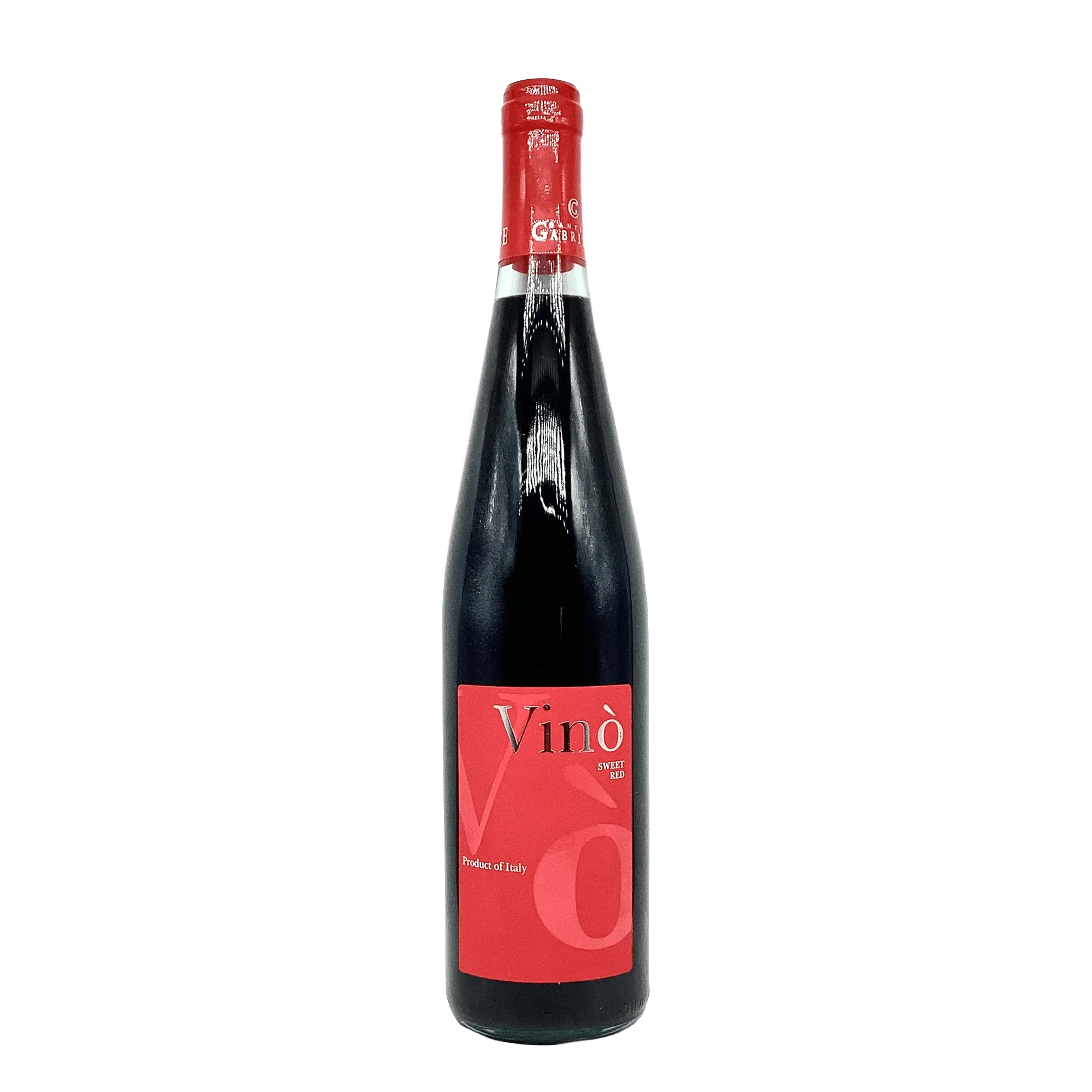
Gabriele Vino Sweet Red Kosher
-
Terra Vega Cab Sav Kosher: Terra Vega Cab Sav Kosher is a Chilean Cabernet Sauvignon with flavors of ripe berries, green pepper, chocolate, and a hint of smoke. Its classic dry profile and smoky notes make it a solid pick for pairing with red meat or hearty pasta dishes.
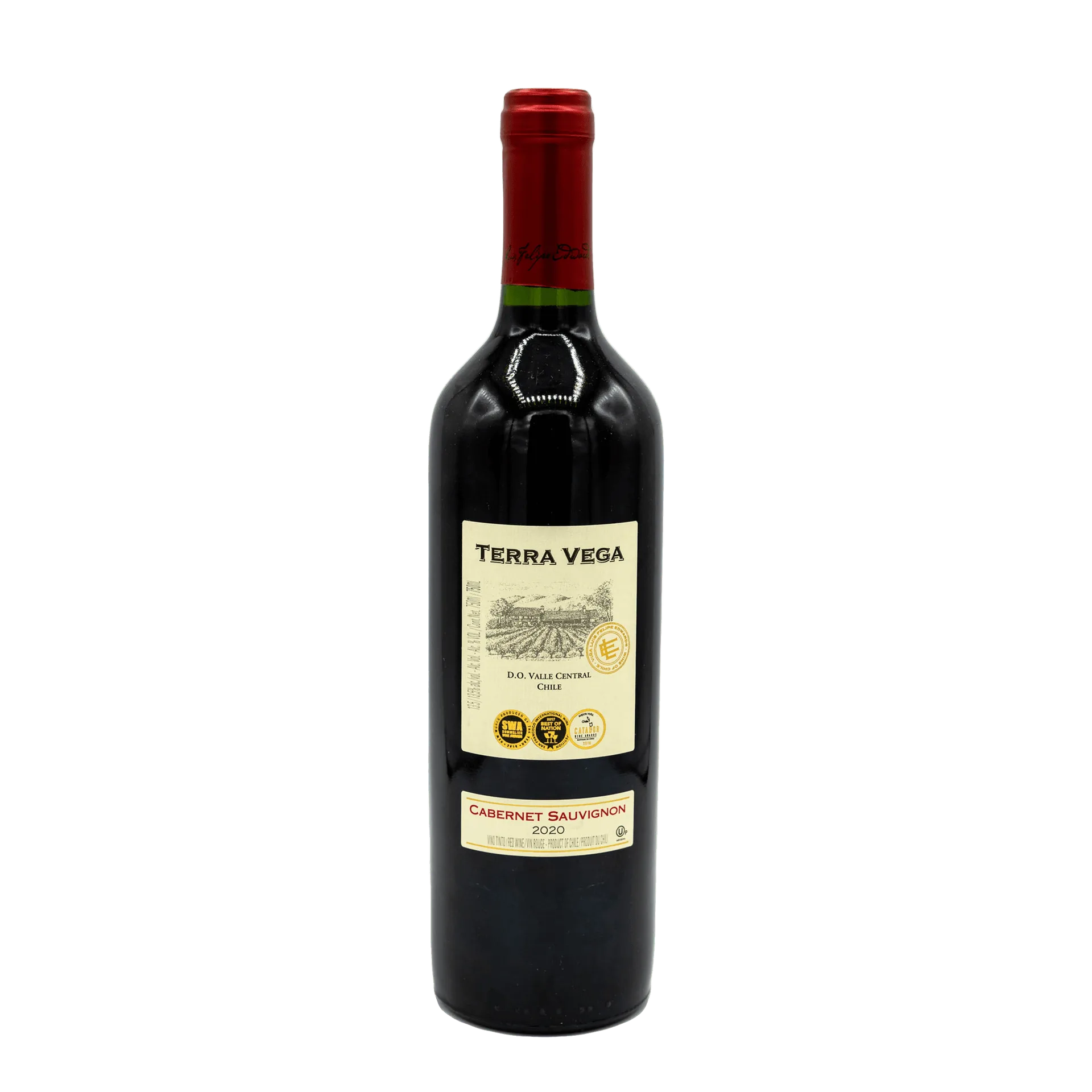
Terra Vega Cab Sav Kosher
Which kosher wine fits you?
Best for
- Someone who wants a sweet, easy-drinking red for casual occasions
- A cook preparing tomato-based dishes or roasted vegetables who needs a versatile dry white
Not for
- Drinkers who prefer bone-dry, high-tannin red wines with no fruit sweetness
- Anyone looking for a sparkling or dessert-style kosher wine